Injury Recovery in Greater Victoria, BC - Call us to book an appointment: (250) 382-0018
Diversified Health Clinic
  • Welcome
  • About
    • Meet our Team
      • Dr. Matthew Bryan DC
      • Dr. Tessa Bryan DC
      • Dr. Krisjan Gustavson DC
      • Dr. Alexia Grelson DC
      • Dr. Ian Hyams MD
      • Dr. Jennifer Blum MD
      • Kanu Priya MPT
      • Ivy Elling-Quaintance MPT
      • Spirit Donahue MPT
      • Morag Hart RMT
      • Craig Lawrence RMT
      • McKenzie Connell RMT
      • Braedan Pearce RMT
      • Angelina Schaaf BCAK
      • Christian Schwarz BCAK
      • Annie Wang R.Ac R.TCM.P
      • Rebecca Thompson R.Ac R.TCM.P
      • Lauren Ching R.Ac
      • Jun Liu R.Ac
      • Laura Grohovac CCC
    • Our Clinic
    • Careers
  • Disciplines
    • Disciplines
      • Chiropractic
      • Physiotherapy
      • Registered Massage Therapy
      • Kinesiology
      • Acupuncture
      • Clinical Counselling
      • Medical Doctor
      • Personal Training
    • Treatments
      • Spinal Decompression
      • Shockwave
      • Class IV K Laser
      • eToims Needle-less IMS
      • Orthotics
      • Pelvic Floor Physiotherapy
      • EMSELLA
  • Conditions
    • Plantar Fasciitis
    • Running Injuries
    • Allergies
    • Concussion Treatment
    • Bursitis
    • Tennis Elbow
    • TMJ Disorder
    • Automobile Collisions
    • Nerve Pain with Sciatica
    • Sport Injuries
    • Stress
    • Runner’s Knee
    • Vertigo & Vestibular Rehab
    • Concussions
  • Pricing
  • News & Events
    • News
    • Events
    • Practitioners In Focus
    • Exercise Library
  • Contact
  • ICBC Claims
  • Book Now!
  • News
  • Menu Menu
  • Link to Facebook
  • Link to Instagram
  • Link to X
  • Link to Youtube
  • Link to Rss this site
  • Link to Mail
  • Welcome
  • About
    • Meet our Team
    • Our Clinic
    • Careers
  • Disciplines
  • Conditions
  • Pricing
  • News
    • News & Advice
    • Practitioners In Focus
  • Contact
  • ICBC Claims
  • Book Now!
Acupuncture, Chiropractic Care, Health Information, Massage Therapy, Physiotherapy

#1 Way To Deal With Stress

stress-and-acid-refluxLong-term exposure to stress can lead to serious health issues by raising your blood pressure, increasing your risk of having a heart attack, and suppressing your immune system. Ignoring the symptoms of stress can lead to anxiety and depression.

Physical symptoms from prolonged stress can range from headaches, upset stomach, high blood pressure, chest pains, difficulty breathing and trouble sleeping.

Everyone deals with stress differently; the import factor is to find healthy ways  to deal with stress that work for you.

#1 most effective way to deal with stress – RELAX

Deep Breathing | Deliberate and mindful breathing will help your muscles to relax and make you feel less tense.

Massage | Booking even a short 30 minute massage focusing on the muscles in the back of your neck and upper back will help you feel less tense.

Time Out | Stepping away from the situation, even for a few minutes will have a beneficial effect on your mood. Going for a walk around the block can go a long way to decreasing your stress.

Grateful List | Make a mental list of 5 things you are thankful for. This will remove your focus from the stressful situation and will allow you to gain quick perspective of your life.

#2 Take care of your body

Sleep | 7 to 9 hours will help your body recover

Eat healthy | Eat fruits, vegetables, proteins, and whole grains. Don’t fall into bad habits of junk food, and limit your caffeine or high-sugar snack foods.

Exercise | Getting physical activity helps relax your tense muscles and improve your mood.

 Avoid | alcohol, drugs, smoking

# 3 Involve your Health Care Practitioners

Be proactive – don’t wait till you can no longer cope.  Make sure that you talk to your health care practitioner, and work together to find a treatment plan that works for you.

Book a massage –  Clinical studies show that even a single 1 ½ -hour session can significantly lower heart rate, cortisol levels and insulin levels-all of which help reduce stress through massage therapy. On-going massage therapy can improve overall physical and mental performance.

Book an acupuncture session – The body secretes hormones into the bloodstream as a reaction to stress.  Acupuncture can block the chronic, stress-induced elevations of these hormones leaving you with a sense of calm & relaxation.

Book a Chiropractic session – One of the effects of chronic stress is prolonged muscle tension. This muscle tension can leads to a misalignment of the spine and the other joints in the body. These misalignments can cause common conditions such as; back pain, neck pain, and headaches. Chiropractic adjustments reduce nerve irritation, improve circulation, and release muscle tension.

Book a Physiotherapy session – can assist decease stress levels through manual therapy. Manual therapy involves manipulation of muscles and tissues in the body. This technique is used to reduce muscle tension, improve circulation, and carry fresh oxygen to tissues in the body.


August 19, 2013/by Carmen Scott
0 0 Carmen Scott https://www.diversifiedhealth.ca/wp-content/uploads/2026/01/DiversifiedHealth-logo.png Carmen Scott2013-08-19 10:00:562013-08-19 10:00:56#1 Way To Deal With Stress
Massage Therapy

Diversified Health’s RMT – Cassandra Shkrabuik

Cassandra partially optimized proof in sRGB for internet - CopyOne of the benefits of any health or wellness program is not just the treatment, but the experience you have with your health care practitioner.  Many clients have had the same chiropractor, massage therapist or acupuncturist for years, and during that time have developed a deep trust and respect for their practitioner.

Cassandra Shkrabuik is one of Diversified Health’s registered massage therapists. Cassandra graduated from the West Coast College of Massage Therapy in a 3000 hour RMT program in 2012.  She has lived on the island for seven years and has fallen in love with the highly holistic nature of the island.

Recently I sat down with Cassandra and asked her some questions on massage therapy and on her life.

Q: Is there a benefit to having a longer massage session ( over 60 minutes )

A:  The main benefit to a longer massage is deeper relaxation, and clients suffering from multiple health issues can have all of them addressed in one session.

Q: What are 3 benefits of a massage?

A:  1. Improved circulation – Having an increase in blood flow and circulation to areas of your body helps promote cell growth and organ function.

2. Elimination of toxins through the skin  –  Skin eruptions are an indication of toxicity and the body’s attempt to eliminate them, so massage can increase the circulation to the skin and de-congest the pores.

3 The feeling of well-being  –  Massage increases the available levels of dopamine and this explains the satisfaction experienced during and after a massage. Also, serotonin regulates mood and has a calming effect; a low serotonin level has been implicated in depression, and massage seems to increase the level of available serotonin, producing an overall sense of calm.

Q: How often should you have a massage to achieve maximum health benefits?

A: Everyone is different, but with no health issues, every 4-6 weeks is a good place to start.

On a more personal note:

Q: Where is your favorite place to “chill” on the weekend?

A:  Walking and hiking in any forested area.

Q: Favorite music style?

A: Most of my day is spent listening to calming soft music with my clients, so when I get home I enjoy the fast beat of Electro-jazz and any good classic rock songs that gets you going.

Q: If you can only eat one type of food what would it be?

A:  SUSHI!!!

Q:  Name one thing that most people don’t know about you.

A: Most people don’t know that I foster cats with behaviour issues and also feral kittens.

Q: What event is a must see for you in Victoria?

A: Anything to do with fireworks, specifically Canada Day and the Symphony Splash.

Q: Where is your favorite place to “snoop” in the city?

A: With out a doubt china town, because there is always something going on!

*Cassandra works Mondays, Wednesdays, Thursdays, Fridays and Saturdays. Please contact our front desk to book an appointment with Cassandra.

July 22, 2013/by Carmen Scott
0 0 Carmen Scott https://www.diversifiedhealth.ca/wp-content/uploads/2026/01/DiversifiedHealth-logo.png Carmen Scott2013-07-22 11:13:442013-07-22 11:13:44Diversified Health’s RMT – Cassandra Shkrabuik
Acupuncture, Chiropractic Care, Massage Therapy

At The First Sign Of A Migraine…

At The First Sign Of A Migraine...Migraines can cause debilitating pain, which can lead to a decline in your quality of life and in severe cases, depression. Incorporating a healthy lifestyle with a few simple preventative techniques may stop some migraines before they start.

Self-treatment will not always work, but here are a few tips that may  help reduce the severity of your next migraine.

At the first sign of a migraine:

Remove yourself from your current activity and seek a quite darkened room. Migraines often increase sensitivity to light and sound.

Apply hot or cold compresses to your head or neck.  Ice packs will numb pain, while a hot pack or heating pad will help relax tense muscles.

Apply gentle pressure to your scalp or temples, which will help alleviate muscle tension.

Drink a caffeinated beverage; in small amounts, caffeine can help relieve migraine pain in the early stages.

Healthy Lifestyle:

Daily exercise will encourage your body to release certain chemicals that block pain signals to your brain. These chemicals can help alleviate anxiety and depression, which can make migraines worse. Remember that exercising too vigorously can trigger migraines.

Stress and migraines often go hand in hand, so simplify your life where you can. Delegate what you can, and divide large tasks into manageable chunks – use your time wisely.  If you feel overwhelmed, take a break, try to relax with deep breathing.  This requires inhaling and exhaling slowly and deeply for a minimum of 10 minutes every day.  This type of deep breathing will also help to relax your muscles.

Getting a good nights sleep will also help to avoid migraines. Make sure that you are waking up and going to bed at the same time every day, including weekends, and minimizing distractions in your bedroom by not watch television or working in bed.

Keep a migraine diary – this will help you find out what triggers your migraines. Note when a migraines starts, what you were doing at the time, how long they last and what, if anything, provides relief. Eventually you may be able to prevent migraines by changing patterns in your daily life.

Migraine diagnoses:

While no specific test can determine whether your headaches are migraines, you can help your practitioner make a diagnosis by keeping a migraine diary.  Your migraine journal should include the location, severity, frequency, and duration of your headaches. You should also make note of any prescribed medications you are taking.

Lifestyle choices can help reduce the frequency and severity of your migraines, as well as medication. However, there are other forms of treatment which include massage, acupuncture, chiropractic, Laser and eToims.  Please talk with our health care practitioners to decide which type of treatment is right for you.

April 29, 2013/by Carmen Scott
0 0 Carmen Scott https://www.diversifiedhealth.ca/wp-content/uploads/2026/01/DiversifiedHealth-logo.png Carmen Scott2013-04-29 11:43:182013-04-29 11:43:18At The First Sign Of A Migraine…
Acupuncture, Chiropractic Care, Massage Therapy, Physiotherapy

6 Tips To Prevent Chronic Back Pain

6 Tips To Prevent Chronic Back PainA healthy back is straight, moves easily and is free of pain.  The most common area for chronic back pain is the lower back; also called the lumbar spine.

Back pain is defined as either acute or chronic. Practitioners diagnose low back pain as acute if it lasts less than a month and is not caused by serious medical conditions. If the pain persists, it is considered chronic back pain. Almost 20 million (2 in 3) Canadians will have at least one episode of back pain in their lifetime.

Warning Signs of Chronic Back Pain?

  • If the pain lasts longer than month.
  • The pain can be anywhere in the back. It can be in one area only or spread across a wide area.
  • Your back might be stiff and the muscles swollen. This combination of pain, stiffness and swelling is called inflammation.
  • Some injuries will cause muscles spasms in the back, and pain or weakness in a leg.

Back pain can develop anywhere from the neck to the lower spine. The pain can be localized or spread across a wide area and radiate from a central point. Muscle spasms may occur at the site of the pain. Some people also get pain or weakness in a leg as a result of back injury.

What causes Chronic Back Pain?

  • Poor posture is the most common cause of back pain.
  • Injury due to lifting heavy objects is also a frequent cause of back pain.
  • Being overweight and not exercising enough can increase your risk of back injury.
  • If your back is weak you can get back pain when you get upset or feel stressed.
  • Some types of arthritis can cause chronic back pain.

How to prevent Chronic Back Pain

  • When you lift a heavy item keep it as close to your body as possible. Keep your back straight and use your legs to do the lifting.
  • Use helpful devices such as a cart to carry your grocery bags.
  • Maintain a healthy weight to avoid putting extra stress on your joints.
  • Be aware of your posture
  • Wear shoes that support your feet; this will help keep your back and legs straight.
  • Sleep on a firm mattress and support your neck properly with pillows.

Disciplines that treat Chronic Back Pain – Acupuncture | Chiropractic | Massage | Physiotherapy

Treatments for Chronic Back Pain – eToims | Laser | Spinal Decompression | Shockwave Therapy

April 25, 2013/by Carmen Scott
0 0 Carmen Scott https://www.diversifiedhealth.ca/wp-content/uploads/2026/01/DiversifiedHealth-logo.png Carmen Scott2013-04-25 10:00:092013-04-25 10:00:096 Tips To Prevent Chronic Back Pain
Acupuncture, Health Information, Massage Therapy

8 Tips To Help Control High Blood Pressure

8 Tips To Help Control High Blood PressureHere are 8 lifestyle changes you can make to control your high blood pressure.

Watch your waistline

Blood pressure often increases as weight increases, so losing just 10 pounds (4.5 kilograms) can help reduce your blood pressure. In general, the more weight you lose, the lower your blood pressure.

Exercise

Regular physical activity — at least 30 to 60 minutes most days of the week — can lower your blood pressure 4 to 9mm Hg.  If you haven’t been active, increasing your exercise level can lower your blood pressure within just a few weeks. Make sure to talk with your care practitioner about developing an exercise program that’s right for you.

Avoid being a “weekend warrior” , because those sudden bursts of activity could actually  put you at risk.

Eat healthy

Eating a diet that is rich in whole grains, fruits, vegetables and low-fat dairy products and limits saturated fat can lower your blood pressure by up to 14 mm Hg.

Reduce sodium

Even a small reduction in the sodium in your diet can reduce blood pressure by 2 to 8 mm Hg.   Limit  your sodium intake to 2,300 milligrams (mg) a day or less. Remember to read food labels, and that processed foods are high in sodium.

Alcohol consumption

Alcohol can be both good and bad for your health. In small amounts, it can potentially lower your blood pressure by 2 to 4 mm Hg. But that protective effect is lost if you drink too much alcohol — generally more than one drink a day for women and two a day for men.

Avoid tobacco products

We all know the dangers of smoking,  but did you know that the nicotine in tobacco products can raise your blood pressure by 10 mm Hg and for up to an hour after you smoke.

Sleeping

People who sleep five hours or less a night may be at higher risk of developing high blood pressure or worsening already high blood pressure.  Sleep helps your blood regulate stress hormones and helps your nervous system remain healthy. Over time, a lack of sleep can hurt your body’s ability to regulate stress hormones, leading to high blood pressure.

Reduce your stress

Stress or anxiety can temporarily increase blood pressure. Take some time to think about what causes you to feel stressed such as work, family,or finances. Once you know what’s causing your stress, consider how you can eliminate or cope with stress in a healthier way such as getting a massage, acupuncture or start a yoga class.

As with any major health change, please consult a health care practitioner before you start your new health routine.

March 18, 2013/by Carmen Scott
https://www.diversifiedhealth.ca/wp-content/uploads/2026/01/DiversifiedHealth-logo.png 0 0 Carmen Scott https://www.diversifiedhealth.ca/wp-content/uploads/2026/01/DiversifiedHealth-logo.png Carmen Scott2013-03-18 12:15:412013-03-18 12:15:418 Tips To Help Control High Blood Pressure
Acupuncture, Chiropractic Care, Health Information, Massage Therapy, Physiotherapy

What is Myofascial Pain Syndrome?

What is Myofacial Pain Syndrome?Myofascial pain syndrome is a chronic pain disorder.  With myofascial pain syndrome, the pain affects the connective tissue (fascia) of a muscle or group of muscles. With myofascial pain, there are areas called trigger points. A Trigger Point is a hyper-irritable spot within a taut band of skeletal muscle or muscle fascia which is painful on compression. These trigger points can refer pain to other areas and often restrict the flexibility of the affected muscle.  If left untreated, they can create new trigger points.

What are the symptoms?

The main symptom of myofascial pain syndrome is ongoing muscle pain, in areas such as the low back, neck, hips, and shoulders. You might feel the pain or the pain may get worse when you press on a trigger point. Symptoms of myofascial pain may include:

  • A muscle that is sensitive or tender when touched
  • Muscle pain that happens when pressure is placed on a trigger point
  • Pain that is aching, burning, stinging, or stabbing
  • Reduced range of motion in the affected area

People with myofascial pain syndrome often have other health problems, such as tension headaches, depression, sleep problems, and suffer from fatigue.

New Ways to Treat Myofacial Pain: 

eToims ~ Electrical Twitch Obtaining Intra-Muscular Stimulation (eToims) is aimed at alleviating pain and dysfunction caused by muscle and nerve injury.  It involves the use of an electric current to produce a twitch in the muscle that is strong enough to stimulate or excite the deep fibers of a muscle.  Basically “jump starting” the muscles to release, relax, and allow blood to follow to the muscles and nerve so that they can “breathe”.

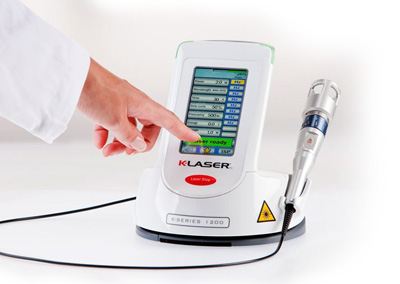
Class IV K-Laser ~ Laser Therapy or “photobiomodulation”, is the use of specific wavelengths of light (red and near-infrared) to create therapeutic effects. During each painless treatment laser energy increases circulation, drawing water, oxygen and nutrients to the damaged area.  This creates an optimal healing environment that reduces inflammation, swelling muscle spasms, stiffness and pain.  As the injured area returns to normal, function is restored and pain is relieved.

IMS ~ Trigger point dry needling, also referred to as intramuscular stimulation (IMS) and/or intramuscular therapy (IMT) is an invasive procedure in which an acupuncture needle is inserted into the skin and muscle. Intramuscular therapy has been very successful for patients with chronic low back pain and sciatica symptoms.

Physiotherapy | Trigger Point Therapy

Trigger point therapy involves applying pressure to the trigger points for a sustained period, followed by passive and active stretch and heat where indicated. The goal is to deactivate the trigger points and teach the patient how to prevent and manage recurrences. When these approaches are combined with mobilization and posture retraining techniques provided by a physiotherapist they provide a long-lasting and patient-managed way to reduce pain and improve function.

Myofascial pain often goes away with appropriate treatment and life style changes. Please contact our healthcare practitioners and discuss what treatment is right for you.

March 8, 2013/by Carmen Scott
https://www.diversifiedhealth.ca/wp-content/uploads/2026/01/DiversifiedHealth-logo.png 0 0 Carmen Scott https://www.diversifiedhealth.ca/wp-content/uploads/2026/01/DiversifiedHealth-logo.png Carmen Scott2013-03-08 09:44:122013-03-08 09:44:12What is Myofascial Pain Syndrome?
Chiropractic Care, Health Information, Massage Therapy, Physiotherapy

Class IV Laser Therapy Now Available at Diversified Health Clinic

Class IV Laser Therapy Now Available at Diversified Health ClinicWhat is Laser Therapy?

Laser Therapy or “photobiomodulation”, is the use of specific wavelengths of light (red and near-infrared) to create therapeutic effects.  These effects include improving healing time, pain reduction, increased circulation and decreased swelling.  Laser Therapy has been widely utilized in Europe by physical therapists, nurses and doctors as far back as the 1070’s.

Cellular Effects of Laser Therapy

During Laser Therapy the infrared laser light interacts with tissues at the cellular level and metabolic activity increases within the cell, improving the transport of nutrients across the cell membrane.  This initiates the production of cellular energy ( ATP) that leads to a cascade of beneficial effects, increasing cellular function and health.

Laser Therapeutic  Effects

During each painless treatment laser energy increases circulation, drawing water, oxygen and nutrients to the damaged area.  This creates an optimal healing environment that reduces inflammation, swelling muscle spasms, stiffness and pain.  As the injured area returns to normal, function is restored and pain is relieved.

Patient benefits of Laser Therapy

Laser Therapy is proven to bio-stimulate tissue repair and growth.  The Laser accelerates the healing process and decreases inflammation, pain and scar tissue formation.  In the management of chronic pain Class IV Laser Therapy can provide dramatic results , is non-addictive and virtually free of side effects.

Numerous studies show that Class IV Laser Therapy can help with:

Tendinopathies | Osteoarthritis | Carpal Tunnel Syndrome | Myofascial Trigger Points | Tennis Elbow | Fibromyalgia | Burns | Ligament Sprains | Diabetic Neuropathy | Muscle Strains | Repetitive Stress Injuries | Plantar Fasciitis | Sports Injuries | Shoulder, Back & Knee Pain | Post-Traumatic Injury

Can it be used in conjunction with other forms of treatment?

Yes, Laser therapy is often used with other forms of treatment, including physiotherapy, chiropractic, massage therapy, acupuncture and even following surgery.  Other healing modalities are complementary and can be used with laser to increase the effectiveness of the treatment.

Please contact our health care practitioners to find out how a Class IV Laser can help you feel better, faster. The K- Laser, Class IV  Laser Therapy is Drug free, surgery free and pain free!

February 22, 2013/1 Comment/by Diversified Health Clinic
https://www.diversifiedhealth.ca/wp-content/uploads/2026/01/DiversifiedHealth-logo.png 0 0 Diversified Health Clinic https://www.diversifiedhealth.ca/wp-content/uploads/2026/01/DiversifiedHealth-logo.png Diversified Health Clinic2013-02-22 07:12:582013-02-22 07:12:58Class IV Laser Therapy Now Available at Diversified Health Clinic
Acupuncture, Chiropractic Care, Massage Therapy

Living Without Chronic Pain

Living Without Chronic PainYour quality of life can be a constant struggle if you are dealing with chronic pain which can lasts for weeks, months, even years. Combining lifestyle changes with treatment will help manage your pain, and in many cases eliminate the pain all together.

Lifestyle Tips:

Deep breathing and meditation are techniques that help your body relax, which eases pain.

Listening to soothing music can lift your mood, reduce stress and make living with chronic pain more bearable.

Exercise will increase your endorphins, and these “brain chemicals” will help to improve your mood while also blocking pain signals. Exercise has another pain reducing effect — it strengthens muscles, helping prevent re-injury and further pain.

Pain makes sleep difficult, however, alcohol or prolong use of sleep aids can make sleep problems worse.  Try a warm bath or shower before bed.

Find a friend, family member or support group that understands what you’re going through; you’ll feel less alone.

Keep a journal of your daily “pain score” use a pain scale from 1 to 10. This will help you track your pain and will be very useful when consulting a practitioner.

Treatment Options:

Massage is a therapeutic method that involves muscle manipulation and pressure to promote deep tissue and muscle relaxation, improved blood flow, and the release of stress and tension.  Massage for chronic pain works by releasing trigger points, restoring normal movement and removing harmful toxins from the body.

Acupuncture is a therapeutic method that involves the whole body. Pain is a feeling triggered in the nervous system, and alerts us to injuries and illnesses that need attention.  Acupuncture can help reduce your pain and will release body toxins, stress and tension.

eToims is aimed at alleviating pain and dysfunction caused by muscle and nerve injury. It involves the use of an electric current to produce a twitch in the muscle that is strong enough to stimulate the deep fibers of a muscle.

The electric current produced by the eToims Technique penetrates deep enough at the trigger point to produce a strong contraction in the muscle. Basically “jump starting” the muscles to release, relax, and allow blood to follow to the muscles and nerve so that they can “breathe”.

Chronic pain is a vicious cycle that creates painful trigger points, and shortened muscles that lead to more pain.  Please speak with one of our health care practitioners to discuss what type of therapies will work for you.

February 12, 2013/by Carmen Scott
https://www.diversifiedhealth.ca/wp-content/uploads/2026/01/DiversifiedHealth-logo.png 0 0 Carmen Scott https://www.diversifiedhealth.ca/wp-content/uploads/2026/01/DiversifiedHealth-logo.png Carmen Scott2013-02-12 11:45:392013-02-12 11:45:39Living Without Chronic Pain
Acupuncture, Chiropractic Care, Massage Therapy, Physiotherapy

Diversified Health Explains Sprains & Strains

Diversified Health Explains Sprains & StrainsDiversified Health Clinic explains the difference between a sprain and a strain; which is one of the most frequently asked question regarding an injury.

Sprains:

A sprain is an injury to a ligament, the fibrous tissue that connects bones to other bone. Ligament injuries involve a stretching or a tearing of this tissue.

A sprain typically occurs when people fall and land on an outstretched arm,  land on the side of their foot, or twist a knee with the foot planted firmly on the ground. This results in an overstretch or tear of the ligament(s) supporting that joint.

The usual signs and symptoms of a muscle sprain include pain, swelling, bruising, and the loss of the ability to move and use the joint.

Strains:

A strain is an injury to either a muscle or a tendon which are the tissues that connects muscles to bones. Depending on the severity of the injury, a strain may be a simple overstretch of the muscle or it can result in a partial or complete tear.

A strain is caused by twisting or pulling a muscle or tendon. Strains can be acute or chronic. An acute strain is caused by trauma or an injury such as a blow to the body; it can also be caused by improperly lifting heavy objects which over stresses the muscles. Chronic strains are usually the result of prolonged overuse or repetitive movement of the muscles and tendons.

The usual signs and symptoms of a strain include pain, muscle spasm and muscle weakness. There can also be localized swelling, cramping, inflammation and some loss of muscle function.

Now that Diversified Health Clinic explains the difference between a sprain and a strain, remember to treat the injury as soon as possible with Rest, Ice, Compression and Elevation for the first 24 to 48 hours after the injury.

January 31, 2013/1 Comment/by Carmen Scott
0 0 Carmen Scott https://www.diversifiedhealth.ca/wp-content/uploads/2026/01/DiversifiedHealth-logo.png Carmen Scott2013-01-31 09:53:322013-01-31 09:53:32Diversified Health Explains Sprains & Strains
Acupuncture, Health Information, Massage Therapy

Diabetes – The Silent Killer

Diabetes - The Silent KillerDiabetes is a chronic condition that stems from the body’s inability to sufficiently produce/properly use insulin which the body needs to use sugar as an energy source. Diabetes can lead to serious complications and premature death.

Complications from diabetes can include; blindness, numb and tingling feet, poor circulation, slow-healing wounds, gangrene, amputation, heart disease and death.  However, in most cases diabetes can be controlled with an active lifestyle and a healthy diet.

Risk factors for diabetes:

If you are aged 40 or older, you are at risk for type 2 diabetes.  If any of the following risks factors apply to you, please talk with your health care practitioner.

  • A parent, brother or sister with diabetes
  • Health complications that are associated with diabetes
  • Had gestational diabetes (diabetes during pregnancy)
  • Impaired glucose tolerance or impaired fasting glucose
  • High blood pressure/High cholesterol or other fats in the blood
  • Being overweight

Symptoms for diabetes:

Signs and symptoms of diabetes can include the following:

  • Unusual thirst
  • Frequent urination
  • Weight change (gain or loss)
  • Extreme fatigue or lack of energy
  • Blurred vision
  • Frequent or recurring infections
  • Cuts and bruises that are slow to heal
  • Tingling or numbness in the hands or feet

It is important to recognize, however, that many people who have type 2 diabetes may display no symptoms.

How is diabetes treated?

People with diabetes need to make a lifelong commitment to their health, which includes the following:

  • Education: Be informed about your condition.
  • Physical Activity: Regular physical activity lowers your blood glucose levels, promotes weight loss, and enhances overall health.
  • Nutrition: What, when and how much you eat play an important role in regulating blood glucose levels as well as maintaining a healthy weight.
  • Medication: Type 1 diabetes is always treated with insulin. Type 2 diabetes is managed through physical activity and meal planning.
  • Lifestyle: Learning to reduce your daily stress level, including maintaining a blood pressure level at or below 130/80.

If you are living with diabetes, become a fact finder! Knowing as much as possible is your best defence against diabetes. Find out how your body uses food and what role insulin plays in this process and build a team of experts with your health care practitioners to help you win the fight!

January 29, 2013/1 Comment/by Carmen Scott
https://www.diversifiedhealth.ca/wp-content/uploads/2026/01/DiversifiedHealth-logo.png 0 0 Carmen Scott https://www.diversifiedhealth.ca/wp-content/uploads/2026/01/DiversifiedHealth-logo.png Carmen Scott2013-01-29 08:49:042013-01-29 08:49:04Diabetes – The Silent Killer
Page 5 of 7«‹34567›»

Search our Blog

Search Search

Topics of Interest

Acupuncture Back Pain Chronic Back Pain Chronic Pain Custom Orthotics Diversified Health Clinic Victoria BC Dry Needling eToims exercise fitness Foot pain GoodLife Fitness Victoria Marathon Headaches Health Care Victoria Health Tips Healthy lifestyle Immune System IMS Inflammation Joint Pain Knee Injuries Low Back Pain Marathons Migraines natural health practitioner orthotics Pain management Pain Relief Physiotherapy physiotherapy victoria bc Plantar fasciitis Registered Massage Therapist Registered Massage Therapy Runner's knee Running Seasonal Allergies Skin Cancer Spinal Decompression Sports Injuries Stress Stretches Sunscreen Victoria therapeutic massage Vitamins walking

Categories

  • Acupuncture
  • Athletic Therapy
  • Careers
  • Chiropractic Care
  • Events
  • Exercise Library
  • Fitness
  • Guest Bloggers/Articles
  • Health Information
  • Massage Therapy
  • News
  • Orthotics
  • Physiotherapy
  • Practitioners in Focus
  • Uncategorized
  • Victoria Healthcare News
  • Video Library

Archive

News & Events

  • How to Heal Your Pelvic Floor After Giving Birth | Pelvic Floor Physiotherapy Guide July 30, 2026
  • About Matthew Bryan, DC November 7, 2025
  • The Benefits of Shockwave Therapy Treatments February 28, 2023
  • Piriformis Syndrome: A Real Pain in the Butt January 31, 2023
  • Searching for a Personal Trainer in Victoria to Help You Achieve Your Goals? December 31, 2022
  • Are Winter Blues + Holiday Stress Making You Feel Grinchy?  November 28, 2022
  • Fact or Fiction? Is Joint Pain Worse in Cold Weather? October 28, 2022

patients choice winner

A Victoria, BC Chiropractor winner of the Patients’ Choice Awards.Verified by Opencare.com

Diversified Health Clinic

The Mosaic Building
1063 Fort St, Victoria, BC
V8V 3K5, Canada
250-382-0018
Monday7 a.m. – 7 p.m.
Tuesday7 a.m. – 7 p.m.
Wednesday7 a.m. – 7 p.m.
Thursday7 a.m. – 7 p.m.
Friday7 a.m. – 7 p.m.
Saturday9 a.m. – 4 p.m.
SundayBy Appointment
© Copyright - Diversified Health Clinic. Website by Victoria's iDreamDigital.
  • Link to Facebook
  • Link to Instagram
  • Link to X
  • Link to Youtube
  • Link to Rss this site
  • Link to Mail
Scroll to top Scroll to top Scroll to top

Would you like to learn more about our COVID-19 Protocols?

Our ProtocolsDismiss

Cookie and Privacy Settings


How we use cookies

We may request cookies to be set on your device. We use cookies to let us know when you visit our websites, how you interact with us, to enrich your user experience, and to customize your relationship with our website.

Click on the different category headings to find out more. You can also change some of your preferences. Note that blocking some types of cookies may impact your experience on our websites and the services we are able to offer.

Essential Website Cookies

These cookies are strictly necessary to provide you with services available through our website and to use some of its features.

Because these cookies are strictly necessary to deliver the website, refusing them will have impact how our site functions. You always can block or delete cookies by changing your browser settings and force blocking all cookies on this website. But this will always prompt you to accept/refuse cookies when revisiting our site.

We fully respect if you want to refuse cookies but to avoid asking you again and again kindly allow us to store a cookie for that. You are free to opt out any time or opt in for other cookies to get a better experience. If you refuse cookies we will remove all set cookies in our domain.

We provide you with a list of stored cookies on your computer in our domain so you can check what we stored. Due to security reasons we are not able to show or modify cookies from other domains. You can check these in your browser security settings.

Google Analytics Cookies

These cookies collect information that is used either in aggregate form to help us understand how our website is being used or how effective our marketing campaigns are, or to help us customize our website and application for you in order to enhance your experience.

If you do not want that we track your visit to our site you can disable tracking in your browser here:

Other external services

We also use different external services like Google Webfonts, Google Maps, and external Video providers. Since these providers may collect personal data like your IP address we allow you to block them here. Please be aware that this might heavily reduce the functionality and appearance of our site. Changes will take effect once you reload the page.

Google Webfont Settings:

Google Map Settings:

Google reCaptcha Settings:

Vimeo and Youtube video embeds:

Other cookies

The following cookies are also needed - You can choose if you want to allow them:

Privacy Policy

You can read about our cookies and privacy settings in detail on our Privacy Policy Page.

Privacy Policy
Accept settingsHide notification only