Injury Recovery in Greater Victoria, BC - Call us to book an appointment: (250) 382-0018
Diversified Health Clinic
  • Welcome
  • Meet our Team
    • Chiropractic
      • Dr. Matthew Bryan DC
      • Dr. Tessa Bryan DC
      • Dr. Krisjan Gustavson DC
      • Dr. Alexia Grelson DC
    • Physiotherapy
      • Spirit Donahue MPT
      • Kanu Priya MPT
      • Ivy Elling-Quaintance MPT
    • Registered Massage Therapy
      • Morag Hart RMT
      • Craig Lawrence RMT
      • McKenzie Connell RMT
      • Braedan Pearce RMT
    • Acupuncture
      • Annie Wang R.Ac R.TCM.P
      • Lauren Ching R.Ac
      • Rebecca Thompson R.Ac R.TCM.P
      • Jun Liu R.Ac
    • Kinesiology / Personal Training
      • Angelina Schaaf BCAK
      • Christian Schwarz BCAK
    • Medical Doctor
      • Dr. Ian Hyams MD
      • Jennifer Blum, EMSELLA
    • Clinical Counsellor
      • Laura Grohovac CCC
    • .
  • About
    • Our Clinic
    • Careers
  • Disciplines
    • Disciplines
      • Chiropractic
      • Physiotherapy
      • Registered Massage Therapy
      • Kinesiology
      • Acupuncture
      • Clinical Counselling
      • Medical Doctor
      • Personal Training
    • Treatments
      • Shockwave Therapy
      • Spinal Decompression
      • IMS (Intramuscular Stimulation)
      • Pelvic Floor Physiotherapy
      • EMSELLA
      • Class IV K Laser Therapy
      • Orthotics
      • eToims Needle-less IMS
  • Conditions
    • Plantar Fasciitis
    • Running Injuries
    • Allergies
    • Concussion Treatment
    • Bursitis
    • Tennis Elbow
    • TMJ Disorder
    • Automobile Collisions
    • Nerve Pain with Sciatica
    • Sport Injuries
    • Stress
    • Runner’s Knee
    • Vertigo & Vestibular Rehab
    • Concussions
  • Pricing
  • News & Events
    • News
    • Events
    • Practitioners In Focus
    • Exercise Library
  • Contact
  • ICBC Claims
  • Book Now!
  • News
  • Menu Menu
  • Link to Facebook
  • Link to Instagram
  • Link to X
  • Link to Youtube
  • Link to Rss this site
  • Link to Mail
  • Welcome
  • About
    • Meet our Team
    • Our Clinic
    • Careers
  • Disciplines
  • Conditions
  • Pricing
  • News
    • News & Advice
    • Practitioners In Focus
  • Contact
  • ICBC Claims
  • Book Now!
Acupuncture, Chiropractic Care, Massage Therapy, Physiotherapy

Diversified Health Explains Sprains & Strains

Diversified Health Explains Sprains & StrainsDiversified Health Clinic explains the difference between a sprain and a strain; which is one of the most frequently asked question regarding an injury.

Sprains:

A sprain is an injury to a ligament, the fibrous tissue that connects bones to other bone. Ligament injuries involve a stretching or a tearing of this tissue.

A sprain typically occurs when people fall and land on an outstretched arm,  land on the side of their foot, or twist a knee with the foot planted firmly on the ground. This results in an overstretch or tear of the ligament(s) supporting that joint.

The usual signs and symptoms of a muscle sprain include pain, swelling, bruising, and the loss of the ability to move and use the joint.

Strains:

A strain is an injury to either a muscle or a tendon which are the tissues that connects muscles to bones. Depending on the severity of the injury, a strain may be a simple overstretch of the muscle or it can result in a partial or complete tear.

A strain is caused by twisting or pulling a muscle or tendon. Strains can be acute or chronic. An acute strain is caused by trauma or an injury such as a blow to the body; it can also be caused by improperly lifting heavy objects which over stresses the muscles. Chronic strains are usually the result of prolonged overuse or repetitive movement of the muscles and tendons.

The usual signs and symptoms of a strain include pain, muscle spasm and muscle weakness. There can also be localized swelling, cramping, inflammation and some loss of muscle function.

Now that Diversified Health Clinic explains the difference between a sprain and a strain, remember to treat the injury as soon as possible with Rest, Ice, Compression and Elevation for the first 24 to 48 hours after the injury.

January 31, 2013/1 Comment/by Carmen Scott
0 0 Carmen Scott https://www.diversifiedhealth.ca/wp-content/uploads/2026/01/DiversifiedHealth-logo.png Carmen Scott2013-01-31 09:53:322013-01-31 09:53:32Diversified Health Explains Sprains & Strains
Acupuncture, Health Information, Massage Therapy

Diabetes – The Silent Killer

Diabetes - The Silent KillerDiabetes is a chronic condition that stems from the body’s inability to sufficiently produce/properly use insulin which the body needs to use sugar as an energy source. Diabetes can lead to serious complications and premature death.

Complications from diabetes can include; blindness, numb and tingling feet, poor circulation, slow-healing wounds, gangrene, amputation, heart disease and death.  However, in most cases diabetes can be controlled with an active lifestyle and a healthy diet.

Risk factors for diabetes:

If you are aged 40 or older, you are at risk for type 2 diabetes.  If any of the following risks factors apply to you, please talk with your health care practitioner.

  • A parent, brother or sister with diabetes
  • Health complications that are associated with diabetes
  • Had gestational diabetes (diabetes during pregnancy)
  • Impaired glucose tolerance or impaired fasting glucose
  • High blood pressure/High cholesterol or other fats in the blood
  • Being overweight

Symptoms for diabetes:

Signs and symptoms of diabetes can include the following:

  • Unusual thirst
  • Frequent urination
  • Weight change (gain or loss)
  • Extreme fatigue or lack of energy
  • Blurred vision
  • Frequent or recurring infections
  • Cuts and bruises that are slow to heal
  • Tingling or numbness in the hands or feet

It is important to recognize, however, that many people who have type 2 diabetes may display no symptoms.

How is diabetes treated?

People with diabetes need to make a lifelong commitment to their health, which includes the following:

  • Education: Be informed about your condition.
  • Physical Activity: Regular physical activity lowers your blood glucose levels, promotes weight loss, and enhances overall health.
  • Nutrition: What, when and how much you eat play an important role in regulating blood glucose levels as well as maintaining a healthy weight.
  • Medication: Type 1 diabetes is always treated with insulin. Type 2 diabetes is managed through physical activity and meal planning.
  • Lifestyle: Learning to reduce your daily stress level, including maintaining a blood pressure level at or below 130/80.

If you are living with diabetes, become a fact finder! Knowing as much as possible is your best defence against diabetes. Find out how your body uses food and what role insulin plays in this process and build a team of experts with your health care practitioners to help you win the fight!

January 29, 2013/1 Comment/by Carmen Scott
https://www.diversifiedhealth.ca/wp-content/uploads/2026/01/DiversifiedHealth-logo.png 0 0 Carmen Scott https://www.diversifiedhealth.ca/wp-content/uploads/2026/01/DiversifiedHealth-logo.png Carmen Scott2013-01-29 08:49:042013-01-29 08:49:04Diabetes – The Silent Killer
Chiropractic Care, Health Information, Physiotherapy

Are you living with chronic pain? eToims can help

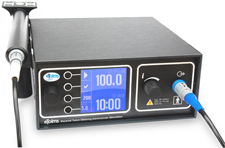
Are you living with chronic pain? eToims can helpVictoria’s Diversified Health Clinic is the first location on Vancouver Island to offer eToims, a new non-invasive treatment for pain and inflammation in the body’s soft and connective tissues.

When you irritate or damage a nerve, muscle fibers close around the nerve fibers like a fist. eToims uses an electrical pulse that uncurls the fist from the nerve fibers, thus relieving your muscle pain & restoring function, mobility & quality of life.

What is eToims and how does it work?

Using specialized medical equipment, eToims sends very brief but strong electrical pulses to the areas of irritated nerves. This stimulation causes the muscle to twitch, or contract, and then relax. This focused exercising of the muscle at numerous points throughout the muscle relieves the associated pain.

Traditionally this treatment has involved the use of acupuncture needles (Trigger Point Dry Needling, or IMS) to relieve pain. eToims is a non-invasive form of the same treatment – no needles are inserted into the skin – and is available nowhere else on Vancouver Island, and now Diversified Health offers both treatments.

eToims is great for sports injuries or the mysterious soft-tissue injuries from auto accidents that typically stump health practitioners. It is quick to diagnose and fast to heal, getting you active and back on your feet faster than conventional treatments.

What happens during a treatment session?

The current is conducted through moist pads placed on your skin. Muscles that produce the strongest contraction or twitch will be worked on first to start some flow through the nerve and stimulate blood flow in your body. The very tight muscles will be worked on next to try to get as much contraction as possible in these muscles. The more contraction elicited in the muscles, the more relaxed the muscles will become. As a result, there is less compression on the nerves, more blood flow, and more pain relief.

eToims will treat the following conditions

  • Muscle pain/myofascial pain
  • Musculoskeletal pain/discomfort
  • Frozen Shoulder
  • Carpal Tunnel Syndrome
  • Low back pain
  • Facet Syndrome
  • Piriformis Syndrome
  • Post surgical back pain
  • Tension headaches
  • Rotator cuff injuries
  • Tennis elbow
  • Shin Splints
  • Whiplash
  • Repetitive strain injuries
  • Sports injuries
  • Tendonitis
  • Degenerative disc
  • Bulging or herniated disc
  • Spinal Stenosis
  • Fibromyalgia

Please contact our health care practitioners for more information about the eToims Technique.

January 25, 2013/1 Comment/by Diversified Health Clinic
https://www.diversifiedhealth.ca/wp-content/uploads/2026/01/DiversifiedHealth-logo.png 0 0 Diversified Health Clinic https://www.diversifiedhealth.ca/wp-content/uploads/2026/01/DiversifiedHealth-logo.png Diversified Health Clinic2013-01-25 09:47:192013-01-25 09:47:19Are you living with chronic pain? eToims can help
Guest Bloggers/Articles

4 Steps to Developing Health Habits

4 Steps to Developing Health HabitsWritten By Douglas Robb
This study found that individuals who focused on behavior-changing strategies were much more successful than those people forced to endure their doctor’s cognitive approach to behavior change.

Instead of attempting to change their knowledge, beliefs and attitudes surrounding exercise and healthy eating, study participants were successful at increasing their physical activity levels by implementing 4 simple strategies:

Goal Setting

Setting SMART fitness goals involves 5 steps:

S – A specific fitness goal could be a walk each morning before breakfast.

M – For a goal to be measurable, you should define how far you are going to walk and how often you will perform the workout

A – To be achievable, you should start off with a task that you can achieve, knowing that the distance / intensity will increase as for fitness improves.

R – To be relevant, your goal should be in tune with your overall fitness goal – weight loss, improved blood pressure, etc.

T – To avoid ‘accidentally’ missing a workout, you should arrange a specific exercise appointment in your daily calendar.

Stimulus or Cues

Establish physical reminders to encourage yourself to exercise – Pack your gym bag and leave it by the front door every night, leave yourself notes encouraging yourself to work out, schedule your workout into your electronic schedule with an alarm, ask friends or family to call and remind you…really any reminder will help.

Self Monitoring

Keep a workout and/or food log book. It’s tough at first, but it pays off in the end.

Feedback

Reward yourself with a non-food based treat when you succeed. The rewards should become larger / more important to match the degree of fitness success.

Successfully completing today’s workout deserves a small treat, but not missing a workout for 3 months deserves a really big pat on the back.

Doug Robb is a personal trainer, a fitness blogger and author, a competitive athlete, and a student of nutrition and exercise science. Doug has expanded his impact by bringing his real-world experience online via his health & fitness blog, Health Habits. 

January 23, 2013/by Diversified Health Clinic
https://www.diversifiedhealth.ca/wp-content/uploads/2026/01/DiversifiedHealth-logo.png 0 0 Diversified Health Clinic https://www.diversifiedhealth.ca/wp-content/uploads/2026/01/DiversifiedHealth-logo.png Diversified Health Clinic2013-01-23 07:53:492013-01-23 07:53:494 Steps to Developing Health Habits
Health Information

What Sleep Condtion Do You Suffer From?

What Sleep Condtion Do You Suffer From? The College of Family Physicians of Canada reports that 65% of all adults suffer from lack of sleep.

For many of us the lack of a good night’s sleep is routine – more than 40 percent of adults experience daytime sleepiness severe enough to interfere with their daily activities at least a few days each month, and each of us have different issues and conditions that contribute to not getting a good night sleep.

The definition of sleep is: a natural periodic state of rest for the mind and body, in which the eyes usually close and consciousness is completely or partially lost, so that there is a decrease in bodily movement and responsiveness to external stimuli.

The next time you are having a discussion about how tired you are feeling, try to incorporate some of the “sleep vocabulary” in your next conversation about the lack of sleep.

Bruxism — grinding one’s teeth while asleep.

Circadian rhythm — the daily fluctuation of physiological or behavioral functions that include sleep-wakestates generally tied to the 24-hour daily dark-light cycle.

Hypopnea –  refers to shallow breathing, or a transient reduction of airflow that occurs while asleep and lasts for at least 10 seconds. It is less severe than apnea, which refers to a more complete loss of airflow.

Hypersomnia — sleeping for uncharacteristically long periods of time.

Hypersomnolence — excessive daytime sleepiness.

Insomnia – a common sleep problem characterized by: trouble falling asleep, waking frequently during the night, waking too early and can’t get back to sleep.

Melatonin — a hormone secreted by the pineal gland in the brain, produced at night, in darkness, and brings on the urge to sleep.

Microsleep  – a brief, fleeting episode of sleep that lasts from a fraction of a second up to 10 seconds. It frequently occurs in sleepy people who are trying to remain awake. These episodes are uncontrollable and can lead to accidents involving cars or heavy machinery.

Narcolepsy — a chronic neurological disorder that involves the body’s central nervous system. A major symptom of narcolepsy is excessive and overwhelming daytime sleepiness.

NREM — slow wave sleep that consists of sleep stages 1 through 4 and is characterized by a gradual decrease of mental activity, body temperature, heart rate and blood pressure. We spend about 75 percent of sleep time in NREM state.

Parasomnias — a wide range of disruptive sleep-related events characterized by full or partial arousal from sleep. They include sleep walking, sleep-related eating, night terrors and bruxism (teethgrinding).

Pavor nocturnus – an episodic emotional disturbance that occurs in sleep.  The episodes may include screaming, moaning, gasping, panic, and anxiety.

Periodic Limb Movement Disorder (PLMD) — periodic episodes of repetitive limb movements during sleep.

REM (Rapid Eye Movement) Sleep — the sleep state in which vivid dreaming occurs.

REM Sleep Behavior Disorder — characterized by the lack of muscle paralysis during REM sleep, during which the individual acts out the ongoing dream.

Retrognathia – a small or recessed jaw that may predispose to obstruction of the airway. This may lead to sleep apnea.

Restless Legs Syndrome (RLS) — a neurological movement disorder characterized by unpleasant tingling, crawling, creeping and/or pulling feelings in the legs causing an urge to move in order to relieve the symptoms and resulting in difficulty in falling and staying asleep.

Sleep apnea — a serious, potentially life threatening condition characterized by pauses in breathing during sleep. Sleep apnea may be associated with irregular heartbeat, high blood pressure, heart attack, and stroke.

Sleep deprivation — an insufficient amount of sleep or poor sleep due to difficulty sleeping, disruptions and/or a sleep disorder. Sleep deprivation can have a negative impact on a person’s mood, behavior and performance.

Somniloquy – the act or habit of talking in one’s sleep.

If you suffer from lack of sleep, don’t hesitate to speak to your health care practitioner; remember skimping on sleep can put your health in jeopardy.
January 21, 2013/by Carmen Scott
https://www.diversifiedhealth.ca/wp-content/uploads/2026/01/DiversifiedHealth-logo.png 0 0 Carmen Scott https://www.diversifiedhealth.ca/wp-content/uploads/2026/01/DiversifiedHealth-logo.png Carmen Scott2013-01-21 09:56:022013-01-21 09:56:02What Sleep Condtion Do You Suffer From?
Health Information

7 Steps To Better Sleep

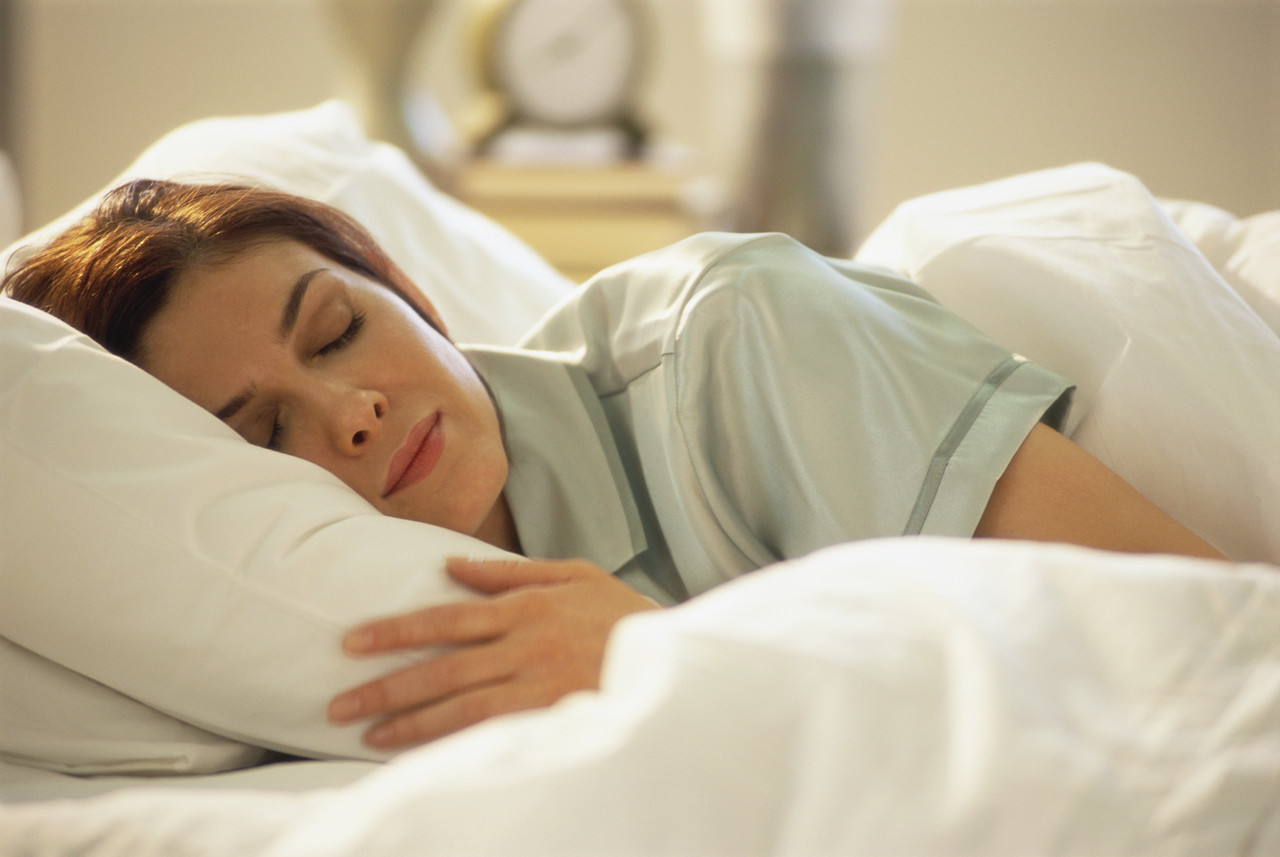
Woman SleepingThe College of Family Physicians of Canada reports that 30-40% of adults have some amount of sleeplessness in any given year. If you’re one of them or simply want to get more zzz’s without pills, read on.

Everybody needs sleep. That’s a fact. But when it comes to how much, everybody is different: Some wake up bright-eyed and bushy-tailed with a mere five hours; others need a full seven or eight — any less and they forget what the coffee maker looks like.

If you feel sleepy during the day, are more irritable or just can’t seem to function like your usual self, it could be a matter of needing more shuteye.

If you fall into the “sleep deprived” category, know that you are not alone. Statistics Canada estimates that 3.3 million Canadians over the age of 15 (that’s one in seven of us) report that they have problems falling asleep or staying asleep.

7 steps to better sleep

If you want to put an end to sleepless nights, these seven easy-to-follow tips can be just what you need.

  1. Stick to a schedule. That means going to bed and waking up at the same time every day — even on weekends. In time, you’ll “train” your body to follow a set cycle.
  2. Practice snooze control. If you need to nap during the day, limit it to 30 minutes and take it early enough in the day so that it doesn’t interfere with your nighttime sleep.
  3. Stick to a relaxing routine. Get into the habit of doing the same thing every night before going to bed to trigger your body for sleep. That could mean having chamomile tea, reading or taking a warm bath.
  4. Get comfort-wise. If you’re sleeping on an old lumpy mattress or pillows that have lost their shape, it may be time to invest in new ones. In some cases, you could just need a mattress topper so do some legwork before dishing out for a new mattress.
  5. Think air quality. Take steps to make your bedroom as cool or warm as you like. You may also need to buy a humidifier if the air is too dry, or a dehumidifier if you have the opposite problem. If you have known allergies (such as to dust or strong fragrances) then make sure those are in check.
  6. Limit light and noise. If necessary, invest in earplugs or a nighttime eye mask.
  7. Avoid stimulants before bed. Caffeine (coffee, tea, soda, chocolate), nicotine, alcohol, or too much food or drink could disrupt a good night’s sleep.

You’ll also be happy to know that leading a healthy lifestyle not only does your body good, it also helps you sleep better. So stick to an exercise routine that makes sense for you.

Know when to speak to your doctor

If you have ongoing sleep-related problems, then speak to your doctor. This is especially important if you’re thinking of trying over-the-counter medication or herbal remedies.

References

  • American Academy of Family Physicians, Insomnia: How to get a good night’s sleep
  • Canadian Psychological Association
  • College of Family Physicians of Canada
  • Mayo Clinic, 10 tips for better sleep:
  • Statistics Canada, The Daily, Wednesday, November 16, 2005, (Health Reports, 2002)

Article written by: morethanmedication.ca

January 9, 2013/by Diversified Health Clinic
0 0 Diversified Health Clinic https://www.diversifiedhealth.ca/wp-content/uploads/2026/01/DiversifiedHealth-logo.png Diversified Health Clinic2013-01-09 11:26:282013-01-09 11:26:287 Steps To Better Sleep
Health Information

Don’t Underestimate The Power of Sleep

Natural Health Practitioners Don't Underestimate The Power of Sleep The benefits of a good night’s sleep impacts every area of our daily life.  While it may be obvious that sleep is beneficial, most people don’t realize how much sleep they need and why it is so important.


The amount of sleep each person needs depends on many factors, including age. For most adults, 7 to 9 hours a night appears to be the best amount of sleep, although some people may need as few as 5 hours or as many as 10 hours of sleep each day.

Sleep is essential to our health, it affects our mental, physical, and emotional well-being.

When you are asleep, your body is…

Fighting disease| repairing your body

Your body produces protein molecules while you’re sleeping that helps strengthen your ability to fight infection. These molecules help your immune system mend your body at a cellular level when you are stressed or have been exposed to compromising elements such as pollutants and infectious bacteria.  Think about the last time you had the flu….. all you want to do is sleep… that’s your body repairing and fighting the virus.

Strengthening the Heart

Sleep helps to reduce the levels of stress and inflammation in your body. High levels of inflammatory are linked to heart disease, hypertension and strokes.

Reducing Stress

A good night’s sleep can help lower blood pressure

Repairing Memory and Cognitive abilities

When deprived of sleep, it becomes difficult to concentrate, hard to recall tasks, and impossible to find your keys! Research suggests that sleep helps learning and memory by consolidating the days memories and tasks, which is essential for learning new information.

Controlling your body weight

Sleep helps regulate the hormones that affect and control your appetite.

Helping in the fight against Diabetes

Researchers have shown that lack of sleep may lead to type 2 diabetes by affecting how your body processes glucose, which is the carbohydrate your cells use for fuel.

The benefits of sleep are extensive and can make a difference in your quality of life, as well as the length of your life. Therefore, sleep like diet and exercise, is important for our minds and bodies to function normally.  So, like our natural health practitioners don’t underestimate the power of sleep.

January 7, 2013/by Carmen Scott
https://www.diversifiedhealth.ca/wp-content/uploads/2026/01/DiversifiedHealth-logo.png 0 0 Carmen Scott https://www.diversifiedhealth.ca/wp-content/uploads/2026/01/DiversifiedHealth-logo.png Carmen Scott2013-01-07 11:18:382013-01-07 11:18:38Don’t Underestimate The Power of Sleep

Search our Blog

Search Search

Topics of Interest

Acupuncture Back Pain Chronic Back Pain Chronic Pain Custom Orthotics Diversified Health Clinic Victoria BC Dry Needling eToims exercise fitness Foot pain GoodLife Fitness Victoria Marathon Headaches Health Care Victoria Health Tips Healthy lifestyle Immune System IMS Inflammation Joint Pain Knee Injuries Low Back Pain Marathons Migraines natural health practitioner orthotics Pain management Pain Relief Physiotherapy physiotherapy victoria bc Plantar fasciitis Registered Massage Therapist Registered Massage Therapy Runner's knee Running Seasonal Allergies Skin Cancer Spinal Decompression Sports Injuries Stress Stretches Sunscreen Victoria therapeutic massage Vitamins walking

Categories

  • Acupuncture
  • Athletic Therapy
  • Careers
  • Chiropractic Care
  • Events
  • Exercise Library
  • Fitness
  • Guest Bloggers/Articles
  • Health Information
  • Massage Therapy
  • News
  • Orthotics
  • Physiotherapy
  • Practitioners in Focus
  • Uncategorized
  • Victoria Healthcare News
  • Video Library

Archive

News & Events

  • How to Heal Your Pelvic Floor After Giving Birth | Pelvic Floor Physiotherapy Guide July 30, 2026
  • About Matthew Bryan, DC November 7, 2025
  • The Benefits of Shockwave Therapy Treatments February 28, 2023
  • Piriformis Syndrome: A Real Pain in the Butt January 31, 2023
  • Searching for a Personal Trainer in Victoria to Help You Achieve Your Goals? December 31, 2022
  • Are Winter Blues + Holiday Stress Making You Feel Grinchy?  November 28, 2022
  • Fact or Fiction? Is Joint Pain Worse in Cold Weather? October 28, 2022

patients choice winner

A Victoria, BC Chiropractor winner of the Patients’ Choice Awards.Verified by Opencare.com

Diversified Health Clinic

The Mosaic Building
1063 Fort St, Victoria, BC
V8V 3K5, Canada
250-382-0018
Monday7 a.m. – 7 p.m.
Tuesday7 a.m. – 7 p.m.
Wednesday7 a.m. – 7 p.m.
Thursday7 a.m. – 7 p.m.
Friday7 a.m. – 7 p.m.
Saturday9 a.m. – 4 p.m.
SundayBy Appointment
© Copyright - Diversified Health Clinic. Website by Victoria's iDreamDigital.
  • Link to Facebook
  • Link to Instagram
  • Link to X
  • Link to Youtube
  • Link to Rss this site
  • Link to Mail
Scroll to top Scroll to top Scroll to top

Would you like to learn more about our COVID-19 Protocols?

Our ProtocolsDismiss

Cookie and Privacy Settings


How we use cookies

We may request cookies to be set on your device. We use cookies to let us know when you visit our websites, how you interact with us, to enrich your user experience, and to customize your relationship with our website.

Click on the different category headings to find out more. You can also change some of your preferences. Note that blocking some types of cookies may impact your experience on our websites and the services we are able to offer.

Essential Website Cookies

These cookies are strictly necessary to provide you with services available through our website and to use some of its features.

Because these cookies are strictly necessary to deliver the website, refusing them will have impact how our site functions. You always can block or delete cookies by changing your browser settings and force blocking all cookies on this website. But this will always prompt you to accept/refuse cookies when revisiting our site.

We fully respect if you want to refuse cookies but to avoid asking you again and again kindly allow us to store a cookie for that. You are free to opt out any time or opt in for other cookies to get a better experience. If you refuse cookies we will remove all set cookies in our domain.

We provide you with a list of stored cookies on your computer in our domain so you can check what we stored. Due to security reasons we are not able to show or modify cookies from other domains. You can check these in your browser security settings.

Google Analytics Cookies

These cookies collect information that is used either in aggregate form to help us understand how our website is being used or how effective our marketing campaigns are, or to help us customize our website and application for you in order to enhance your experience.

If you do not want that we track your visit to our site you can disable tracking in your browser here:

Other external services

We also use different external services like Google Webfonts, Google Maps, and external Video providers. Since these providers may collect personal data like your IP address we allow you to block them here. Please be aware that this might heavily reduce the functionality and appearance of our site. Changes will take effect once you reload the page.

Google Webfont Settings:

Google Map Settings:

Google reCaptcha Settings:

Vimeo and Youtube video embeds:

Other cookies

The following cookies are also needed - You can choose if you want to allow them:

Privacy Policy

You can read about our cookies and privacy settings in detail on our Privacy Policy Page.

Privacy Policy
Accept settingsHide notification only