Injury Recovery in Greater Victoria, BC - Call us to book an appointment: (250) 382-0018
Diversified Health Clinic
  • Welcome
  • About
    • Meet our Team
      • Dr. Matthew Bryan DC
      • Dr. Tessa Bryan DC
      • Dr. Krisjan Gustavson DC
      • Dr. Alexia Grelson DC
      • Dr. Ian Hyams MD
      • Kanu Priya, (MPT)
      • Spirit Donahue MPT
      • Morag Hart RMT
      • Craig Lawrence RMT
      • McKenzie Connell RMT
      • Braedan Pearce RMT
      • Angelina Schaaf BCAK
      • Christian Schwarz BCAK
      • Annie Wang R.Ac, R.TCM.P
      • Rebecca Thompson, R.Ac, R.TCM.P
      • Lauren Ching R.Ac
      • Laura Grohovac CCC
    • Our Clinic
    • Careers
  • Disciplines
    • Disciplines
      • Chiropractic
      • Physiotherapy
      • Registered Massage Therapy
      • Kinesiology
      • Acupuncture
      • Clinical Counselling
      • Personal Training
    • Treatments
      • Spinal Decompression
      • Shockwave
      • Class IV K Laser
      • eToims Needle-less IMS
      • Orthotics
      • Pelvic Floor Physiotherapy
  • Conditions
    • Plantar Fasciitis
    • Running Injuries
    • Allergies
    • Concussion Treatment
    • Bursitis
    • Tennis Elbow
    • TMJ Disorder
    • Automobile Collisions
    • Nerve Pain with Sciatica
    • Sport Injuries
    • Stress
    • Runner’s Knee
    • Vertigo & Vestibular Rehab
    • Concussions
  • Pricing
  • News & Events
    • News
    • Events
    • Practitioners In Focus
    • Exercise Library
  • Contact
  • ICBC Claims
  • Book Now!
  • News
  • Menu Menu
  • Link to Facebook
  • Link to Instagram
  • Link to X
  • Link to Youtube
  • Link to Rss this site
  • Link to Mail
  • Welcome
  • About
    • Meet our Team
    • Our Clinic
    • Careers
  • Disciplines
  • Conditions
  • Pricing
  • News
    • News & Advice
    • Practitioners In Focus
  • Contact
  • ICBC Claims
  • Book Now!
Chiropractic Care, Physiotherapy

Should I Get That Looked At?

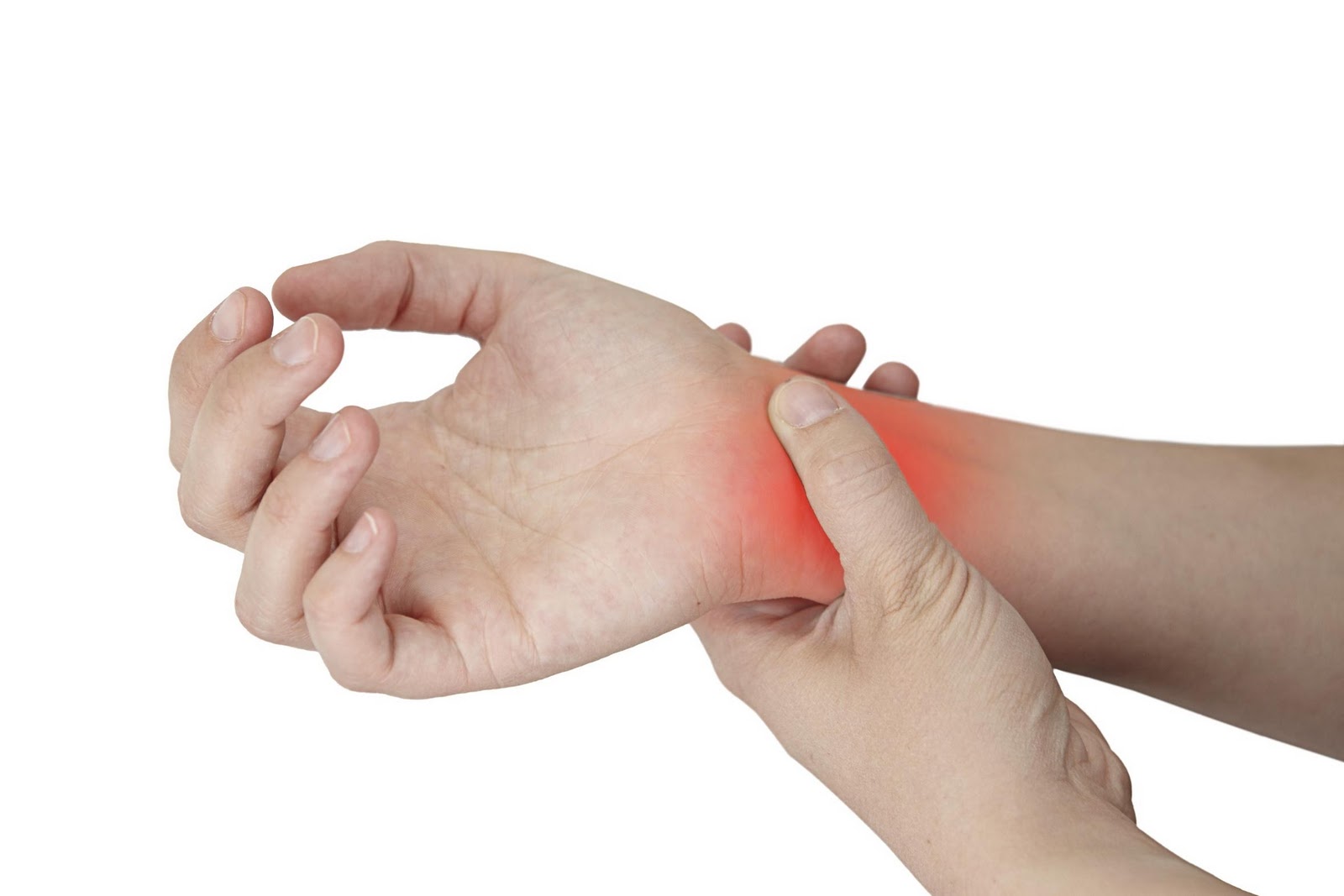
wrist-pain1If you sprain your wrist or ankle, should you get it looked at?  Yes…the usual signs and symptoms of a muscle sprain or strain includes pain, swelling, bruising, inflammation, muscle weakness and the loss of the ability to move the joint/muscle.

A sprain is an injury to a ligament; that’s the fibrous tissue that connects bones to other bones. Ligament injuries involve a stretching or a tearing of the fibrous tissue.

A strain is an injury to either a muscle or a tendon which are the tissues that connect the muscles to the bones. Depending on the severity, a strain can be a simple overstretched muscle or can result in a tear of the muscles or tendon.

For the first 24 to 48 hours after a sprain or muscle strain you should:

• Rest the sprained or strained area..
• Ice for 20 minutes every hour. (Never put ice directly against the skin)
• Compress by wrapping a tensor bandage or sleeve lightly around the joint or limb
• Elevate the area above heart level

For the first 72 hours after a sprain or muscle strain you should avoid:

• Heat – such as hot baths, saunas or heat packs
• Alcohol – this will increase bleeding and swelling and decrease healing
• Running – any form of exercise that could cause more damage
• Massage – may increase bleeding and swelling

If your injury is a sprain, don’t stop moving the affected joint, and make sure to begin gentle exercises as soon as possible several times a day. The aim is to get the joint moving, and to prevent it becoming stiff.

If your injury is a strain, it’s best to immobilize the injured muscle for the first few days to allow it to start healing so you can move it without injuring it again in the same place.

Chronic strains and sprains are usually the result of prolonged overuse or repetitive movement of the muscles and tendons and the length of time it takes to recover from a sprain or strain depends on how severe it is.

Always have your health care practitioner examine your injury. The  healing time can range anywhere from 2 weeks to 6 months, and your Chiropractor or Physiotherapist can diagnosis your injury and can advise you on the correct treatment, including creating a range of exercises and therapies that will help you to improve the function and strength of the joints and muscles, and help speed up the recovery time.

May 22, 2014/by Carmen Scott
0 0 Carmen Scott https://www.diversifiedhealth.ca/wp-content/uploads/2026/01/DiversifiedHealth-logo.png Carmen Scott2014-05-22 13:19:202014-05-22 13:19:20Should I Get That Looked At?
Guest Bloggers/Articles

Caring For Your Feet When You Have Diabetes

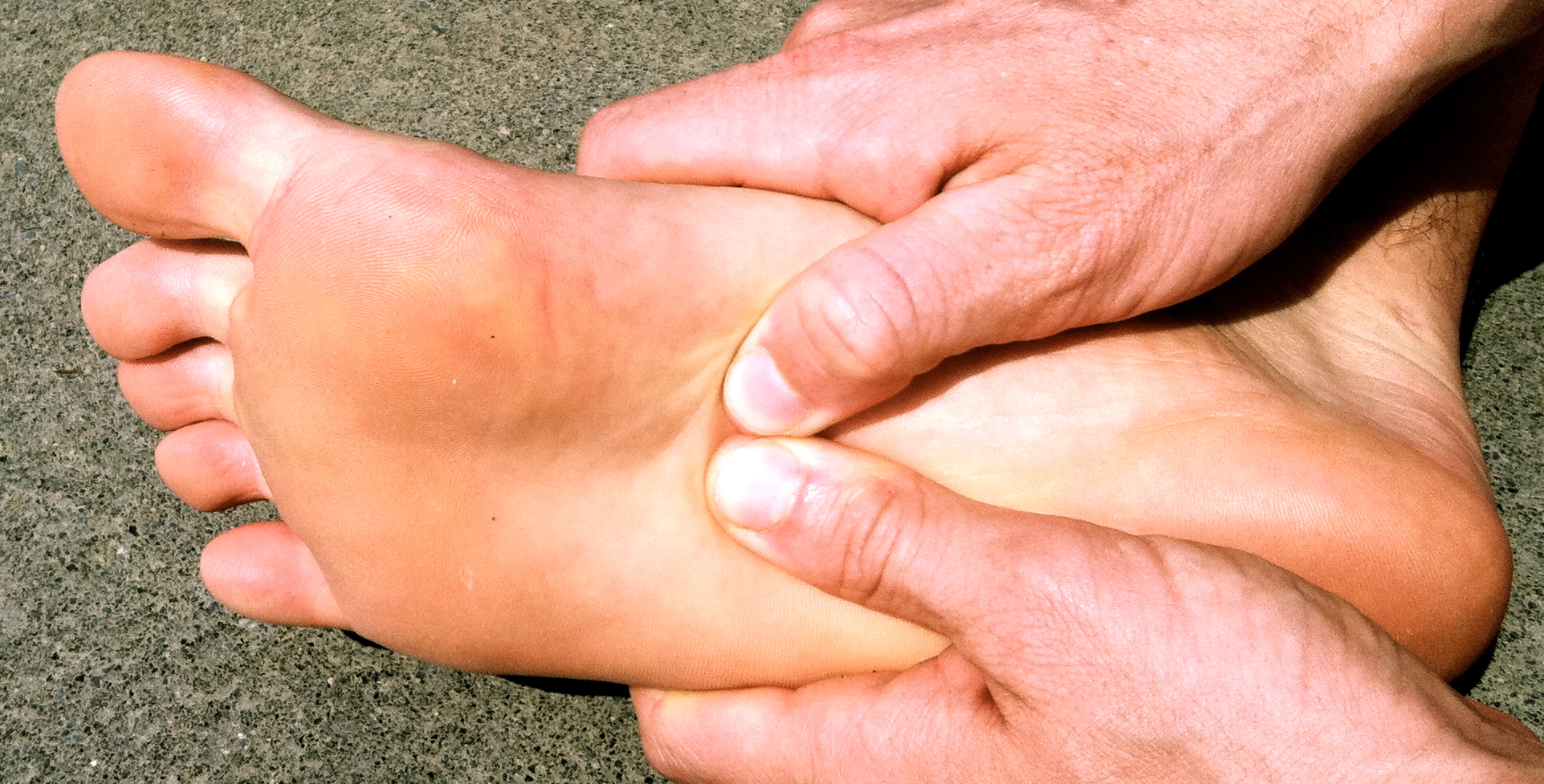
Plantar-FasciitisArticle written by medbroadcast.com

People with diabetes need to get to know their feet like – well, like the back of their hand. That’s because the high blood glucose levels common in diabetes can lead to two types of damage that spell trouble for the feet:

• blood vessel damage: Blood vessel damage can reduce blood flow to the feet, which can make the feet more vulnerable to ulcers and infection and make wounds slower to heal.
• nerve damage: The nerves that carry messages from the feet to the brain can be compromised by too much glucose in the blood.

This nerve damage is called neuropathy. When that circuit is interrupted by nerve damage, your feet might have a burning, numbing, or tingling sensation, or you might not be able to sense pain. That sounds like a good thing until you realize that feeling pain is what signals you that problems are afoot.

So say you wear new shoes, and they rub a blister onto your heel. With nerve damage, you might never know that the blister is there at all. And a simple blister that goes undetected can grow into a deep sore, known as an ulcer. An ulcer that becomes infected is a serious condition. Add reduced blood circulation to the mix, and the healing process slows down. To compound the problem, glucose-rich blood provides plenty of food for germs, making infection even harder to fight off.

Left undetected or untreated, ulcers and other foot injuries can affect mobility, changing a person’s weight distribution on their feet and boosting their risk of blisters and calluses. Infections can even advance to the point of gangrene. In fact, people with diabetes are at an elevated risk of foot or leg amputation compared to people without diabetes. Amputation is needed to prevent gangrene from spreading to other parts of the body.

Take steps to better foot care – Foot care actually starts far from your feet. Undoubtedly, the first and best strategy for healthy, happy feet is to manage your blood glucose levels. Keep your levels on target as often as possible, and you will minimize and even prevent the damage to your nerves and to your blood vessels. And smokers with diabetes, be advised: smoking decreases blood flow to your feet and can increase the risk of amputation.

Beyond blood sugar management and stopping smoking, there are several things you can do directly to manage your feet:
Go on a daily feet-scanning mission. Just like brushing your teeth or washing your face, checking your feet should be a part of your everyday routine.

• Check all sides of your feet – tops, bottoms, the toes, in between the toes, on the heels. You’re searching for any sign of potential trouble: ingrown toenails, cuts, cracking or dry skin, calluses, blisters, sores, corns, or warts.
• Changes in skin temperature could also signal developing sores.
• You can do your scan in the bath or shower, in bed, wherever it’s easiest for you to see your feet well.
• For those with mobility issues or who cannot reach their feet, you can ask a friend or family member to help out. Some people use mirrors to get a better view of the bottoms of their feet. Mirrored weigh scales are also available.
• If you notice any changes or troubling marks, consult your physician, primary health care provider, or foot specialist. Do not attempt to self-treat injuries or infections – even something as seemingly minor as an ingrown toenail.

Treat your feet with TLC
When you have diabetes, keeping your feet clean is crucial. But the simple act of washing your feet becomes a little more involved.
• Wash your feet daily in warm water using a mild soap. This means wash – not soak. Soaking can dry the skin. And warm water – not hot or cold. Nerve damage may make it hard to tell how hot or cold the water is, so test the temperature with your hand.
• Dry your feet well. Be gentle. Use a soft towel to pat dry and don’t forget between your toes. Avoid scrubbing or rubbing the skin too briskly.
• Moisturize your feet – your heels/soles – in the morning and at bedtime. Dry skin can crack and leave you susceptible to infection. Excess moisture also welcomes germs, so don’t use too much lotion, and never apply it between the toes. Shake on unmedicated powder to minimize sweating.
• After a shower, your nails are softer, so that’s the perfect time to tidy up your toenails. Trim nails straight across and not too short to prevent in-growns. If your nails have grown too thick (e.g. due to fungal infection), have someone help you.

Keep them covered
Something as straightforward as putting on your shoes and socks presents potential problems.
• Before slipping your feet into your shoes, look into each shoe and use your hand to feel around inside. You never know when a stray pebble, thumbtack, or paperclip could be awaiting your foot.
• Buying new shoes? Since feet swell through the day, it’s best to shop for shoes late in the afternoon.
• Choose shoes that fit properly, that don’t rub blisters, that provide cushioning, and that encourage even distribution of weight across the foot. Flip-flops, sandals, or peep-toe, pointy-toed, high-heeled, or worn-out shoes are not recommended.
• With any new pair of shoes, allow time to break them in. During the first few weeks, wear them for only 1 to 2 hours at a time.
• Socks rock. Always wear socks or stockings to keep feet from sweating too much or rubbing blisters. Switch your socks daily, and opt for looser-fitting ones that are not tight around the ankles.
• During colder weather, wear loosely-fitted wool socks to protect your feet from moisture and frostbite.
• Never go barefoot! Wear slippers or shoes at all times when you will be walking around, even indoors.
• Put your feet up when sitting. Don’t cross your legs for long periods of time.

Have your health care provider perform periodic foot check-ups:
Most physicians/health care providers know that foot care is a priority for people with diabetes, but you can advocate for your own two feet, too.
• Remove your shoes/socks when you’re waiting for your health care provider. This way, neither of you can forget about your feet.
• Don’t be foot-shy. If you have a question or concern, speak up.

May 12, 2014/2 Comments/by Carmen Scott
0 0 Carmen Scott https://www.diversifiedhealth.ca/wp-content/uploads/2026/01/DiversifiedHealth-logo.png Carmen Scott2014-05-12 09:02:532014-05-12 09:02:53Caring For Your Feet When You Have Diabetes

Search our Blog

Search Search

Topics of Interest

Acupuncture Back Pain Chronic Back Pain Chronic Pain Custom Orthotics Diversified Health Clinic Victoria BC Dry Needling eToims exercise fitness Foot pain GoodLife Fitness Victoria Marathon Headaches Health Care Victoria Health Tips Healthy lifestyle Immune System IMS Inflammation Joint Pain Knee Injuries Low Back Pain Marathons Migraines natural health practitioner orthotics Pain management Pain Relief Physiotherapy physiotherapy victoria bc Plantar fasciitis Registered Massage Therapist Registered Massage Therapy Runner's knee Running Seasonal Allergies Skin Cancer Spinal Decompression Sports Injuries Stress Stretches Sunscreen Victoria therapeutic massage Vitamins walking

Categories

  • Acupuncture
  • Athletic Therapy
  • Careers
  • Chiropractic Care
  • Events
  • Exercise Library
  • Fitness
  • Guest Bloggers/Articles
  • Health Information
  • Massage Therapy
  • News
  • Orthotics
  • Physiotherapy
  • Practitioners in Focus
  • Uncategorized
  • Victoria Healthcare News
  • Video Library

Archive

News & Events

  • About Matthew Bryan, DC November 7, 2025
  • The Benefits of Shockwave Therapy Treatments February 28, 2023
  • Piriformis Syndrome: A Real Pain in the Butt January 31, 2023
  • Searching for a Personal Trainer in Victoria to Help You Achieve Your Goals? December 31, 2022
  • Are Winter Blues + Holiday Stress Making You Feel Grinchy?  November 28, 2022
  • Fact or Fiction? Is Joint Pain Worse in Cold Weather? October 28, 2022
  • Pelvic Health During Pregnancy and Postpartum Workshop September 26, 2022

patients choice winner

A Victoria, BC Chiropractor winner of the Patients’ Choice Awards.Verified by Opencare.com

Diversified Health Clinic

The Mosaic Building
1063 Fort St, Victoria, BC
V8V 3K5, Canada
250-382-0018
Monday7 a.m. – 7 p.m.
Tuesday7 a.m. – 7 p.m.
Wednesday7 a.m. – 7 p.m.
Thursday7 a.m. – 7 p.m.
Friday7 a.m. – 7 p.m.
Saturday9 a.m. – 4 p.m.
SundayBy Appointment
© Copyright - Diversified Health Clinic. Website by Victoria's iDreamDigital.
  • Link to Facebook
  • Link to Instagram
  • Link to X
  • Link to Youtube
  • Link to Rss this site
  • Link to Mail
Scroll to top Scroll to top Scroll to top

Would you like to learn more about our COVID-19 Protocols?

Our ProtocolsDismiss

Cookie and Privacy Settings


How we use cookies

We may request cookies to be set on your device. We use cookies to let us know when you visit our websites, how you interact with us, to enrich your user experience, and to customize your relationship with our website.

Click on the different category headings to find out more. You can also change some of your preferences. Note that blocking some types of cookies may impact your experience on our websites and the services we are able to offer.

Essential Website Cookies

These cookies are strictly necessary to provide you with services available through our website and to use some of its features.

Because these cookies are strictly necessary to deliver the website, refusing them will have impact how our site functions. You always can block or delete cookies by changing your browser settings and force blocking all cookies on this website. But this will always prompt you to accept/refuse cookies when revisiting our site.

We fully respect if you want to refuse cookies but to avoid asking you again and again kindly allow us to store a cookie for that. You are free to opt out any time or opt in for other cookies to get a better experience. If you refuse cookies we will remove all set cookies in our domain.

We provide you with a list of stored cookies on your computer in our domain so you can check what we stored. Due to security reasons we are not able to show or modify cookies from other domains. You can check these in your browser security settings.

Google Analytics Cookies

These cookies collect information that is used either in aggregate form to help us understand how our website is being used or how effective our marketing campaigns are, or to help us customize our website and application for you in order to enhance your experience.

If you do not want that we track your visit to our site you can disable tracking in your browser here:

Other external services

We also use different external services like Google Webfonts, Google Maps, and external Video providers. Since these providers may collect personal data like your IP address we allow you to block them here. Please be aware that this might heavily reduce the functionality and appearance of our site. Changes will take effect once you reload the page.

Google Webfont Settings:

Google Map Settings:

Google reCaptcha Settings:

Vimeo and Youtube video embeds:

Other cookies

The following cookies are also needed - You can choose if you want to allow them:

Privacy Policy

You can read about our cookies and privacy settings in detail on our Privacy Policy Page.

Privacy Policy
Accept settingsHide notification only