
Pregnancy and childbirth place significant stress on the pelvic floor muscles. Whether you had a vaginal birth or a C-section, it’s common to experience pelvic floor symptoms during the weeks and months after delivery. While many women recover naturally, others continue to experience leakage, pelvic heaviness, pain, or core weakness that can improve with the right treatment.
In this guide, we’ll explain what symptoms to look out for, what to expect during recovery, when to seek help, and how pelvic floor physiotherapy can support your healing.
In This Article
- Signs Your Pelvic Floor May Need Extra Support
- What Can Slow Recovery?
- Week-by-Week Recovery Timeline
- Common Postpartum Pelvic Floor Conditions
- When to See a Pelvic Floor Physiotherapist
- How Pelvic Floor Physiotherapy Helps
- FAQs
Pregnancy and childbirth place significant stress on the pelvic floor muscles. Whether you had a vaginal birth or a C-section, it’s common to experience pelvic floor symptoms during the weeks and months after delivery. While many women recover naturally, others continue to experience leakage, pelvic heaviness, pain, or core weakness that can improve with the right treatment.
In this guide, we’ll explain what symptoms to look out for, what to expect during recovery, when to seek help, and how pelvic floor physiotherapy can support your healing.
In This Article
- Signs Your Pelvic Floor May Need Extra Support
- What Can Slow Recovery?
- Week-by-Week Recovery Timeline
- Common Postpartum Pelvic Floor Conditions
- When to See a Pelvic Floor Physiotherapist
- How Pelvic Floor Physiotherapy Helps
- FAQs
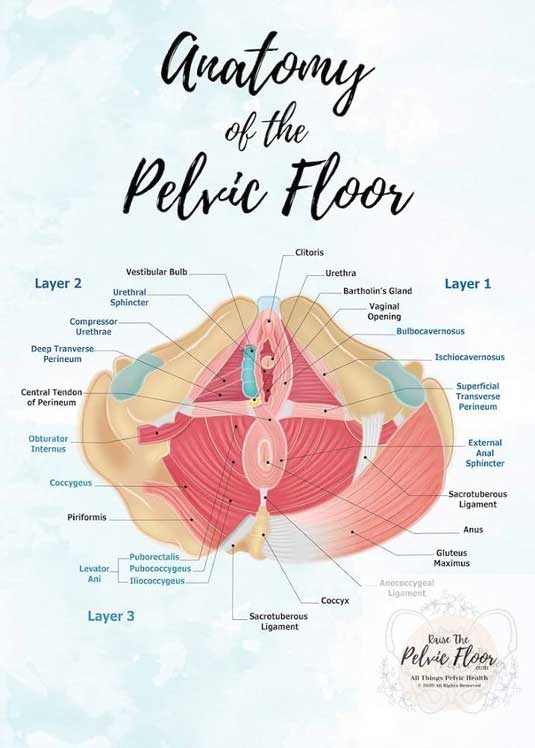
Signs Your Pelvic Floor May Need Extra Support
During pregnancy and childbirth, the pelvic floor muscles and surrounding tissues undergo significant stretching. Some women may also experience muscle or perineal tears, which can contribute to pelvic floor symptoms during recovery. Here are some symptoms to look out for if you believe you’ve damaged your pelvic floor muscles:
- Vaginal swelling
- Urinary or fecal incontinence
- A heavy feeling or visible bulge in the vagina
- Pelvic or vaginal pain or discomfort (can be especially prevalent during intercourse)
- Chronic constipation
- Pelvic muscle spasms or deep aches
What Can Make It Worse or Delay Healing?
- High impact activities such as running, jumping, or heavy weightlifting
- Certain core exercises like sit-ups or crunches
- Constipation or straining to have a bowel movement
- Having intercourse too early after birth
- Poor posture
Week By Week Recovery Timeline
It is always advised to speak to your OB-GYN or a Pelvic Floor Physiotherapist for advice on recovery timelines. Many pelvic floor physiotherapists will also have different modalities to help your recovery. Here is an approximated timeline of events:
Week 1: Rest and Healing
- Rest frequently
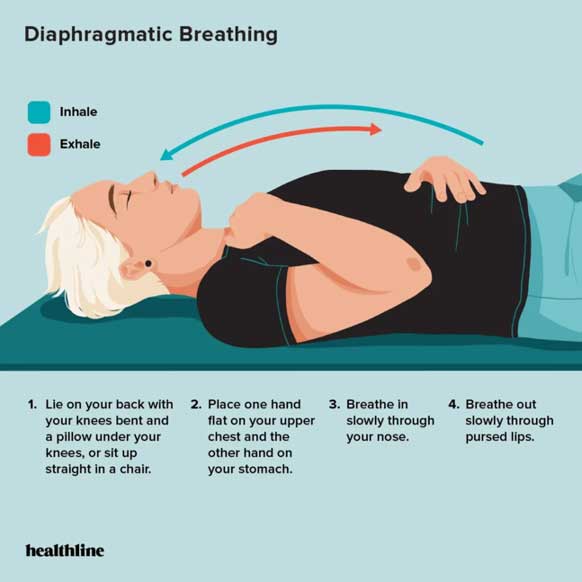
- Practice diaphragmatic breathing
- Avoid heavy lifting
- Gentle movement as tolerated
Try to lie down for 10-45 minutes at points throughout the day to take the pressure off your pelvic floor. You can try diaphragmatic breathing as a gentle core engaging exercise, or very gentle light Kegels. Remember to listen to your body if any movement or exercises feel achy or painful.
Weeks 2-6- Gradual Return to Activity
- Short walks
- Gentle core activation
- Follow your provider’s guidance
- Avoid high-impact exercise
Increase activity levels gradually, however, remember to avoid overexerting yourself. You are now able to hold kegels for a bit longer, or do extra repetitions, aiming for about 5-10 in a single session. Try to incorporate a short walk into your daily routine to gently activate your core and pelvic floor muscles. You can also wear compressive underwear during this time to take pressure off your pelvic floor.
Weeks 7-12: Gradually Building Strength & Endurance
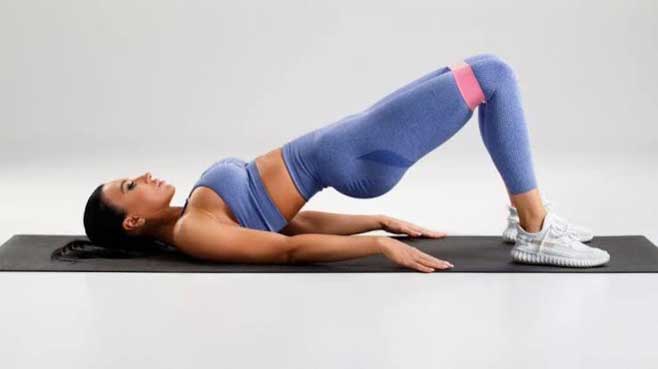
As your body continues to recover, you may be able to gradually increase your activity level, depending on your symptoms and guidance from your healthcare provider.
- Continue pelvic floor exercises if recommended by your pelvic floor physiotherapist.
- Begin gentle core strengthening exercises, such as glute bridges, bird-dogs, or modified dead bugs, as tolerated.
- Focus on good posture and breathing mechanics during daily activities and lifting.
- Gradually increase walking distance and other low-impact exercise if comfortable.
- Avoid high-impact activities if you’re experiencing pelvic heaviness, pain, or urinary leakage.
- Consider booking a pelvic floor physiotherapy assessment if you haven’t already, especially before returning to more strenuous exercise
After Week 12: Returning to Higher-Level Activity
Many women are ready to begin progressing toward higher-impact activities around this stage, although recovery timelines vary.
- Continue following your individualized rehabilitation program.
- Progress pelvic floor and core strengthening exercises as recommended.
- Return to running, jumping, or higher-impact activities gradually and only if you’re symptom-free or have been cleared by your pelvic floor physiotherapist.
- Continue using proper lifting techniques and breathing strategies during exercise and childcare.
- Monitor for symptoms such as urinary leakage, pelvic heaviness, or pain, and reduce activity if they occur.
- Remember that recovery doesn’t end at 12 weeks—strength and function can continue improving for many months after childbirth.
Common Postpartum Pelvic Floor Conditions
Every postpartum recovery is unique. While many women recover naturally, some continue to experience symptoms that can benefit from assessment and treatment by a pelvic floor physiotherapist.
Urinary Incontinence
Leaking urine when coughing, sneezing, laughing, lifting, or exercising is one of the most common pelvic floor concerns after childbirth. Although it’s common, it isn’t considered a normal part of long-term recovery and can often be successfully treated with pelvic floor rehabilitation.
Pelvic Organ Prolapse
Pelvic organ prolapse occurs when the bladder, uterus, or rectum drops downward due to weakened pelvic floor support. Symptoms may include a feeling of heaviness or pressure in the pelvis, a noticeable vaginal bulge, or discomfort during daily activities. Early assessment can help manage symptoms and improve function.
Diastasis Recti (Abdominal Separation)
During pregnancy, the abdominal muscles naturally stretch to accommodate your growing baby. For some women, the separation between the abdominal muscles persists after birth. A pelvic floor physiotherapist can assess your core function and guide you through exercises that safely support recovery.
Pelvic Pain or Pain During Intercourse
Some women experience ongoing pelvic pain, vaginal discomfort, or pain during intercourse after childbirth. This may be related to scar tissue, muscle tightness, or changes in the pelvic floor muscles. Treatment may include manual therapy, relaxation techniques, breathing exercises, and individualized rehabilitation.
Pelvic Floor Weakness
Weakness of the pelvic floor muscles may contribute to urinary leakage, reduced support for the pelvic organs, and difficulty returning to exercise. A pelvic floor physiotherapist can determine whether strengthening exercises, relaxation techniques, or a combination of both will best support your recovery.
Constipation and Difficulty with Bowel Movements
Constipation is common after childbirth and can place additional strain on healing pelvic floor tissues. A pelvic floor physiotherapist can provide guidance on toileting mechanics, breathing strategies, pelvic floor coordination, and lifestyle modifications to help improve bowel function and reduce discomfort.
When Should I See a Pelvic Floor Physiotherapist?
If you’re experiencing any of the symptoms below, or your recovery doesn’t seem to be progressing as expected, a pelvic floor physiotherapist can help identify the cause and create a personalized treatment plan. Our clinic has multiple modalities to support postpartum recovery including pelvic floor physiotherapy and EMSELLA (for appropriate candidates). Postpartum recovery seems like a hard road, but with our multi-disciplinary approach, new moms don’t have to go far to find a team to help them get back on track.
Book an assessment if you have:
- Leaking urine
- Leaking stool
- Pelvic heaviness
- Painful intercourse
- Persistent pelvic pain
- Difficulty returning to exercise
- Abdominal separation
- Pressure in the vagina
- Constipation that isn’t improving
How Pelvic Floor Physiotherapy Can Help
A pelvic floor physiotherapist can:
- Assess how your pelvic floor muscles are functioning
- Evaluate your breathing and core coordination
- Help you safely return to exercise
- Treat pain
- Improve bladder and bowel control
- Create a personalized rehabilitation program
A pelvic floor physiotherapist can determine whether your pelvic floor muscles need strengthening, relaxation, or a combination of both before recommending specific exercises. Even if you delivered by C-section, pregnancy alone places significant demands on the pelvic floor and core muscles, so some women may still benefit from an assessment.
Frequently Asked Questions
Is urinary leakage normal after having a baby?
Urinary leakage is common after pregnancy and childbirth, but it isn’t something you simply have to live with. Leakage when coughing, sneezing, laughing, or exercising can often improve with pelvic floor physiotherapy and an individualized rehabilitation program. If symptoms persist beyond the early postpartum period or are affecting your daily life, it’s a good idea to seek an assessment.
When should I see a pelvic floor physiotherapist after giving birth?
Many pelvic floor physiotherapists recommend an assessment around 6 weeks postpartum, even if you’re feeling well. However, if you’re experiencing significant pain, pelvic heaviness, bladder or bowel issues, or concerns about your recovery, you may benefit from being seen sooner if your healthcare provider feels it’s appropriate.
Do I need to do Kegel exercises after every pregnancy?
Not necessarily. While some people benefit from strengthening exercises, others have pelvic floor muscles that are tight, overactive, or not coordinating properly. A pelvic floor physiotherapist can assess your muscles and recommend whether strengthening, relaxation, breathing exercises, or a combination of treatments is most appropriate for you.
How long does it take for the pelvic floor to recover after childbirth?
Recovery is different for everyone. Many tissues undergo significant healing in the first 12 weeks, but improvements in strength, endurance, and function often continue for several months. Factors such as the type of delivery, tearing, pregnancy history, and overall health can all influence recovery.
When can I return to running or high-impact exercise?
Returning to running or jumping should be gradual and based on how your body is recovering—not just the number of weeks since delivery. A pelvic floor physiotherapist can assess your strength, balance, and pelvic floor function to help determine when it’s appropriate to return safely.
What symptoms could mean my pelvic floor needs treatment?
You may benefit from an assessment if you experience:
- Urinary leakage
- Difficulty controlling gas or bowel movements
- Pelvic heaviness or pressure
- A visible or noticeable vaginal bulge
- Pain with intercourse
- Persistent pelvic or low back pain
- Difficulty returning to exercise
- Ongoing abdominal separation (diastasis recti) concerns
Can pelvic floor physiotherapy help years after having children?
Yes. It’s never too late to seek treatment. Many women notice improvement months or even years after childbirth with a personalized pelvic floor rehabilitation program.
What happens during a pelvic floor physiotherapy assessment?
Your first appointment typically includes a discussion about your symptoms, pregnancy and birth history, bladder and bowel function, activity goals, posture, breathing, and core function. With your consent, your physiotherapist may also perform an internal pelvic floor examination to assess muscle strength, coordination, and relaxation. If you prefer not to have an internal exam, alternative assessment methods are available.
Is EMSELLA safe after having a baby?
EMSELLA may be an appropriate treatment for some postpartum individuals experiencing urinary incontinence or pelvic floor weakness, but it isn’t the right choice for everyone. A pelvic floor physiotherapist can help determine whether EMSELLA, pelvic floor physiotherapy, or a combination of treatments is most appropriate based on your symptoms and goals.
Do I need a referral to see a pelvic floor physiotherapist?
No. In British Columbia, you can book directly with a pelvic floor physiotherapist without a physician’s referral. However, some extended health insurance plans may require a referral for reimbursement, so it’s worth checking with your insurer before your appointment.
Still have questions about your postpartum recovery?
Every recovery journey is unique. If you’re experiencing pelvic floor symptoms or would like guidance on returning to exercise, our pelvic floor physiotherapists are here to help. We’ll assess your recovery, answer your questions, and create a personalized treatment plan to support your goals.
Ready to Start Your Recovery?

Every postpartum recovery is different, and you don’t have to navigate it alone. Whether you’re six weeks postpartum or six years postpartum, pelvic floor symptoms are treatable. If you’re experiencing leakage, pelvic pressure, pain, or you’re unsure whether your recovery is progressing as expected, our pelvic floor physiotherapists can help.
At Diversified Health Clinic in Victoria, BC, our pelvic floor physiotherapists help women recover after pregnancy and childbirth through individualized assessments and evidence-based treatment plans designed to help you regain strength, confidence, and return to the activities you enjoy.
Book your pelvic floor physiotherapy assessment today and take the first step toward returning to exercise, reducing leakage, and feeling confident in your recovery. Book online at diversifiedhealth.janeapp.com or call us at 250-382-0018 to get started.
Reviewed by: Dr. Tessa Bryan, Chiropractor, Diversified Health Clinic
Published: July 2026
Last Updated: July 2026
References
- Canadian Physiotherapy Association
- Pelvic Obstetric and Gynaecological Physiotherapy
- International Continence Society