Injury Recovery in Greater Victoria, BC - Call us to book an appointment: (250) 382-0018
Diversified Health Clinic
  • Welcome
  • Meet our Team
    • Chiropractic
      • Dr. Matthew Bryan DC
      • Dr. Tessa Bryan DC
      • Dr. Krisjan Gustavson DC
      • Dr. Alexia Grelson DC
    • Physiotherapy
      • Spirit Donahue MPT
      • Kanu Priya MPT
      • Ivy Elling-Quaintance MPT
    • Registered Massage Therapy
      • Morag Hart RMT
      • Craig Lawrence RMT
      • McKenzie Connell RMT
      • Braedan Pearce RMT
      • Alex Baan-Meiklejohn RMT
    • Acupuncture
      • Annie Wang R.Ac R.TCM.P
      • Lauren Ching R.Ac
      • Rebecca Thompson R.Ac R.TCM.P
      • Jun Liu R.Ac
    • Kinesiology / Personal Training
      • Angelina Schaaf BCAK
      • Christian Schwarz BCAK
    • Medical Doctor
      • Dr. Ian Hyams MD
      • Jennifer Blum, EMSELLA
    • Clinical Counsellor
      • Laura Grohovac CCC
    • .
  • About
    • Our Clinic
    • Careers
  • Disciplines
    • Disciplines
      • Chiropractic
      • Physiotherapy
      • Registered Massage Therapy
      • Kinesiology
      • Acupuncture
      • Clinical Counselling
      • Medical Doctor
      • Personal Training
    • Treatments
      • Shockwave Therapy
      • Spinal Decompression
      • IMS (Intramuscular Stimulation)
      • Pelvic Floor Physiotherapy
      • EMSELLA
      • Men’s Health Program
      • Women’s Health Program
      • Class IV K Laser Therapy
      • Orthotics
      • eToims Needle-less IMS
  • Conditions
    • Plantar Fasciitis
    • Running Injuries
    • Allergies
    • Concussion Treatment
    • Bursitis
    • Tennis Elbow
    • TMJ Disorder
    • Automobile Collisions
    • Nerve Pain with Sciatica
    • Sport Injuries
    • Stress
    • Runner’s Knee
    • Vertigo & Vestibular Rehab
    • Concussions
  • Pricing
  • News & Events
    • News
    • Events
    • Practitioners In Focus
    • Exercise Library
  • Contact
  • ICBC Claims
  • Book Now!
  • News
  • Menu Menu
  • Link to Facebook
  • Link to Instagram
  • Link to X
  • Link to Youtube
  • Link to Rss this site
  • Link to Mail
  • Welcome
  • About
    • Meet our Team
    • Our Clinic
    • Careers
  • Disciplines
  • Conditions
  • Pricing
  • News
    • News & Advice
    • Practitioners In Focus
  • Contact
  • ICBC Claims
  • Book Now!
Health Information

Mudd, Sweat & Tears Event

The most recent Mudd, Sweat and Tears event on Vancouver Island was located at Mount Washington on July 19th.  Our fearless clinic manager decided to take on this challenge solo… and proved that she has what it takes! (Here are 10 things Dawn learned from the Mudd, Sweat and Tears event)

NOW… Diversified Health has decided to enter a team into the next Mudd, Sweat and Tears event in Langford on November 1st.  We are sending out the challenge to any of our patients who would like to be part of this fun event.

For those of you who have not heard of Mudd, Sweat and Tears; it is a 10k obstacle course mud run event of extreme proportion. This course combines the best organic and natural features found throughout each site, with a series of constructed obstacles, which will have you – crawling, climbing, swimming, carrying and dragging yourself, possibly fellow competitors, and a series of objects: up, over, under, through and around hill and dale. And just when you think there can’t be another hill to climb or pit to drag yourself through….

Warning:

Mudd, Sweat and Tears is not for the faint of heart or unprepared. You will get dirty, muddy, scraped up, cold, physically and mentally punished, and may end up smiling continuously. If you’re not of average or above average fitness levels, prepared to race hard, race smart and help your fellow competitors, than this may not be the event for you. On the other hand, for those who are up for the challenge the rewards can be contagious!

Mudd, Sweat & Tears donates 5% of net profits of every Canadian event to Breakfast Clubs of Canada. In addition, we encourage all participants to donate when they register. You can receive a donation receipt for any donation of $5 or above during the registration process.

Please contact Dawn at dsteel@diversifiedhealth.ca if you have any questions or would like to be part of Diversified Health’s Team!!

August 15, 2014/by Carmen Scott
0 0 Carmen Scott https://www.diversifiedhealth.ca/wp-content/uploads/2026/01/DiversifiedHealth-logo.png Carmen Scott2014-08-15 09:39:332026-09-27 23:44:15Mudd, Sweat & Tears Event
Health Information

Sugar Substitutes: Natural & Synthetic

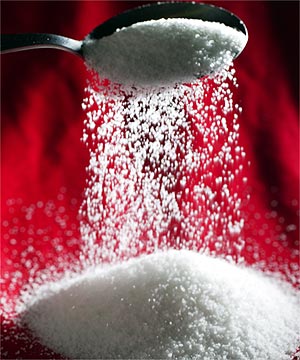
sugar-sweetner-400x400Sugar substitutes can be in either natural or synthetic form.  All sugar can add to the body’s toxic load, so moderation and  product knowledge is key to minimizing your risks.

Here is a list of some of the most common synthetic sugar substitutes:

Acesulfame Potassium is used in soft drinks, gelatins, and chewing gum.  This sugar substitute “might” be linked to cancer and requires further testing.

Aspartame, Equal, & NutraSweet are synthetic sugar substitutes and are used in drinks, gum, yogurt, and baked goods.  Aspartame has been accused of causing everything from weight gain to cancer.

Neotame is used in drinks, dairy products, frozen desserts, and fruit juices. This artificial sweetener is between 7,000 and 13,000 times sweeter than table sugar and is produced by the same company that makes aspartame.

Saccharin is a synthetic sugar substitute used in Sweet’N Low and is found in many drinks, canned goods, and candy.  Studies in the early 1970s found a link between consuming Saccharin and bladder cancer, prompting in 1981 that all foods containing it must contain a warning label.

Rebiana is used in many diet drinks,  and yogurt. Derived from the stevia plant, rebiana is deemed the natural alternative to artificial sweeteners. It has been linked to DNA damage and requires further testing.

High-fructose corn syrup used in thousands of processed foods including soft drinks, baked goods and cereals.  This sweetener contains the sugars fructose and glucose from processed corn syrup.

Sugar substitutes trick your body into gaining weight by turning off your body’s appetite control system and fooling your bodies metabolism.

Sugar and sugar substitutes brake down in your liver like alcohol, and produces many of the side effects of chronic alcohol use.

Two sugar substitutes that are from the plant kingdom are:  Stevia, a highly sweet herb derived from the leaf of the South American stevia plant and cane sugar.  Both of these sugar substitutes are safe in their natural form and can be used to sweeten most foods.

Natural sweeteners such as honey and agave syrup may seem like a healthier choice, but they’re loaded with fructose and many products that use these sweeteners are highly processed.

The ingredients found in artificial sweeteners can cause inflammation, hormonal imbalances, and chronic disease such as diabetes, heart disease and cancer.

Be informed of the different types of sugar substitutes, and use all sugars, natural and synthetic in moderation.  Understanding that sugar is found in most processed foods in several different forms, so try to incorporate more unprocessed foods, fruits, and veggies, and you will be on your way to a healthier diet.

July 28, 2014/by Carmen Scott
0 0 Carmen Scott https://www.diversifiedhealth.ca/wp-content/uploads/2026/01/DiversifiedHealth-logo.png Carmen Scott2014-07-28 07:57:202026-09-27 23:44:15Sugar Substitutes: Natural & Synthetic
Health Information

Sugar: How Much Is Too Much?

sugar-addictionSugar addiction is on the rise in Canada and our bodies are not equipped to handle the large quantity and quality of sugar that we currently ingest. Sugars that occur naturally in foods like fruits and vegetables are fine and our bodies are able to process these types of sugars: however, it’s the added sugars such as regular table sugar and high fructose corn syrup that are putting our health at risk.

The World Health Organization has recently announced that it is halving its recommended sugar intake for adults, from the original 10 percent of total daily calories to 5 percent: that’s about 6 teaspoons per day.

With sugars hidden in many food products, is it any wonder that we have become addicted to sugar?

How do you know if you are becoming addicted to sugar….

If you eat refined sugar every day (table sugar, candies, baked goods, sugary drinks)

If you can’t go one day without eating food or drink containing sugar

If you eat something sweet after every meal

If you find it difficult to have sweets in your home and not eat them

If you get fatigued or irritable if you go several hours without eating

If these statements sound like you, you need to become pro-active in curbing your sugar cravings.  Here are some tips you can use the next time you have a sugar craving.

Combine foods – Try dipping a banana in chocolate or combining mix nuts with dried fruit and chocolate chips.

Grab some gum – Research has shown that chewing gum can reduce sugar cravings

Keep fruit handy – Make sure that your fruit is ready to go, such as cut up in a container for when sugar cravings hit

Skip artificial sweeteners – Artificial sweeteners don’t lessen cravings for sugar, they actually increase your cravings because artificial sweeteners are so sweet, that a piece of fruit or naturally sweet foods start to taste less sweet and not as satisfying.

Drink water – Drinking water is essential for good health. If plain water is boring, try infusing your water with cucumber and ginger, for oranges and limes.

Can’t wait –  If you must have “sweet,” go with something that’s naturally sweet, such as dried fruit or 100% fruit juice.

Wait out the craving – If you can wait it out for 10 minutes… the craving will usually pass. One of the best distraction is to go for a 10 minute walk outside in the fresh air.

Acupuncture – Acupuncture has shown to have beneficial effects on cravings by having the body release its own naturally occurring neuro-chemicals into the bloodstream. The needles used in acupuncture are applied at particular points to stimulates blood and energy flow.

As always, “everything in moderation”… Variety and moderation are the key to a healthy lifestyle!

July 17, 2014/by Carmen Scott
0 0 Carmen Scott https://www.diversifiedhealth.ca/wp-content/uploads/2026/01/DiversifiedHealth-logo.png Carmen Scott2014-07-17 11:22:232026-09-27 23:44:15Sugar: How Much Is Too Much?
Health Information

Side Effects of Diet Soda

Soda-GlassesIf you think that drinking a diet soda is a healthier alternative than a regular soda…. think again.   Drinking just 2 glasses of diet soda a day can have negative effects to your health.

Kidney Problems/Damage

There are many studies that show the negative effects of drinking diet sodas.

In an 11-year-long Harvard Medical School study of more than 3,000 women, researchers found that diet soda is associated with a an increased risk for kidney decline.

A 2009 Nurses’ Health Study of 3,256 women found a 30% drop in level of kidney function for participants who drank 2 or more  diet sodas a day.

Since kidney decline was not associated with sugar-sweetened sodas, researchers suspect that the diet sweeteners are responsible, and that they may scar kidney tissue over time; but more research still needs to be done.

Messed-Up Metabolism & Weight Gain

The intense flavor, or the “sweet” taste of a diet soda, can dull our taste to naturally sweet foods such as fruit, which then makes these foods less appealing. Artificial sweeteners trigger insulin, the same as real sugar, and sends your body into fat storage mode which can lead to weight gain.

Consuming sugary or sweet tasting diet soda or foods on a regular basis will force you to overeat because your body is being tricked into thinking it’s eating sugar, and you will crave more.

No Nutritional Value

Many people drink diet soda because there are no calories….however, there is also no nutritional value.  Try to substitute water, which is essential for maintaining a well run body.

If it’s the sweetness that you craze, try infusing your water with fruit, cucumber and ginger, or try making your favourite tea, and adding a small amount of honey. If it’s the “fizziness” and carbonation that you crave, try sparkling water.

Tooth Enamel Damage

All diet soda’s contain some type of ingredient to promote carbonation.  Phosphoric acid and citric acid are found in many diet sodas to preserve carbonation: both of these ingredients weaken and destroys tooth enamel over time.

As with most things in life, moderation is the key. Remember, one of the easiest and least expensive health tools is to simply drink water  throughout your day. This will hydrate your body, make your organs work more efficiently and help to regulate your cravings.

July 14, 2014/by Carmen Scott
0 0 Carmen Scott https://www.diversifiedhealth.ca/wp-content/uploads/2026/01/DiversifiedHealth-logo.png Carmen Scott2014-07-14 12:21:442026-09-27 23:44:15Side Effects of Diet Soda
Health Information

The ABCDE’s of Melanoma

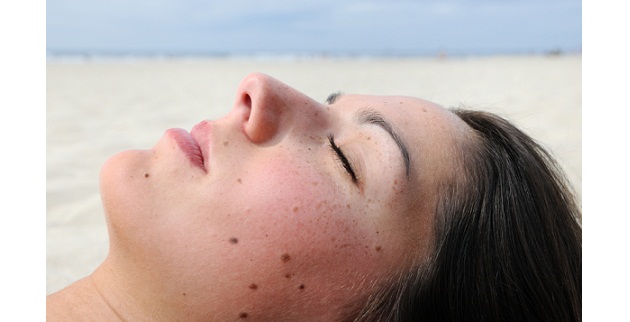
frecklesHere are the facts about the ABCDEs of Melanoma.  Part of good sun prevention and protection is checking your body for changes in moles at least once a year. Moles, brown spots and growths on the skin are usually harmless – but not always.

Anyone who has more than 100 moles is at greater risk for melanoma. That’s why it’s so important to get to know your skin, so that you can recognize any changes in the moles on your body.

Look for the ABCDEs of melanoma, and if you see one or more, make an appointment with a physician immediately.

Asymmetry                                                                                                                                                                                                                                             If you draw a line through this mole, the two halves will not match.

Border                                                                                                                                                                                                                                                         The borders of an early melanoma tend to be uneven. The edges may be scalloped or notched.

Color                                                                                                                                                                                                                                                             Having a variety of colors is another warning signal. A number of different shades of brown, tan or black could appear. A melanoma may also become red, blue or some other color.

Diameter                                                                                                                                                                                                                                                 Melanomas usually are larger in diameter than the size of the eraser on your pencil (1/4 inch or 6 mm), but they may sometimes be smaller when first detected.

Evolving                                                                                                                                                                                                                                                                           Any change – in size, shape, color, elevation, or another trait, or any new symptom such as bleeding, itching or crusting – points to danger.

Many sunscreens only protect against UVB rays, but to be protected against both UVA and UVB rays, look for a ‘broad spectrum’ sunscreen or products that contain zinc oxide or titanium dioxide.

Aside from skin cancer, the sun’s UV rays also cause:

  • Premature aging: Signs of premature aging include wrinkles, mottled skin, and loss of skin’s firmness.
  • Immunosuppression: Weakening of the body’s ability to protect itself from cancer and other diseases.
  • Cataracts / macular degeneration: Macular degeneration, for which there is no cure, is the leading cause of blindness in people aged 65 and older.

Remember to check your birthday suit on your birthday for moles, brown spots and growths!  Skin cancer is very treatable when caught early.

June 4, 2014/by Carmen Scott
0 0 Carmen Scott https://www.diversifiedhealth.ca/wp-content/uploads/2026/01/DiversifiedHealth-logo.png Carmen Scott2014-06-04 06:34:502026-09-27 23:44:16The ABCDE’s of Melanoma
Health Information

Sugar…It’s in Everything!

Sugar...It's in Everything!According to Statistics Canada, the average Canadian consumes 26 teaspoons of sugar per day. That works out to 40 kilograms per year, or 20 bags.

Health Canada does not have a recommended limit for how much sugar Canadians should consume in a day. That gives the food industry license to put any amount into any food they want, and with no daily recommended intake, it makes it hard to know if you’ve reached your limit.

Processed sugar contains no vitamins, minerals, or fibres, and raises your blood sugar levels.  Sugar will also disrupt your hormones and promotes free radicals, which can lead to cell damage and contribute to chronic diseases like type 2 diabetes and heart disease.  Sugar actually speeds up the aging process!

Sugar hides in most processed foods. Of the estimated 600,000 commercial food products, about 80% contain added sugar, so cooking from scratch  is the first step towards eliminating sugar in your diet.

The next step is to understand how to read the nutritional labels found on food products.  Consider all carbohydrates and sugar as the same thing.  All carbohydrates metabolize as blood glucose; whether is’ “good” carbohydrates, from whole grains, or “bad” carbohydrates from white rice.

Remember the golden rule: 4 grams of carbohydrates OR 4 grams of sugar = 1 teaspoon of sugar.  Using this equation (divide the grams by four) you can easily look at the grams per serving for any food product for carbohydrates/sugar and convert this to a measurement of teaspoons.   This simply conversion will help you visualize how many teaspoons of sugar are actually being consumed and help you make healthier choices.

Even small changes can make the difference. Try offering plain yogurt with real fruit mixed in, and not the standard flavored yogurt which is extremely high in sugar.  You can also take any cookie/cake recipe, and reduce the amount of sugar by one third without affecting the taste or texture.  Try substituting apple sauce or honey for sugar in most recipes for a healthier choice.

Here is an example of some hidden sugar:  A homemade chicken sandwich with a glass of milk.

2 slices of 100% whole wheat bread = 6.8 tsp

2 tbsp Miracle whip = .5tsp

Lettuce = zero

Chicken breast = zero

1 cup of 3.25% Milk = 5.2 tsp

Total:  12.5 tsp of sugar

 A homemade chicken sandwich with a glass of milk is still a healthy lunch….. but definitely food for thought.

April 28, 2014/by Carmen Scott
0 0 Carmen Scott https://www.diversifiedhealth.ca/wp-content/uploads/2026/01/DiversifiedHealth-logo.png Carmen Scott2014-04-28 12:46:132026-09-27 23:44:16Sugar…It’s in Everything!
Health Information

What’s in your Air Freshener?

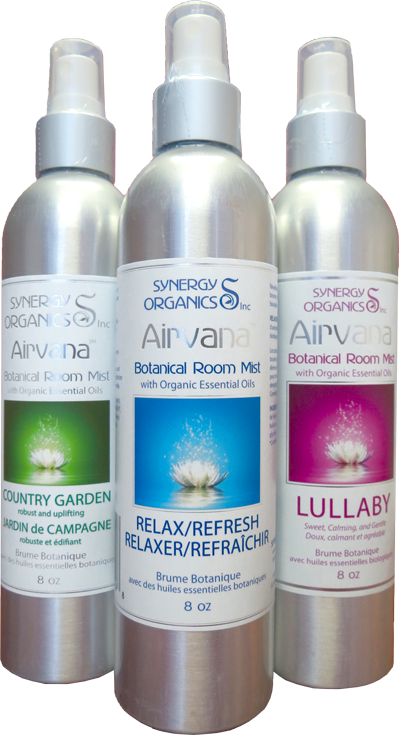
SO-000-groupAir fresheners deliver a fine mist of “aroma compounds” that remain suspended in the air for an extended period of time, and are sold in many different forms; aerosols, candles, reed diffusers, potpourri, and heat release products (aka Plug-ins).

Air fresheners with synthetic fragrances do not “clean” the air, they work by interfering with your ability to smell, and simply mask the odours. Air fresheners drown out the smell by releasing chemical such as methoxychlor which coat the nasal passages with a film of oil, which interferes with your olfactory nerves. Read more…

Many air fresheners contain hazardous chemicals that don’t show up on the label.  Most mass produced “chemical” air fresheners list one or two ingredients on their products, however, these products can contain upwards of 300 different chemicals and allergens, including  benzene, formaldehyde, styrene, and phthalates. Read more… 

Due to loopholes in the chemical perfume industry, companies are not required to list the ingredients of anything labeled as a “fragrance,” and that’s why most commercial air fresheners have no ingredients listed on their product.

A recent MSN article stated “that being exposed to air freshener chemicals as little as once a week can increase your odds of developing asthma symptoms as much as 71 percent and can contribute to an increased risk of a number of pulmonary diseases”.

A recent study conducted by the Natural Resources Defense Council, found dangerous chemicals known as phthalates in several air freshener products. When an air freshener is sprayed, the phthalates are released into the air where they can be inhaled/absorbed through the skin.  Read more…

If you like air fresheners….. do your homework… there are alternative organic, healthy products.  One Local Company, Synergy Organics is making a difference with a natural product line, that really works!

All of the essential oils in their products are NOP Certified. The National Organic Program develops, implements, and administers national production, handling, and labeling standards for organic agricultural products.  All active ingredients have a Certificate of Analysis, an FDA approved analysis to certify quality and purity, and an MSDS Safety Sheet.

It all starts with essential oils derived from natural sources. Essential oils have been used for centuries; they have antibacterial, antimicrobial, anti-inflammatory, deodorizing, and antiseptic properties.

So the next time you purchase an air freshener…..make sure you know what’s in it!

April 10, 2014/2 Comments/by Carmen Scott
0 0 Carmen Scott https://www.diversifiedhealth.ca/wp-content/uploads/2026/01/DiversifiedHealth-logo.png Carmen Scott2014-04-10 11:33:192026-09-27 23:44:16What’s in your Air Freshener?
Health Information, Physiotherapy

What to do before starting an exercise program

recreational-activities-1Making a decision to begin exercising is the easy part, committing to your program is the hard part; so remember to ask your healthcare practitioner before starting an exercising program.

Often, the biggest challenge is changing your lifestyle. All of us have created bad habits over the years and changing these requires a committed effort to consciously recognize and alter these unhealthy patterns. It takes time to develop new habits, so staying positive and having a forgiving attitude is essential.

Begin by checking with your health care practitioner to ensure that you can safely exercise without restrictions. Then surround yourself with supportive  healthy minded people; having a support system you can rely on is crucial when starting a workout program.  Accountability and motivation are very important to your success, so ask people you know how they’ve set up their active lifestyle.   Remember that your goals need to be realistic and measurable in a way that you will see your progress and keep motivated.

Think about hiring a qualified personal trainer for one or two sessions to learn what to do to reach your fitness goals. Find some activity that works for you whether it’s biking to work, walking, or joining a sports league.  There are so many options and opportunities to be active – we just have to recognize them.

A great way to get active is to join a local charity event such as a fun run or sponsored golf event.  Not only will you be helping people in your community, you will be getting out, getting active, having fun and meeting like minded folks…and who knows, it might even lead to you joining a team or group!

When you make physical fitness and a healthy lifestyle a priority, you will find more energy and enthusiasm for the other areas of your life.

So ask your health practitioner when starting a new exercise program, and keep in mind that there is no right or wrong way to stay active, just get moving!

April 7, 2014/by Carmen Scott
0 0 Carmen Scott https://www.diversifiedhealth.ca/wp-content/uploads/2026/01/DiversifiedHealth-logo.png Carmen Scott2014-04-07 11:00:032026-09-27 23:44:16What to do before starting an exercise program
Health Information

Hydro Massage Therapy

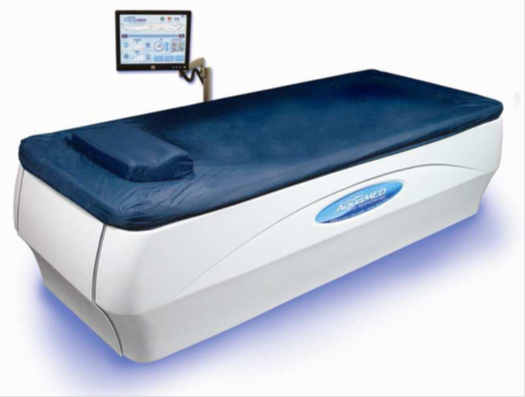
Hydo Massage TherapyHydro massage is a type of massage based on the therapeutic use of warm water. Hydro massage helps to relax muscles, increase blood circulation, and relieve muscular pain and tension.

Hydro massage therapy helps to alleviate muscle and soft tissue injuries caused by low back pain, arthritis, chronic and acute pain, neck injuries, TMJ, fibromyalgia, sports injuries, and pregnancy discomfort. This therapy gives you the relaxing benefits of a massage without the drawbacks or inconveniences of getting undressed or having oils placed on your skin.

Hydro massage therapy is an unattended water massage system.  A powerful wave of water spans the full width of the client’s body providing a powerful, heated massage.  Users enjoy total relaxation while remaining comfortable and fully clothed. The water temperature is approximately 34C.

Hydro massage therapy reduces anxiety levels, helps with sport or work related injuries, tension headaches and post-operative rehabilitation.

In one 15 minute session, you receive the following benefits:

Physically relaxes the body
Calms the nervous system
Lowers blood pressure
Reduces heart rate
Loosens tight muscles
Stretches connective tissues
Reduces chronic pain
Increases blood and lymph circulation
Speeds the removal of metabolic waste
Increases red blood cell counts
Relieves tired and aching muscles
Stimulates the release of endorphins
Relieves cramps and muscle spasms
Increase flexibility and range of motion
Strengthens the immune system
Reduces swelling
Reduces tension headaches
Increases tissue metabolism
Reduces mental stress/anxiety

Hydro massage therapy improves circulation, provides temporary relief of minor aches and pains, and provides healing benefits for chronic pain caused by conditions such as arthritis and fibromyalgia.

Hydro Massage therapy is also a great way to assists in warming up muscles before a treatment.

Please contact our clinic to find out ore about Hydro Massage Therapy.

April 3, 2014/2 Comments/by Carmen Scott
0 0 Carmen Scott https://www.diversifiedhealth.ca/wp-content/uploads/2026/01/DiversifiedHealth-logo.png Carmen Scott2014-04-03 09:00:542026-09-27 23:44:16Hydro Massage Therapy
Health Information, Physiotherapy

Plantar Fasciitis

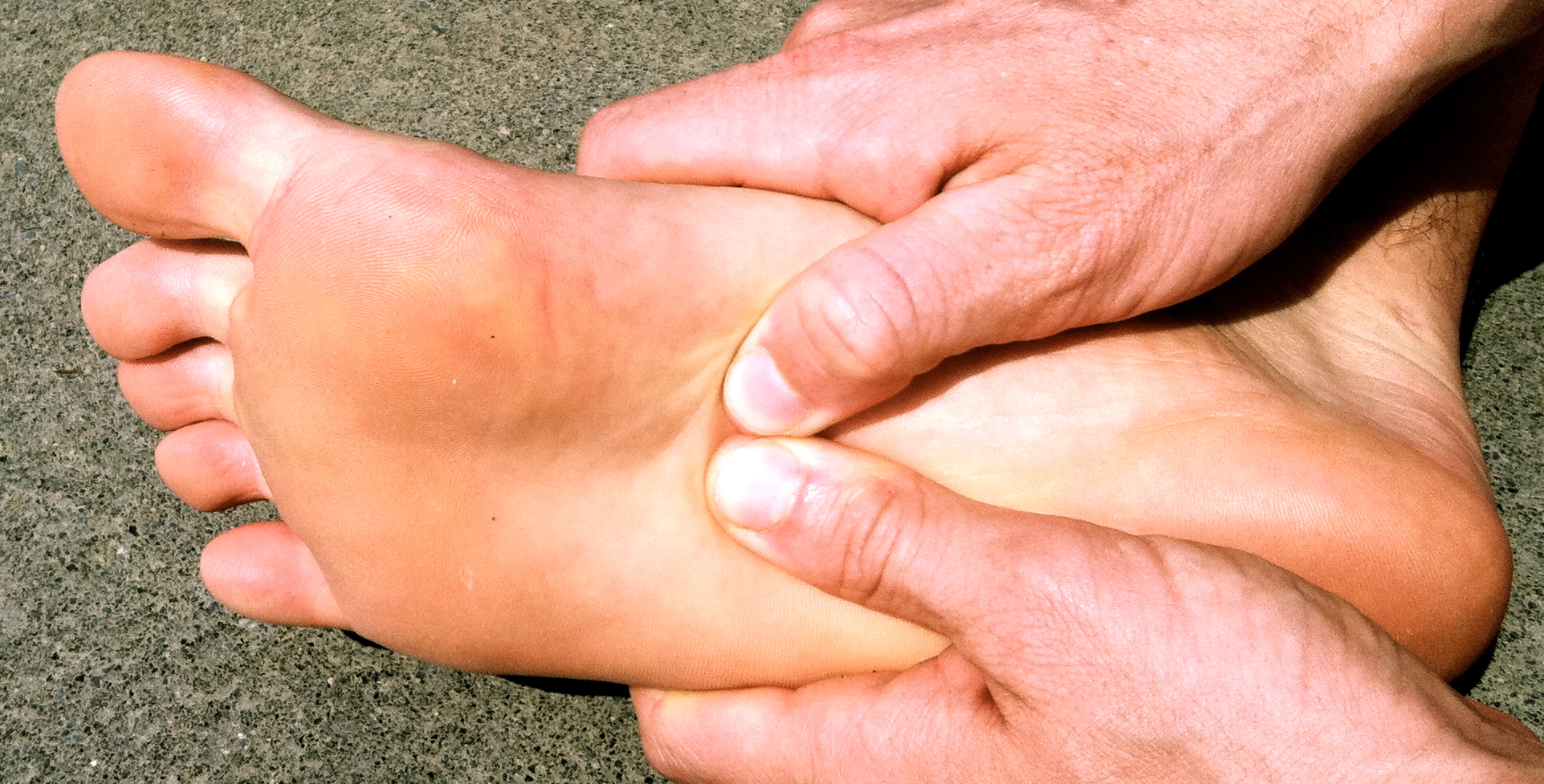
Plantar FasciitisPlantar fasciitis is a painful condition caused by overuse of the arch tendon (plantar fascia) of the foot; and if you’ve ever suffered from Plantar Fasciitis, you know that this can be one of the most irritating and hard to treat injuries there is.

The most common cause of plantar fasciitis is an overly tight calf muscle which leads to persistent pronation of the foot, which produces over-stretching of the arch tendon, and can lead to inflammation and thickening of the tendon.

The Plantar Fascia is a band of tissue that runs from your heel down through most of the length of your foot. It could be considered to be a “shock absorber” for your arch. This tissue is also known as the arch tendon. When this tissue becomes inflamed, the result is Plantar Fasciitis, a condition that can result in moderate to severe pain in your heel and foot.

Plantar Fasciitis, over time, can also cause a heel spur. If untreated, the condition can become degenerative, causing further pain, symptoms and long-term treatment challenges.

Not surprisingly,  runners, golfers and tennis players who spend long hours on their feet are some of the most common victims of Plantar Fasciitis.  Additionally, those over 40 are more susceptible, as is anyone who is predisposed to the condition. People with tight calves are thought to be more likely to develop the condition, as is anyone who spends time on their feet without proper footwear.

Temporary relief from Plantar Fasciitis can often be found through stretching localized massage, or anti-inflammatory medications. This relief is typically short-lived, however, as the condition will usually persist until it is properly treated and the underlying cause is identified and addressed.

Permanent relief from Plantar Fasciitis will usually come from a combination of the following approaches:

– Improved footwear for the activity you’re engaging in

– Orthotics

– Weight loss

–  Specific Stretching for the foot and calf muscles

– Physiotherapy

– Massage

– Laser Therapy to treat the inflamed area

– Kineso-tape to support the arch tendon

– Shockwave Therapy to treat the inflamed area

You should seek treatment if there is pain when pressing on the inside of the heel or if the pain is worse first thing in the morning.  If left unattended the condition can become more severe, with the pain worsening throughout the day.

March 13, 2014/1 Comment/by Carmen Scott
0 0 Carmen Scott https://www.diversifiedhealth.ca/wp-content/uploads/2026/01/DiversifiedHealth-logo.png Carmen Scott2014-03-13 09:32:452026-09-27 23:44:17Plantar Fasciitis
Page 15 of 26«‹1314151617›»

Search our Blog

Search Search

Topics of Interest

Acupuncture Back Pain Chronic Back Pain Chronic Pain Custom Orthotics Diversified Health Clinic Victoria BC Dry Needling eToims exercise fitness Foot pain GoodLife Fitness Victoria Marathon Headaches Health Care Victoria Health Tips Healthy lifestyle Immune System IMS Inflammation Joint Pain Knee Injuries Low Back Pain Marathons Massage Therapy Migraines natural health practitioner orthotics Pain management Pain Relief Physiotherapy physiotherapy victoria bc Plantar fasciitis Registered Massage Therapy Runner's knee Running Seasonal Allergies Skin Cancer Spinal Decompression Sports Injuries Stress Stretches Sunscreen Victoria therapeutic massage Vitamins walking

Categories

  • Acupuncture
  • Athletic Therapy
  • Chiropractic Care
  • Exercise Library
  • Fitness
  • Guest Bloggers/Articles
  • Health Information
  • Massage Therapy
  • News
  • Orthotics
  • Physiotherapy
  • Practitioners in Focus
  • Uncategorized
  • Victoria Healthcare News
  • Video Library

Archive

News & Events

  • Tension Headaches and Migraines: How to Tell Them Apart, What Helps and When to Get Checked October 6, 2026
  • Sciatica: Nerve Pain or Tight Muscle? Signs, Self-Care and When to Get It Checked October 6, 2026
  • Low Back Pain: Why It Happens, What Helps, and When to Get It Checked October 6, 2026
  • Neck Pain and “Tech Neck”: Causes, Desk Fixes and When to Get It Checked October 2, 2026
  • CryoDerm in Victoria: Cold vs. Heat, How to Use It, and Where to Get It September 26, 2026
  • How to Heal Your Pelvic Floor After Giving Birth | Pelvic Floor Physiotherapy Guide July 30, 2026
  • The Benefits of Shockwave Therapy Treatments February 28, 2023

PainHero Community Partner badge for Victoria

Proud member of the Greater Victoria Chamber of Commerce

patients choice winner

A Victoria, BC Chiropractor winner of the Patients’ Choice Awards.Verified by Opencare.com

Diversified Health Clinic

The Mosaic Building
1063 Fort St, Victoria, BC
V8V 3K5, Canada
250-382-0018
Monday7 a.m. – 7 p.m.
Tuesday7 a.m. – 7 p.m.
Wednesday7 a.m. – 7 p.m.
Thursday7 a.m. – 7 p.m.
Friday7 a.m. – 7 p.m.
Saturday9 a.m. – 4 p.m.
Sunday8 a.m. – 2 p.m. (physiotherapy only)
© Copyright - Diversified Health Clinic. Website by Victoria's iDreamDigital.
  • Link to Facebook
  • Link to Instagram
  • Link to X
  • Link to Youtube
  • Link to Rss this site
  • Link to Mail
Scroll to top Scroll to top Scroll to top

This website uses cookies to understand how the site is used and to measure our advertising.

Privacy PolicyDismiss

Cookie and Privacy Settings


How we use cookies

We may request cookies to be set on your device. We use cookies to let us know when you visit our websites, how you interact with us, to enrich your user experience, and to customize your relationship with our website.

Click on the different category headings to find out more. You can also change some of your preferences. Note that blocking some types of cookies may impact your experience on our websites and the services we are able to offer.

Essential Website Cookies

These cookies are strictly necessary to provide you with services available through our website and to use some of its features.

Because these cookies are strictly necessary to deliver the website, refusing them will have impact how our site functions. You always can block or delete cookies by changing your browser settings and force blocking all cookies on this website. But this will always prompt you to accept/refuse cookies when revisiting our site.

We fully respect if you want to refuse cookies but to avoid asking you again and again kindly allow us to store a cookie for that. You are free to opt out any time or opt in for other cookies to get a better experience. If you refuse cookies we will remove all set cookies in our domain.

We provide you with a list of stored cookies on your computer in our domain so you can check what we stored. Due to security reasons we are not able to show or modify cookies from other domains. You can check these in your browser security settings.

Other external services

We also use different external services like Google Webfonts, Google Maps, and external Video providers. Since these providers may collect personal data like your IP address we allow you to block them here. Please be aware that this might heavily reduce the functionality and appearance of our site. Changes will take effect once you reload the page.

Google Webfont Settings:

Google Map Settings:

Google reCaptcha Settings:

Vimeo and Youtube video embeds:

Privacy Policy

You can read about our cookies and privacy settings in detail on our Privacy Policy Page.

Privacy Policy
Accept settingsHide notification only