
Trail Running Versus Road Running: Which Is Better?

Over the past year I’ve gotten a lot more into trail running, largely because of getting a puppy who loves to get out in nature even more than I do. Doing so has given me a chance to reflect on how running on the trail differs from running on the road and how doing both can complement one another and allow someone to progress their training volume while potentially mitigating risk of overuse injury. Let’s take a closer look at the pros and cons of trail running and road running.

First, Let’s Talk About Trails

Trail Running Pros

An obvious pro of trail running is the scenery–variable terrain and conditions make it tough for a trail run to feel monotonous, and getting into the calm of the forest or mountains is therapeutic in and of itself. Let’s assume that your average trail run has more elevation gain than a similar distance road run. Elevation gain is particularly challenging on the heart and lungs, as it is easy to work close to your maximum heart rate on a prolonged climb. Spending time close to your maximum cardiac output is the best way to increase your cardiorespiratory fitness (it is no wonder that cross-country skiers have the highest cardiorespiratory fitness among endurance athletes). Herein, trail running may be superior in improving the capacity of our heart and lungs (Tabata et al. 1996).

Now, Let’s Consider Terrain

Running Terrain

It is common to hear that hills are hard on the knees, and this holds some truth. Running uphill taxes your quadricep muscles more than any other muscle group, while running downhill puts heavy load on your patellar tendons (just below the kneecap). These add up to trail running more likely contributing to the development of sources of knee pain such as patellar tendinopathy and patellofemoral pain. Uphill running also places added strain on the Achilles tendon, another common site of overuse pain for runners. Additionally, research has shown that the prevalence of low back pain is higher in trail runners. If you are currently experiencing patellar or Achilles tendinopathy or low back pain with your trail running, it may be wise to temporarily move away from the trail and on to level ground to better allow these areas of symptom to settle down. It should also be noted that the risk of traumatic injury such as knee or ankle sprains may be higher in trail running due the uneven surfaces typically run on (Malliaropoulos et al. 2015).

Compared to the Benefits of Road Running
Road Running Benefits

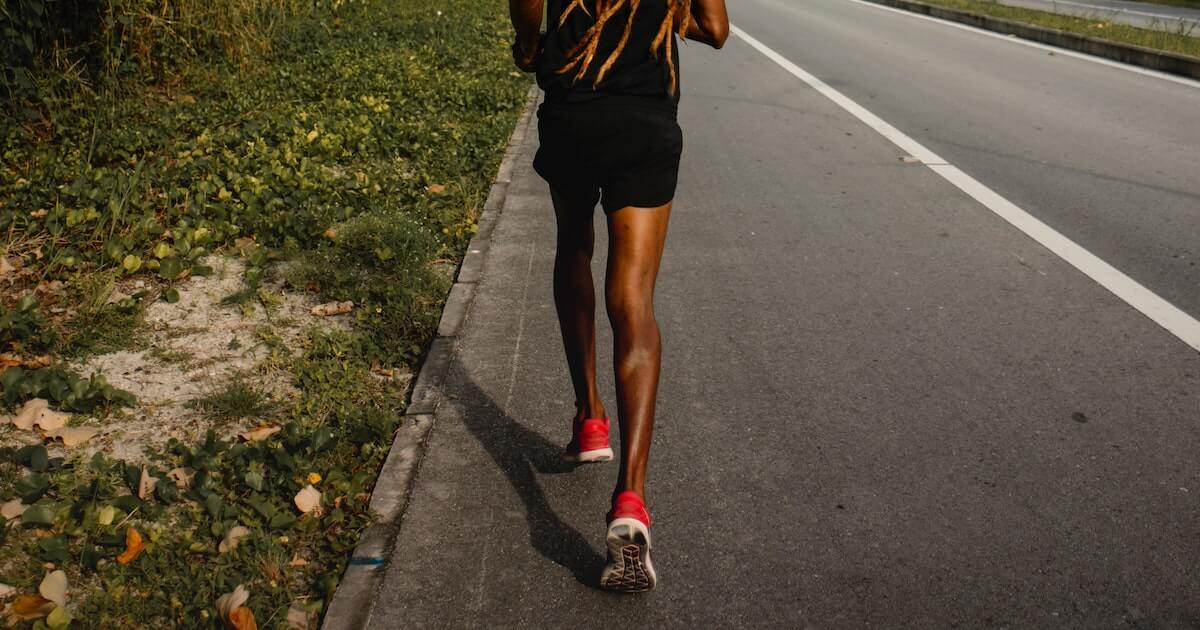
Road running has some obvious pros as well–it is tough to beat the convenience of hopping out your front door and right into your run. If you are someone that finds motivation in time and pacing, running on the road is ideal for you. It can be a bit easier to monitor and progress your training volume and intensity on the road if you are running similar tracks each time, which can assist with motivation. Running on hard surfaces such as pavement is not inherently bad, but it does create more ground reaction force that must be absorbed by the body in comparison to soft surfaces. Overuse injuries that are contributed most significantly by impact volume such as plantar fasciopathy, shin splints and stress fractures are more likely to come up when running on hard, non-variable surfaces. If you have a history or are currently managing any of these ailments, you may want to consider moving your training on to softer surfaces (Tschopp and Brunner, 2017).

Variety Wins for More Reasons than One

Ultimately, I believe overuse injury is best avoided by bringing variability into your training. Using a combination of trail and road running may allow for a higher relative volume of training while potentially reducing the risk of developing an overuse injury contributed by the surfaces you are running on. It is important to note that modifying the terrain you run on is likely less significant than modifying overall training volume/programming and biomechanics in relation to managing and avoiding overuse injury. It is also important to ensure your training matches your running goals. If you are training for a marathon road run, you should absolutely put most, if not all, of your mileage on the road leading up to the race, and the same goes for the trail. But if you are running to stay fit and for the agonizing enjoyment of it, adding some variability to your training may be a nice change of pace!

Luke Miles | Physiotherapist

Author: Luke Miles, MPT, BSc KIN | Physiotherapist 

Book Your Appointment With Luke Miles

If you have questions about your training and how to prevent or recover from overuse injuries, contact our clinic today at (250) 382-0018 or book an appointment online with physiotherapist Luke Miles at Diversified Health Clinic in downtown Victoria.

References

Malliaropoulos, N., Mertyri, D., and Tsaklis, P. 2015. Prevalence of injury in ultra trail running. Human Movement, 16(2): 52-59.

Tabata, I., Ogita, F., Miyachi, M. 1996. Effect of moderate-intensity endurance and high-intensity intermittent training on anaerobic capacity and VO(2max). Medicine & Science in Sports & Exercise, 28(10): 1327-1330.

Tschopp, M., and Brunner, F. 2017. Disease and overuse injuries of lower extremities in long distance runners. Zeitschrift fur Rheumatologie, 76(5): 443-450.

 

Why Athletes Love Sports Massage

Who doesn’t love a great massage? While everyone could benefit from the tension-relieving benefits of a relaxation massage, massage therapy goes beyond relaxation by using treatment-specific techniques to relieve deep muscle tension, relieve pain and facilitate healing. For athletes and highly active individuals, sports massage not only helps mitigate injury but can also help improve performance. Read more to learn what makes sports massage unique.

What Sports Massage Is + Its Benefits

While all massage treatments address varying degrees of muscle tension, sports massage specifically targets areas of the body affected by activity-related tension, wear, or injury. This targeted approach helps facilitate tissue health and healing in the following ways:

  • Relieves pain and muscle tension
  • Increases circulation
  • Stimulates the movement of superficial lymph
  • Reduces swelling and inflammation
  • Relieves muscle fatigue, cramping, and stiffness
  • Improves flexibility 
  • Improves endurance and efficiency of movement
  • Improves range of motion and muscle response
  • Improves tendon flexibility
  • Encourages proper body & muscle fibre alignment
  • Improves recovery
  • Facilitates healing from overuse trauma and injury
  • Helps prevent and relieve DOMS (delayed-onset muscle soreness)

Sports massage can benefit anyone who lives an active lifestyle. Athletes in particular love sports massage because of the double-duty benefits it can deliver. While reducing muscle tension, sports massage can also help improve athletic performance, recovery from exertion, muscle endurance, efficiency, and performance. 

For example, muscles and tendons that are tight and rigid are prone to a limited range of motion, forcing the alignment of the body to and other muscles adjust to compensate. Over time, this can lead to inefficiencies in performance, suboptimal movement patterns, and overuse injuries. For competitive and high-performance athletes, even the slightest advantages count, and so maintaining optimal body mechanics is paramount.

What to Expect During Your Treatment

Your initial sports massage treatment will start with an assessment. During your assessment, a registered massage therapist will note your health and athletic history, any prior injuries, and assess areas of your body experiencing activity-related pain, tension, wear, & tear. 

During a sports massage, a registered massage therapist may utilize various massage techniques, including deep tissue, lymphatic drainage, pressure point, and myofascial release, to address specific areas of pain, tension, stiffness, or swelling. 

It’s not unusual to experience a bit of momentary discomfort or soreness during your treatment—especially during pressure point application or myofascial release, but you shouldn’t feel sharp pain. Thus, continual feedback between you and your RMT is essential to the overall success of the treatment.

Patients typically report feeling immediate improvement in pain, tightness, and tension following their sports massage. You will also likely notice increased warmth and circulation. Depending on your specific condition and the techniques used during your treatment, you may also experience mild tenderness immediately following your treatment. 

Signs It’s Time for a Treatment

  • A feeling of tightness and heaviness in your extremities
  • New pain or discomfort that doesn’t resolve itself following rest
  • Prolonged DOMS (delayed onset muscle soreness) and swelling following exertion
  • Prolonged recovery post-activity
  • Limited range of motion and muscle fatigue
  • Persistent muscle “knots” and cramping

The Best Time to Schedule Sports Massage

While sports massage treatments can be carried out on an as-needed basis, some athletes prefer a more systematic approach, scheduling their treatments to take place surrounding athletic events as follows:

Leading up to activity: To help prepare the muscles and tendons, improve range of motion and endurance, and prevent strain and injury.

Intermittently during activities: To relieve muscle soreness, fatigue strain, and cramping.

Immediately following activities: To encourage recovery, reduce swelling, and preserve muscle and tendon flexibility.

Throughout on and off-season: To help facilitate recovery and as part of their seasonal conditioning and rehabilitative work. 

The ideal approach to sports massage is when your practitioner tailors your treatments to your specific needs and goals. 

Take the Next Step

Whether you are an athlete or lead a highly active lifestyle, to find out if sports massage is right for you. Contact Diversified Health Clinic about booking a sports massage assessment & treatment with one of our registered massage therapists. Call (250) 382-0018 or book an appointment online.

We offer direct billing and weekday and weekend appointments. Please view our hours of operation and location details here.

Joint Pain? Why It's Important to Identify Bursitis Symptoms 

Just about everyone experiences a bout of joint pain. While some mild aches and pains aren’t a cause for concern, joint pain caused by bursitis warrants inquiry with a physician or physiotherapist to rule out infection and prevent further injury. It’s easy to inadvertently make bursitis worse by treating it like you would a strained joint. For this reason, it’s important to familiarize yourself with these most common bursitis symptoms and what to do if you experience them. 

What Bursitis Is

By adulthood, our bodies house 360 joints and 150 bursae. Bursitis is a painful condition that occurs when the bursa (singular form of bursae) of one or more joints becomes either infected or inflamed. 

Bursae are small, synovial fluid-filled sacs that provide cushioning and lubrication between the bones in joints. Bursae also serve as a protective layer that helps facilitate ease of movement when surrounding muscles and tendons move around a joint. When the bursa of a joint becomes inflamed, the joint can feel stiff and painful to move.

Bursitis Causes and Contributing Factors

While bursitis can be a complication of weight, age, injury and other, pre-existing health conditions such as diabetes and arthritis, the most common causes of non-infected bursitis include:

  • Incorrect movement patterns and repetitive motions that place tension on the joint
  • Improper footwear and gait patterns
  • Postural issues
  • Sports, occupations, and activities that place repetitive pressure or strain on a joint (e.g., resting weight on elbows, kneeling on hard surfaces, cycling, tennis, etc.)
  • Lack of stretching and warm-up before athletic activities
  • Tight hamstrings 
  • Injury resulting in joint trauma

Common Bursitis Symptoms

Bursitis tends to affect the body’s major bursae, found in large joints, including the shoulders, elbows, hips, and knees but can also affect other parts of the body, including the heel (posterior to the Achilles tendon) and shins. There are different types of bursitis, based on which joint is affected. Following is a list of the most common bursitis signs and symptoms to watch out for:

  • Warmth and redness of the affected joint (red elbow)
  • Localized swelling of affected joint
  • Tingling, burning, or snapping pain, especially after activity or while attempting to move the affected joint
  • Joint stiffness that can worsen following activity
  • Unusual grinding or popping sensations when moving the joint

Signs and Symptoms of Infected Bursitis Which Warrant Immediate Medical Attention:

While non-infected bursitis is more common, infected bursitis can be serious and warrants prompt medical attention. Immediately contact your physician or a nearby emergency room if any of the above bursitis symptoms are accompanied by worsening pain, fever, chills, and malaise. Don’t hesitate–you should always take fever and pain seriously. 

How to Prevent Bursitis

There are things you can start doing to protect your joins and prevent bursitis, such as:

  • Adequate stretching and warm-up of muscles before activities
  • Investing in proper footwear and orthotics if needed to correct gait issues
  • Protecting joints from shock and hard surface strain by using knee and elbow pads or padded surfaces as needed
  • Correcting posture and incorrect movement patterns
  • When something hurts, don’t push it–rest and assess before resuming an activity
  • Be mindful of not placing undue strain on your body
  • Ensuring adequate rest, nutrition, and recovery between activities
  • Managing weight while easing into new activities slowly
  • Undergoing physiotherapy treatments for injury recovery and prevention

What Not to Do if You Suspect Bursitis

It’s easy to accidently make bursitis worse. A few of the ways bursitis is made worse is by assuming that all it needs for recovery is a little rest, stretching, movement, and wrapping. But, if you’re experiencing joint pain caused by bursitis, placing the joint under further tension via incorrect stretches, knee and elbow sleeves, or compression bandages can aggravate bursitis symptoms and prolong recovery, which brings us to our next point.

Why Promptly Treating Bursitis Is So Important

While most forms of non-infected bursitis are temporary and benefit from rest, icing, anti-inflammatories, and physiotherapy, bursitis caused by infection can be very serious and requires immediate medical attention. This is why it’s important to seek proper diagnosis and treatment of bursitis if suspected. Even when it comes to non-infected bursitis, appropriate treatment will help alleviate symptoms and prevent further aggravating the condition. The good news is that non-infected bursitis is typically easy to resolve without long-term complications. 

Bursitis Treatment Options in Victoria BC

Our multidisciplinary team of practitioners at Diversified Health Clinic in downtown Victoria offer a variety of options for treating and preventing bursitis, including:

The first step is to make an appointment with one of our physiotherapists who will properly assess your bursitis and customize a treatment plan that will help alleviate symptoms while also treating the source of your bursitis and helping you prevent further injury. 

Take the Next Step

Take the first step on your road to recovery by booking an appointment with one of our physiotherapists today at (250) 382-0018 or book an appointment online. We offer direct billing and weekday and weekend appointments. Please view our hours of operation and location details here.

Diversified Health Clinic is proud to offer Gait Analysis and custom orthotics in Victoria, B.C.

Your feet have a direct impact on the rest of your body. Like the foundations of a house, your feet support the weight of everything above them. When a small problem develops in your feet, the subtle changes in the way you walk will cause a chain-reaction of adjustments in your posture and walking mechanics. These changes could stress your joints and lead to more serious problems such as knee pain, hip pain, and back pain. Here are four common signs you may need orthotics and where to find custom orthotics in Victoria, B.C. 

Custom Orthotics in Victoria, B.C.

What Orthotics Are

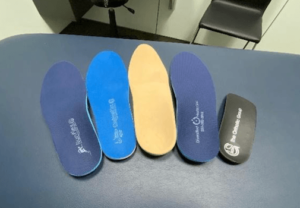
Orthotics are prescription inserts that can help keep your feet stable while standing or walking. Custom orthotics can be used to correct suboptimal gait issues and have been shown to effectively eliminate foot pain and improve overall foot functioning.

Four Signs You May Need Orthotics

  1. You stand for more than 5 hours per day
  2. Your shoes are worn out
  3. You have no arch or a high arch in your foot
  4. You have severe pain in your foot, heel, knee, or hips

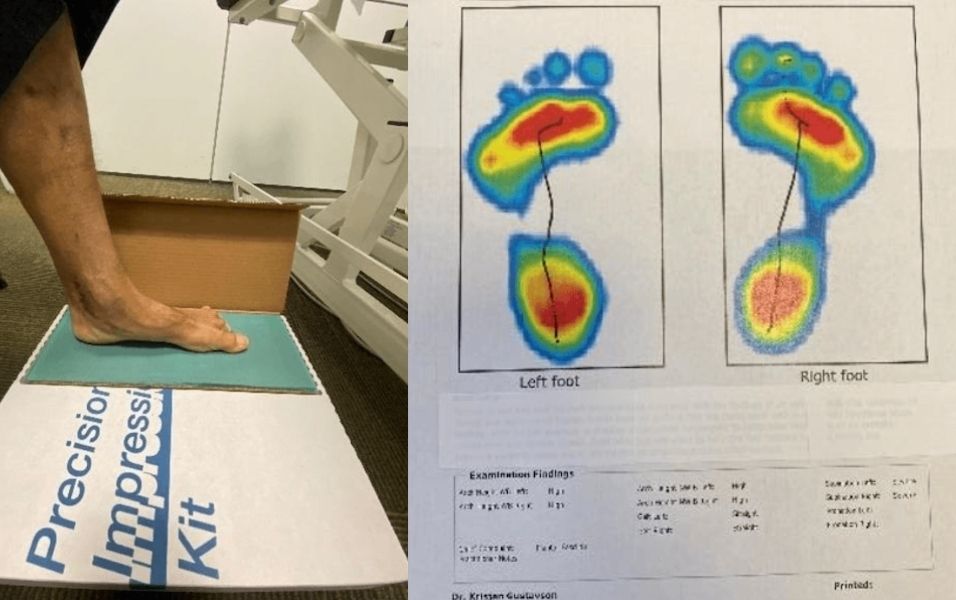
Using state of the art Gait Analysis technology along with a foam casting to ensure a proper fit, we can fit you for a variety of custom orthotics, such as ones for sports, ones for everyday dress shoes, and ones for regular everyday use.   

Custom Orthotics in Victoria, B.C.

Diversified Health Clinic is proud to offer Gait Analysis and custom orthotics in Victoria, B.C.

Ask one of our practitioners at Diversified Health how custom-made orthotics can help you step away from pain! Call us today at (250) 382-0018, or book your an appointment online with one of our chiropractors.

Most prescription orthotics are covered by extended health insurance plans. Be sure to check your extended benefits for criteria and eligibility. If your plan covers orthotics, let our clinic know when you call—we offer direct billing options.!

Acupuncture for Immunity

As we are now in the midst of cold and flu season you may be looking for new ways to boost your immune system and stay healthy. Did you know that acupuncture can help?

Acupuncture and the Immune System

Common colds and influenza are viral infections that affect our respiratory system. It is important to distinguish between bacteria and viruses as we sometimes see patients taking antibiotics which do not treat viral infections. Not only that, but overuse of antibiotics can also deplete your healthy bacteria, making you less resistant to infections. On the other side of things, over the counter medications (ex: Advil Cold and Flu, etc) may alleviate some symptoms temporarily but they will not eradicate the virus. Acupuncture can help reduce both the symptoms and the duration of both colds and flu.

Notice what your early red flags are when your immune system is feeling low. Common early symptoms may include:

  • Slight chilliness
  • Sniffly or a few sneezes
  • Sensitivity to wind or drafts
  • Feeling a little sweaty
  • Scratchy throat
  • Achy neck and shoulders

Normally, the time to come in for a treatment is at the very first sign of not feeling well. However, in the midst of a pandemic, this is no longer recommended. Instead, clear your schedule, crawl under the covers and rest. Once it’s safe for you to come into the clinic, you can book in for an acupuncture treatment and your acupuncturist will come up with a treatment plan for you that will relieve any lingering symptoms as well as boost your immunity.

Prevention

Prevention is key to warding off colds and flu. We all know by now to wash our hands often with soap and water for at least 20 seconds each time. If soap and water are not readily available, use an alcohol-based hand sanitizer with at least 60% alcohol. Avoid touching your eyes, nose, and mouth when possible.

In Chinese medicine, our outer defense system, known as wei qi, helps to protect us from pathogenic influences, like viral infections. If you’re someone who gets sick easily and often, it would be beneficial to book in for weekly acupuncture treatments before flu season to boost your immune system and strengthen your wei qi.

And do not forget to stay bundled, especially around your head and neck. All the acupuncture texts describe wind as potentially harmful as it is the carrier for airborne pathogens that affect our respiratory system. Wearing a scarf is a simple way of protecting the neck from the cold wind.

At-Home Relief

Here are some dietary and lifestyle recommendations which you can do at home:

  1. Make your own soups and stews. If you eat meat, soups and stews made from bone both are wonderful for combating a cold, with electrolytes in the broth, aromatic onions and garlic to produce a light sweat and chicken or beef for nourishing qi.
  2. Get plenty of rest. Yes, life is busy but find ways to sneak in little snoozes. Be cautious around screen time before bed, invest in a pair of blue light glasses and make time for naps where you can. We all know this, but it bears repeating, sleep = wellness
  3. Keep warm: take a hot shower or epsom salt bath. Wear warm clothes and protect not only your head and neck but wrists and ankles too, as cold is thought to invade the channels in these vulnerable places.
  4. Stay hydrated, drink warm liquids and tea: try boiled water with a few sprigs of rosemary, thyme and a squeeze of lemon. Thyme and rosemary both have antiviral and antibacterial properties, while lemon has a high content of immune system boosting Vitamin C. Maybe drizzle some honey in to sweeten things up and soothe the throat.
  5. De-stress: when we catch ourselves overthinking or worrying too much it can undermine our health.

Experience the Benefits of Acupuncture Treatment at Diversified Health Clinic

Take the first step on your road to recovery and better immunity by booking an appointment with our acupuncturist today at (250) 382-0018 or book an appointment online. We offer direct billing and weekday and weekend appointments. Please view our hours of operation and location details here.


Private Victoria Rehab Gym Helps You Recover From Sports Injuries

Few things are harder for athletes than being stuck on the sidelines due to illness or injury. Prolonged recoveries are especially hard on the psyche and your hard-earned physical conditioning. When sports injuries hold you back from the activities you enjoy, it helps to have a game plan for moving forward and an environment conducive to healing and mobility. Here’s how our private Victoria rehab gym can help you get back in the game. 

Recovery-Centric Environment

Our guided training not only helps you recover from sports injuries but helps prevent new ones while improving your overall performance. 

It can be tempting to continue with your regular training while injured, but you run the risk of directly or indirectly aggravating any pre-existing injuries further. When training with an injury, it’s also common to place undue stress on other areas of your body with movements that can lead to muscle imbalances and mobility issues. This is why physiotherapist and kinesiologist guided training is vital. 

At our Victoria rehab gym, you’ll be working with experienced practitioners that will guide you through exercises, stretches, and treatments specifically tailored to helping your body repair and recover from injury while preventing new ones. 

We’ll guide you through recovery-focused movements designed to increase range of motion, improve mind and muscle connection, and stimulate specific stabilizer muscles that haven’t been firing optimally. For example, recovery for a common MCL strain may include physiotherapist-guided training that focuses on activating and strengthening stabilizer muscles and correcting incorrect movement patterns to treat injury and prevent re-injury. 

Multidisciplinary Experts at Hand

As part of Diversified Health Clinic in downtown Victoria, our Victoria rebab gym is reserved for Diversified patients only. This means you’ll never have to wait in line for equipment, and you’ll receive expert-guided training throughout your workout. You’ll also have direct access to our multidisciplinary practitioners and treatments, including physiotherapy, massage therapy, chiropractic care, acupuncture, IMS/Trigger Point Dry Needling, and more. Our patients benefit from our combined approach to helping you heal from sports injuries as quickly and comfortably as possible. 

Learn More About Our Victoria Rehab Gym and Sports Injuries Treatments

Take the first step on your road to recovery by booking an appointment with one of our physiotherapists today at (250) 382-0018 or book an appointment online. We offer direct billing and weekday and weekend appointments. Please view our hours of operation and location details here.

When Holiday Stress Takes the Jingle Out of Your Jangle

Is holiday stress giving you a case of the bah humbugs? You’re certainly not alone! North Americans report experiencing increasing stress levels approaching the holidays, resulting in muscle tension, fatigue, and burnout. Thankfully, there are things you can do to immediately reduce stress and tension and find ways to enjoy the holiday season again.

According to survey results outlined by newswire.ca, even as of 2018 (before COVID complicated things), one-third of Canadians were already feeling more holiday-related stress than they had reported 5-years prior. These survey results reflect outcomes from other, similar surveys conducted in Canada and the United States, revealing a trend: the holidays are becoming increasingly stressful instead of joyous. A lot of it comes from feeling physically, emotionally, and financially overspent. 

What’s especially concerning are the potential health ramifications of stress. All this stress goes somewhere, resulting in restlessness, sleeplessness, burnout, skin and digestion issues, headaches, and muscle tension.

Signs & Symptoms of Holiday Stress

  • Lack of enthusiasm or “holiday spirit.”
  • Feeling overwhelmed by commitments and everything you think you need to do. 
  • Loss of interest in holiday activities you typically enjoy doing. 
  • Feelings such as guilt and dread when considering obligations. 
  • Fearing disappointment or disaster. 
  • Experiencing muscle pain, tightness and/or tension (notably in the back, neck, and shoulders)
  • Feeling buried in tasks and loose ends.
  • Feeling tired but wired, even after a good night’s sleep.

Common Causes of Holiday Stress

Additional survey results reveal that one the most common causes of holiday stress is the feeling of having too much to do and not enough time or money to accomplish it all. Between holiday shopping, wrapping and decorating, cleaning the house, and preparing the perfect holiday meal and experience, it’s no wonder why more people are headed towards holiday season burnout.

Other contributing factors to holiday stress include:

  • Feeling overstretched physically and financially.
  • Concerns about family getting along well when everyone gets together. 
  • Feeling obligated to attend and participate in holiday festivities.
  • Experiencing feelings of guilt when turning down an invitation.
  • Physical, mental, and emotional exhaustion from being “on” all of the time. 
  • Fearing the holiday experience won’t live up to expectations. 
  • Placing unrealistic expectations on yourself and others–trying to find the perfect gift and create an ideal holiday experience. 
  • Overstimulation from crowded shops, traffic, lights, and music. 
  • “When demands exceed our ability to cope.”

Treating & Preventing Holiday Season Burnout

Rest to Prevent Holiday Season Burnout

Remember how fun and exciting the holiday season was for you as a kid? Recapturing some of that lightheartedness and fun again is possible, but it requires surrender: relinquishing the urge to “do more” and establishing coping effective coping strategies. You can start lowering stress by mitigating it at its source (as much as possible) while treating the symptoms. This could mean:

  • Planning in advance how many obligations you will agree to: giving yourself permission to opt-out of some invitations and obligations. 
  • Being more realistic about your time and energy: which may mean cutting back on shopping, baking, and decorating. 
  • Sticking to a list and budget: Resist the temptation to go overboard to find the perfect gift for everyone. 
  • Being realistic about expectations: basing your expectations on what family gatherings have been like, and remember that things don’t have to be perfect to be fun and meaningful. 
  • Reserving time for rest: this year, find ways to make rest & relaxation part of the holiday celebrations. Something may have to give to make more time and space for rest, but no one will miss the extra string of lights or fussy side dish. 
  • Asking for help and accepting support: For some people, asking for help is hard to do but worth it! Everyone benefits from having a bit of support. You can make your holiday workload lighter by delegating and adopting a teamwork approach. You can even make it fun by throwing a holiday decorating, tree trimming, or baking party with your kids or besties. 
  • Making self-care a priority: You aren’t going to have a lot of energy and enthusiasm to share if you’re not replenishing your energy stores. Don’t scrooge when it comes to making time for self-care. This can include making time to decompress, maintaining good sleep-hygiene, fitting in some light exercise, and booking yourself a tension-releasing massage or acupuncture treatment. 

For a Much Needed Reprieve From Holiday Season Tension in Victoria, BC. 

Restore and recharge yourself this holiday season with registered massage therapy or acupuncture treatment that releases tension, increases circulation, and helps you feel well-rested and ready to shine again. Give our team of practitioners at Diversified Health Clinic a call today at (250) 382-0018 or book an appointment online

Cupping Origins and Benefits

Cupping is an ancient technique used in Traditional Chinese Medicine (TCM), and practiced throughout history in many countries, such as Greece, Russia, and Thailand.

How It’s Performed

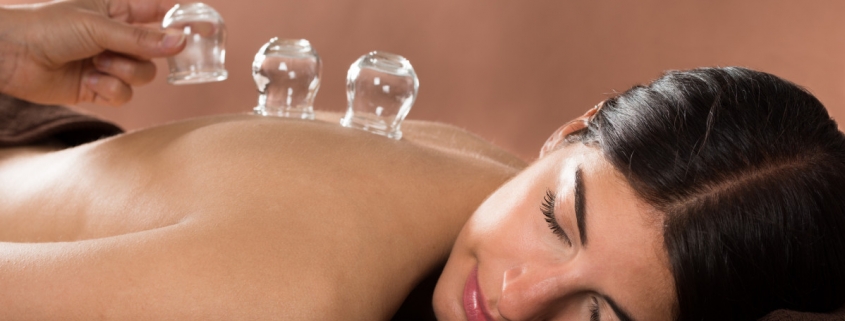
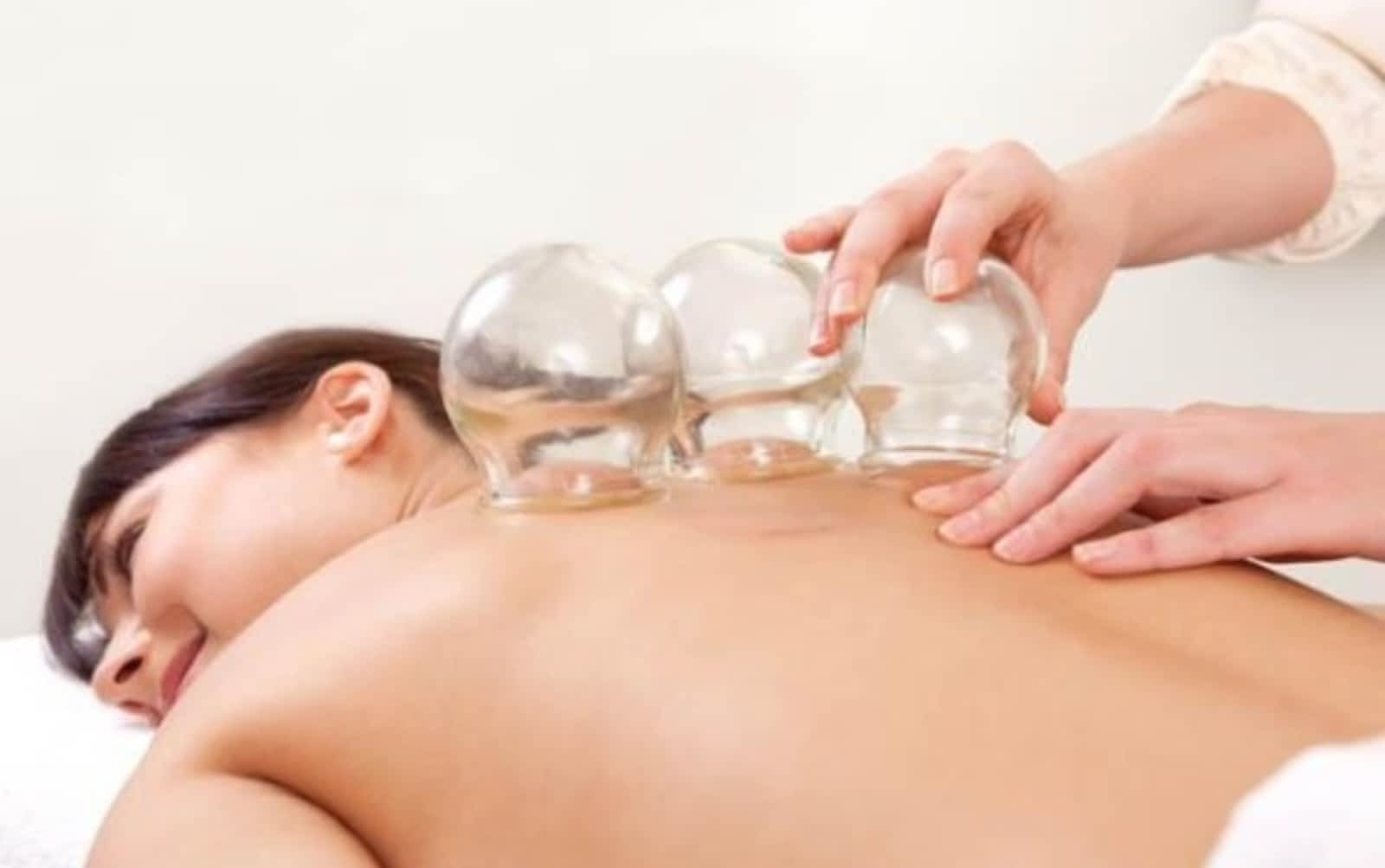
Cupping involves placing a glass or silicone cup on the skin, and creating suction that gently pulls up the skin and fascial tissue to break up adhesions, improve blood flow and oxygenation, and to clear cellular debris. It is sometimes thought of as a “reverse massage” that pulls up tissues rather than pushing them down into the body.

Cupping Benefits

There has been a recent resurgence and increased recognition of the benefits of this practice in North America. High profile athletes, such as Michael Phelps, have used cupping for pre and post-workout recovery, reportedly enhancing their performance and recovery.

In TCM, cupping may be used alone or with acupuncture. It stimulates acupuncture points and meridians, promotes the flow of blood and Qi, and eases muscle pain and tension. It is also recommended for respiratory conditions such as asthma, stress, anxiety, migraines, and some digestive disorders.

Treatment Specifics

Depending on the practitioner’s diagnosis and treatment, cups may be left in one place, or oil may be applied and the cups moved along muscle groups or meridians. Cupping should not be painful, but can leave temporary marks called ‘sha’ that vary in color from yellow to dark purple and fade within a week. The suction often immediately relieves tension and pressure, like a deep massage.

Cupping must be performed by a trained practitioner to ensure proper diagnosis and treatment, and may be contraindicated for certain conditions.

cupping victoria bc

Book a Treatment for Yourself

Our Clinic Acupuncturist, Sara Bjorkquist offers cupping as just one of the many therapeutic options available at Diversified Health Clinic.

For more information or to book your treatment, please contact the clinic at 250-382-0018 or online here.

What Is Tennis Elbow? and What Causes It?

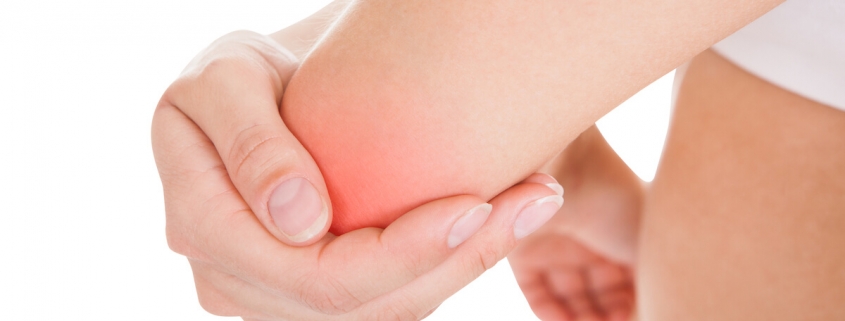
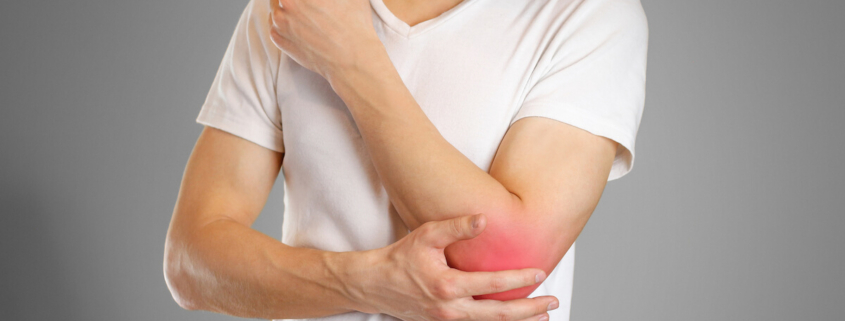
Tennis elbow (technically known as lateral epicondylitis) is a form of tendonitis that results from inflammation and small tears in the tendon connecting your elbow joint to your forearm muscles. Tennis elbow pain is typically felt at the outer elbow and along the forearm, with symptoms that become more pronounced when the affected tendons and muscles are activated (by raising or straightening your wrist and hand, for example). Fortunately, it’s a condition that is relatively easy to remedy, with non-invasive tennis elbow treatment options that relieve pain and repair injury. 

Signs & Symptoms of Tennis Elbow

The most common signs and symptoms of tennis elbow include:

  • Weakness and pain typically affecting one arm but can affect both arms, depending on the aggravating activity (e.g., weightlifting where wrists and forearms and subjected to repetitive strain from pulling and weight-bearing movements).  
  • Aching or burning pain that typically starts at the bony prominence of your outer elbow
  • Pain can sometimes extend from your outer elbow up through your forearm to the back of your hand.
  • Pain can worsen at night or when using the affected arm to hold tools, weights, or other sports equipment. 
  • Sudden or worsening grip strength. 
  • Pain or discomfort when shaking hands, gripping items, turning doorknobs, holding a hammer or coffee mug, or lifting and straightening your wrist.

Tennis Elbow Risks & Contributing Factors 

The common name used to describe lateral epicondylitis (tennis elbow) can be deceiving. While it is a common condition amongst athletes, anyone can suffer from tennis elbow, especially if your occupation or recreational activities involve repetitive lifting and extension of the hand or bending of the elbow. 

A few examples of activities and contributing factors that can cause tennis elbow include:

  • Age: most commonly experienced by adults between the age of 30-50
  • Racquet sports (tennis, badminton, squash, ping-pong)
  • Lacrosse
  • Weightlifting/Olympic weightlifting and CrossFit 
  • Typing
  • Using wrenches, hammers, and other tools (plumbers, construction workers, mechanics, stonemasons, painters)
  • Laser technicians
  • Chefs, butchers, and line cooks
  • Violin playing
  • Golfing

In rare cases, tennis elbow pain can occur without any apparent cause. Regardless of the cause, discomfort indicates that it’s time to seek tennis elbow treatment before the condition progresses.  

Effective Tennis Elbow Treatment in Victoria, B.C.

Effective Tennis Elbow Treatment

In a significant majority of cases, the good news is that tennis elbow pain can be effectively resolved with non-invasive treatments. Effective tennis elbow treatment sometimes only requires physiotherapy, and in other cases, a tailored combination of targeted therapies, including:

Never Ignore Pain

Pain indicates that it’s time to seek treatment. Sudden or worsening pain or discomfort is your body’s way of telling you that something is amiss and requires correction. While most tennis elbow cases aren’t serious, subjecting the affected area to continual strain could result in nerve compression and significant damage to muscles and tendons requiring surgery if left unaddressed. 

Because various contributing factors can cause conditions such as tennis elbow, we take a comprehensive approach to providing tennis elbow treatment at Diversified Health Clinic. The first step is to book an appointment with one of our physiotherapists. When we meet with you, we’ll start with a thorough initial consultation and assessment before tailoring a treatment plan for you that relieves pain while specifically addressing your condition. We’ll also show you specific stretches and exercises you can continue at home to aid your recovery and maintain your results. Our goal is to help you return the activities you love and enjoy without the interference of pain or risk of injury. 

Things You Can Do to Help Prevent Tennis Elbow Before and After Tennis Elbow Treatment

  • Rest: after assessing your condition, our physiotherapist will be able to recommend how much rest your affected elbow needs before returning to your usual activities. 
  • Correction: our physiotherapist and kinesiologist will assess your postural and movement patterns and correct any dynamics that contributed to your pain and condition.
  • Stretching and Conditioning: Treating and preventing the recurrence of joint, tendon, nerve, and muscle pain often includes stretches and exercises that strengthen stabilizing muscles to protect from further injury. 
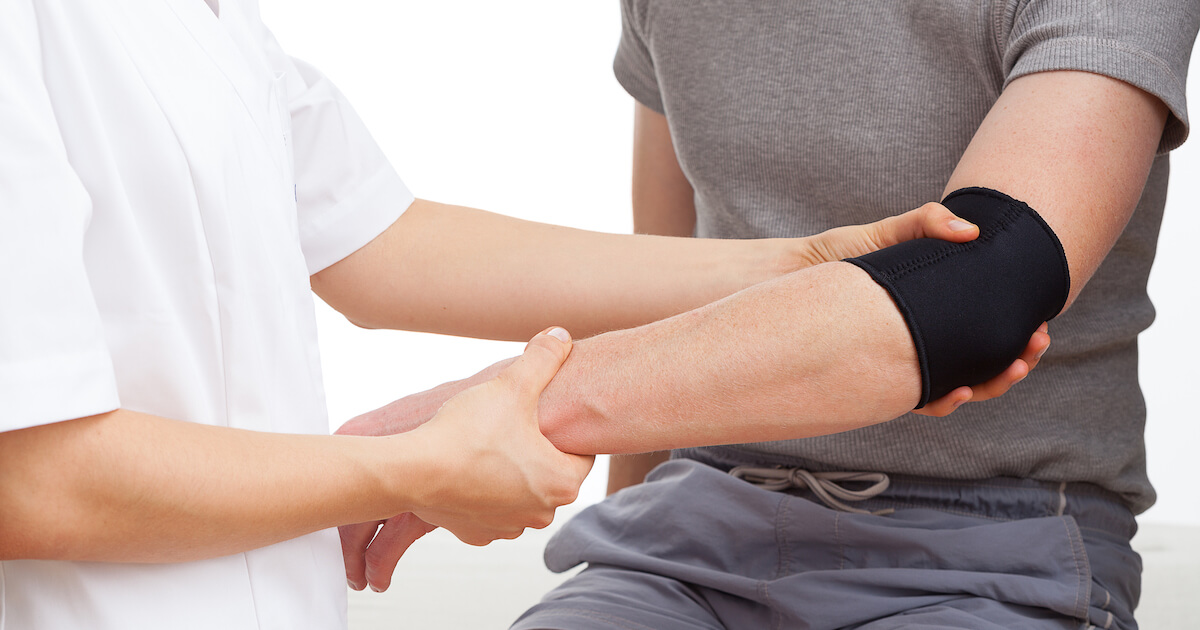
  • Support: In cases where strain cannot be avoided, wraps and sleeves may be recommended as part of your tennis elbow treatment plan. 
  • Anti-inflammatories: While pain should never be ignored, in the interim, over the counter anti-inflammatories such as ibuprofen may be taken to help temporarily relieve pain and reduce inflammation. 

If You Suffer From the Symptoms of Tennis Elbow:

Give our team of practitioners at Diversified Health Clinic a call today at (250) 382-0018 or book an appointment online. We’re happy to help answer your questions, address the cause of your pain and discomfort, and get you on the road to recovery.

Physiotherapy for Pelvic Organ Prolapse

What Is Pelvic Organ Prolapse?

Pelvic organ prolapse is a functional problem that occurs when the pelvic floor muscles and tissues are weakened and no longer support the pelvic organs as optimally as they should. The pelvic floor organs can drop into the vagina, causing an annoying sensation of fullness in the vagina or a protrusion at the vaginal opening. 

There are various types of pelvic organ prolapse, but the most common types include:

  • Cystocele: bladder bulging into vagina
  • Rectocele: rectum bulging into vagina
  • Uterine: uterus bulging into vagina 

What Causes It?

Pelvic organ prolapse can result from straining during childbirth, straining with persistent constipation, obesity, or a persistent cough. The likelihood of getting a pelvic organ prolapse increases with age and is commonly seen in women who have given birth. 

What Are the Symptoms?

The most common symptoms of prolapse are sensations of fullness in the vagina or protrusions at the vaginal opening, but a person experiencing prolapse may also notice difficulty urinating or changes in bowel movements. Pelvic organ prolapse does not often cause any pain but the protruding organ may cause pressure at the perineum, the region between the pubic bone and the tail bone. The symptoms can be aggravated with standing or when doing movements that increase the intraabdominal pressure, and can be relieved with lying down.

How Can Physiotherapy Help?

Evidence shows that pelvic floor muscle training can help to improve prolapse symptoms. Our physiotherapist, Jennifer Mildon, can guide you through an exercise program tailored specifically to you that can help to strengthen your pelvic floor muscles. Jen can also provide you with strategies or lifestyle modifications that can help to prevent further aggravation of your symptoms so that you can get back to feeling confident with functional movements. 

What Can Be Done to Prevent It?

Maintain a healthy weight, avoid straining with bowel movements, and exercise your pelvic floor to help your muscles stay strong!

For Prolapse Treatment in Victoria, B.C.

Contact Diversified Health Clinic today to book an appointment with Jen, and to learn more about the Pelvic Floor Physiotherapy treatments we offer.