
EToimsNews Release – The company LLC is marketing a surface electrical stimulation device that targets deep muscles to relieve myofascial pain and discomfort. The patented portable ET127 Evoked Response Stimulator excites deep trigger points to elicit muscle twitches. According to the company, these abrupt, brisk, and vigorous twitches relieve pain by ending muscle spasms and promoting healing of irritable trigger points.

Twitches produced by eToims (electrical twitch obtaining intramuscular stimulation) stretch muscle fibers in spasm, resulting in compression of intramuscular blood vessels and nerve fibers and reducing traction on pain-sensitive structures, such as periosteum and joint capsules to which muscles attach, says Jennifer Chu, MD, founder of eToims Medical Technology. She explains that consequently, twitch-induced exercise also promotes local blood flow, improving tissue oxygenation, promoting healing, and removing local accumulation of pain-producing neurochemicals.

In normal situations, trigger points stimulated to twitch produce movements that effect joint rocking and shaking. In acute situations, hyperexcitability of trigger points produces forceful twitches sufficient to lift the joint on which the stimulated muscle acts, causing these twitches to dissipate abruptly. In chronic situations, trigger points are very difficult to find, and twitch forces are feeble, says Chu.

According to Chu, acute and subacute myofascial problems resolve well with eToims as a standalone treatment. However, chronic problems tend to have guarded prognosis due to the presence of partial nerve and muscle fibrosis, requiring long-term eToims as an adjunctive treatment for improvement of quality of life. Chu has found that twitches, key to relief of myofascial pain or discomfort, are simultaneously diagnostic, therapeutic, and prognostic.

In the presence of very tight muscles, whereas routine exercise produces simultaneous active contractions of many muscles that can increase ischemic pain, eToims-induced twitches can enable active, painless exercise of 1 muscle at a time to remove or reduce pain.

Chu notes that a top football franchise in the UK now uses eToims for rehabilitation to prevent injuries as well as to rapidly rehabilitate soft tissue injuries to reduce elite-player down time. ET127 is now available for sale to clinicians in Europe, Canada, Taiwan, and Hong Kong, as well as for home use as a personal device.

The practitioners at Diversified Health are certified to use eToims Therapy as a part of your treatment plan.
T_Seasonal_Disorder_enHD_1Seasonal affective disorder (SAD), also known as seasonal depression, is a mood disorder in which people experience depressive symptoms in the fall and winter months.

Our moods and energy levels fluctuate with the seasons.  Traditional Chinese Medicine understands these seasonal cycles, and that conflict in the body causes stress, which can result in SAD.

Low levels of vitamin D and limited exposure to ultraviolet-B on their skin,can also result in SAD.

What is Seasonal Affective Disorder?

Seasonal affective disorder is a type of depression that people experience at the same time every year.  Typically symptoms start in October and continue until April.  The symptoms include:

  • Irritability
  • Headaches
  • Extreme fatigue
  • Increased appetite/cravings
  • Lack of concentration
  • Decreased libido

There are many theories as to what causes SAD, and most of the theories involve light.  Serotonin, a neurotransmitter that affects mood, is triggered by light, and that the decreased serotonin is the culprit.  Others theories involve melatonin, a hormone that affects sleep and mood, because it is affected by darkness.  In either case, light plays a role.

Acupuncture is a very effective option for treating SAD.  Anxiety, SAD, and other mood disorders respond very well to acupuncture.   Acupuncture has been proven to relieve stress and have a relaxing, calming effect on the body. Patients suffering from SAD will often feel immediate relief following a treatment. With regular, continued treatments, acupuncture can help to minimize and prevent SAD symptoms and help the body adapt to seasonal changes.

Acupuncture helps our bodies to regain its natural balance by correcting various systems that are responsible for sleep, energy, and immune system.

Advice for Seasonal Affective Disorder

  • Limit carbohydrates in the form of starches and sweets; add more protein and dark coloured vegetables to your diet
  • Avoid overeating or gaining weight
  • Exercise regularly by walking 15 minutes a day when there is the most sunlight
  • Work by a window to allow exposure to natural light
  • Go to bed earlier and get up earlier so you maximize daylight hours
  • Think positive – keep a gratitude journal

These are health-promoting strategies that will help to relieve your seasonal symptoms and improve  your health.

almondsWritten By Jennifer Dages

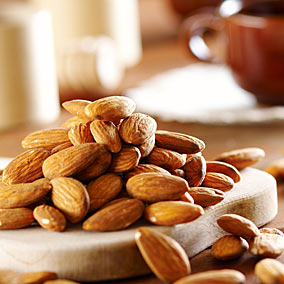
Most almonds and hazelnuts in the USA are now irradiated. Irradiation is the use of radiation to help preserve foods and kill off bacteria. This has been standard practice since 2007 when the FDA decided that all raw almonds grown in the USA must be pasteurized before sale.

The reasoning behind this decision was 2 outbreaks of salmonella that were traced back to almonds (2001 and 2004).   The outbreaks were very mild and the almonds  turned out to be grown by conventional farmers, not organic farmers.

But nonetheless all almonds were to be irradiated rather than practices change to prevent the repeat of a problem.

So what is wrong with pasteurizing almonds?

If you are a raw milk drinker and supporter then you already know the answer to this question.  Pasteurization and heat destroy important enzymes and vitamins.

There are 4 main types of pasteurizing almonds:

  • steam processing
  • high heat treatment (roasting)
  • blanching
  • highly toxic fumigation treatment with propylene oxide (PPO)

Two are the primary methods used, which are steam processing, and PPO fumigation.

Steam processing is the method used for pasteurizing organic almonds and they are heated to a temperature of 200 degrees with steam.  Not only are the enzymes and vitamins destroyed but so are the  bonds of the fats and the fat then oxidizes and  becomes a source of free radicals.

Recent scientific studies show that heating almonds creates potentially harmful levels of acrylamide, a dangerous byproduct of the amino acid asparagine. Acrylamide is a chemical known to cause cancer, or reproductive toxicity (such as birth defects and other reproductive harm).

If your almonds are pasteurized with propylene oxide fumigation(PPO) there is much more to be concerned about.   PPO is a verified carcinogen that is highly flammable, with fumes that are  hazardous to a human being’s personal health.

The EPA has declared PPO a carcinogenic chemical that is responsible for neurological, gastrointestinal, respiratory, and immune system dysfunctions, as well as liver disease.   The European Union, Mexico and Canada have all banned the use of this toxic chemical in anything to do with our food.

Can you avoid pasteurized almonds?

You can avoid pasteurized nuts but you have to buy your almonds  directly from the farmer or you have to buy organic.   The other exception to this rule is nuts that are foreign imports often avoid the irradiation.

In researching I found one source at Raw Nuts and Seeds where they sell organic almonds that are not pasteurized.   Nuts.com  sells organic almonds from Spain that are not pasteurized.   Amazon also sells some organic imported almonds that are not pasteurized.

If you live in California which is almond country you may be able to find a local farmer that will sell you nuts before they send them to be pasteurized (kind of the way some farmers will sell their raw milk before the milk truck picks it up- just don’t tell anyone).

skin-needlingLike many of us, I live a fairly sedentary lifestyle.  Years spent in front of a computer, combined with injuries, and the stress of everyday life is taking a toll on my body.

Over the years I have employed the services of acupuncturists, chiropractors, physiotherapists and massage therapists to alleviate my aches and pains.

A friend suggested that I try dry needling.  I had never heard of this treatment, and so began my research into the science of IMS/ Dry needling.  Dry needling, a relatively new medical treatment option, treats muscle, tendon and other soft tissue injuries.

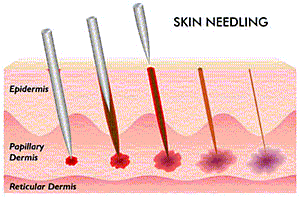
Dry needling also known as intramuscular stimulation is an invasive procedure in which solid filament needles are inserted into the skin and muscle at a myofascial trigger point in order to cause a small, specific injury or “wound” in the tissue.  This injury or wound signals the brain to begin to repair the damaged tissue with new healthy tissue.  Placing a needle in a muscular knot or painful trigger point will provokes a “twitch” response from the muscle. Once a “twitch” response has been elicited, the muscle fibers in that area begin to heal. The area around the muscle will relax and will start to lengthen, the inflammation will start to reduced and circulation and blood flow will increase.

Dry needling is characterized as a painful treatment. The more chronic the tigger point or muscle knot the more painful the treatment…healthy muscle tissue will not “twitch” when stimulated by a needle, and therefore will not be painful.

According to a report from the American Academy of Orthopedic Manual Physical Therapists:  “Research supports that dry needling improves pain control, reduces muscle tension, normalizes biochemical and electrical dysfunction of motor endplates, and facilitates an accelerated return to active rehabilitation”.

I have booked my first appointment, and am curious to find out how painful this treatment is, what it will feel like and what the results will be.

Keep an eye out for Part II of my journey into IMS/Dry Needling!