
Injury Recovery in Greater Victoria, BC - Call us to book an appointment: (250) 382-0018
Diversified Health Clinic
  • Welcome
  • About
    • Meet our Team
      • Dr. Matthew Bryan DC
      • Dr. Tessa Bryan DC
      • Dr. Krisjan Gustavson DC
      • Dr. Alexia Grelson DC
      • Dr. Ian Hyams MD
      • Kanu Priya, (MPT)
      • Spirit Donahue MPT
      • Morag Hart RMT
      • Craig Lawrence RMT
      • McKenzie Connell RMT
      • Braedan Pearce RMT
      • Angelina Schaaf BCAK
      • Christian Schwarz BCAK
      • Annie Wang R.Ac, R.TCM.P
      • Rebecca Thompson, R.Ac, R.TCM.P
      • Lauren Ching R.Ac
      • Laura Grohovac CCC
    • Our Clinic
    • Careers
  • Disciplines
    • Disciplines
      • Chiropractic
      • Physiotherapy
      • Registered Massage Therapy
      • Kinesiology
      • Acupuncture
      • Clinical Counselling
      • Personal Training
    • Treatments
      • Spinal Decompression
      • Shockwave
      • Class IV K Laser
      • eToims Needle-less IMS
      • Orthotics
      • Pelvic Floor Physiotherapy
  • Conditions
    • Plantar Fasciitis
    • Running Injuries
    • Allergies
    • Concussion Treatment
    • Bursitis
    • Tennis Elbow
    • TMJ Disorder
    • Automobile Collisions
    • Nerve Pain with Sciatica
    • Sport Injuries
    • Stress
    • Runner’s Knee
    • Vertigo & Vestibular Rehab
    • Concussions
  • Pricing
  • News & Events
    • News
    • Events
    • Practitioners In Focus
    • Exercise Library
  • Contact
  • ICBC Claims
  • Book Now!
  • News
  • Menu Menu
  • Link to Facebook
  • Link to Instagram
  • Link to X
  • Link to Youtube
  • Link to Rss this site
  • Link to Mail
  • Welcome
  • About
    • Meet our Team
    • Our Clinic
    • Careers
  • Disciplines
  • Conditions
  • Pricing
  • News
    • News & Advice
    • Practitioners In Focus
  • Contact
  • ICBC Claims
  • Book Now!
Acupuncture, Chiropractic Care, Massage Therapy, Physiotherapy

Natural Stress Relief

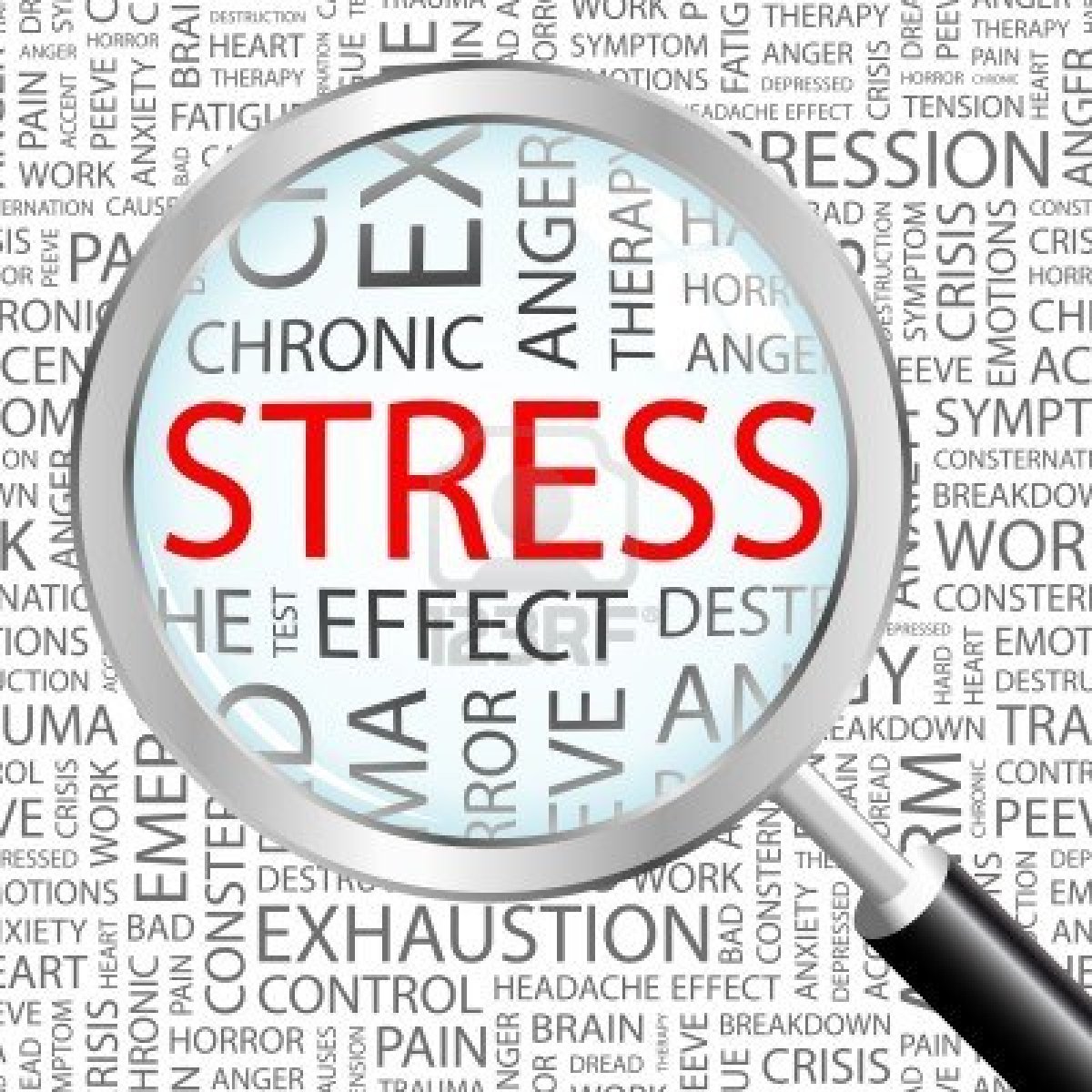
ExteriorNearly one in three people view their lives moderately to severely stressful, and more than 50% feel that stress has a moderate to severe impact on their health problems. We’ve identified some symptoms of stress, and some ways to approach natural stress relief.

Symptoms of Stress

Stress has been linked with detrimental health effects including heart disease and even brain shrinkage. Below are just a few of the symptoms cased by stress.

  • Trouble sleeping
  • Feeling irritable and defensive
  • Headaches
  • Trouble concentrating or remembering
  • Tense, tight muscles
  • Anxious, jittery, or nervous feelings
  • Difficulty breathing
  • Upset stomach, diarrhea, or constipation
  • Having trouble making decisions
  • Frequent colds, viruses, or infection

Having stress is not necessarily bad, but you need to be aware of the sources of stress and have a way to cope. There is no “right” way to handle stress – you need to find out what works for you.

  • Eat well. Good nutrition can improve your mood and your ability to handle stress.
  • Get enough rest, but don’t stay in bed to avoid problems;
  • Avoid using caffeine, cigarettes, or alcohol
  • Simplify your life by setting priorities for yourself.
  • Exercise at least three times a week.

Massage

Studies of the benefits of massage demonstrate that it is an effective treatment for reducing stress.

  • Improved circulation – Having an increase in blood flow and circulation to areas of your body helps promote cell growth and organ function.
  • The feeling of well-being – Massage increases the available levels of dopamine and this explains the satisfaction experienced during and after a massage.

Acupuncture

The body secretes hormones into the bloodstream as a reaction to stress. Acupuncture can block the chronic, stress-induced elevations of these hormones leaving you with a sense of calm & relaxation.

Physiotherapy

Physiotherapy can assist decease stress levels through manual therapy. Manual therapy involves manipulation of muscles and tissues in the body. This technique is used to reduce muscle tension, improve circulation, and carry fresh oxygen to tissues in the body.

Chiropractic

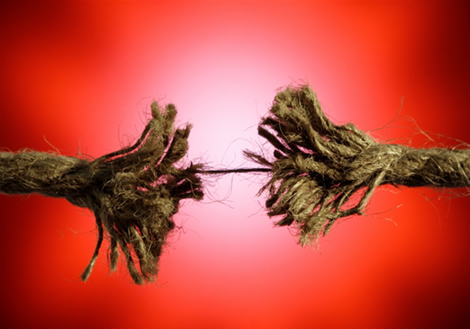
One of the effects of chronic stress is prolonged muscle tension. This muscle tension can leads to mis-alignments of the spine and the other joints in the body. These mis-alignments can cause common conditions such as; back pain, neck pain, and headaches. Chiropractic adjustments correct these mis-alignments, reduce nerve irritation, improves circulation, and releases muscle tension.

April 30, 2015/by Carmen Scott
0 0 Carmen Scott https://www.diversifiedhealth.ca/wp-content/uploads/2026/01/DiversifiedHealth-logo.png Carmen Scott2015-04-30 12:12:592015-04-30 12:12:59Natural Stress Relief
Health Information

Decreased Stress = Increased Vitamins

imagesWhen you are dealing with stressful issues, one of the first things you can do to help your body get through the stress, is to eat nutritious foods that are rich in specific vitamins; however, if just thinking about buying and cooking nutritious food adds more stress to your day, consider supplementing your diet with vitamins.  These basic vitamins and minerals can help prevent the damage that stress causes.

Vitamin A
Vitamin A is essential for stress reduction as its antioxidants aid the body in its ability to cope with stress.  Vitamin A can be found in foods such as fish oil, eggs, and spinach.

Vitamin B
B vitamins are an essential stress supplement. When you are under stress, your body uses large amounts of B vitamins to cope with the effects of stress.  Consider taking a B vitamin complex. Look for a formula that provides at least 50mg of each of the main B vitamins.

Vitamin B-1 (thiamin) helps support the nervous system and give you more energy
Vitamin B-2 (riboflavin) gives important support to your adrenal glands
Vitamin B-3 (niacin) has a strong effect on your feelings of being able to manage your stress
Vitamin B-5 (pantothenic acid) is necessary for the secretion of cortisol
Vitamin B-6 (pyridoxine) is helpful for reducing anxiety and depression
Vitamin B-8 (folic acid) helps reduce stress indirectly by reduces high levels of an amino acid homocysteine
Vitamin B-12 (cobalamin) is essential for the healthy functioning of your nerves

Good food sources of B complex vitamins are: Meat, Eggs, Nuts, Cheese, and Green vegetables.

Vitamin C
Vitamin C can help to reduce the levels of cortisol and corticosterone, which is a stress hormone in the blood.   The “daily recommended” amount of  Vitamin C is 60mg but much higher doses are needed for stress relief: 1000mg is an effective dose that you can take for long periods without any problems. Vitamin C is rich in certain foods, such as dark leafy greens, citrus fruits, strawberries, tomatoes and red pepper.

Calcium
Calcium helps our nerves send messages to our brain,and helps to regulate our nerves and muscles stamina and helps us sleep. Calcium is found in milk, cheeses, yogurts, sardines and sesame seeds.

Iron
Iron is essential when our bodies are under stress because it helps the flow of oxygen in our bodies.  Sardines, wheat germ, eggs and spinach are all iron rich foods.

Magnesium
Magnesium is an essential stress supplements because it helps prevent the damage caused by excess adrenaline.   Magnesium rich foods include, apples, bananas, green leafy vegetables, nuts, and Tofu.

Potassium
Potassium is an important nutrient against chronic stress, the nervous system, and heart function. Potassium rich foods include artichokes, spinach, beans, dried fruits,  and bananas.

Zinc
A lack of zinc can cause irritability, depression, and a low immune system. Fresh oysters, sesame seeds, ginger, and red meat are all zinc rich foods.

If you are experiencing  high levels of stress, please contact your health care practitioner before making any changes to your health routine.

April 27, 2015/by Carmen Scott
0 0 Carmen Scott https://www.diversifiedhealth.ca/wp-content/uploads/2026/01/DiversifiedHealth-logo.png Carmen Scott2015-04-27 12:13:352015-04-27 12:13:35Decreased Stress = Increased Vitamins
Health Information

5 Easy Stress Busters

stressed123The definition of stress is the result of any emotional, physical, mental, or social factor that requires a response or change.  Stresses can be physical, metabolic – such as an illness, or psychosocial – such as a death, divorce, or job loss.

Stress is categorizes as either acute or chronic.  Acute stress is the body’s immediate response to a perceived threat, while chronic stress results when a stressful situation persists over time.  Chronic stress can contribute to the breakdown of many bodily systems, such as your immune system.

Try these 5 tips the next time you are starting to feel stressed:

Spend time with friends and family

Talking with a trusted and loved friend or family member can reduce your feeling of stress by increasing your production of cortisol. Cortisol functions is to reduce inflammation in the body, however,  keeping cortisol levels  high over time can negatively affect your immune system.

Eat your dessert

Eating something sweet like chocolate (in moderation) is helpful in reducing stress because it helps to reduce the production of the stress hormone, glucocorticoid.

Take potassium
Research shows that increasing your potassium levels can help protect your body from the negative effects of stress by regulating your blood pressure.  One of the easiest ways to increase your potassium is to eat a banana.

Listen to the music you love
Listening to music you love; whether it’s classical, jazz or pop will fill your brain with feel-good neurochemicals like dopamine.

Walking outside
A 10 minutes walk in a park or green space can clear your head and boost endorphins which will reduces stress hormones.

Exercise
Personal trainer Ulrick Bien-Aimé had been working with stressed out clients for years – he has made these four moves mandatory (hold each pose for 15 seconds).

1. “Start by lying on your back with your legs straight and your hands on your abdomen, about two inches below your navel. Inhale slowly through your nostrils and focus on pulling in your belly. Exhale gradually while pushing your abdomen toward your back”.

2. “Next, bring your knees to your chest while continuing to inhale and exhale. Remember not to hold your breath—whenever you extend or exert energy, you should exhale”.

3. “Place your legs straight on the floor, then lift your right leg and bend it at the knee so your leg is at a 90-degree angle to the floor. Bring your right knee across your body until it touches the floor, making sure your shoulders remain flat. With your left hand, push down your knee to increase the stretch. Mirror this exercise on your left side”.

4. “Finally, lie flat on your back, and pull in your feet until the soles are touching to create a diamond shape on the ground. Spread your knees apart as far as possible and apply pressure with your hands. Pay attention to the parts of your body that begin to feel release—those are likely the places where you tend to trap tension”.

Try adapting your exercise to the type of stress you are dealing with.  If you are feeling out of control, try rhythmic exercise such as running, or swimming. If you feel you need to focus try yoga or Tai Chi and if you are feeling angry, try exercises like boxing or karate.

April 16, 2015/by Carmen Scott
0 0 Carmen Scott https://www.diversifiedhealth.ca/wp-content/uploads/2026/01/DiversifiedHealth-logo.png Carmen Scott2015-04-16 11:23:512015-04-16 11:23:515 Easy Stress Busters
Health Information

Burnout – It’s What Happens After Stress

stress-article-1People who are dealing with stress, would like to have no stress in their lives; but that’s not realist. What they should be aiming for, is how to mange their stress.   Stress can increase the risk of conditions like heart disease, diabetes, depression; and can worsen many preexisting medical conditions.    Stress can affect you both instantly (acute stress) and over time (chronic stress).

Physical symptoms of stress include:

  • Increased heart rate and breathing
  • Headaches/ Migraines
  • Stiff neck /Shoulders
  • Back pain
  • Upset stomach

Emotional symptoms of stress include:

  • Feeling irritable & frustrated
  • Unable to deal with day to day effectively
  • Losing your temper more often
  • Loss of energy
  • Hard to focus on tasks

Long-term exposure to stress can lead to serious health problems. Chronic stress can suppress the immune system, increase the risk of stroke, and speed up the aging process. Whether the stress is physical or psychological, the body’s reaction to the stress has the same outcome.  Our bodies can handle small doses of stress, but they are not equipped to handle chronic stress without consequences.

What is burnout?

Burnout is a state of emotional, mental, and physical exhaustion caused by prolonged stress. Burnout happens as a by product of chronic stress. Burnout is a gradual process that occurs over time, and left unchecked, can lead to severe depression, and life threatening illnesses.

Physical symptoms of burnout include:

  • Feeling tired and drained most of the time
  • Change in appetite or sleep habits
  • Frequent headaches, back pain, muscle aches

Emotional symptoms of stress include:

  • Feeling of helplessness and hopelessness
  • Unable to deal with day to day issues
  • Feel tired all the time
  • Negative thoughts

 Behavioral symptoms of burnout

  • Withdrawing from responsibilities / Loss of motivation
  • Isolating yourself from others / disengagement
  • Using food, drugs, or alcohol to cope
  • Not sleeping

Help lower your stress levels by following these simple stress relief tips:

  • Deep breathing –  Just a few minutes of deep breathing can calm the physiologic stress response, such as shallow breathing, rapid heart beat and increased blood pressure.  One advantage to deep breathing for stress relief is that you can do it whenever you need it.
  • Avoid stress by managing your time and your commitments. Prioritize your tasks and activities for the day or week and rate how important or urgent they are.  At the same time,think about how you can redirect your time to activities that are important and meaningful to you.
  • Give yourself a time out – Taking five to ten minutes to step back and take a deep breath can help your body with the “fight or flight” response that stress causes. A few minutes of down time can help you deal with the issue at hand in a more calm and relaxed manner.
  • Physical activity is the number one way you can reduce the effects of stress. Exercise is a powerful stress reliever. Try to incorporate at least 30 minutes of exercise everyday.
  • Eat a healthy diet, and reduce your caffeine, alcohol, nicotine and sugar intake.
  • Relaxation techniques such as yoga, tai chi, and meditation can help the body to relax, and de-stress. These techniques can be used just before bed to help with sleep.
  • Get plenty of sleep – Keeping a sleep schedule and aim for 7-8 hours of sleep a night.

Help prevent burnout by following these simple tips:

  • Start your day with a relaxing ritual, such as stretches, yoga or hanging out with your pet.
  • Healthy eating, exercising, and sleeping habits will give you the energy and resilience to deal with life.
  • Set boundaries and remind yourself that saying “no” allows you to say “yes” to the activities that you enjoy.
  • Set a time each day when you completely disconnect from the outside world and have a “me” moment.
  • Creativity is a powerful antidote to burnout.  Choose activities that make you happy, like starting a fun project, getting a massage, or volunteering at something you strongly believe in.

Managing your stress involves changing the stressful situation when you can, changing how you react to those situations, and taking care of yourself by making time for rest and relaxation.

April 13, 2015/by Carmen Scott
0 0 Carmen Scott https://www.diversifiedhealth.ca/wp-content/uploads/2026/01/DiversifiedHealth-logo.png Carmen Scott2015-04-13 08:19:532015-04-13 08:19:53Burnout – It’s What Happens After Stress

Search our Blog

Search Search

Topics of Interest

Acupuncture Back Pain Chronic Back Pain Chronic Pain Custom Orthotics Diversified Health Clinic Victoria BC Dry Needling eToims exercise fitness Foot pain GoodLife Fitness Victoria Marathon Headaches Health Care Victoria Health Tips Healthy lifestyle Immune System IMS Inflammation Joint Pain Knee Injuries Low Back Pain Marathons Migraines natural health practitioner orthotics Pain management Pain Relief Physiotherapy physiotherapy victoria bc Plantar fasciitis Registered Massage Therapist Registered Massage Therapy Runner's knee Running Seasonal Allergies Skin Cancer Spinal Decompression Sports Injuries Stress Stretches Sunscreen Victoria therapeutic massage Vitamins walking

Categories

  • Acupuncture
  • Athletic Therapy
  • Careers
  • Chiropractic Care
  • Events
  • Exercise Library
  • Fitness
  • Guest Bloggers/Articles
  • Health Information
  • Massage Therapy
  • News
  • Orthotics
  • Physiotherapy
  • Practitioners in Focus
  • Uncategorized
  • Victoria Healthcare News
  • Video Library

Archive

News & Events

  • About Matthew Bryan, DC November 7, 2025
  • The Benefits of Shockwave Therapy Treatments February 28, 2023
  • Piriformis Syndrome: A Real Pain in the Butt January 31, 2023
  • Searching for a Personal Trainer in Victoria to Help You Achieve Your Goals? December 31, 2022
  • Are Winter Blues + Holiday Stress Making You Feel Grinchy?  November 28, 2022
  • Fact or Fiction? Is Joint Pain Worse in Cold Weather? October 28, 2022
  • Pelvic Health During Pregnancy and Postpartum Workshop September 26, 2022

patients choice winner

A Victoria, BC Chiropractor winner of the Patients’ Choice Awards.Verified by Opencare.com

Diversified Health Clinic

The Mosaic Building
1063 Fort St, Victoria, BC
V8V 3K5, Canada
250-382-0018
Monday7 a.m. – 7 p.m.
Tuesday7 a.m. – 7 p.m.
Wednesday7 a.m. – 7 p.m.
Thursday7 a.m. – 7 p.m.
Friday7 a.m. – 7 p.m.
Saturday9 a.m. – 4 p.m.
SundayBy Appointment
© Copyright - Diversified Health Clinic. Website by Victoria's iDreamDigital.
  • Link to Facebook
  • Link to Instagram
  • Link to X
  • Link to Youtube
  • Link to Rss this site
  • Link to Mail
Scroll to top Scroll to top Scroll to top

Would you like to learn more about our COVID-19 Protocols?

Our ProtocolsDismiss

Cookie and Privacy Settings


How we use cookies

We may request cookies to be set on your device. We use cookies to let us know when you visit our websites, how you interact with us, to enrich your user experience, and to customize your relationship with our website.

Click on the different category headings to find out more. You can also change some of your preferences. Note that blocking some types of cookies may impact your experience on our websites and the services we are able to offer.

Essential Website Cookies

These cookies are strictly necessary to provide you with services available through our website and to use some of its features.

Because these cookies are strictly necessary to deliver the website, refusing them will have impact how our site functions. You always can block or delete cookies by changing your browser settings and force blocking all cookies on this website. But this will always prompt you to accept/refuse cookies when revisiting our site.

We fully respect if you want to refuse cookies but to avoid asking you again and again kindly allow us to store a cookie for that. You are free to opt out any time or opt in for other cookies to get a better experience. If you refuse cookies we will remove all set cookies in our domain.

We provide you with a list of stored cookies on your computer in our domain so you can check what we stored. Due to security reasons we are not able to show or modify cookies from other domains. You can check these in your browser security settings.

Google Analytics Cookies

These cookies collect information that is used either in aggregate form to help us understand how our website is being used or how effective our marketing campaigns are, or to help us customize our website and application for you in order to enhance your experience.

If you do not want that we track your visit to our site you can disable tracking in your browser here:

Other external services

We also use different external services like Google Webfonts, Google Maps, and external Video providers. Since these providers may collect personal data like your IP address we allow you to block them here. Please be aware that this might heavily reduce the functionality and appearance of our site. Changes will take effect once you reload the page.

Google Webfont Settings:

Google Map Settings:

Google reCaptcha Settings:

Vimeo and Youtube video embeds:

Other cookies

The following cookies are also needed - You can choose if you want to allow them:

Privacy Policy

You can read about our cookies and privacy settings in detail on our Privacy Policy Page.

Privacy Policy
Accept settingsHide notification only