
 Written By
First of all, what the heck is yogurt? Yogurt is a fermented milk product that has been used for centuries to preserve liquid milk from spoilage. Like milk, yogurt contains important nutrients such as protein and calcium. Traditional yogurt is made by adding two bacterial cultures (Lactobacillus bulgaricus and Streptococcus thermophilus) to milk to “ferment” the lactose into lactic acid, giving the product a tart, sour flavor and creating the thick consistency with which we are all familiar. If the yogurt is chilled rather than heated after fermentation, the bacteria remain alive and the product can be labeled as containing “live” or “active” cultures, which makes it a probiotic (i.e., good for your gut). Studies show that live, active probiotic cultures can improve digestive health and regulation of the immune system. The practice of choosing a healthy yogurt is all about checking the nutrition facts (paying attention to added sugars and protein content) and the ingredient list (to avoid additives and sweeteners). While common ingredients like pectin and guar gum are derived from plant sources, their presence is a sign of a poorer-quality product. Sugar will show up in most flavored yogurts, so you might consider choosing a plain yogurt and adding your own fruit or berries. If you are choosing a flavored yogurt, seek one with a low sugar content. Synthetic sweeteners like high-fructose corn syrup should be completely avoided. Additionally, choose organic whenever possible. If organic is not an option, look for the words “rBGH-free,” “hormone-free” or “grass-fed” on the label.
Whole-Milk (Full-Fat) Yogurt
Although current nutrition recommendations still steer consumers toward lower-fat dairy products, recent studies are beginning to show less of an association between dietary fat intake and heart disease, although more research needs to be done. In one recent study published in 2013 in the Scandinavian Journal of Primary Health Care, of over 1,000 Swedish men aged 40-60, researchers found that those who consumed high-fat milk, butter and cream were significantly less likely to become obese over a period of 12 years compared with men who never or rarely ate high-fat dairy. Another 2013 study, published in the European Journal of Nutrition, found that in most of the studies, high-fat dairy was associated with a LOWER risk of obesity. A major health benefit of full-fat yogurt is that it seldom contains the thickeners and additives that are used to achieve proper consistency and flavor in low- and nonfat yogurts. Whole-Milk yogurt is a convenient way to pack in a lot of nutrition. An eight-ounce serving of plain, whole-milk yogurt contains only 138 calories and 11 grams of sugar, and it provides 8 grams of protein, 275 milligrams of calcium and 352 milligrams of potassium, plus good amounts of folic acid and vitamin A (as well as vitamin D if made from fortified milk). Full-fat yogurt contains 7 grams of fat, 5 grams of which are saturated.
Creamline Yogurt
Creamline or cream-top yogurt is similar to whole-milk yogurt except that it’s made from unhomogenized milk, which results in a “line” separating the watery part of the yogurt from the thicker, creamier part. You can mix the cream top into the rest of the yogurt for a more even consistency. Creamline yogurt contains the same nutrients as regular yogurt, including calcium and potassium, which are both lacking in the diets of many Americans. The live bacterial cultures found in most yogurts are also present in creamline yogurts. These probiotics help replenish the natural bacteria in the intestines after antibiotic treatments, and these “good” bacteria help to produce some B vitamins and vitamin K.
Greek Yogurt
Greek yogurt is made by straining out the liquid whey to provide a thicker, creamier product with a higher protein concentration and less lactose (sugar). Greek yogurts are required to contain a minimum of 5.6 percent protein compared to 2.7 percent for unstrained yogurts. This means that Greek yogurts provide more protein and less sugar than regular yogurt for the same amount of calories. The process that creates this creamy, protein-packed yogurt also creates a byproduct called acid whey, which is detrimental to the environment – specifically aquatic life. The USDA is working with a private firm to develop a new technology that can turn the different components of the product into valuable ingredients and this is expected to be revealed later this year. A typical six-ounce yogurt contains five to 10 grams of protein. Greek and Icelandic-style yogurts often contain up to 20 grams of protein. The creamy consistency of Greek yogurt appeals to many consumers. This style of yogurt has become so popular that it now accounts for more than half of the $7.6 billion in annual U.S. yogurt sales. Greek yogurt comes in whole-fat, low-fat and nonfat varieties, and some brands carry organic lines. Be wary when reviewing ingredient lists. Some manufacturers “skip” the traditional straining phase and instead just add starch and thickeners like corn or tapioca. Many brands that manufacture traditional yogurt, such as Dannon, Stonyfield and Brown Cow, are now producing Greek yogurt. And some grocers, like Whole Foods and Trader Joe’s, have their own lines. Chobani is the highest-selling Greek yogurt. In a “Consumer Reports” taste test of 11 top yogurts, Greek yogurts Fage Total 2% and Chobani Low-Fat were rated “excellent.”
European-Style Yogurt
Manufacturers of European-style yogurt describe it as being smoother and creamier in consistency compared with regular yogurts, yet still easily pourable. This consistency is achieved by incubating the yogurt in large vats rather than their individual containers. European-style yogurt is not strained, which distinguishes it from other styles that stick in their cups and have less water and a higher protein content. European-style yogurts provide the same important nutrients as milk — protein, calcium and potassium — intake of which has been linked to lower blood pressure and a reduced risk of cardiovascular disease and Type 2 diabetes. Research also indicates that adults who eat yogurt are less likely to be overweight. Because of their smooth consistencies, European-style yogurts seldom contain thickeners or additives: The ingredient lists for these products are commonly simply just milk and bacterial cultures.
Icelandic Yogurt
Skyr, or Icelandic yogurt, is made by incubating skim or nonfat milk with live cultures. The yogurt is then strained to get rid of the whey, and the end product has a thick, creamy consistency similar to Greek yogurt. Icelandic yogurts are very low in sugar, high in protein and contain no fat. Flavored varieties such as strawberry or vanilla contain fruit and/or sweeteners, and thus have a higher sugar content. In general, Icelandic yogurts do not contain the unwholesome ingredients used as thickeners and sweeteners (e.g., HFCS, gelatin) in lower-quality yogurts.
Goat- and Sheep-Milk Yogurts
Yogurt can be made from the milk of cows, goats, sheep or buffalo. Although both goat- and sheep-milk yogurts contain some lactose, many people who can’t tolerate yogurt made from cow’s milk are able to consume these varieties without trouble. Goat- and sheep-milk yogurts have similar nutritional profiles to yogurt made from cow’s milk, but are often lower in sugar (4 grams per six- or eight-ounce container for plain varieties). The taste of goat- and sheep-milk yogurts are not as widely accepted as cow’s milk, however. The different flavors are caused by certain branched-chain fatty acids that are present in the fats of these animals. For this reason, you may want to choose flavored goat and sheep-milk yogurts over plain varieties. It is still a good idea to avoid overly sweetened products, so review the sugar content on the nutrition facts panel. As with other yogurts, check the ingredient list for additives. Pectins and gums are common in these types of yogurts and may be difficult to avoid. Choose fruit- or vegetable-based coloring or flavoring agents, such as beet juice concentrate or cabbage juice, over the purposefully vague “natural colors and flavors
Soy Yogurt
Soy yogurt is made from cultured soymilk and does not contain any dairy, so it is suitable for people with lactose intolerance and those who follow a vegan diet. The same bacterial strains used to culture dairy-based yogurts — L. acidophilus and S. thermophilus — are used in soy-based yogurts. The nutrient content of soy yogurts is similar to that of dairy yogurts, except that the saturated fat content of soy yogurts is much lower than that of yogurts made from whole milk. Ingredient lists for soy yogurts are not as simple as those for high-quality dairy yogurts, and it’s nearly impossible to avoid additives. Even plain varieties of soy yogurt tend to contain thickening agents such as cornstarch and may contain natural flavors or sweeteners. Focus instead on the organic label to ensure that the soybeans used are not genetically modified.
Almond- or Coconut-Milk Yogurt
Cultured almond or coconut milk produces a dairy-free, yogurt-like product similar to soy yogurt that is suitable for people with lactose intolerance or dairy allergies and those who follow a vegan diet. Almond- and coconut-milk yogurts are also available in Greek Yogurt forms, which people who enjoy Greek yogurt may find more palatable and enjoyable. The nutrient contents of almond- and coconut-milk yogurts vary tremendously between brands, but in general these varieties provide less protein and fat, similar amounts of calcium and vitamin D (if fortified), and more starch, fiber and overall carbohydrates (even for unflavored varieties) than dairy yogurts. Like dairy yogurts, these products contain bifidobacterium, the probiotic effects of which enhance gastrointestinal and immune-system health. Almond- and coconut-milk yogurts are relatively new products, and there are only a handful of brands that produce them. Most varieties contain multiple thickening, flavoring and emulsifying agents, including pectin, gums (e.g., locust bean gum), algae (e.g., algin), food starch (rice or tapioca starch) and various other texture-defining ingredients. Sweeteners, such as evaporated or dried cane syrup (sugar), are likely to appear in flavored and even unflavored varieties. Choose the brands with the lowest sugar content and fewest additional ingredients.
Lactose-Free Yogurt
Lactose-free milk is simply cow’s-milk yogurt that has been treated to break down the lactose, or milk sugar, that irritates people with lactose intolerance. Consuming lactose may cause lactose-intolerant individuals to experience gas, bloating and abdominal pain, and for this reason individuals with lactose intolerance may avoid dairy products like yogurt and suffer from a low intake of calcium. Lactose-free yogurt thus helps lactose-intolerant individuals have access to this healthy source of calcium, protein and probiotics. The nutrition profile of lactose-free yogurt is similar to that of regular yogurts, although it might taste slightly sweeter. Lactose-free yogurts come in a variety of flavors, including plain, vanilla, and strawberry. Pectin is typically used in the plain versions, and flavored varieties contain sugar, gums and natural flavors.
Flavored or Fruited Yogurt
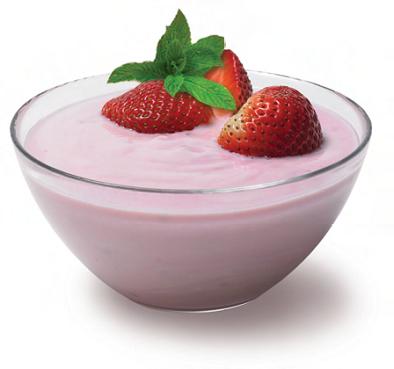
Flavored or fruited yogurt can be a nutritional minefield. Consumers can be fooled into believing that these products are healthy because they contain fruit. In reality, most of the flavor in these yogurts comes from added sugar and sweeteners. Vanilla is ubiquitous, followed by common fruit flavors like strawberry, blueberry and peach. Although fruited or flavored yogurts are often low in fat, consumers may inadvertently end up consuming the same amount of calories as they would with the full-fat versions. Flavored or fruited yogurts can contain a whopping 44 grams of sugar per eight ounces — that’s 176 calories just from sugar (although not all added)! If you like flavored yogurt and you can afford the extra calories, look for brands that have short, easy-to-pronounce ingredient lists: just milk, sugar or other naturally occurring sweeteners such as maple syrup or honey, the fruit of choice and active cultures. Stay away from anything that contains high-fructose corn syrup. TIP: One of the best ways to get a sweeter yogurt with fewer calories is to mix a plain variety and sweetened variety — half plain, half vanilla.
Low-Fat and Nonfat Yogurts
Eight ounces of plain, low- or nonfat yogurt contains about 530 milligrams of potassium, which can help lower blood pressure by countering the effects of sodium. Dietary potassium is also linked to a reduced risk of developing kidney stones and decreased bone loss. Just over 50 percent of Americans consume the recommended amount of potassium — 4,700 milligrams per day — in their usual diet. Low-fat yogurt contains between 0.5 percent and 3 percent fat, and nonfat yogurt has less than 0.5 percent fat. Unfortunately, the nutritional quality of yogurt can be diminished if thickeners and sweeteners are added to replace the flavor and texture lost with the removed fat. When choosing a low- or nonfat yogurt, look for a short ingredient list. It should ideally contain reduced-fat or skim milk and live bacterial cultures. Reduced-fat versions may contain other portions of milk products, including cream, buttermilk and skim milk, to achieve ideal textures: These ingredients are on the “good” list. Most brands do contain pectin, which is a naturally occurring substance found between the cell walls of fruits and vegetables that is used to thicken and emulsify lower-fat yogurts. While pectin is not necessarily “unhealthy,” many organic, high-quality yogurt varieties achieve desired consistency without the use of pectins.
Drinkable Yogurt
Drinkable yogurt is similar in nutrition and ingredients to standard yogurts and has a more liquid consistency. Drinkable yogurt is growing in popularity because of its convenience and portability. Most drinkable yogurt is flavored, and it can be a challenge to find varieties that are not heavily sweetened. In plain yogurt, lactose — naturally present in milk — provides the sweetness. But in most flavored yogurts, sugar is added either as sucrose, fructose or high-fructose corn syrup. This can raise the calorie content considerably without providing added nutrition. A typical low-fat yogurt drink available in the United States contains 5 percent to 12 percent added sugar. On the positive side, drinkable yogurt contains live probiotic cultures that improve digestive health and may provide other benefits such as immune-system enhancement. When shopping for a drinkable yogurt look for short ingredient lists (e.g., simply milk and bacterial cultures), and avoid additives like modified food starch, natural or artificial flavors, and pectins when possible. Check the labels of smaller brands carried in your grocery store: They tend to produce drinkable yogurts with fewer added ingredients.
Kefir
Kefir is a fermented milk beverage similar to yogurt. Kefir is made by inoculating milk with a mixture of microorganisms known as “kefir grains.” These include the lactobacilli and streptococci used to make yogurt as well as yeasts and acetic acid bacteria. Kefir is described in a paper in the International Journal of Food Microbiology as “a self-carbonated dairy product with a slightly acidic taste, yeasty flavor, creamy consistency and low alcohol content.” Like yogurt, kefir’s ingredients are milk and bacterial cultures; it contains a similar amount of protein, calcium, and vitamin D; and fat contents are the same as comparable yogurt styles (e.g., whole-fat, low-fat, and nonfat) Unlike yogurt, kefir has an effervescent or bubbly quality. Kefir is highly regarded for its potent probiotic and other health-enhancing qualities. Studies show that kefir has antimicrobial, antitumor, anticarcinogenic and immune-system-regulating properties. Compounds in kefir also help improve lactose digestion. The word “kefir” is derived from the Turkish word “keyif,” which means “feeling good.