Plantar Fasciitis: Why Your Heel Hurts in the Morning, What Helps and When to Get Checked
You swing your feet out of bed, stand up, and a sharp stab hits the bottom of your heel. After a few minutes of hobbling around the kitchen, it eases off. If that sounds familiar, you may be dealing with plantar fasciitis, one of the most common causes of heel pain we see.
What is plantar fasciitis?
The plantar fascia is a thick band of tissue that runs along the bottom of your foot, from your heel bone to your toes. It supports your arch and acts a bit like a spring every time you take a step. When it’s loaded more than it can handle, it can become irritated and painful where it attaches to the heel.
Common signs include:
- Sharp or stabbing pain under the heel or along the inside of the arch
- Pain that’s worst with the first steps in the morning or after sitting
- Pain that eases once you get moving, then builds again after a long day on your feet
Why does it happen?
Overnight, the fascia and calf muscles tighten up while you rest. Those first steps stretch them suddenly, which is why mornings tend to hurt most. The bigger question is why the tissue became irritated in the first place. Common contributors include:
- A jump in activity. Adding running distance, starting a new walking routine or a weekend of hiking can all overload the foot.
- Long hours standing. Retail, healthcare, trades and hospitality workers often spend most of the day on hard floors.
- Tight calves and Achilles tendon. Less ankle flexibility means more strain on the bottom of the foot.
- Foot shape and mechanics. Flat feet, high arches, or feet that roll in or out can change how load is shared.
- Footwear. Worn-out shoes, flip-flops, or going barefoot on hard floors offer little support.
What can I do at home?
Simple, consistent changes often help. Give these a fair try for a few weeks:
- Stretch before your first steps. Before getting out of bed, pull your toes back toward your shin for 20 to 30 seconds, a few times. A towel looped around the ball of your foot helps.
- Stretch your calves. Lean into a wall with one leg back, heel down and knee straight, then repeat with the knee slightly bent. Hold each for about 30 seconds, a few times a day.
- Roll the arch. Roll your foot over a frozen water bottle or a firm ball for a few minutes.
- Wear supportive shoes, even at home. Choose shoes or slippers with a supportive arch and a bit of cushioning. Avoid going barefoot on hard floors.
- Adjust, don’t stop. Cut back on the activity that flares it, like long runs or steep hikes, and swap in cycling or swimming for a while. Build back up gradually.
When should I get it checked?
Book an assessment if your heel pain hasn’t improved after two to three weeks of self-care, if it’s changing the way you walk, or if it keeps you from work, exercise or daily life. Heel pain can have other causes, such as Achilles problems, a stress fracture or an irritated nerve, so an assessment helps.
Get medical care right away (see your doctor, or go to emergency) if you have:
- Heel pain after a fall or injury, especially with swelling, bruising or trouble putting weight on the foot
- A sudden “pop” or kick-like feeling at the back of the heel or calf
- Redness, warmth or swelling in the foot, or a fever
- Numbness, tingling or burning in the foot
- Diabetes along with foot pain, a sore that won’t heal, or changes in skin colour
- Pain that’s constant, wakes you at night, or comes with pain and swelling in other joints
How we help with plantar fasciitis
Our team starts by looking at the whole picture: your foot, ankle, calf, hips, footwear and how you move. Then we build a plan that fits your work and activities. You can learn more on our plantar fasciitis page.
Physiotherapy
Physiotherapy focuses on calming the sore tissue and building strength and flexibility in the foot and calf, so it can handle your day again. Spirit Donahue, MPT centres his care on therapeutic exercise, manual therapy and patient education. Kanu Priya, MPT holds a Master’s in Sports Physiotherapy and uses manual therapy, dry needling (IMS), exercise prescription and functional rehab. Ivy Elling-Quaintance, MPT uses evidence-based exercise and movement and is particularly interested in athletic injuries and injury prevention.
Chiropractic and custom orthotics
Our chiropractors assess how your feet, ankles, knees and hips work together, and can treat the surrounding muscles and joints. They also assess and fit custom orthotics, using GaitScan pressure-plate technology and a foam cast of each foot. Orthotics may help if your arches, foot mechanics or long hours standing are part of the problem. Dr. Tessa Bryan, DC is certified in Custom Stabilizing Orthotics and uses soft tissue therapies, RockTape and exercise. Dr. Matthew Bryan, DC, Dr. Alexia Grelson, DC and Dr. Krisjan Gustavson, DC also fit custom orthotics.
Shockwave therapy
For heel pain that’s been hanging on, shockwave therapy is an option. It’s a non-surgical treatment that sends mechanical pulses into the sore tissue to stimulate the body’s healing response. Sessions take about 15 minutes, and a course is usually 3 to 6 sessions. Our post on the benefits of shockwave therapy explains more.
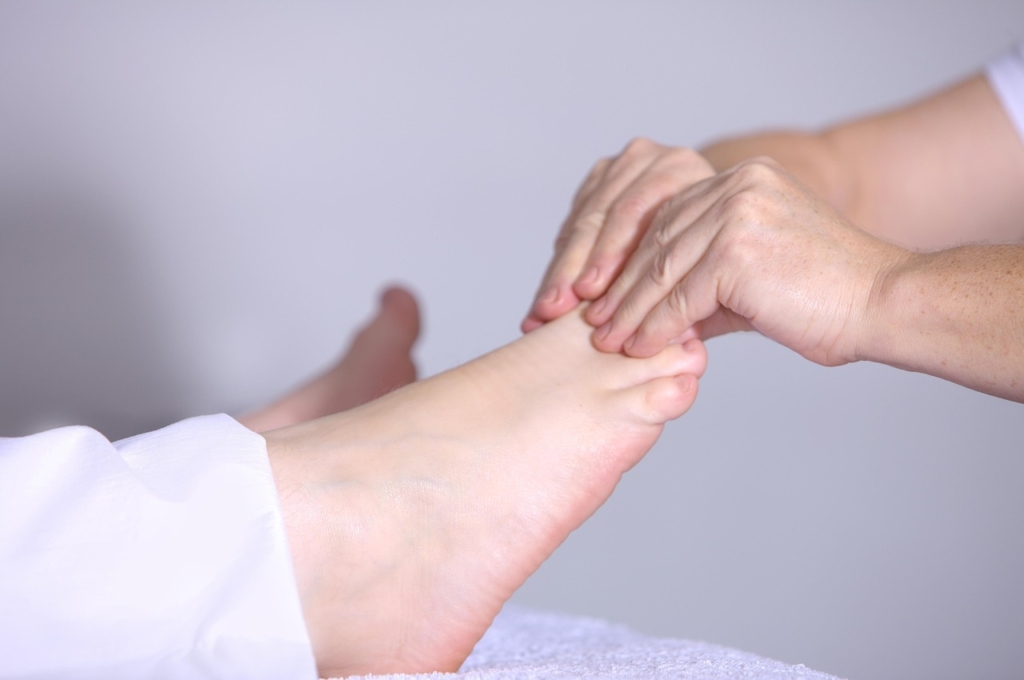
Massage therapy for tight calves and feet can also be a helpful part of your plan.
Book an appointment
If heel pain is making your mornings miserable or keeping you off the trails, we’d be glad to help you get back on your feet. We bill most insurance plans directly, so you can focus on feeling better.
Book online or call us at 250-382-0018. You’ll find us at 1063 Fort Street in downtown Victoria.
This article is general information and isn’t a substitute for an assessment by a qualified health professional.