Injury Recovery in Greater Victoria, BC - Call us to book an appointment: (250) 382-0018
Diversified Health Clinic
  • Welcome
  • About
    • Meet our Team
      • Dr. Matthew Bryan DC
      • Dr. Tessa Bryan DC
      • Dr. Krisjan Gustavson DC
      • Dr. Alexia Grelson DC
      • Dr. Ian Hyams MD
      • Kanu Priya, (MPT)
      • Spirit Donahue MPT
      • Morag Hart RMT
      • Craig Lawrence RMT
      • McKenzie Connell RMT
      • Braedan Pearce RMT
      • Angelina Schaaf BCAK
      • Christian Schwarz BCAK
      • Annie Wang R.Ac, R.TCM.P
      • Rebecca Thompson, R.Ac, R.TCM.P
      • Lauren Ching R.Ac
      • Laura Grohovac CCC
    • Our Clinic
    • Careers
  • Disciplines
    • Disciplines
      • Chiropractic
      • Physiotherapy
      • Registered Massage Therapy
      • Kinesiology
      • Acupuncture
      • Clinical Counselling
      • Personal Training
    • Treatments
      • Spinal Decompression
      • Shockwave
      • Class IV K Laser
      • eToims Needle-less IMS
      • Orthotics
      • Pelvic Floor Physiotherapy
  • Conditions
    • Plantar Fasciitis
    • Running Injuries
    • Allergies
    • Concussion Treatment
    • Bursitis
    • Tennis Elbow
    • TMJ Disorder
    • Automobile Collisions
    • Nerve Pain with Sciatica
    • Sport Injuries
    • Stress
    • Runner’s Knee
    • Vertigo & Vestibular Rehab
    • Concussions
  • Pricing
  • News & Events
    • News
    • Events
    • Practitioners In Focus
    • Exercise Library
  • Contact
  • ICBC Claims
  • Book Now!
  • News
  • Menu Menu
  • Link to Facebook
  • Link to Instagram
  • Link to X
  • Link to Youtube
  • Link to Rss this site
  • Link to Mail
  • Welcome
  • About
    • Meet our Team
    • Our Clinic
    • Careers
  • Disciplines
  • Conditions
  • Pricing
  • News
    • News & Advice
    • Practitioners In Focus
  • Contact
  • ICBC Claims
  • Book Now!
Fitness, Health Information

Managing Delayed Onset Muscle Soreness Following Activity 

Managing Delayed Onset Muscle Soreness Following Activity 

Lack of motivation may be the most significant barrier to approaching a new workout, but delayed muscle soreness (DOMS) doesn’t help either — after all, pain isn’t particularly motivating. Still, there are things you can do to help manage delayed onset muscle soreness and aid recovery as you approach new or increased activity.

First, What Is DOMS?

DOMS is the acronym used to describe Delayed Onset Muscle Soreness – a phenomenon that typically occurs one or two days following new or increased activity. 

Common Signs & Symptoms of Delayed Onset Muscle Soreness

  • Sudden and increased onset of muscle stiffness and soreness within one to two days following activity
  • Muscle soreness that typically peaks 12-48 hours following activity and gradually subsides in the days that follow
  • Muscle tenderness upon palpation or massage
  • Slight swelling or water retention in the affected muscles
  • Muscle soreness and stiffness that’s worse in the morning

Unlike the burning feeling you experience from acute muscle soreness during strenuous activity (such as the last few reps of a weightlifting exercise), delayed muscle soreness isn’t typically felt until 12 or more hours following activity. 

What Causes DOMS?

While Delayed onset muscle soreness is harmless, it can vary in intensity and duration, which can be explained by the physiological process responsible.

Muscle fibres grow via a process of microscopic damage and repair. When your muscles are stimulated from progressively increased intensity, duration, repetition, or load, the stress creates microscopic tears in your muscle fibres. These small tears result in temporary inflammation and soreness while your body works hard to recover and repair. The good news is, pending you give your body sufficient rest and nutrition, your muscles are one step closer to growing stronger and more efficient. 

Who is Prone to Experiencing Delayed Onset Muscle Soreness?

Everyone suffers from occasional DOMS following activity, from elite athletes to exercise newbies. Delayed onset muscle soreness typically occurs one to two days after a physical activity that your body hasn’t adapted to yet. Activities that trigger DOMS includes anything from an intense workout or hike to a day of golf or gardening. Over time, and as your muscles adapt to the simulation you are placing them under, DOMS becomes less intense, requiring shorter recovery periods. 

Delayed onset muscle soreness is more pronounced when:

  • You engage in a new activity after periods of inactivity
  • You engage in eccentric exercises (exercises that place tension or load on a muscle when it’s lengthened, such as slowly lowering the weight during a biceps curl or the stretched position of a deadlift).
  • Your workout is harder or more intense than usual
  • You start a new sport or exercise routine
  • You add a new exercise to your workout
  • Your hydration, nutrition, or recovery is compromised
  • You overdo it during a workout or favourite activity

While it’s okay to return to light activity despite still being sore, it’s important to pay attention to the signs your body sends you about whether its ready engage in certain activities yet. While light activity can help relieve DOMS-related stiffness and pain, sometimes the best thing you can do for your fitness is knowing when to rest.

Pushing your muscles to perform beyond exhaustion and before they’ve had a chance to sufficiently recover can lead to injury and more serious conditions, such as rhabdomyolysis. 

Signs and Symptoms of Something More Serious

While delayed onset muscle soreness can leave you feeling pretty beat up for a couple of days, it’s important to be aware of signs and symptoms of other more concerning causes of muscle pain and soreness (that warrant prompt medical attention). 

If your muscle pain is severe, worsening, or accompanied by any of the following signs and symptoms, contact your physician immediately.

Intense muscle pain or soreness accompanied by:

  • Flushing, fever, or chills
  • Dizziness or nausea
  • Dark, tea-coloured urine
  • Decreased thirst and urine output
  • Swelling, tightness, and redness of the affected area
  • Intense cramping or crushing pain in one affected limb
  • Rash, wound, or red streaks on or near the affected area
  • Sharp or shooting pain when you place weight on a limb or move the affected area
  • Stiffness and tingling or decreased circulation of the affected limb (e.g., extreme pain and swelling in calf muscle accompanied by numbness and pins and needles feeling in feet) 
  • Sharp, shooting pain when moving or placing your weight on the affected limb. 
  • Muscle pain and stiffness that get worse and don’t subside within 3-5 days of rest
  • Sudden intense crushing-like pain or pain that travels from one area to another

Managing DOMS
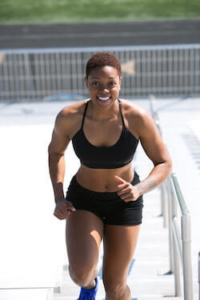
While delayed onset muscle soreness can’t be avoided entirely, there are things you can do to manage the discomfort and facilitate a faster recovery from DOMS.

Ease into activity and intensity: It can be tempting to jump into an activity you enjoy or a new exercise routine with enthusiasm and a desire to push yourself well beyond your comfort zone, but moderation is key! Overdoing things too early leads to increased muscle soreness and longer recovery periods. 

Adequate recovery and light movement: It seems counterintuitive when you’re already sore from activity, but one of the best ways to decrease delayed onset muscle pain and tension is by engaging your muscles in light activity. If your DOMS is particularly intense, it’s best to give yourself a day or two of complete rest. But resume light activity (such as yoga, swimming, or walking) as soon as you can to ease muscle stiffness and increase circulation. 

Eat and hydrate well: your body needs ample hydration and nutrition, including amino acids and glycogen from carbohydrates, to repair your muscle fibres and recover from inflammation. You’ll still experience occasional DOMS, but you’ll be helping your body to recover faster.

Take a bath or sauna: The magnesium your skin absorbs from an Epsom salt bath and increased circulation from a warm bath or sauna can help with muscle stiffness and soreness.

Therapeutic massage: while your muscles may feel sore to the touch, a massage therapist will know what techniques to use to help facilitate lymphatic circulation and release tension in your muscles and fascia.

When in doubt, seek help: If delayed onset muscle soreness persists and interferes with your ability to return to activities after a few days of rest, it’s best to have things checked out to rule out muscle injury. A consultation with one of our practitioners can go a long way in helping you improve your physical strength, endurance and abilities while preventing pain and injury. 

Take the Next Step 

Give our team of practitioners a call at Diversified Health Clinic today at (250) 382-0018 or book an appointment online. If you’re not sure who to book your appointment with, ask us when you call. We’re happy to help answer your questions, address the cause of your pain and discomfort, and get you on the road to recovery.


March 14, 2022/by Diversified Health Clinic
Tags: Delayed onset muscle soreness, DOMS, Muscle Pain
Share this entry
  • Share on Facebook
  • Share on X
  • Share on WhatsApp
  • Share on Pinterest
  • Share on LinkedIn
  • Share on Tumblr
  • Share on Vk
  • Share on Reddit
  • Share by Mail
https://www.diversifiedhealth.ca/wp-content/uploads/2022/03/DH-Managing-Delayed-Onset-Muscle-Soreness-RF-Pex-1200x630-CX.jpg 630 1200 Diversified Health Clinic https://www.diversifiedhealth.ca/wp-content/uploads/2026/01/DiversifiedHealth-logo.png Diversified Health Clinic2022-03-14 08:00:262022-03-25 22:32:30Managing Delayed Onset Muscle Soreness Following Activity 
You might also like
Ouch! Is It A Strain or A Sprain?
Sore Muscles… Here’s What You Can Do!
What is Myofascial Pain Syndrome? | Health Care Victoria

Search our Blog

Search Search

Topics of Interest

Acupuncture Back Pain Chronic Back Pain Chronic Pain Custom Orthotics Diversified Health Clinic Victoria BC Dry Needling eToims exercise fitness Foot pain GoodLife Fitness Victoria Marathon Headaches Health Care Victoria Health Tips Healthy lifestyle Immune System IMS Inflammation Joint Pain Knee Injuries Low Back Pain Marathons Migraines natural health practitioner orthotics Pain management Pain Relief Physiotherapy physiotherapy victoria bc Plantar fasciitis Registered Massage Therapist Registered Massage Therapy Runner's knee Running Seasonal Allergies Skin Cancer Spinal Decompression Sports Injuries Stress Stretches Sunscreen Victoria therapeutic massage Vitamins walking

Categories

  • Acupuncture
  • Athletic Therapy
  • Careers
  • Chiropractic Care
  • Events
  • Exercise Library
  • Fitness
  • Guest Bloggers/Articles
  • Health Information
  • Massage Therapy
  • News
  • Orthotics
  • Physiotherapy
  • Practitioners in Focus
  • Uncategorized
  • Victoria Healthcare News
  • Video Library

Archive

News & Events

  • About Matthew Bryan, DC November 7, 2025
  • The Benefits of Shockwave Therapy Treatments February 28, 2023
  • Piriformis Syndrome: A Real Pain in the Butt January 31, 2023
  • Searching for a Personal Trainer in Victoria to Help You Achieve Your Goals? December 31, 2022
  • Are Winter Blues + Holiday Stress Making You Feel Grinchy?  November 28, 2022
  • Fact or Fiction? Is Joint Pain Worse in Cold Weather? October 28, 2022
  • Pelvic Health During Pregnancy and Postpartum Workshop September 26, 2022

patients choice winner

A Victoria, BC Chiropractor winner of the Patients’ Choice Awards.Verified by Opencare.com

Diversified Health Clinic

The Mosaic Building
1063 Fort St, Victoria, BC
V8V 3K5, Canada
250-382-0018
Monday7 a.m. – 7 p.m.
Tuesday7 a.m. – 7 p.m.
Wednesday7 a.m. – 7 p.m.
Thursday7 a.m. – 7 p.m.
Friday7 a.m. – 7 p.m.
Saturday9 a.m. – 4 p.m.
SundayBy Appointment
© Copyright - Diversified Health Clinic. Website by Victoria's iDreamDigital.
  • Link to Facebook
  • Link to Instagram
  • Link to X
  • Link to Youtube
  • Link to Rss this site
  • Link to Mail
Link to: Vertigo, BPPV and the Vestibular System Link to: Vertigo, BPPV and the Vestibular System Vertigo, BPPV and the Vestibular SystemVertigo, BPPV and the Vestibular SystemLink to: Is Personal Training for You? Link to: Is Personal Training for You? Is Personal Training for You?Is Personal Training for You?
Scroll to top Scroll to top Scroll to top

Would you like to learn more about our COVID-19 Protocols?

Our ProtocolsDismiss

Cookie and Privacy Settings


How we use cookies

We may request cookies to be set on your device. We use cookies to let us know when you visit our websites, how you interact with us, to enrich your user experience, and to customize your relationship with our website.

Click on the different category headings to find out more. You can also change some of your preferences. Note that blocking some types of cookies may impact your experience on our websites and the services we are able to offer.

Essential Website Cookies

These cookies are strictly necessary to provide you with services available through our website and to use some of its features.

Because these cookies are strictly necessary to deliver the website, refusing them will have impact how our site functions. You always can block or delete cookies by changing your browser settings and force blocking all cookies on this website. But this will always prompt you to accept/refuse cookies when revisiting our site.

We fully respect if you want to refuse cookies but to avoid asking you again and again kindly allow us to store a cookie for that. You are free to opt out any time or opt in for other cookies to get a better experience. If you refuse cookies we will remove all set cookies in our domain.

We provide you with a list of stored cookies on your computer in our domain so you can check what we stored. Due to security reasons we are not able to show or modify cookies from other domains. You can check these in your browser security settings.

Google Analytics Cookies

These cookies collect information that is used either in aggregate form to help us understand how our website is being used or how effective our marketing campaigns are, or to help us customize our website and application for you in order to enhance your experience.

If you do not want that we track your visit to our site you can disable tracking in your browser here:

Other external services

We also use different external services like Google Webfonts, Google Maps, and external Video providers. Since these providers may collect personal data like your IP address we allow you to block them here. Please be aware that this might heavily reduce the functionality and appearance of our site. Changes will take effect once you reload the page.

Google Webfont Settings:

Google Map Settings:

Google reCaptcha Settings:

Vimeo and Youtube video embeds:

Other cookies

The following cookies are also needed - You can choose if you want to allow them:

Privacy Policy

You can read about our cookies and privacy settings in detail on our Privacy Policy Page.

Privacy Policy
Accept settingsHide notification only