

Injury Recovery in Greater Victoria, BC - Call us to book an appointment: (250) 382-0018
Diversified Health Clinic
  • Welcome
  • About
    • Meet our Team
      • Dr. Matthew Bryan DC
      • Dr. Tessa Bryan DC
      • Dr. Krisjan Gustavson DC
      • Dr. Alexia Grelson DC
      • Dr. Ian Hyams MD
      • Kanu Priya, (MPT)
      • Spirit Donahue MPT
      • Morag Hart RMT
      • Craig Lawrence RMT
      • McKenzie Connell RMT
      • Braedan Pearce RMT
      • Angelina Schaaf BCAK
      • Christian Schwarz BCAK
      • Annie Wang R.Ac, R.TCM.P
      • Rebecca Thompson, R.Ac, R.TCM.P
      • Lauren Ching R.Ac
      • Laura Grohovac CCC
    • Our Clinic
    • Careers
  • Disciplines
    • Disciplines
      • Chiropractic
      • Physiotherapy
      • Registered Massage Therapy
      • Kinesiology
      • Acupuncture
      • Clinical Counselling
      • Personal Training
    • Treatments
      • Spinal Decompression
      • Shockwave
      • Class IV K Laser
      • eToims Needle-less IMS
      • Orthotics
      • Pelvic Floor Physiotherapy
  • Conditions
    • Plantar Fasciitis
    • Running Injuries
    • Allergies
    • Concussion Treatment
    • Bursitis
    • Tennis Elbow
    • TMJ Disorder
    • Automobile Collisions
    • Nerve Pain with Sciatica
    • Sport Injuries
    • Stress
    • Runner’s Knee
    • Vertigo & Vestibular Rehab
    • Concussions
  • Pricing
  • News & Events
    • News
    • Events
    • Practitioners In Focus
    • Exercise Library
  • Contact
  • ICBC Claims
  • Book Now!
  • News
  • Menu Menu
  • Link to Facebook
  • Link to Instagram
  • Link to X
  • Link to Youtube
  • Link to Rss this site
  • Link to Mail
  • Welcome
  • About
    • Meet our Team
    • Our Clinic
    • Careers
  • Disciplines
  • Conditions
  • Pricing
  • News
    • News & Advice
    • Practitioners In Focus
  • Contact
  • ICBC Claims
  • Book Now!

Tag Archive for: healthy running

Fitness, Physiotherapy

Trail Running Versus Road Running: Which Is Better?

Trail Running Versus Road Running: Which Is Better?

Over the past year I’ve gotten a lot more into trail running, largely because of getting a puppy who loves to get out in nature even more than I do. Doing so has given me a chance to reflect on how running on the trail differs from running on the road and how doing both can complement one another and allow someone to progress their training volume while potentially mitigating risk of overuse injury. Let’s take a closer look at the pros and cons of trail running and road running.

First, Let’s Talk About Trails

Trail Running Pros

An obvious pro of trail running is the scenery–variable terrain and conditions make it tough for a trail run to feel monotonous, and getting into the calm of the forest or mountains is therapeutic in and of itself. Let’s assume that your average trail run has more elevation gain than a similar distance road run. Elevation gain is particularly challenging on the heart and lungs, as it is easy to work close to your maximum heart rate on a prolonged climb. Spending time close to your maximum cardiac output is the best way to increase your cardiorespiratory fitness (it is no wonder that cross-country skiers have the highest cardiorespiratory fitness among endurance athletes). Herein, trail running may be superior in improving the capacity of our heart and lungs (Tabata et al. 1996).

Now, Let’s Consider Terrain

Running Terrain

It is common to hear that hills are hard on the knees, and this holds some truth. Running uphill taxes your quadricep muscles more than any other muscle group, while running downhill puts heavy load on your patellar tendons (just below the kneecap). These add up to trail running more likely contributing to the development of sources of knee pain such as patellar tendinopathy and patellofemoral pain. Uphill running also places added strain on the Achilles tendon, another common site of overuse pain for runners. Additionally, research has shown that the prevalence of low back pain is higher in trail runners. If you are currently experiencing patellar or Achilles tendinopathy or low back pain with your trail running, it may be wise to temporarily move away from the trail and on to level ground to better allow these areas of symptom to settle down. It should also be noted that the risk of traumatic injury such as knee or ankle sprains may be higher in trail running due the uneven surfaces typically run on (Malliaropoulos et al. 2015).

Compared to the Benefits of Road Running
Road Running Benefits

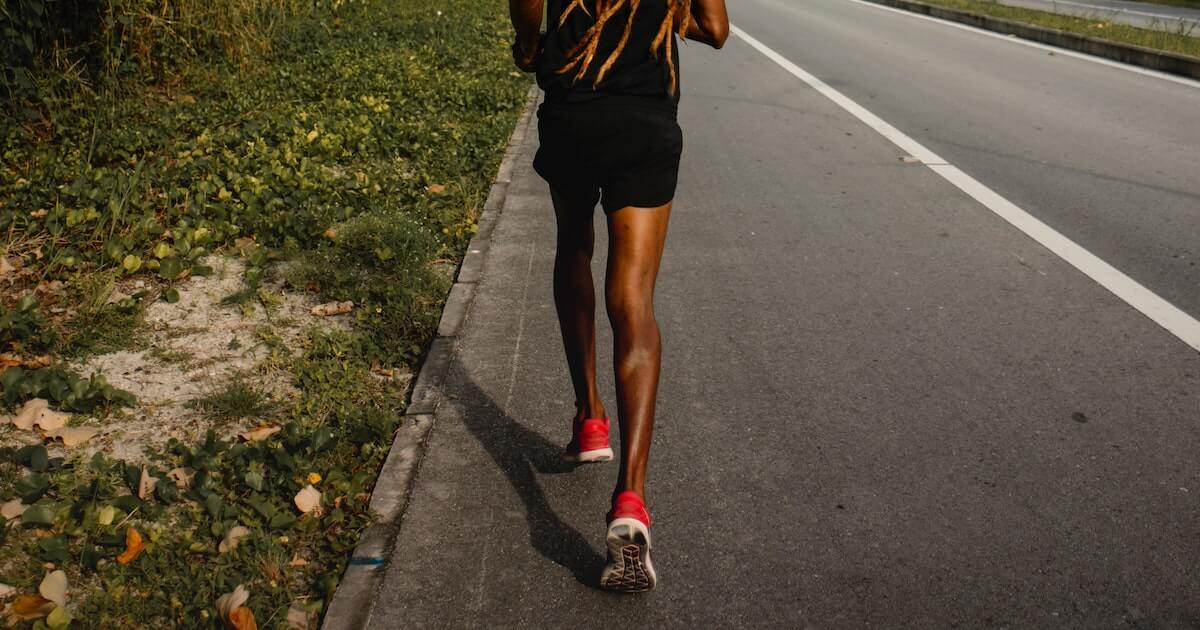
Road running has some obvious pros as well–it is tough to beat the convenience of hopping out your front door and right into your run. If you are someone that finds motivation in time and pacing, running on the road is ideal for you. It can be a bit easier to monitor and progress your training volume and intensity on the road if you are running similar tracks each time, which can assist with motivation. Running on hard surfaces such as pavement is not inherently bad, but it does create more ground reaction force that must be absorbed by the body in comparison to soft surfaces. Overuse injuries that are contributed most significantly by impact volume such as plantar fasciopathy, shin splints and stress fractures are more likely to come up when running on hard, non-variable surfaces. If you have a history or are currently managing any of these ailments, you may want to consider moving your training on to softer surfaces (Tschopp and Brunner, 2017).

Variety Wins for More Reasons than One

Ultimately, I believe overuse injury is best avoided by bringing variability into your training. Using a combination of trail and road running may allow for a higher relative volume of training while potentially reducing the risk of developing an overuse injury contributed by the surfaces you are running on. It is important to note that modifying the terrain you run on is likely less significant than modifying overall training volume/programming and biomechanics in relation to managing and avoiding overuse injury. It is also important to ensure your training matches your running goals. If you are training for a marathon road run, you should absolutely put most, if not all, of your mileage on the road leading up to the race, and the same goes for the trail. But if you are running to stay fit and for the agonizing enjoyment of it, adding some variability to your training may be a nice change of pace!

Luke Miles | Physiotherapist

Author: Luke Miles, MPT, BSc KIN | Physiotherapist 

Book Your Appointment With Luke Miles

If you have questions about your training and how to prevent or recover from overuse injuries, contact our clinic today at (250) 382-0018 or book an appointment online with physiotherapist Luke Miles at Diversified Health Clinic in downtown Victoria.

References

Malliaropoulos, N., Mertyri, D., and Tsaklis, P. 2015. Prevalence of injury in ultra trail running. Human Movement, 16(2): 52-59.

Tabata, I., Ogita, F., Miyachi, M. 1996. Effect of moderate-intensity endurance and high-intensity intermittent training on anaerobic capacity and VO(2max). Medicine & Science in Sports & Exercise, 28(10): 1327-1330.

Tschopp, M., and Brunner, F. 2017. Disease and overuse injuries of lower extremities in long distance runners. Zeitschrift fur Rheumatologie, 76(5): 443-450.

 

March 11, 2021/by Diversified Health Clinic
https://www.diversifiedhealth.ca/wp-content/uploads/2021/03/DH-Trail-Running-vs-Road-RF-Uns-1200x630-CX.jpg 630 1200 Diversified Health Clinic https://www.diversifiedhealth.ca/wp-content/uploads/2026/01/DiversifiedHealth-logo.png Diversified Health Clinic2021-03-11 00:13:222022-03-25 22:34:31Trail Running Versus Road Running: Which Is Better?
Health Information, Physiotherapy

Runner’s Knee

runners knee

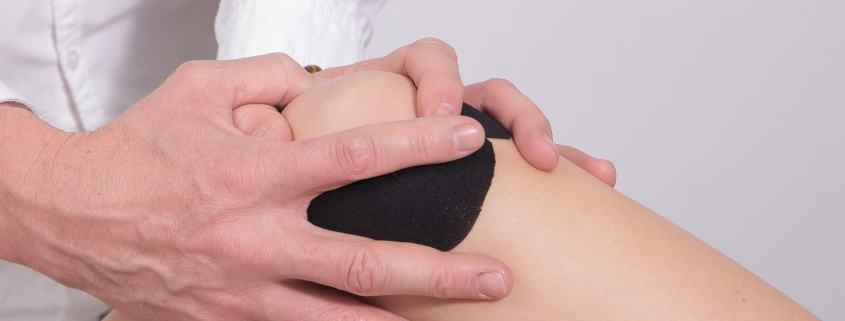
‘Runner’s Knee’ is the nickname given to the condition Patellofemoral Pain Syndrome (PFPS). It is a common issue amongst runners, both recreational and competitive. Generally characterized by pain or discomfort where the kneecap (patella) rests on the thigh bone (femur), it can range from mild to severe in the level of pain that it presents with.


It afflicts almost twice as many women as men; this is thought to be due to the tendency of the female hip structure to be wider, resulting in more of an angle of the thigh bone from the hip to the knee. Younger runners also tend to be more affected although the reason for that is uncertain.


Biomechanical issues are often to blame but other likely cause are: tight hamstrings, poorly – or improperly – conditioned quadriceps, or other muscle imbalances.

Quadriceps that are too weak to support the patella can lead to improper alignment and tracking. Tight hamstrings can pull, placing pressure on the knee and causing pain and discomfort as well. Having a professional assessment, treatment and exercise prescription can help with these concerns. Adding stretching and strengthening exercises is a proven method to treat PFPS.


Symptoms

Some of the most common symptoms of PFPS are:

  • Soreness or tenderness behind or around the kneecap, often around the center of the kneecap.
  • Pain in the back of the knee.
  • A sense of weakness or instability; like your knee may “give out”.
  • Sharp pain in the kneecap when going up stairs or hills.
  • Dull, aching pain with movement.


Prevention and Treatment

  • Run on softer rather than harder surfaces if you can.
  • Reduce your mileage and intensity if you are experiencing pain.
  • Avoid downhill slopes and deep knee bending activity until the pain subsides
  • Ensure that you are stretching properly and enough. If you aren’t sure about how to stretch or what muscles to pay attention to, speak to a professional.
  • Strengthen your muscles and maintain the strength. Again, if you are uncertain where your imbalances are; talk to a sport medicine therapist, physiotherapist or certified personal trainer for assistance.
  • Check out your footwear: if your shoes are older or worn, some attention here may make all the difference to your PFPS. Runners who put a lot of miles of their shoes need to replace them more often – remember, it’s not just how long you’ve had your shoes but how much you use them. Specialty running shops are great for advice on different types of shoes for a variety of needs and foot types.
  • Consider orthotics and having a professional gait analysis done if new shoes don’t help.
  • Have your technique assessed for movement imbalances. Having a Physiotherapist or Sport Medicine professional assess your gait (while you are actively running) can help to spot issues that you may not be aware of.


While Patellofemoral Pain Syndrome is a common and disruptive issue for many runners, it can be effectively prevented, managed and treated.

Happy and healthy running!

April 17, 2018/by Diversified Health Clinic
https://www.diversifiedhealth.ca/wp-content/uploads/2018/04/runners-knee.jpg 1357 1920 Diversified Health Clinic https://www.diversifiedhealth.ca/wp-content/uploads/2026/01/DiversifiedHealth-logo.png Diversified Health Clinic2018-04-17 09:00:212019-12-27 15:57:59Runner’s Knee

Search our Blog

Search Search

Topics of Interest

Acupuncture Back Pain Chronic Back Pain Chronic Pain Custom Orthotics Diversified Health Clinic Victoria BC Dry Needling eToims exercise fitness Foot pain GoodLife Fitness Victoria Marathon Headaches Health Care Victoria Health Tips Healthy lifestyle Immune System IMS Inflammation Joint Pain Knee Injuries Low Back Pain Marathons Migraines natural health practitioner orthotics Pain management Pain Relief Physiotherapy physiotherapy victoria bc Plantar fasciitis Registered Massage Therapist Registered Massage Therapy Runner's knee Running Seasonal Allergies Skin Cancer Spinal Decompression Sports Injuries Stress Stretches Sunscreen Victoria therapeutic massage Vitamins walking

Categories

  • Acupuncture
  • Athletic Therapy
  • Careers
  • Chiropractic Care
  • Events
  • Exercise Library
  • Fitness
  • Guest Bloggers/Articles
  • Health Information
  • Massage Therapy
  • News
  • Orthotics
  • Physiotherapy
  • Practitioners in Focus
  • Uncategorized
  • Victoria Healthcare News
  • Video Library

Archive

News & Events

  • About Matthew Bryan, DC November 7, 2025
  • The Benefits of Shockwave Therapy Treatments February 28, 2023
  • Piriformis Syndrome: A Real Pain in the Butt January 31, 2023
  • Searching for a Personal Trainer in Victoria to Help You Achieve Your Goals? December 31, 2022
  • Are Winter Blues + Holiday Stress Making You Feel Grinchy?  November 28, 2022
  • Fact or Fiction? Is Joint Pain Worse in Cold Weather? October 28, 2022
  • Pelvic Health During Pregnancy and Postpartum Workshop September 26, 2022

patients choice winner

A Victoria, BC Chiropractor winner of the Patients’ Choice Awards.Verified by Opencare.com

Diversified Health Clinic

The Mosaic Building
1063 Fort St, Victoria, BC
V8V 3K5, Canada
250-382-0018
Monday7 a.m. – 7 p.m.
Tuesday7 a.m. – 7 p.m.
Wednesday7 a.m. – 7 p.m.
Thursday7 a.m. – 7 p.m.
Friday7 a.m. – 7 p.m.
Saturday9 a.m. – 4 p.m.
SundayBy Appointment
© Copyright - Diversified Health Clinic. Website by Victoria's iDreamDigital.
  • Link to Facebook
  • Link to Instagram
  • Link to X
  • Link to Youtube
  • Link to Rss this site
  • Link to Mail
Scroll to top Scroll to top Scroll to top

Would you like to learn more about our COVID-19 Protocols?

Our ProtocolsDismiss

Cookie and Privacy Settings


How we use cookies

We may request cookies to be set on your device. We use cookies to let us know when you visit our websites, how you interact with us, to enrich your user experience, and to customize your relationship with our website.

Click on the different category headings to find out more. You can also change some of your preferences. Note that blocking some types of cookies may impact your experience on our websites and the services we are able to offer.

Essential Website Cookies

These cookies are strictly necessary to provide you with services available through our website and to use some of its features.

Because these cookies are strictly necessary to deliver the website, refusing them will have impact how our site functions. You always can block or delete cookies by changing your browser settings and force blocking all cookies on this website. But this will always prompt you to accept/refuse cookies when revisiting our site.

We fully respect if you want to refuse cookies but to avoid asking you again and again kindly allow us to store a cookie for that. You are free to opt out any time or opt in for other cookies to get a better experience. If you refuse cookies we will remove all set cookies in our domain.

We provide you with a list of stored cookies on your computer in our domain so you can check what we stored. Due to security reasons we are not able to show or modify cookies from other domains. You can check these in your browser security settings.

Google Analytics Cookies

These cookies collect information that is used either in aggregate form to help us understand how our website is being used or how effective our marketing campaigns are, or to help us customize our website and application for you in order to enhance your experience.

If you do not want that we track your visit to our site you can disable tracking in your browser here:

Other external services

We also use different external services like Google Webfonts, Google Maps, and external Video providers. Since these providers may collect personal data like your IP address we allow you to block them here. Please be aware that this might heavily reduce the functionality and appearance of our site. Changes will take effect once you reload the page.

Google Webfont Settings:

Google Map Settings:

Google reCaptcha Settings:

Vimeo and Youtube video embeds:

Other cookies

The following cookies are also needed - You can choose if you want to allow them:

Privacy Policy

You can read about our cookies and privacy settings in detail on our Privacy Policy Page.

Privacy Policy
Accept settingsHide notification only