
Injury Recovery in Greater Victoria, BC - Call us to book an appointment: (250) 382-0018
Diversified Health Clinic
  • Welcome
  • About
    • Meet our Team
      • Dr. Matthew Bryan DC
      • Dr. Tessa Bryan DC
      • Dr. Krisjan Gustavson DC
      • Dr. Alexia Grelson DC
      • Dr. Ian Hyams MD
      • Kanu Priya, (MPT)
      • Spirit Donahue MPT
      • Morag Hart RMT
      • Craig Lawrence RMT
      • McKenzie Connell RMT
      • Braedan Pearce RMT
      • Angelina Schaaf BCAK
      • Christian Schwarz BCAK
      • Annie Wang R.Ac, R.TCM.P
      • Rebecca Thompson, R.Ac, R.TCM.P
      • Lauren Ching R.Ac
      • Laura Grohovac CCC
    • Our Clinic
    • Careers
  • Disciplines
    • Disciplines
      • Chiropractic
      • Physiotherapy
      • Registered Massage Therapy
      • Kinesiology
      • Acupuncture
      • Clinical Counselling
      • Personal Training
    • Treatments
      • Spinal Decompression
      • Shockwave
      • Class IV K Laser
      • eToims Needle-less IMS
      • Orthotics
      • Pelvic Floor Physiotherapy
  • Conditions
    • Plantar Fasciitis
    • Running Injuries
    • Allergies
    • Concussion Treatment
    • Bursitis
    • Tennis Elbow
    • TMJ Disorder
    • Automobile Collisions
    • Nerve Pain with Sciatica
    • Sport Injuries
    • Stress
    • Runner’s Knee
    • Vertigo & Vestibular Rehab
    • Concussions
  • Pricing
  • News & Events
    • News
    • Events
    • Practitioners In Focus
    • Exercise Library
  • Contact
  • ICBC Claims
  • Book Now!
  • News
  • Menu Menu
  • Link to Facebook
  • Link to Instagram
  • Link to X
  • Link to Youtube
  • Link to Rss this site
  • Link to Mail
  • Welcome
  • About
    • Meet our Team
    • Our Clinic
    • Careers
  • Disciplines
  • Conditions
  • Pricing
  • News
    • News & Advice
    • Practitioners In Focus
  • Contact
  • ICBC Claims
  • Book Now!
Acupuncture, Chiropractic Care, Massage Therapy, Physiotherapy

Treatments To Consider For Low Back Pain

Most cases of low back pain can be caused by a variety of problems, including muscle strain or sprain, herniated disc or degenerative disc disease. Typical sources of low back pain include:

  • Osteoarthritis
  • Muscle spasm
  • Ruptured or herniated disk
  • Sciatica
  • Strain or tears to the muscles or ligaments supporting the back
  • The nerve roots in the low back, may be irritated
  • The bones, ligaments or joints may be damaged

Low back pain from a muscle strain is the most common and can be caused by lifting a heavy object, lifting while twisting, or a sudden movement or fall.  While pain or discomfort can happen anywhere in your back, the most common area affected is your low back.

When the muscles in the low back are strained or torn, the area around the muscles becomes inflamed.  This inflammation causes the muscles in the back to spasm and cause low back pain.

Treatment for low back pain depends upon the patient’s history and the type and severity of pain. The vast majority of lower back pain cases get better within six to eight weeks.

Treating low back pain consists of a combination of treatments, such as Chiropractic, Massage, Physiotherapy, Acupuncture, Cryo/Hydro Therapy, Laser Therapy, TENS therapy, Ultrasound, eToims, Decompression Table, Graston Technique, Shockwave Therapy, Neuro-mechanical Adjusting Tool as well as topical ointments such as Traumeel and nutritional supplements that help with inflammation.

An exercise program is necessary and essential to rehabilitate the spine, increase your range of motion and help alleviate back pain.

With the first symptoms of low back pain, stop the activity for the first few days; this allows injured tissue to begin to heal, and reduce any swelling or inflammation. You can also apply heat/ice to the painful area. Always use ice for the first 48-72 hours, then use heat.  You can also take something to help with the inflammation such as ibuprofen or nutritional supplements.

March 30, 2017/by Carmen Scott
0 0 Carmen Scott https://www.diversifiedhealth.ca/wp-content/uploads/2026/01/DiversifiedHealth-logo.png Carmen Scott2017-03-30 11:20:462021-03-01 22:47:08Treatments To Consider For Low Back Pain
Chiropractic Care, Physiotherapy

Shockwave Therapy For Acute and Chronic Pain

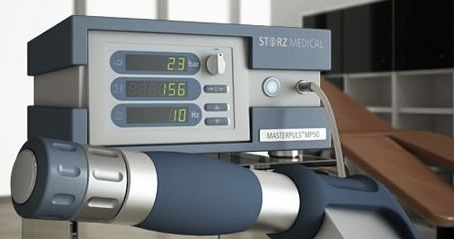
Shockwave Therapy is a non-surgical treatment of soft tissue, bone, and joint pain.  Shockwave Therapy provides a safe, non-invasive, non-surgical alternative for those suffering with acute and chronic pain such as: knee pain, heel pain, foot pain, ankle pain, hamstring pain, back pain, neck pain, shoulder pain, elbow pain, wrist pain and hand pain.  It is also used to address sports injuries, scar tissue, stress fractures, enhance bone healing, and anyone suffering from joint and tendon disorders.

There are no side effects or long term effects with shockwave therapy and no extended recovery period. Shockwave therapy improves the metabolism in the pain region, increases blood circulation, promotes and accelerates the recovery of injured tissue, and stimulates the body’s repair mechanisms. Damaged tissue gradually regenerates and eventually heals.

Shockwave Therapy:

~ Decreases muscle tension and spasms
~ Reduces pain in the affected area
~ Decreases risk of Oedema (build up of fluid in the body which causes the affected tissue becoming swollen)
~ Increases production of collagen
~ Improves metabolism and circulation
~ Increases oxygenation to the damaged tissue
~ Dissolves calcified fibroblasts (type of cell that is responsible for making collagen)

Shockwave Therapy is exceptionally good at pain management by stimulating a metabolic reaction in the affected tissue, causing stress fibers to change in their permeability. Shockwave Therapy breaks down calcific deposits which induces an analgesic reaction, which blocks pain messages.

During a Shockwave treatment, a high-intensity sound wave interacts with the tissues of the body, effectively re-injuring the area on a cellular level and breaking up scarring that has occurred in the tendons and ligaments.  The controlled re-injuring of tissue allows the body to regenerate blood vessels and bone cells.  The resulting re-vascularization leads to faster healing, reversal of chronic inflammation, stimulation of collagen and a return to pre-injury activity levels.

To find out more about Shockwave Therapy, and to find out if this treatment is right for you, please contact our health care practitioners at 250-382-0018.

March 27, 2017/by Carmen Scott
0 0 Carmen Scott https://www.diversifiedhealth.ca/wp-content/uploads/2026/01/DiversifiedHealth-logo.png Carmen Scott2017-03-27 11:01:442017-03-27 11:01:44Shockwave Therapy For Acute and Chronic Pain
Physiotherapy

Physiotherapy & Running

Physiotherapy Association of British Columbia article on:  How Physiotherapy Can Prevent & Treat Injury

Whether you are new to running or a long time fan, injuries are unfortunately common in the sport. From minor aches and pains to strains, sprains or broken bones, many injuries can keep you from continuing to enjoy running. A physiotherapist can work with you to treat a running injury, and they can also help you prevent injuries before they happen by doing gait analysis, recommending stretches, warm up exercises and

Whether you’re a dedicated longtime runner or someone who has just started out with a running goal, a physio can be a great ally to helping you both excel at and enjoy running as form of exercise. No matter what your level of fitness is, a physiotherapist will help you diagnose a running injury, treat the issue and give you easy to follow exercises and stretches you can do to improve strength and prevent further injury.

Depending on the type of running injury, techniques to treat them can include manual therapy, specialized stretches and exercises, ultrasound, taping, night splints, orthotics, acupuncture and more. For immediate relief from sprains, for example, physiotherapists will treat you with electrotherapy such as ultrasound and laser, and supportive bracing and taping to start your recovery. Physiotherapists can develop custom treatments and exercises for you that will be appropriate to your specific injury and your own level of fitness.

To read more tips about how working with a physio can help you either prevent a running injury or recover from one, download  the Physiotherapy Association of British Columbia’s tip sheet.

March 23, 2017/by Diversified Health Clinic
0 0 Diversified Health Clinic https://www.diversifiedhealth.ca/wp-content/uploads/2026/01/DiversifiedHealth-logo.png Diversified Health Clinic2017-03-23 10:06:452017-03-23 10:06:45Physiotherapy & Running
Health Information

Vitamins You Need If You’re A Runner

Eating a healthy diet is essential to having a healthy body. If you are a runner, you need to make sure that you are eating well and consuming the right amount of nutrients and vitamins to help fuel your body.

Below are a few of the essential vitamins that runners should be incorporating into their diets.

Vitamin B12

Vitamin B12 is a water-soluble vitamin that is involved in the formation of red blood cells. as well as being a a key role in the normal functioning of the brain and nervous system.  The daily recommend amount is 2.4 micrograms.

Vitamin B12 is naturally found in animal products, including fish, meat, poultry, eggs, milk, and milk products.

Calcium

Calcium is required for vascular health, muscle function, nerve transmission and bone health. The daily recommend amount is 1,000 milligrams.

Calcium is naturally found in milk, yogurt, cheeses, as well as non-dairy sources like cabbage, kale, and broccoli.

Vitamin C

Vitamin C is a water-soluble vitamin that is required for the biosynthesis of collagen and is, also an antioxidant. The daily recommend amount is 90 milligrams for men and 75 milligrams for women.

Good food sources for vitamin C include peppers, kiwifruit, broccoli, strawberries, citrus fruits, tomatoes and potatoes.

Vitamin D

Vitamin D is a fat-soluble vitamin that promotes calcium absorption and is needed for bone growth.  The daily recommend amount is 600 IU.

Fatty fish such as salmon, tuna, and mackerel, as well as egg yolks are among the best sources of vitamin D.

Vitamin E

Vitamin E helps your immune system fight against viruses and bacteria. Vitamin E is also a powerful anti-inflammatory antioxidant.   The daily recommend amount is 15 milligrams.

Numerous foods provide vitamin E; such as nuts, seeds, and vegetable oils.

Iron

Iron is a mineral that is an essential component of hemoglobin, and is also necessary for the growth and development of normal cellular functions.  The daily recommend amount is 8 milligrams for men and 18 milligrams for women.

The richest sources of iron is lean meats, seafood, nuts and beans.

Omega-3

Omega-3s have been shown to reduce inflammation and help in the process of tissue repair.  The daily recommend amount is 1.6 milligrams for men and 18.1 milligrams for women.

The easiest way to increase your omega 3, is to consume cold-water fatty fish, such as salmon, mackerel, tuna, and sardines.

Eating a healthy diet is just part of a healthy lifestyle. Contact your health care practitioner for more information.

March 20, 2017/by Carmen Scott
0 0 Carmen Scott https://www.diversifiedhealth.ca/wp-content/uploads/2026/01/DiversifiedHealth-logo.png Carmen Scott2017-03-20 11:48:562017-03-20 11:48:56Vitamins You Need If You’re A Runner
Health Information

TC10K Race – April 30th, 2017

One of the biggest running event of the year in Victoria BC is just around the corner: the 28th annual TC 10K run! This year the race is on Sunday, April 30th.

The TC10K Run is accepting registrations for racers of all ages, as well as, competitive and recreational wheelchair athletes , elite athletes, visually impaired athletes, Nordic pole walkers, and The Thrifty Foods 1.5K Family Run.  The Competitive Walk Category will not be offered this year.

Whether you are a seasoned runner or a first timer, here are a few tips to help you on your way:

The day before the race:

  • Keep to your regular schedule, eat correctly, hydrate and get sleep. Race week isn’t the time to try new shoes, new food or drinks, new gear, or anything else you haven’t used on several workouts.
  • Re-read your race package and double check that you have everything you need. Pack your race bag, lay out your clothes and runners and know what time you need to leave the house.

The night before the race:

  • Make sure that everything you need for the morning is ready to go. Make sure you pack essential items such as the Race Bib number, safety pins, race timing chip, watch, smartphone etc.
  • Don’t drink alcohol or caffeine the night before your race as it can have a dehydrating effect.
  • Find out the weather conditions and dress accordingly Don’t overdress –  a good rule of thumb is to dress for 20 degrees warmer than it is outside.

Race day: before the race

  •  Allow yourself plenty of time to travel to the race start area,  check in, and warm up – factoring in the large crowds and street closures.
  • The race start area will be chaotic. At the start of the race there will be lots of people running shoulder to shoulder so be mentally prepared for this. Take a few minutes to find your pace.
  • Line up early, so you don’t have to be rushing to the starting line
  • Try not to stress about the race – The TC10K  Race is a positive community events. There are volunteers throughout the race that will be cheering you on, offering water, and entertainment along the route.

For a “first timer”, is is better to start slow, and stay steady. Run the first 10 percent of the race slower than you normally would, and then keep an even pace throughout the reminder of the race.  Save your extra energy for the final stretch to the finish line.

Race day: after the race

  • When you’ve crossed the finish line, grab some water and get in some calories when you finish, then keep moving.  A 15 minute walk will help your recovery.
  • The next day, it’s important to do some sort of non impact activity like swimming to help your body recover.

On race day, it’s all about believing in yourself, enjoying the journey and having fun.

March 13, 2017/by Carmen Scott
0 0 Carmen Scott https://www.diversifiedhealth.ca/wp-content/uploads/2026/01/DiversifiedHealth-logo.png Carmen Scott2017-03-13 11:53:342017-03-13 11:53:34TC10K Race – April 30th, 2017
Chiropractic Care

Benefits of Class IV K-Laser Therapy

Class IV K-Laser Therapy is a proven therapeutic treatment that manages pain and inflammation while accelerating tissue regeneration. Laser energy increases circulation, drawing water, oxygen, and nutrients to the damaged area. This creates an optimal healing environment that reduces inflammation, swelling, muscle spasm, stiffness and pain.

Studies show Laser Therapy helps reduce pain associated with these common medical conditions:

Contact our health care practitioners to see if the Class IV K-Laser can help with your treatments.

Thanks to K-Laser for the image.

March 9, 2017/by Carmen Scott
0 0 Carmen Scott https://www.diversifiedhealth.ca/wp-content/uploads/2026/01/DiversifiedHealth-logo.png Carmen Scott2017-03-09 10:21:292017-03-09 10:21:29Benefits of Class IV K-Laser Therapy
Chiropractic Care, Physiotherapy

How to Treat an Ankle Injury

An ankle injury occurs when the joint is twisted too far out of its normal position. Most ankle injuries occur during sports, walking or hiking, or by wearing ill-fitting foot wear.  An ankle injury can be caused from tripping, falling, jumping, walking on uneven surfaces, items falling on you, or a car accident.

What should you do immediately after an ankle injury? Use the R.I.C.E protocol.

Rest: Rest the ankle and keep weight off of it.
Ice:  Ice immediately and (up to 72 hours of the injury), never leave the ice on for longer than 20 minutes at a time, repeating every 40 minutes.
Compression:  Wrap the injured ankle, keep it immobile and supported.
Elevate: Elevating the injured ankle to at least the level of your heart  – this will reduce swelling.

Ankle injuries are graded as mild, moderate, or severe.

Mild sprains –  grade 1: treat with the RICE therapy for several days until the pain and swelling  has improved. The healing process will take anywhere from 2 to 5 days. Your health care practitioner can prescribe range of motion, stretching, and strengthening exercises.

Moderate sprains – grade 2: treat with the RICE therapy procedures as above.  Your healthcare practitioner or doctor will prescribe a brace or splint to immobilize the ankle, and prescribe exercises to improve range of motion and to strengthen the ankle.  You may not be able to place weight on the ankle for several days.

Severe sprains – grade 3:  this type of sprain involves a complete tear or rupture of a ligament. It’s treated with immobilization of the joint, which can include a cast, and will be followed by a longer period of physical therapy for range of motion, stretching, and strength building.  You will need the use of crutches for mobility and may need surgery to reconstruct the torn ligaments.   This type of sprain requires the immediate attention of a doctor.

The initial treatment of a sprain will include resting the ankle until the swelling goes down, ( 3- 7 days), followed by a period of one to two weeks of exercise to restore range of motion, and flexibility; and then several more weeks (3-12 weeks) before returning to your normal activities.

March 6, 2017/by Carmen Scott
0 0 Carmen Scott https://www.diversifiedhealth.ca/wp-content/uploads/2026/01/DiversifiedHealth-logo.png Carmen Scott2017-03-06 09:37:322017-03-06 09:37:32How to Treat an Ankle Injury
Acupuncture, Chiropractic Care

Relief For A Stiff Neck

A stiff neck is typically characterized with soreness and difficulty moving the neck.  Having a stiff neck can also lead to headaches, neck pain, and shoulder pain.  The most common cause of a stiff neck is muscle strain or soft tissue sprain.

When you have a stiff neck, it’s important to keep moving your neck to stop it stiffening up further. Move your neck gently in all directions every few hours, to try and increase your range of motion.

Here are some gentle stretches you can try to help avoid a stiff neck, or to improve your stiff neck:

  • Roll your shoulders backwards and down – 8 to 10 times
  • Squeeze your shoulder blades together – 8 to 10 times
  • Bring your ear to your shoulder 8 to 10 times on each side

A stiff neck is typically the result of muscles weakening over time from poor posture or misuse.  Try keeping these things in mind throughout your daily activities:

  • Sleep on a firm mattress, on your side or back – avoid sleeping on your stomach
  • Use a pillow that supports the natural curve of your neck – sleep on a low, firm pillow
  • Turn your chair to face your computer or laptop and adjust your chair so the screen is at eye level
  • Keep your head back over your spine rather than hunched forward
  • Keep up normal activities as much as possible, but avoid jerking or painful activities
  • Resting for one or two days will allow any injured tissue in the neck to begin to heal
  • Stretch regularly if you’re working at a desk, driving long distances, or sitting for prolong periods of time
  • If you feel stressed, try relaxation techniques such as deep breathing or meditation to help ease tension in your neck
  • Avoid looking down at your smart phone & having your neck bent forward for long periods of time
  • Apply heat or ice to the neck. Use ice for the first 48 to 72 hours, after 72 hours use heat
  • Take over-the-counter pain relievers such as ibuprofen or acetaminophen.

Massage therapy, acupuncture, physiotherapy and chiropractic treatments can all help to relive the pain and stiffness, caused by the weak muscles or over use of the muscles.

However, you should always talk to your health care practitioner or doctor if you suffer from the following symptoms:

  • The pain keeps getting worse
  • The neck area becomes tender
  • High fever
  • You have had a recent car accident, concussion, or sports injury
  • Numbness, or constant pins and needles in your arm that does not get better
March 2, 2017/by Carmen Scott
0 0 Carmen Scott https://www.diversifiedhealth.ca/wp-content/uploads/2026/01/DiversifiedHealth-logo.png Carmen Scott2017-03-02 11:02:262017-03-02 11:02:26Relief For A Stiff Neck

Search our Blog

Search Search

Topics of Interest

Acupuncture Back Pain Chronic Back Pain Chronic Pain Custom Orthotics Diversified Health Clinic Victoria BC Dry Needling eToims exercise fitness Foot pain GoodLife Fitness Victoria Marathon Headaches Health Care Victoria Health Tips Healthy lifestyle Immune System IMS Inflammation Joint Pain Knee Injuries Low Back Pain Marathons Migraines natural health practitioner orthotics Pain management Pain Relief Physiotherapy physiotherapy victoria bc Plantar fasciitis Registered Massage Therapist Registered Massage Therapy Runner's knee Running Seasonal Allergies Skin Cancer Spinal Decompression Sports Injuries Stress Stretches Sunscreen Victoria therapeutic massage Vitamins walking

Categories

  • Acupuncture
  • Athletic Therapy
  • Careers
  • Chiropractic Care
  • Events
  • Exercise Library
  • Fitness
  • Guest Bloggers/Articles
  • Health Information
  • Massage Therapy
  • News
  • Orthotics
  • Physiotherapy
  • Practitioners in Focus
  • Uncategorized
  • Victoria Healthcare News
  • Video Library

Archive

News & Events

  • About Matthew Bryan, DC November 7, 2025
  • The Benefits of Shockwave Therapy Treatments February 28, 2023
  • Piriformis Syndrome: A Real Pain in the Butt January 31, 2023
  • Searching for a Personal Trainer in Victoria to Help You Achieve Your Goals? December 31, 2022
  • Are Winter Blues + Holiday Stress Making You Feel Grinchy?  November 28, 2022
  • Fact or Fiction? Is Joint Pain Worse in Cold Weather? October 28, 2022
  • Pelvic Health During Pregnancy and Postpartum Workshop September 26, 2022

patients choice winner

A Victoria, BC Chiropractor winner of the Patients’ Choice Awards.Verified by Opencare.com

Diversified Health Clinic

The Mosaic Building
1063 Fort St, Victoria, BC
V8V 3K5, Canada
250-382-0018
Monday7 a.m. – 7 p.m.
Tuesday7 a.m. – 7 p.m.
Wednesday7 a.m. – 7 p.m.
Thursday7 a.m. – 7 p.m.
Friday7 a.m. – 7 p.m.
Saturday9 a.m. – 4 p.m.
SundayBy Appointment
© Copyright - Diversified Health Clinic. Website by Victoria's iDreamDigital.
  • Link to Facebook
  • Link to Instagram
  • Link to X
  • Link to Youtube
  • Link to Rss this site
  • Link to Mail
Scroll to top Scroll to top Scroll to top

Would you like to learn more about our COVID-19 Protocols?

Our ProtocolsDismiss

Cookie and Privacy Settings


How we use cookies

We may request cookies to be set on your device. We use cookies to let us know when you visit our websites, how you interact with us, to enrich your user experience, and to customize your relationship with our website.

Click on the different category headings to find out more. You can also change some of your preferences. Note that blocking some types of cookies may impact your experience on our websites and the services we are able to offer.

Essential Website Cookies

These cookies are strictly necessary to provide you with services available through our website and to use some of its features.

Because these cookies are strictly necessary to deliver the website, refusing them will have impact how our site functions. You always can block or delete cookies by changing your browser settings and force blocking all cookies on this website. But this will always prompt you to accept/refuse cookies when revisiting our site.

We fully respect if you want to refuse cookies but to avoid asking you again and again kindly allow us to store a cookie for that. You are free to opt out any time or opt in for other cookies to get a better experience. If you refuse cookies we will remove all set cookies in our domain.

We provide you with a list of stored cookies on your computer in our domain so you can check what we stored. Due to security reasons we are not able to show or modify cookies from other domains. You can check these in your browser security settings.

Google Analytics Cookies

These cookies collect information that is used either in aggregate form to help us understand how our website is being used or how effective our marketing campaigns are, or to help us customize our website and application for you in order to enhance your experience.

If you do not want that we track your visit to our site you can disable tracking in your browser here:

Other external services

We also use different external services like Google Webfonts, Google Maps, and external Video providers. Since these providers may collect personal data like your IP address we allow you to block them here. Please be aware that this might heavily reduce the functionality and appearance of our site. Changes will take effect once you reload the page.

Google Webfont Settings:

Google Map Settings:

Google reCaptcha Settings:

Vimeo and Youtube video embeds:

Other cookies

The following cookies are also needed - You can choose if you want to allow them:

Privacy Policy

You can read about our cookies and privacy settings in detail on our Privacy Policy Page.

Privacy Policy
Accept settingsHide notification only