
Injury Recovery in Greater Victoria, BC - Call us to book an appointment: (250) 382-0018
Diversified Health Clinic
  • Welcome
  • Meet our Team
    • Chiropractic
      • Dr. Matthew Bryan DC
      • Dr. Tessa Bryan DC
      • Dr. Krisjan Gustavson DC
      • Dr. Alexia Grelson DC
    • Physiotherapy
      • Spirit Donahue MPT
      • Kanu Priya MPT
      • Ivy Elling-Quaintance MPT
    • Registered Massage Therapy
      • Morag Hart RMT
      • Craig Lawrence RMT
      • McKenzie Connell RMT
      • Braedan Pearce RMT
      • Alex Baan-Meiklejohn RMT
    • Acupuncture
      • Annie Wang R.Ac R.TCM.P
      • Lauren Ching R.Ac
      • Rebecca Thompson R.Ac R.TCM.P
      • Jun Liu R.Ac
    • Kinesiology / Personal Training
      • Angelina Schaaf BCAK
      • Christian Schwarz BCAK
    • Medical Doctor
      • Dr. Ian Hyams MD
      • Jennifer Blum, EMSELLA
    • Clinical Counsellor
      • Laura Grohovac CCC
    • .
  • About
    • Our Clinic
    • Careers
  • Disciplines
    • Disciplines
      • Chiropractic
      • Physiotherapy
      • Registered Massage Therapy
      • Kinesiology
      • Acupuncture
      • Clinical Counselling
      • Medical Doctor
      • Personal Training
    • Treatments
      • Shockwave Therapy
      • Spinal Decompression
      • IMS (Intramuscular Stimulation)
      • Pelvic Floor Physiotherapy
      • EMSELLA
      • Men’s Health Program
      • Women’s Health Program
      • Class IV K Laser Therapy
      • Orthotics
      • eToims Needle-less IMS
  • Conditions
    • Plantar Fasciitis
    • Running Injuries
    • Allergies
    • Concussion Treatment
    • Bursitis
    • Tennis Elbow
    • TMJ Disorder
    • Automobile Collisions
    • Nerve Pain with Sciatica
    • Sport Injuries
    • Stress
    • Runner’s Knee
    • Vertigo & Vestibular Rehab
    • Concussions
  • Pricing
  • News & Events
    • News
    • Events
    • Practitioners In Focus
    • Exercise Library
  • Contact
  • ICBC Claims
  • Book Now!
  • News
  • Menu Menu
  • Link to Facebook
  • Link to Instagram
  • Link to X
  • Link to Youtube
  • Link to Rss this site
  • Link to Mail
  • Welcome
  • About
    • Meet our Team
    • Our Clinic
    • Careers
  • Disciplines
  • Conditions
  • Pricing
  • News
    • News & Advice
    • Practitioners In Focus
  • Contact
  • ICBC Claims
  • Book Now!
Health Information, Orthotics, Physiotherapy

Plantar Fasciitis: Why Your Heel Hurts in the Morning, What Helps and When to Get Checked

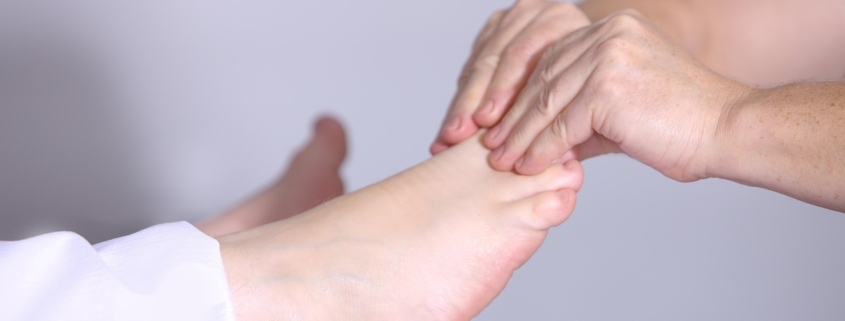
Practitioner massaging a patient's bare foot during treatment

You swing your feet out of bed, stand up, and a sharp stab hits the bottom of your heel. After a few minutes of hobbling around the kitchen, it eases off. If that sounds familiar, you may be dealing with plantar fasciitis, one of the most common causes of heel pain we see.

What is plantar fasciitis?

The plantar fascia is a thick band of tissue that runs along the bottom of your foot, from your heel bone to your toes. It supports your arch and acts a bit like a spring every time you take a step. When it’s loaded more than it can handle, it can become irritated and painful where it attaches to the heel.

Common signs include:

  • Sharp or stabbing pain under the heel or along the inside of the arch
  • Pain that’s worst with the first steps in the morning or after sitting
  • Pain that eases once you get moving, then builds again after a long day on your feet

Why does it happen?

Overnight, the fascia and calf muscles tighten up while you rest. Those first steps stretch them suddenly, which is why mornings tend to hurt most. The bigger question is why the tissue became irritated in the first place. Common contributors include:

  • A jump in activity. Adding running distance, starting a new walking routine or a weekend of hiking can all overload the foot.
  • Long hours standing. Retail, healthcare, trades and hospitality workers often spend most of the day on hard floors.
  • Tight calves and Achilles tendon. Less ankle flexibility means more strain on the bottom of the foot.
  • Foot shape and mechanics. Flat feet, high arches, or feet that roll in or out can change how load is shared.
  • Footwear. Worn-out shoes, flip-flops, or going barefoot on hard floors offer little support.

What can I do at home?

Simple, consistent changes often help. Give these a fair try for a few weeks:

  • Stretch before your first steps. Before getting out of bed, pull your toes back toward your shin for 20 to 30 seconds, a few times. A towel looped around the ball of your foot helps.
  • Stretch your calves. Lean into a wall with one leg back, heel down and knee straight, then repeat with the knee slightly bent. Hold each for about 30 seconds, a few times a day.
  • Roll the arch. Roll your foot over a frozen water bottle or a firm ball for a few minutes.
  • Wear supportive shoes, even at home. Choose shoes or slippers with a supportive arch and a bit of cushioning. Avoid going barefoot on hard floors.
  • Adjust, don’t stop. Cut back on the activity that flares it, like long runs or steep hikes, and swap in cycling or swimming for a while. Build back up gradually.

When should I get it checked?

Book an assessment if your heel pain hasn’t improved after two to three weeks of self-care, if it’s changing the way you walk, or if it keeps you from work, exercise or daily life. Heel pain can have other causes, such as Achilles problems, a stress fracture or an irritated nerve, so an assessment helps.

Get medical care right away (see your doctor, or go to emergency) if you have:

  • Heel pain after a fall or injury, especially with swelling, bruising or trouble putting weight on the foot
  • A sudden “pop” or kick-like feeling at the back of the heel or calf
  • Redness, warmth or swelling in the foot, or a fever
  • Numbness, tingling or burning in the foot
  • Diabetes along with foot pain, a sore that won’t heal, or changes in skin colour
  • Pain that’s constant, wakes you at night, or comes with pain and swelling in other joints

How we help with plantar fasciitis

Our team starts by looking at the whole picture: your foot, ankle, calf, hips, footwear and how you move. Then we build a plan that fits your work and activities. You can learn more on our plantar fasciitis page.

Physiotherapy

Physiotherapy focuses on calming the sore tissue and building strength and flexibility in the foot and calf, so it can handle your day again. Spirit Donahue, MPT centres his care on therapeutic exercise, manual therapy and patient education. Kanu Priya, MPT holds a Master’s in Sports Physiotherapy and uses manual therapy, dry needling (IMS), exercise prescription and functional rehab. Ivy Elling-Quaintance, MPT uses evidence-based exercise and movement and is particularly interested in athletic injuries and injury prevention.

Chiropractic and custom orthotics

Our chiropractors assess how your feet, ankles, knees and hips work together, and can treat the surrounding muscles and joints. They also assess and fit custom orthotics, using GaitScan pressure-plate technology and a foam cast of each foot. Orthotics may help if your arches, foot mechanics or long hours standing are part of the problem. Dr. Tessa Bryan, DC is certified in Custom Stabilizing Orthotics and uses soft tissue therapies, RockTape and exercise. Dr. Matthew Bryan, DC, Dr. Alexia Grelson, DC and Dr. Krisjan Gustavson, DC also fit custom orthotics.

Shockwave therapy

For heel pain that’s been hanging on, shockwave therapy is an option. It’s a non-surgical treatment that sends mechanical pulses into the sore tissue to stimulate the body’s healing response. Sessions take about 15 minutes, and a course is usually 3 to 6 sessions. Our post on the benefits of shockwave therapy explains more.

Massage therapy for tight calves and feet can also be a helpful part of your plan.

Book an appointment

If heel pain is making your mornings miserable or keeping you off the trails, we’d be glad to help you get back on your feet. We bill most insurance plans directly, so you can focus on feeling better.

Book online or call us at 250-382-0018. You’ll find us at 1063 Fort Street in downtown Victoria.

This article is general information and isn’t a substitute for an assessment by a qualified health professional.

October 18, 2026/by Matthew Bryan
https://www.diversifiedhealth.ca/wp-content/uploads/2026/10/05-plantar-fasciitis-heel-pain.jpg 850 1280 Matthew Bryan https://www.diversifiedhealth.ca/wp-content/uploads/2026/01/DiversifiedHealth-logo.png Matthew Bryan2026-10-18 04:00:302026-10-18 04:00:30Plantar Fasciitis: Why Your Heel Hurts in the Morning, What Helps and When to Get Checked
Acupuncture, Chiropractic Care, Health Information, Physiotherapy

Tennis Elbow and Golfer’s Elbow: Causes, Self-Care and When to Get It Checked

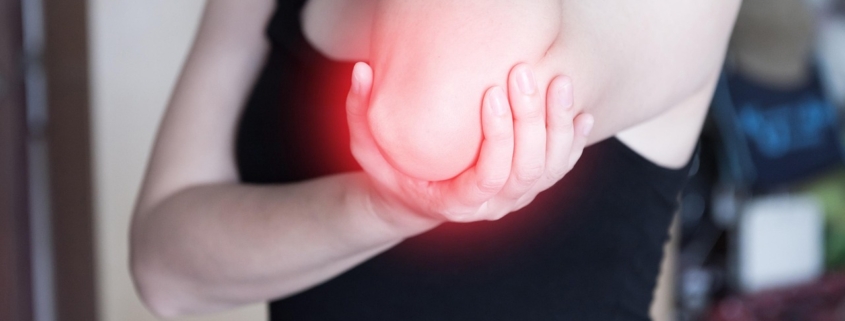
Woman holding her sore elbow

You pick up your coffee mug or turn a doorknob, and a sharp ache shoots along the side of your elbow. You may not have touched a racquet in years. This common elbow pain usually comes down to tendons asked to do a bit too much.

What are tennis elbow and golfer’s elbow?

Both are overuse problems in the tendons that attach your forearm muscles to the elbow. The difference is which side hurts:

Tennis elbowGolfer’s elbow
Where it hurtsOutside of the elbow (thumb side)Inside of the elbow (pinky side)
Muscles involvedMuscles that lift the wrist and straighten the fingersMuscles that bend the wrist and grip
Often worse withGripping, lifting with the palm down, typing, using a mouseGripping, lifting with the palm up, swinging, throwing

Despite the names, most people who get these conditions don’t play tennis or golf. Pain often builds slowly and may come with a weaker grip.

Why does it happen?

Tendons adapt to the load we give them, but they adapt slowly. When gripping and wrist work ramps up faster than the tendon can keep up, it gets irritated. Common culprits include:

  • Fall yard work. Raking leaves, pruning, splitting wood and hauling bags of mulch are classic triggers this time of year.
  • Trades and hands-on work. Using hammers, drills, screwdrivers or paintbrushes for long hours.
  • Desk work. Long days with a mouse and keyboard, especially with the wrist bent back.
  • Racquet sports, golf and the gym. More playing time, new equipment, or heavy pulling exercises.

What can I do at home?

Tendons usually do best with smart activity, not complete rest. Give these a fair try for a few weeks:

  • Ease the load, don’t stop moving. Cut back on the tasks that flare it, take more breaks, and split big jobs like raking into shorter sessions.
  • Change your grip. Lift with your palm facing up for tennis elbow, or facing down for golfer’s elbow. Use both hands when you can, and choose tools with thicker, padded handles.
  • Set up your desk. Keep your wrist straight while typing, bring the mouse close to your body, and rest your forearm on the desk or armrest.
  • Try gentle stretches. With your elbow straight, use the other hand to gently bend the wrist down (for tennis elbow) or back (for golfer’s elbow). Hold about 30 seconds, a few times a day.
  • Consider a forearm strap. A counterforce brace worn just below the elbow may ease pain during activity for some people.

When should I get it checked?

Book an assessment if your elbow pain hasn’t improved after two to three weeks of self-care, if it keeps coming back, or if it’s getting in the way of work, sleep or the things you enjoy. Elbow pain can also come from the neck, a pinched nerve or the joint itself, so an assessment helps sort out where it’s really coming from.

Get medical care right away (see your doctor, or go to emergency) if you have:

  • Elbow pain after a fall or injury, especially with swelling, bruising, a deformity or trouble moving the arm
  • A sudden “pop” with pain and weakness when bending the elbow
  • Redness, heat or swelling around the elbow, or a fever
  • Numbness, tingling or weakness in the hand that’s getting worse
  • Arm pain with chest pain, shortness of breath, sweating or nausea (call 911)

How we help with tennis and golfer’s elbow

Our team looks at the whole arm, from your neck and shoulder down to your wrist and grip, plus your work and hobbies, then build a plan to settle the pain and help the tendon handle your day again. You can learn more on our tennis elbow page, and our earlier post on golfer’s elbow has more on the inside-elbow version.

Physiotherapy

Physiotherapy focuses on gradual strengthening exercises that help the tendon tolerate load again, plus hands-on treatment. All three of our physiotherapists also use IMS and dry needling for tight, irritated forearm muscles. Spirit Donahue, MPT centres his care on therapeutic exercise, manual therapy, patient education and pain management. Kanu Priya, MPT holds a Master’s in Sports Physiotherapy and uses manual therapy, dry needling (IMS), exercise prescription and functional rehab. Ivy Elling-Quaintance, MPT uses evidence-based exercise and movement, and has a particular interest in athletic injuries and injury prevention.

Chiropractic

Our chiropractors assess how your neck, shoulder, elbow and wrist work together, and treat the surrounding muscles and joints. Dr. Tessa Bryan, DC uses soft tissue therapies, instrument-assisted techniques, RockTape and therapeutic exercise. Dr. Matthew Bryan, DC has a passion for working with athletes. Dr. Alexia Grelson, DC and Dr. Krisjan Gustavson, DC round out our chiropractic team.

Shockwave and laser therapy

For elbow pain that’s been hanging on, shockwave therapy is an option. It’s a non-surgical treatment that sends mechanical pulses into the sore tendon to stimulate the body’s healing response. Sessions take about 15 minutes, and a course is usually 3 to 6 sessions. Class IV K-Laser therapy is another option. If you’d prefer a needle-free option for tight muscles, ask about eToims.

Acupuncture

Acupuncture may help ease pain and improve function in the forearm and elbow. Annie Wang, R.Ac, R.TCM.P focuses on acute and chronic musculoskeletal pain and myofascial tension, using acupuncture, cupping and Gua Sha. Jun Liu, R.Ac has over 20 years of experience in therapeutic movement and rehabilitation.

Massage therapy for tight forearm and shoulder muscles can also be a helpful part of your plan. Craig Lawrence, RMT focuses on trigger point release.

Book an appointment

If elbow pain is making your workday, your yard work or your game harder than it should be, we’d be glad to help. We bill most insurance plans directly, so you can focus on feeling better.

Book online or call us at 250-382-0018. You’ll find us at 1063 Fort Street in downtown Victoria.

This article is general information and isn’t a substitute for an assessment by a qualified health professional.

October 18, 2026/by Matthew Bryan
https://www.diversifiedhealth.ca/wp-content/uploads/2026/10/06-tennis-golfers-elbow.jpg 854 1280 Matthew Bryan https://www.diversifiedhealth.ca/wp-content/uploads/2026/01/DiversifiedHealth-logo.png Matthew Bryan2026-10-18 04:00:292026-10-18 04:00:29Tennis Elbow and Golfer’s Elbow: Causes, Self-Care and When to Get It Checked
Chiropractic Care, Health Information, Massage Therapy, Physiotherapy

Shoulder Pain and Rotator Cuff Problems: Causes, Self-Care and When to Get It Checked

Woman holding her sore shoulder at an outdoor sports field

You reach up to a high shelf, or grab the seatbelt behind you, and a sharp ache catches you at the top of the arm. At night, rolling onto that side wakes you up. Shoulder pain is one of the most common reasons people come to see us, and the rotator cuff is often part of the story.

What is the rotator cuff?

The shoulder is a shallow ball-and-socket joint. That shape gives it a huge range of motion, but it also means the joint relies on muscles to keep it steady. The rotator cuff is a group of four small muscles and their tendons that wrap around the top of the arm bone. They hold the ball centred in the socket while bigger muscles lift and move the arm.

When the cuff gets irritated or overloaded, you may notice:

  • A dull ache on the outside of the upper arm, sometimes spreading toward the elbow
  • Pain when reaching overhead, behind your back or out to the side
  • Pain lying on the sore side, or a deep ache at night
  • A feeling of weakness when lifting or carrying

Why does it happen?

Most rotator cuff problems build up slowly. The tendons adapt to the work we give them, but they adapt slowly. When overhead or reaching work ramps up faster than they can keep up, they get sore. Common causes include:

  • Fall chores. Raking leaves, cleaning gutters, pruning trees and hanging holiday lights all put the arms up and out for long stretches.
  • Desk posture. Rounded shoulders and a forward head change how the shoulder blade sits, which can crowd the tendons when you lift your arm.
  • Sport and the gym. Swimming, throwing, racquet sports, paddling and overhead lifting, especially after a break.
  • Age. Tendons naturally change over time, so cuff problems become more common after about 40.
  • A fall or sudden pull. Landing on an outstretched arm or catching something heavy can strain or tear the tendon.

Other things can cause similar pain, including bursitis, arthritis, frozen shoulder and pain referred from the neck. That’s why a proper assessment matters if it isn’t settling.

What can I do at home?

Most shoulders do better with gentle, regular movement than with complete rest. Give these a fair try for a couple of weeks:

  • Keep it moving, within comfort. Avoid holding your arm still against your body for days. Stiffness can make things worse.
  • Try pendulum swings. Lean forward with your good hand on a table and let the sore arm hang. Gently swing it in small circles for 30 to 60 seconds, a few times a day.
  • Change how you reach. Use a step stool instead of reaching overhead, keep loads close to your body, and break up raking or gutter work into shorter sessions.
  • Sleep smarter. Lie on your good side and hug a pillow, or lie on your back with a pillow under the sore arm.
  • Ease the ache. Ice or heat for 10 to 15 minutes may help. Use whichever feels better.
  • Check your desk. Bring your keyboard and mouse close, rest your forearms, and sit back so your shoulders can relax.

When should I get it checked?

Book an assessment if your shoulder hasn’t improved after two to three weeks, if it keeps you up at night, or if you’re losing the ability to lift your arm or reach behind you. Early care can help keep a sore shoulder from turning into a stiff one.

Get medical care right away (see your doctor, or go to emergency) if you have:

  • Sudden, severe shoulder pain after a fall or injury, especially with a deformity, swelling or bruising
  • Sudden weakness where you can’t lift your arm at all
  • A hot, red, swollen shoulder, or shoulder pain with a fever
  • Numbness, tingling or weakness in the arm or hand that’s getting worse
  • Shoulder or arm pain with chest pain, shortness of breath, sweating or nausea (call 911)

How we help with shoulder pain

Our team looks at the whole picture: your shoulder, shoulder blade, neck and upper back, plus your work, sport and sleep. Then we build a plan to settle the pain and get the shoulder strong again. If your main problem is stiffness, our earlier post on rehab for frozen shoulder has more on that condition.

Physiotherapy

Physiotherapy is a common first step for rotator cuff problems. Treatment focuses on exercises that gradually build cuff and shoulder blade strength, plus hands-on care to restore movement. Our physiotherapists also use IMS and dry needling for tight, painful muscles around the shoulder. Spirit Donahue, MPT centres his care on therapeutic exercise, manual therapy, patient education and pain management. Kanu Priya, MPT has over 10 years of experience and uses manual therapy, dry needling (IMS), exercise prescription and functional rehab. Ivy Elling-Quaintance, MPT uses evidence-based exercise and movement, and has a particular interest in athletic injuries and injury prevention.

Massage therapy

Registered massage therapy can ease tight muscles across the shoulder, chest and upper back, which may make it easier to move and exercise. Craig Lawrence, RMT has practised since 2006 and focuses on trigger point release. Braedan Pearce, RMT has worked extensively with neck, shoulder and arm pain, using myofascial release, trigger point release, stretching and home care exercises. Alex Baan-Meiklejohn, RMT combines stretching with Swedish massage and trigger point therapy, and enjoys working with active people.

Chiropractic

Our chiropractors assess how your neck, upper back and shoulder work together, and treat the surrounding joints and muscles. Dr. Tessa Bryan, DC uses soft tissue therapies, instrument-assisted techniques, cupping, RockTape and therapeutic exercise. Dr. Matthew Bryan, DC has a passion for working with athletes. Dr. Alexia Grelson, DC and Dr. Krisjan Gustavson, DC round out our chiropractic team.

Shockwave and laser therapy

For tendon pain that’s been hanging on, shockwave therapy is an option. It’s a non-surgical treatment that sends mechanical pulses into the sore tissue to stimulate the body’s healing response. Sessions take about 15 minutes, and a course is usually 3 to 6 sessions. Class IV K-Laser therapy is another option that may help ease pain and stiffness.

Book an appointment

If shoulder pain is making it hard to reach, lift or get a good night’s sleep, we’d be glad to help. We bill most insurance plans directly, so you can focus on feeling better.

Book online or call us at 250-382-0018. You’ll find us at 1063 Fort Street in downtown Victoria.

This article is general information and isn’t a substitute for an assessment by a qualified health professional.

October 18, 2026/by Matthew Bryan
https://www.diversifiedhealth.ca/wp-content/uploads/2026/10/07-shoulder-pain-rotator-cuff.jpg 851 1280 Matthew Bryan https://www.diversifiedhealth.ca/wp-content/uploads/2026/01/DiversifiedHealth-logo.png Matthew Bryan2026-10-18 03:59:212026-10-18 03:59:21Shoulder Pain and Rotator Cuff Problems: Causes, Self-Care and When to Get It Checked
Acupuncture, Chiropractic Care, Health Information, Massage Therapy

Tension Headaches and Migraines: How to Tell Them Apart, What Helps and When to Get Checked

Woman pressing her fingers to her temples with a headache

It starts as a dull squeeze around your forehead by mid-afternoon. Or it’s a throbbing pain behind one eye that sends you looking for a dark, quiet room. Headaches are very common, and knowing which kind you have is the first step toward finding what helps.

Tension headache, migraine or neck headache?

There are many types of headache. Three of the most common are tension-type headaches, migraines and cervicogenic headaches (headaches that start in the neck). Here’s a rough guide to how they often feel:

TypeHow it often feelsCommon clues
Tension-typeA dull, pressing band or tight cap around the head, usually on both sidesTight neck and shoulders, stress, long days at a screen. Usually mild to moderate.
MigraineThrobbing or pulsing pain, often on one side, lasting hours to a few daysNausea, sensitivity to light or sound, worse with activity. Some people see visual changes (an “aura”) beforehand.
Cervicogenic (neck-related)Pain that starts at the base of the skull and spreads forward, usually on one sideNeck stiffness, pain that changes with neck movement or certain positions

This is a starting point, not a way to diagnose yourself.

Why do headaches happen?

Tension-type and neck-related headaches are often linked to how our muscles and joints are coping. Tight muscles in the neck, shoulders, jaw and scalp can refer pain into the head. Stiff joints in the upper neck can do the same. Long hours at a desk, clenching your jaw, poor sleep and stress all tend to stack up.

Migraine is different. It’s a neurological condition, and it often runs in families. Attacks can be set off by triggers such as missed meals, dehydration, changes in sleep, hormonal changes, bright light, strong smells, alcohol or stress. Our older post on what triggers your migraine covers several common ones.

What can I do at home?

  • Keep a headache diary. Jot down when each headache starts, how it feels, what you were doing, what you ate and how you slept. After a few weeks, patterns often show up.
  • Keep the basics steady. Regular meals, plenty of water and a consistent sleep schedule (even on weekends) can make a real difference, especially for migraine.
  • Take screen breaks. Every 30 minutes, look away from the screen, roll your shoulders and gently turn your head side to side. Raise your monitor so you aren’t looking down all day.
  • Relax your jaw. Notice if you clench while you concentrate. Lips together, teeth apart, tongue resting on the roof of your mouth.
  • Try heat or cold. A warm pack on the neck and shoulders may ease a tension headache. Some people with migraine prefer a cool cloth on the forehead or neck.
  • Use pain medication wisely. Using pain relievers on many days each month can lead to “rebound” headaches. If you’re reaching for them often, talk to your doctor or pharmacist.

When should I get it checked?

Book an assessment if your headaches are frequent, are getting worse, keep you from work or sleep, or come with neck pain and stiffness. If you think you have migraines, see your family doctor as well. Migraine has specific medical treatments, and a diagnosis helps everyone on your care team.

Get medical care right away (see your doctor, or go to emergency) if you have:

  • A sudden, severe headache that peaks within a minute, or the “worst headache of your life”
  • A headache with fever, a stiff neck, rash or confusion
  • A headache after a fall, blow to the head or car accident
  • Weakness, numbness, trouble speaking, drooping of the face, loss of balance or vision changes
  • A new headache pattern after age 50, or a headache that keeps getting worse over days or weeks
  • A headache that wakes you from sleep and comes with vomiting

How we help with headaches

Our team looks for what may be feeding your headaches, especially the neck, shoulders and jaw. We’ll work alongside your family doctor when that’s the right fit. You can learn more on our neck pain and headaches page.

Chiropractic

Our chiropractors assess the joints and muscles of your neck and upper back, which can play a part in tension-type and neck-related headaches. Care may include spinal manipulation or gentler low-force options, soft tissue work, exercises and posture advice. Dr. Tessa Bryan, DC uses soft tissue therapies, instrument-assisted and manual techniques, cupping and therapeutic exercise. Dr. Alexia Grelson, DC has additional training in cranial techniques and is especially interested in helping patients shift out of tension and into ease. Dr. Matthew Bryan, DC takes a collaborative, multidisciplinary approach. Dr. Krisjan Gustavson, DC has been in practice since 1986.

Registered Massage Therapy

Massage therapy can ease tight neck, shoulder, jaw and scalp muscles and may help reduce tension headaches. Craig Lawrence, RMT has practised since 2006 and focuses on trigger point release, often for working professionals dealing with desk-bound aches and tension headaches. Braedan Pearce, RMT uses myofascial release, trigger point release and stretching, with a calming pace that supports stress relief. Alex Baan-Meiklejohn, RMT trained in trigger point therapy and stretching,. Morag Hart, RMT and McKenzie Connell, RMT tailor each treatment to your needs.

Acupuncture

Acupuncture is another option that may help with headaches, muscle tension and the stress that often comes with them. Lauren Ching, R.Ac supports people with pain and stress management, sleep and emotional regulation, using techniques including scalp acupuncture and cupping. Rebecca Thompson, R.Ac, R.TCM.P includes chronic pain, insomnia and mental and emotional health among her clinical focuses. Annie Wang, R.Ac, R.TCM.P works with myofascial tension, postural pain and stress-related concerns. Jun Liu, R.Ac works with musculoskeletal pain, postural concerns and insomnia, and provides care in English, Mandarin and French.

Book an appointment

If headaches are getting in the way of your work, sleep or weekends, we’d be glad to help you sort out what’s going on. We bill most insurance plans directly, so you can focus on feeling better.

Book online or call us at 250-382-0018. You’ll find us at 1063 Fort Street in downtown Victoria.

This article is general information and isn’t a substitute for an assessment by a qualified health professional.
October 6, 2026/by Matthew Bryan
https://www.diversifiedhealth.ca/wp-content/uploads/2026/10/04-tension-headaches-migraines.jpg 853 1280 Matthew Bryan https://www.diversifiedhealth.ca/wp-content/uploads/2026/01/DiversifiedHealth-logo.png Matthew Bryan2026-10-06 17:00:192026-10-07 06:54:41Tension Headaches and Migraines: How to Tell Them Apart, What Helps and When to Get Checked
Chiropractic Care, Health Information, Physiotherapy

Low Back Pain: Why It Happens, What Helps, and When to Get It Checked

Woman at her desk holding her lower back in pain

Low back pain is one of the most common reasons people walk through our door on Fort Street. Most adults will have it at some point. It can come on after lifting something awkward, after a long weekend of gardening, or for no obvious reason at all when you get out of bed. The good news is that most back pain settles, and there’s a lot you can do to help it along.

Why does my lower back hurt?

Most low back pain is what clinicians call “mechanical.” That means it comes from the muscles, joints, ligaments and discs of the spine rather than from a serious disease. Common contributors include:

  • Muscle strain from lifting, twisting or a sudden awkward movement
  • Stiff or irritated joints in the lower spine or the SI joints where the spine meets the pelvis
  • Disc irritation, which can sometimes send pain down the leg (sciatica)
  • Long hours sitting, at a desk, in the car, or on the couch
  • Weak or tired core and hip muscles that leave the back doing more than its share
  • Stress and poor sleep, which really do make pain feel worse

Often it’s a mix of several of these. That’s why a proper assessment matters: two people with the same “sore back” can need quite different care.

What can I do at home?

  • Keep moving. Bed rest used to be the standard advice, but research now shows that gentle activity, like short walks, usually helps you recover faster. Move within what’s comfortable.
  • Change positions often. If you sit for work, get up every 30 to 45 minutes, even for a minute.
  • Try heat or cold. Warmth often feels good on stiff, tight muscles. Some people prefer cold in the first day or two. Use whichever feels better.
  • Don’t panic. Back pain can be very painful without meaning anything is seriously damaged. Most episodes improve within a few weeks.

When should I get it checked?

Book an assessment if your pain isn’t improving after a week or two, keeps coming back, travels down your leg, or is stopping you from working, sleeping or doing what you enjoy.

Get medical care right away (see your doctor, or go to emergency) if back pain comes with any of these: loss of bladder or bowel control, numbness in the groin or inner thighs, leg weakness that’s getting worse, fever, unexplained weight loss, or pain after a serious fall or accident.

How we help with low back pain

Because we’re a multidisciplinary clinic, you don’t have to guess which kind of practitioner to see. Our team works together and can refer you in-house if another approach would suit you better.

Chiropractic

Our chiropractors assess how your spine, pelvis and hips are moving and use hands-on care such as spinal manipulation and mobilization, soft tissue work and exercise to ease pain and restore movement. Our chiropractors are Dr. Tessa Bryan, DC, who uses soft tissue therapies, manipulation, cupping and therapeutic exercise; Dr. Alexia Grelson, DC, who has a background in personal training and extra training in prenatal care; Dr. Matthew Bryan, DC; and Dr. Krisjan Gustavson, DC, who has been practising since 1986.

Spinal decompression

For back pain related to discs or pinched nerves, especially pain that hasn’t settled with other care, spinal decompression is a non-surgical, drug-free option. A specialized table gently and gradually takes pressure off the lower spine. Your practitioner will let you know whether it’s a good fit for you.

Physiotherapy and IMS

Our physiotherapists focus on getting you moving with confidence through manual therapy, education and an exercise plan built around your goals. They include Kanu Priya, MPT, who has over 10 years of experience in musculoskeletal and sports rehab; Ivy Elling-Quaintance, MPT, whose evidence-based approach looks at the whole person; and Spirit Donahue, MPT, who centres care on therapeutic exercise and manual therapy. For tight, guarded muscles, IMS (intramuscular stimulation) may also be an option.

Registered massage therapy

When back pain comes with tight, sore muscles, massage therapy can help them relax and make it easier to move. Our RMTs include Morag Hart, Craig Lawrence, McKenzie Connell, Braedan Pearce and Alex Baan-Meiklejohn.

Kinesiology

Once the pain is under control, the goal is keeping it from coming back. Our kinesiologists, Angelina Schaaf and Christian Schwarz, build practical strength and movement programs that fit into your life.

Book an appointment

If your back has been bothering you, we’d be glad to help. We bill most insurance plans directly, so you can focus on getting better.

Book online or call us at 250-382-0018. You’ll find us at 1063 Fort Street in downtown Victoria.

This article is general information and isn’t a substitute for an assessment by a qualified health professional.

October 6, 2026/by Matthew Bryan
https://www.diversifiedhealth.ca/wp-content/uploads/2026/10/01-low-back-pain.jpg 720 1280 Matthew Bryan https://www.diversifiedhealth.ca/wp-content/uploads/2026/01/DiversifiedHealth-logo.png Matthew Bryan2026-10-06 17:00:182026-10-07 06:54:32Low Back Pain: Why It Happens, What Helps, and When to Get It Checked
Chiropractic Care, Health Information, Physiotherapy

Sciatica: Nerve Pain or Tight Muscle? Signs, Self-Care and When to Get It Checked

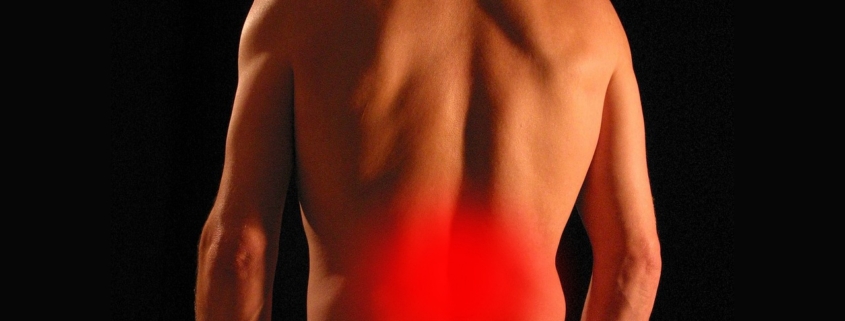
Man's lower back with the painful area highlighted in red

That sharp, burning or electric pain that runs from your buttock down the back of your leg has a name most people have heard: sciatica. It can make sitting, driving or even putting on your socks feel like a project. But not every pain in the back of the leg is actually sciatica, and knowing the difference can help you get the right care sooner.

What is sciatica?

Your sciatic nerve is the largest nerve in the body. It starts from several nerve roots in your lower back, travels through the buttock and runs down the back of each leg to the foot. “Sciatica” describes pain that follows the path of that nerve because something is irritating or pressing on it.

Common causes include:

  • A bulging or herniated disc in the lower back pressing on a nerve root
  • Narrowing around the nerves (spinal stenosis), more common as we get older
  • Tight or irritated muscles in the buttock, such as the piriformis, which the sciatic nerve runs close to
  • Long hours of sitting, heavy lifting or sudden twisting that aggravate an already sensitive back

Nerve pain or muscle pain?

Here’s where it gets tricky. Tight muscles and irritated joints in the low back and hips can also send pain into the leg. This is called referred pain, and it often gets mistaken for sciatica. The two can feel similar, but there are some clues:

More likely nerve-relatedMore likely muscle or joint
How it feelsSharp, shooting, burning or electricDeep, dull, achy
How far it goesOften below the knee, sometimes into the footUsually stays above the knee
Other sensationsPins and needles, numbness or weaknessStiffness and tender spots
What aggravates itCoughing, sneezing, bending or sittingCertain movements or positions, pressing on the sore area

These are only clues, not a diagnosis. Many people have a bit of both. A hands-on assessment is the best way to find out what’s driving your symptoms, and that shapes which treatment makes sense. If you suspect your pain starts deep in the buttock, our older post on piriformis syndrome is worth a read.

What can I do at home?

  • Stay gently active. Short, regular walks are usually better than lying in bed. Move within what’s comfortable.
  • Break up sitting. Sitting is a common aggravator. Stand up and move every 20 to 30 minutes, and try a small rolled towel behind your lower back when you do sit.
  • Find your position of relief. Many people are more comfortable lying on their side with a pillow between the knees, or on their back with their knees supported.
  • Go easy on hard stretching. Irritated nerves don’t like being pulled on. If a stretch makes the leg pain sharper or spread further, back off.
  • Try heat or cold. Either can ease pain. Use whichever feels better for you.

The encouraging news is that many cases of sciatica improve over a period of weeks with the right care and activity.

When should I get it checked?

Book an assessment if leg pain lasts more than a week or two, keeps coming back, comes with numbness or tingling, or is getting in the way of work or sleep.

Get medical care right away (see your doctor, or go to emergency) if you have:

  • Loss of bladder or bowel control, or trouble passing urine
  • Numbness in the groin, genitals, buttocks or inner thighs
  • Leg weakness that’s getting worse, or a foot that drags or slaps when you walk
  • Symptoms in both legs at once
  • Fever, unexplained weight loss, or a history of cancer along with new back pain
  • Pain after a serious fall or accident

How we help with sciatica

Because leg pain can come from a disc, a joint, a muscle or a combination, having several disciplines under one roof helps. If another approach would suit you better, we can refer you in-house. Learn more on our sciatica and nerve pain page.

Chiropractic

Our chiropractors assess how your lower back, pelvis and hips are moving, check nerve function, and use care such as spinal manipulation and mobilization, soft tissue work and exercise to ease pain and improve movement. Dr. Tessa Bryan, DC uses soft tissue therapies, manipulation and nerve flossing as part of her care. Dr. Alexia Grelson, DC blends manual, instrument-assisted and drop-table techniques tailored to each patient’s comfort level. Dr. Matthew Bryan, DC takes a collaborative, multidisciplinary approach and has a special interest in working with athletes. Dr. Krisjan Gustavson, DC has been practising since 1986.

Spinal decompression

When sciatica is related to a bulging or herniated disc, or hasn’t settled with other care, spinal decompression is a non-surgical, drug-free option. A computer-controlled table gently and gradually reduces pressure on the discs of the lower back. Your practitioner will let you know whether it’s a good fit.

Physiotherapy and IMS

Our physiotherapists use manual therapy, education and a graded exercise plan to calm irritated nerves and build strength and confidence in movement. When tight, shortened muscles are adding to the problem, IMS (intramuscular stimulation) may help release them. IMS uses very fine needles placed in tight muscle bands or near the spine where a nerve root may be irritated.

Kanu Priya, MPT has over 10 years of experience, works with people with persistent pain and complex musculoskeletal conditions, and includes dry needling (IMS) in her care. Ivy Elling-Quaintance, MPT has training in AN-IMS dry needling and an interest in chronic pain management. Spirit Donahue, MPT centres his care on therapeutic exercise, manual therapy and patient education.

Book an appointment

If leg pain is slowing you down, we’d be glad to help you figure out what’s behind it. We bill most insurance plans directly, so you can focus on getting better.

Book online or call us at 250-382-0018. You’ll find us at 1063 Fort Street in downtown Victoria.

This article is general information and isn’t a substitute for an assessment by a qualified health professional.

October 6, 2026/by Matthew Bryan
https://www.diversifiedhealth.ca/wp-content/uploads/2026/10/02-sciatica.jpg 695 1280 Matthew Bryan https://www.diversifiedhealth.ca/wp-content/uploads/2026/01/DiversifiedHealth-logo.png Matthew Bryan2026-10-06 17:00:182026-10-07 06:54:35Sciatica: Nerve Pain or Tight Muscle? Signs, Self-Care and When to Get It Checked
Acupuncture, Chiropractic Care, Massage Therapy, Physiotherapy

Neck Pain and “Tech Neck”: Causes, Desk Fixes and When to Get It Checked

Woman holding the top of her shoulder and neck where it hurts

You finish a long day at the laptop, check your phone on the bus home, and by evening your neck feels stiff, achy and tight across the shoulders. Sound familiar? Neck pain is one of the most common reasons people visit our clinic, and the way we work and scroll today often plays a part.

What is “tech neck”?

“Tech neck” is a casual name for neck and upper back pain linked to long periods of looking down at a phone, tablet or laptop. It isn’t a formal diagnosis, but it describes a pattern we see often.

Your head weighs about as much as a bowling ball. When it sits balanced over your shoulders, your neck muscles don’t have to work very hard. As your head drifts forward and down, those muscles have to hold more of that load, for longer. Over hours and days, that can add up to:

  • Stiffness when turning your head, like checking your blind spot while driving
  • Aching or burning between the shoulder blades and across the tops of the shoulders
  • Tight, tender spots in the neck and shoulder muscles
  • Headaches that start at the base of the skull and wrap forward

Posture isn’t the whole story, though. There’s no single “perfect” posture. Staying in any position for too long tends to be the bigger problem. Stress, poor sleep, an old injury and low overall activity can all make the neck more sensitive too.

What can I do at home?

  • Bring the screen up to you. Raise your laptop or monitor so the top of the screen is near eye level, and hold your phone a little higher instead of dropping your chin to it.
  • Move often. Set a reminder to change position every 30 minutes. Stand up, roll your shoulders and look around the room. Small, frequent breaks beat one long stretch at the end of the day.
  • Try chin tucks. Sitting tall, gently glide your chin straight back (like making a double chin), hold for a few seconds and relax. Repeat 5 to 10 times, a few times a day.
  • Open up the upper back. Sit tall, squeeze your shoulder blades gently back and down, and hold for a few breaths. A walk with your arms swinging freely helps too.
  • Check your pillow. Your pillow should keep your head level with your spine, not propped up or sagging. Sleeping on your stomach often twists the neck.
  • Use heat or cold. Either can ease pain and muscle tension. Use whichever feels better. Our post on relief for a stiff neck has a few more simple ideas.

Movement should feel easy and comfortable. If an exercise makes your pain sharper or sends symptoms down your arm, stop and get it checked.

When should I get it checked?

Book an assessment if your neck pain lasts more than a week or two, keeps coming back, wakes you at night, or comes with headaches, or tingling or numbness in your arm or hand.

Get medical care right away (see your doctor, or go to emergency) if you have:

  • Neck pain after a fall, car accident or other injury
  • A sudden, severe headache unlike any you’ve had before
  • Fever with a stiff neck, especially with a headache or sensitivity to light
  • Weakness, clumsiness or loss of coordination in your arms or legs
  • Dizziness, trouble speaking or swallowing, double vision or fainting
  • Unexplained weight loss or a history of cancer along with new neck pain

How we help with neck pain

Neck pain often involves joints, muscles and everyday habits all at once. Having several disciplines under one roof means we can look at the whole picture and refer you in-house if another approach would suit you better.

Chiropractic

Our chiropractors assess how your neck and upper back are moving, and may use spinal manipulation and mobilization, soft tissue work, exercises and workstation advice to ease pain and improve movement. Dr. Tessa Bryan, DC combines manual and instrument-assisted soft tissue techniques, cupping, RockTape and therapeutic exercise. Dr. Alexia Grelson, DC blends manual, instrument-assisted and drop-table techniques tailored to each patient’s comfort, and enjoys working with busy professionals. Dr. Matthew Bryan, DC takes a collaborative, multidisciplinary approach to care. Dr. Krisjan Gustavson, DC has been in practice since 1986.

Physiotherapy

Our physiotherapists use manual therapy, education and a progressive exercise plan to build strength and endurance in the neck and upper back, so your body copes better with long days at a desk. Spirit Donahue, MPT centres his care on therapeutic exercise, manual therapy and patient education. Kanu Priya, MPT has over 10 years of experience and uses manual therapy, dry needling (IMS) and exercise prescription. Ivy Elling-Quaintance, MPT focuses on evidence-based exercise and movement, and has an interest in chronic pain management.

Registered Massage Therapy

Massage therapy can ease tight, tender neck and shoulder muscles and help you move more comfortably. Craig Lawrence, RMT has practised since 2006 and focuses on trigger point release, often for working professionals dealing with desk-bound aches and tension headaches. Braedan Pearce, RMT uses myofascial release, trigger point release, stretching and home care exercises, and works with neck, shoulder and arm pain. Morag Hart, RMT brings a particular empathy for chronic repetitive stresses on the body and tailors home care to each client.

Acupuncture

Acupuncture is another option that may help relieve neck pain and muscle tension. Jun Liu, R.Ac is also a certified Pilates instructor with over 20 years in therapeutic movement, and works with musculoskeletal pain and postural concerns. Annie Wang, R.Ac, R.TCM.P includes posture-related and myofascial pain among her clinical focuses, using acupuncture, cupping, gua sha and Tui Na.

Book an appointment

If your neck is making workdays harder than they need to be, we’d be glad to help. We bill most insurance plans directly, so you can focus on feeling better.

Book online or call us at 250-382-0018. You’ll find us at 1063 Fort Street in downtown Victoria.

This article is general information and isn’t a substitute for an assessment by a qualified health professional.

October 2, 2026/by Matthew Bryan
https://www.diversifiedhealth.ca/wp-content/uploads/2026/10/03-neck-pain-tech-neck.jpg 900 1280 Matthew Bryan https://www.diversifiedhealth.ca/wp-content/uploads/2026/01/DiversifiedHealth-logo.png Matthew Bryan2026-10-02 17:02:442026-10-07 06:54:38Neck Pain and “Tech Neck”: Causes, Desk Fixes and When to Get It Checked

Search our Blog

Search Search

Topics of Interest

Acupuncture Back Pain Chronic Back Pain Chronic Pain Custom Orthotics Diversified Health Clinic Victoria BC Dry Needling eToims exercise fitness Foot pain GoodLife Fitness Victoria Marathon Headaches Health Care Victoria Health Tips Healthy lifestyle Immune System IMS Inflammation Joint Pain Knee Injuries knee pain Low Back Pain Marathons Massage Therapy Migraines natural health practitioner orthotics Pain Relief Physiotherapy physiotherapy victoria bc Plantar fasciitis Registered Massage Therapy Runner's knee Running Seasonal Allergies Skin Cancer Spinal Decompression Sports Injuries Stress Stretches Sunscreen Victoria therapeutic massage Vitamins walking

Categories

  • Acupuncture
  • Athletic Therapy
  • Chiropractic Care
  • Exercise Library
  • Fitness
  • Guest Bloggers/Articles
  • Health Information
  • Massage Therapy
  • News
  • Orthotics
  • Physiotherapy
  • Practitioners in Focus
  • Uncategorized
  • Victoria Healthcare News
  • Video Library

Archive

News & Events

  • Plantar Fasciitis: Why Your Heel Hurts in the Morning, What Helps and When to Get Checked October 18, 2026
  • Tennis Elbow and Golfer’s Elbow: Causes, Self-Care and When to Get It Checked October 18, 2026
  • Shoulder Pain and Rotator Cuff Problems: Causes, Self-Care and When to Get It Checked October 18, 2026
  • Tension Headaches and Migraines: How to Tell Them Apart, What Helps and When to Get Checked October 6, 2026
  • Sciatica: Nerve Pain or Tight Muscle? Signs, Self-Care and When to Get It Checked October 6, 2026
  • Low Back Pain: Why It Happens, What Helps, and When to Get It Checked October 6, 2026
  • Neck Pain and “Tech Neck”: Causes, Desk Fixes and When to Get It Checked October 2, 2026

PainHero Community Partner badge for Victoria

Proud member of the Greater Victoria Chamber of Commerce

patients choice winner

A Victoria, BC Chiropractor winner of the Patients’ Choice Awards.Verified by Opencare.com

Diversified Health Clinic

The Mosaic Building
1063 Fort St, Victoria, BC
V8V 3K5, Canada
250-382-0018
Monday7 a.m. – 7 p.m.
Tuesday7 a.m. – 7 p.m.
Wednesday7 a.m. – 7 p.m.
Thursday7 a.m. – 7 p.m.
Friday7 a.m. – 7 p.m.
Saturday9 a.m. – 4 p.m.
Sunday8 a.m. – 2 p.m. (physiotherapy only)
© Copyright - Diversified Health Clinic. Website by Victoria's iDreamDigital.
  • Link to Facebook
  • Link to Instagram
  • Link to X
  • Link to Youtube
  • Link to Rss this site
  • Link to Mail
Scroll to top Scroll to top Scroll to top

This website uses cookies to understand how the site is used and to measure our advertising.

Privacy PolicyDismiss

Cookie and Privacy Settings


How we use cookies

We may request cookies to be set on your device. We use cookies to let us know when you visit our websites, how you interact with us, to enrich your user experience, and to customize your relationship with our website.

Click on the different category headings to find out more. You can also change some of your preferences. Note that blocking some types of cookies may impact your experience on our websites and the services we are able to offer.

Essential Website Cookies

These cookies are strictly necessary to provide you with services available through our website and to use some of its features.

Because these cookies are strictly necessary to deliver the website, refusing them will have impact how our site functions. You always can block or delete cookies by changing your browser settings and force blocking all cookies on this website. But this will always prompt you to accept/refuse cookies when revisiting our site.

We fully respect if you want to refuse cookies but to avoid asking you again and again kindly allow us to store a cookie for that. You are free to opt out any time or opt in for other cookies to get a better experience. If you refuse cookies we will remove all set cookies in our domain.

We provide you with a list of stored cookies on your computer in our domain so you can check what we stored. Due to security reasons we are not able to show or modify cookies from other domains. You can check these in your browser security settings.

Other external services

We also use different external services like Google Webfonts, Google Maps, and external Video providers. Since these providers may collect personal data like your IP address we allow you to block them here. Please be aware that this might heavily reduce the functionality and appearance of our site. Changes will take effect once you reload the page.

Google Webfont Settings:

Google Map Settings:

Google reCaptcha Settings:

Vimeo and Youtube video embeds:

Privacy Policy

You can read about our cookies and privacy settings in detail on our Privacy Policy Page.

Privacy Policy
Accept settingsHide notification only