Injury Recovery in Greater Victoria, BC - Call us to book an appointment: (250) 382-0018
Diversified Health Clinic
  • Welcome
  • Meet our Team
    • Chiropractic
      • Dr. Matthew Bryan DC
      • Dr. Tessa Bryan DC
      • Dr. Krisjan Gustavson DC
      • Dr. Alexia Grelson DC
    • Physiotherapy
      • Spirit Donahue MPT
      • Kanu Priya MPT
      • Ivy Elling-Quaintance MPT
    • Registered Massage Therapy
      • Morag Hart RMT
      • Craig Lawrence RMT
      • McKenzie Connell RMT
      • Braedan Pearce RMT
    • Acupuncture
      • Annie Wang R.Ac R.TCM.P
      • Lauren Ching R.Ac
      • Rebecca Thompson R.Ac R.TCM.P
      • Jun Liu R.Ac
    • Kinesiology / Personal Training
      • Angelina Schaaf BCAK
      • Christian Schwarz BCAK
    • Medical Doctor
      • Dr. Ian Hyams MD
      • Jennifer Blum, EMSELLA
    • Clinical Counsellor
      • Laura Grohovac CCC
    • .
  • About
    • Our Clinic
    • Careers
  • Disciplines
    • Disciplines
      • Chiropractic
      • Physiotherapy
      • Registered Massage Therapy
      • Kinesiology
      • Acupuncture
      • Clinical Counselling
      • Medical Doctor
      • Personal Training
    • Treatments
      • Shockwave Therapy
      • Spinal Decompression
      • IMS (Intramuscular Stimulation)
      • Pelvic Floor Physiotherapy
      • EMSELLA
      • Class IV K Laser Therapy
      • Orthotics
      • eToims Needle-less IMS
  • Conditions
    • Plantar Fasciitis
    • Running Injuries
    • Allergies
    • Concussion Treatment
    • Bursitis
    • Tennis Elbow
    • TMJ Disorder
    • Automobile Collisions
    • Nerve Pain with Sciatica
    • Sport Injuries
    • Stress
    • Runner’s Knee
    • Vertigo & Vestibular Rehab
    • Concussions
  • Pricing
  • News & Events
    • News
    • Events
    • Practitioners In Focus
    • Exercise Library
  • Contact
  • ICBC Claims
  • Book Now!
  • News
  • Menu Menu
  • Link to Facebook
  • Link to Instagram
  • Link to X
  • Link to Youtube
  • Link to Rss this site
  • Link to Mail
  • Welcome
  • About
    • Meet our Team
    • Our Clinic
    • Careers
  • Disciplines
  • Conditions
  • Pricing
  • News
    • News & Advice
    • Practitioners In Focus
  • Contact
  • ICBC Claims
  • Book Now!
Chiropractic Care, Physiotherapy

Rehab for Frozen Shoulder

“Frozen shoulder” Frozen Shoulder Rehab victoria bcis a term that is used when the shoulder becomes painful and loses motion because of inflammation. The tissues around the joint stiffen, scar tissue forms, and shoulder movements become difficult and painful.

The joint capsule of the shoulder joint has ligaments that hold the shoulder bones to each other. When the capsule becomes inflamed, the shoulder bones are unable to move freely in the joint. This pain prevents you from moving your arm. The lack of movement leads to stiffness and then even less motion. Over time, you will struggle to perform activities such as reaching over your head.

Frozen shoulder most commonly affects patients between the ages of 40 to 60 years old, and it is twice as common in women than in men. Also, patients who sustain a shoulder injury, or undergo surgery on the shoulder can develop a frozen shoulder joint.

If you have shoulder pain and stiffness and suspect you may have a frozen shoulder, contact your health care provider for proper diagnosis and treatment.

At Diversified Health you health care practitioner will make the diagnosis based on your symptoms and an examination of your shoulder. The main symptoms are decreased motion of the shoulder, pain, and stiffness.

The goal of your practitioner is to release the scar tissue by bringing the shoulder through a full range of motion and to remove the scar tissue from the shoulder. Some of the therapies and modalities that will be used during your treatments are:  Graston Technique, Cold Laser, T.E.N.S and Shockwave Therapy , Dry Needling, as well as a set of specific exercises and some time in our Rehab Gym.

Stretching exercises for frozen shoulder serves two functions: first to increase the motion in the joint and secondly to minimize the loss of muscle on the affected arm (muscle atrophy). The importance of stretching and exercises cannot be overemphasized as these are the key to successful frozen shoulder treatment.


June 22, 2017/by Carmen Scott
0 0 Carmen Scott https://www.diversifiedhealth.ca/wp-content/uploads/2026/01/DiversifiedHealth-logo.png Carmen Scott2017-06-22 09:30:332021-02-17 19:07:46Rehab for Frozen Shoulder
Chiropractic Care, Physiotherapy

What is Sciatica, And How Do I Stop The Pain?

Sciatica is the name given to pain caused by irritation of the sciatic nerve. Sciatica is usually caused by a compressed nerve root in the lower spine, and anything that irritates this nerve can cause pain, ranging from mild to severe.

There are two types of categories of sciatic pain:

  • Acute sciatica (short-term) lasting 4-8 weeks.
  • Chronic sciatica (long term) lasting for 8 weeks or more.

The main symptom of sciatica is a shooting pain anywhere along the sciatic nerve. That can range from the lower back, through the buttock, and down the back of either leg. This pain can range from a mild ache to severe debilitating pain.

There are several reasons why someone might suffer from sciatic pain. This may be the result of something as simple as bad posture, muscle strain or spasm, a sports injury, car accident, being overweight, sleeping on a too soft mattress, or a simple sneeze, cough, bend, or lift, if you are out of shape and have a weak core. More seriously the sciatic pain maybe caused by a slipped disc in the back.

Pain from sciatica can change on a daily basis: it can be shooting, burning, sharp, dull, non-stop, or intermittent.  Many people complain of intense and acute pain, while others experience a numb and weak feeling in the parts of their leg where it hurts. This may sometimes indicate more serious neurological problems.

Your health care practitioner; chiropractor or physiotherapist can check the spine for areas of tenderness, and test for sensation, coordination, and muscle strength. Sciatica can be relieved by treating symptoms and any specific causes that exists, such as a slipped disc.

The healthcare practitioners at Diversified Health use manual therapy as well as numerous modalities, such as the Kennedy Spinal Decompression Table,  (provides relief to severe back pain sufferers by gently reducing the pressure within the spinal discs) Dry Needling, Laser therapy, and eToims Therapy, when treating Sciatica pain.

Moderate exercise will be recommended when pain is minimal, and when acute symptoms have lessened. Rehab therapy will be suggested to help strengthen abdominal and back muscles, which is important to prevent a return of these symptoms.

April 24, 2017/by Carmen Scott
0 0 Carmen Scott https://www.diversifiedhealth.ca/wp-content/uploads/2026/01/DiversifiedHealth-logo.png Carmen Scott2017-04-24 11:02:312017-04-24 11:02:31What is Sciatica, And How Do I Stop The Pain?
Physiotherapy

Mobility And Balance Issues At Any Age

Any one at any age can have balance and mobility issues.  These types of issues can be caused by an illness, injury, or as a natural progression as we age. When you are dealing with a balance or mobility issue you can increase the chance of sustaining an injury from a fall.  A physiotherapist can help to treat these symptoms and can help to increase your range of motion, strengthen your muscles, and improve your posture.

The physiotherapists at Diversified Health are trained to assess joint mobility, muscular strength, balance and gait patterns.  Part of their assessment is to identify deficits and come up with a program to improve such key issues as quadriceps and gluteus (thigh and buttock) strength. The practitioners will advise you on which specific strength, mobility and balance exercises would be most beneficial for you, and will make suggestions on functional ways to work on these exercises at home or at the gym.

Balance is dependent on core stability, hip and leg muscle control and visual systems. There are two types of balance; static balance when you are not moving, and dynamic balance when you start to move.

Related conditions poor balance can affect:

  • Achilles Tendon
  • Back Muscle Pain
  • Facet Joint Pain
  • Hamstring Strain
  • Knee Injuries
  • Muscle Strain
  • Overuse Injuries
  • Sciatica
  • Plantar Fasciitis

At Diversified Health, some specific exercises you might be shown include wall squats, bridging, or outer hip strengthening.  You might use tools such as balance boards, BOSU balls, the Vibe machine, and various other cardio or weight equipment. Other treatment options include: Gait Analysis, Ultrasound, Supportive Taping & Strapping, TENS Machine and Laser therapy.

The physiotherapists also educate regarding footwear, posture and general activity, exercise, and help you come up with a plan to incorporate all three kinds of physical activity (strength and balance exercises; endurance exercises; and flexibility exercises) into your daily life.
In most cases, your balance deficits can be quickly improved with specific balance or stability exercises.


April 13, 2017/by Carmen Scott
0 0 Carmen Scott https://www.diversifiedhealth.ca/wp-content/uploads/2026/01/DiversifiedHealth-logo.png Carmen Scott2017-04-13 10:52:362017-04-13 10:52:36Mobility And Balance Issues At Any Age
Physiotherapy

What Is An IMS Treatment, And How Can It Help?

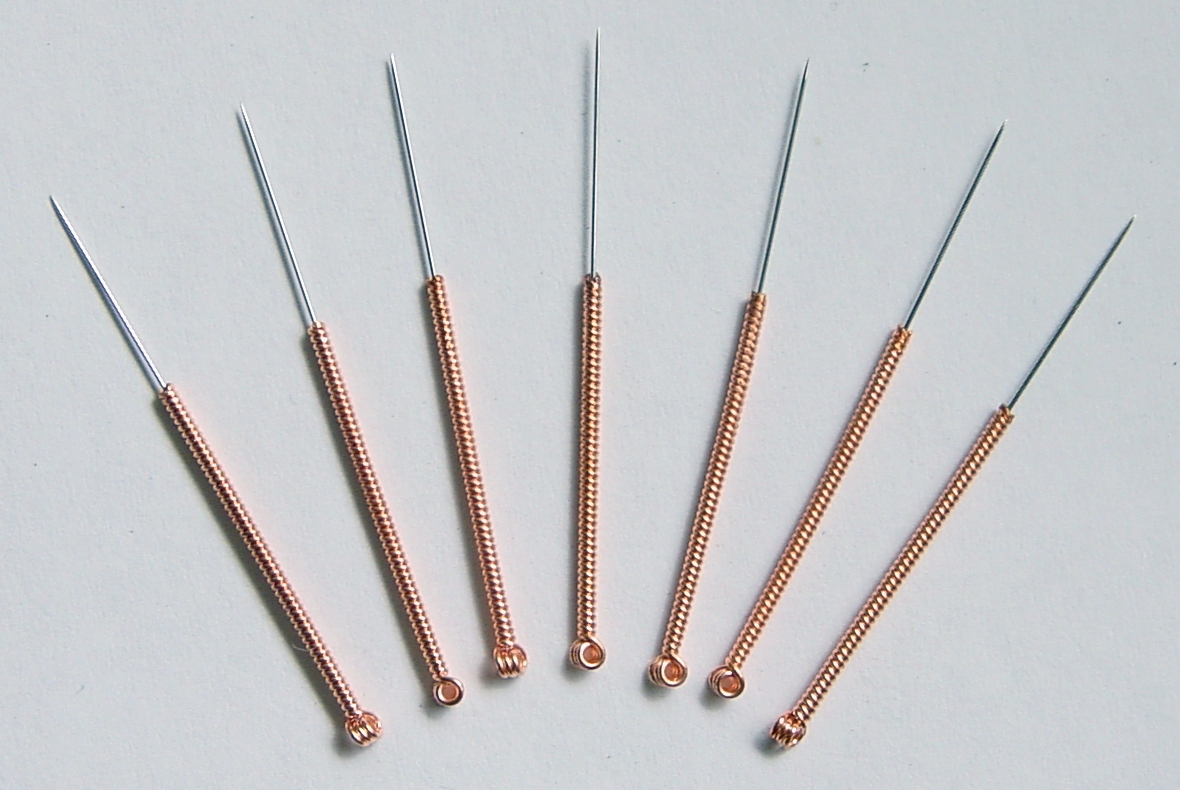
IMS, or dry needling is a therapeutic treatment that targets tight, sore, and injured muscles.  The goal of IMS is to release tight muscles in order to relieve nerve irritation and restore range of motion.

A Physiotherapist will insert thin needles into a tight muscle while changing the needles depth and direction. This motion will cause that muscle to “twitch”.  The “twitch” is caused by a quick contraction of the muscle.  This grasping feeling will then in turn become a feeling of release as the tightened and short muscle relaxes: the needle is then removed.  (A needle placed in a normal healthy muscle would cause no response and no pain).

The experience of an IMS treatment greatly varies from person to person. The response can be anywhere from uncomfortable to quite painful; but it’s temporary.  The level of discomfort is directly related to the level of nerve dysfunction, and the discomfort will decrease as the nerve returns to normal function.  It is not the needle causing the pain, but the muscle’s response to the needling that is causing the pain.

There are a number of changes that take place when the needle is inserted into a muscle.  First, the stretch receptor in the muscle is stimulated, producing a reflex relaxation (lengthening). Second, the tiny “injury” created by the needle draws blood to the area, initiating the natural healing process. Thirdly, inserting the needle also creates what’s called an “electric potential” which acts like a reset switch to make the nerve function normally again.

IMS is helpful for the following conditions:

  • Neck pain
  • Back pain
  • Sciatica
  • Whiplash
  • Shoulder pain
  • Tennis Elbow
  • Muscle sprains
  • Runners Knee
  • Plantar Fasciitis

The longer you have had your symptoms, the more treatments that are usually required. It can take 3-4 sessions to notice prolonged improvements in symptoms, though improvements are often found after the first session. On average, 4-8 sessions are required.

For more information on IMS/ dry needling, please contact our physiotherapists.

April 10, 2017/by Carmen Scott
0 0 Carmen Scott https://www.diversifiedhealth.ca/wp-content/uploads/2026/01/DiversifiedHealth-logo.png Carmen Scott2017-04-10 11:25:302017-04-10 11:25:30What Is An IMS Treatment, And How Can It Help?
Chiropractic Care, Physiotherapy

The Two Must Do’s After A Car Accident

You can suffer injuries after a car accident even if there is no physical damage done to your car. The majority of injuries suffered in minor auto accident are soft tissue injuries. A chiropractor, physiotherapist or massage therapist can help you recover after your auto accident.

One of the most important things to do after an auto accident is to seek medical attention. Many people who have been in auto accident go straight to the ER. The ER may perscribe or conduct imaging, treat any cuts or broken bones, write a prescription for the pain and tell you to follow up with your primary care doctor.  There is also the option of going to your GP, walk in clinic or health care practitioner.

Some of the symptoms from a car accident that may not show up immediately are:

Arm / Leg Pain
Back / Neck Pain
Bruising / Tenderness
Dizziness / Headaches
Muscle Weakness
Numbness
Sprains / Strains
Whiplash

Don’t underestimate the emotional symptoms caused by a car accident and make sure you take care of your mental health. Following a car accident, you may suffer from depression, easily frustrated, difficulty concentrating, anxiety, and “mental fog”.

The second most important thing to do after a car accident is to start a medical file/journal. Take detailed notes on your injuries, (take pictures of the accident location, and photos of your car’s damage and photos of your own injuries) treatments and what challenges you experience on a daily basis starting from the day of the accident and continuing until your last treatment; which can be a few days to numerous months depending on the severity of your injuries.

  • Keep a list of all doctors, clinics, hospitals, and health care practitioners
  • Keep receipts for all medical bills and receipts
  • Keep all correspondence with medical professionals, (emails, telephone conversations etc.) insurance adjusters, and any accident reports from the police
  •  Keep records of financial losses, such as lost wages

After the accident, your number one priority is to restore your mobility and range of motion, so you can get back to enjoying your daily activities.

April 6, 2017/by Carmen Scott
0 0 Carmen Scott https://www.diversifiedhealth.ca/wp-content/uploads/2026/01/DiversifiedHealth-logo.png Carmen Scott2017-04-06 11:21:552021-02-17 19:08:37The Two Must Do’s After A Car Accident
Acupuncture, Chiropractic Care, Massage Therapy, Physiotherapy

Treatments To Consider For Low Back Pain

Most cases of low back pain can be caused by a variety of problems, including muscle strain or sprain, herniated disc or degenerative disc disease. Typical sources of low back pain include:

  • Osteoarthritis
  • Muscle spasm
  • Ruptured or herniated disk
  • Sciatica
  • Strain or tears to the muscles or ligaments supporting the back
  • The nerve roots in the low back, may be irritated
  • The bones, ligaments or joints may be damaged

Low back pain from a muscle strain is the most common and can be caused by lifting a heavy object, lifting while twisting, or a sudden movement or fall.  While pain or discomfort can happen anywhere in your back, the most common area affected is your low back.

When the muscles in the low back are strained or torn, the area around the muscles becomes inflamed.  This inflammation causes the muscles in the back to spasm and cause low back pain.

Treatment for low back pain depends upon the patient’s history and the type and severity of pain. The vast majority of lower back pain cases get better within six to eight weeks.

Treating low back pain consists of a combination of treatments, such as Chiropractic, Massage, Physiotherapy, Acupuncture, Cryo/Hydro Therapy, Laser Therapy, TENS therapy, Ultrasound, eToims, Decompression Table, Graston Technique, Shockwave Therapy, Neuro-mechanical Adjusting Tool as well as topical ointments such as Traumeel and nutritional supplements that help with inflammation.

An exercise program is necessary and essential to rehabilitate the spine, increase your range of motion and help alleviate back pain.

With the first symptoms of low back pain, stop the activity for the first few days; this allows injured tissue to begin to heal, and reduce any swelling or inflammation. You can also apply heat/ice to the painful area. Always use ice for the first 48-72 hours, then use heat.  You can also take something to help with the inflammation such as ibuprofen or nutritional supplements.

March 30, 2017/by Carmen Scott
0 0 Carmen Scott https://www.diversifiedhealth.ca/wp-content/uploads/2026/01/DiversifiedHealth-logo.png Carmen Scott2017-03-30 11:20:462021-03-01 22:47:08Treatments To Consider For Low Back Pain
Chiropractic Care, Physiotherapy

Shockwave Therapy For Acute and Chronic Pain

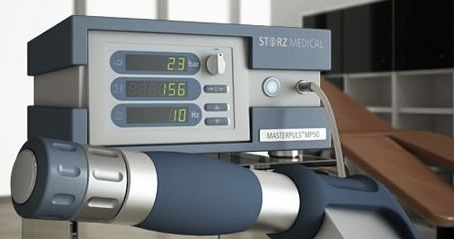
Shockwave Therapy is a non-surgical treatment of soft tissue, bone, and joint pain.  Shockwave Therapy provides a safe, non-invasive, non-surgical alternative for those suffering with acute and chronic pain such as: knee pain, heel pain, foot pain, ankle pain, hamstring pain, back pain, neck pain, shoulder pain, elbow pain, wrist pain and hand pain.  It is also used to address sports injuries, scar tissue, stress fractures, enhance bone healing, and anyone suffering from joint and tendon disorders.

There are no side effects or long term effects with shockwave therapy and no extended recovery period. Shockwave therapy improves the metabolism in the pain region, increases blood circulation, promotes and accelerates the recovery of injured tissue, and stimulates the body’s repair mechanisms. Damaged tissue gradually regenerates and eventually heals.

Shockwave Therapy:

~ Decreases muscle tension and spasms
~ Reduces pain in the affected area
~ Decreases risk of Oedema (build up of fluid in the body which causes the affected tissue becoming swollen)
~ Increases production of collagen
~ Improves metabolism and circulation
~ Increases oxygenation to the damaged tissue
~ Dissolves calcified fibroblasts (type of cell that is responsible for making collagen)

Shockwave Therapy is exceptionally good at pain management by stimulating a metabolic reaction in the affected tissue, causing stress fibers to change in their permeability. Shockwave Therapy breaks down calcific deposits which induces an analgesic reaction, which blocks pain messages.

During a Shockwave treatment, a high-intensity sound wave interacts with the tissues of the body, effectively re-injuring the area on a cellular level and breaking up scarring that has occurred in the tendons and ligaments.  The controlled re-injuring of tissue allows the body to regenerate blood vessels and bone cells.  The resulting re-vascularization leads to faster healing, reversal of chronic inflammation, stimulation of collagen and a return to pre-injury activity levels.

To find out more about Shockwave Therapy, and to find out if this treatment is right for you, please contact our health care practitioners at 250-382-0018.

March 27, 2017/by Carmen Scott
0 0 Carmen Scott https://www.diversifiedhealth.ca/wp-content/uploads/2026/01/DiversifiedHealth-logo.png Carmen Scott2017-03-27 11:01:442017-03-27 11:01:44Shockwave Therapy For Acute and Chronic Pain
Physiotherapy

Physiotherapy & Running

Physiotherapy Association of British Columbia article on:  How Physiotherapy Can Prevent & Treat Injury

Whether you are new to running or a long time fan, injuries are unfortunately common in the sport. From minor aches and pains to strains, sprains or broken bones, many injuries can keep you from continuing to enjoy running. A physiotherapist can work with you to treat a running injury, and they can also help you prevent injuries before they happen by doing gait analysis, recommending stretches, warm up exercises and

Whether you’re a dedicated longtime runner or someone who has just started out with a running goal, a physio can be a great ally to helping you both excel at and enjoy running as form of exercise. No matter what your level of fitness is, a physiotherapist will help you diagnose a running injury, treat the issue and give you easy to follow exercises and stretches you can do to improve strength and prevent further injury.

Depending on the type of running injury, techniques to treat them can include manual therapy, specialized stretches and exercises, ultrasound, taping, night splints, orthotics, acupuncture and more. For immediate relief from sprains, for example, physiotherapists will treat you with electrotherapy such as ultrasound and laser, and supportive bracing and taping to start your recovery. Physiotherapists can develop custom treatments and exercises for you that will be appropriate to your specific injury and your own level of fitness.

To read more tips about how working with a physio can help you either prevent a running injury or recover from one, download  the Physiotherapy Association of British Columbia’s tip sheet.

March 23, 2017/by Diversified Health Clinic
0 0 Diversified Health Clinic https://www.diversifiedhealth.ca/wp-content/uploads/2026/01/DiversifiedHealth-logo.png Diversified Health Clinic2017-03-23 10:06:452017-03-23 10:06:45Physiotherapy & Running
Chiropractic Care, Physiotherapy

How to Treat an Ankle Injury

An ankle injury occurs when the joint is twisted too far out of its normal position. Most ankle injuries occur during sports, walking or hiking, or by wearing ill-fitting foot wear.  An ankle injury can be caused from tripping, falling, jumping, walking on uneven surfaces, items falling on you, or a car accident.

What should you do immediately after an ankle injury? Use the R.I.C.E protocol.

Rest: Rest the ankle and keep weight off of it.
Ice:  Ice immediately and (up to 72 hours of the injury), never leave the ice on for longer than 20 minutes at a time, repeating every 40 minutes.
Compression:  Wrap the injured ankle, keep it immobile and supported.
Elevate: Elevating the injured ankle to at least the level of your heart  – this will reduce swelling.

Ankle injuries are graded as mild, moderate, or severe.

Mild sprains –  grade 1: treat with the RICE therapy for several days until the pain and swelling  has improved. The healing process will take anywhere from 2 to 5 days. Your health care practitioner can prescribe range of motion, stretching, and strengthening exercises.

Moderate sprains – grade 2: treat with the RICE therapy procedures as above.  Your healthcare practitioner or doctor will prescribe a brace or splint to immobilize the ankle, and prescribe exercises to improve range of motion and to strengthen the ankle.  You may not be able to place weight on the ankle for several days.

Severe sprains – grade 3:  this type of sprain involves a complete tear or rupture of a ligament. It’s treated with immobilization of the joint, which can include a cast, and will be followed by a longer period of physical therapy for range of motion, stretching, and strength building.  You will need the use of crutches for mobility and may need surgery to reconstruct the torn ligaments.   This type of sprain requires the immediate attention of a doctor.

The initial treatment of a sprain will include resting the ankle until the swelling goes down, ( 3- 7 days), followed by a period of one to two weeks of exercise to restore range of motion, and flexibility; and then several more weeks (3-12 weeks) before returning to your normal activities.

March 6, 2017/by Carmen Scott
0 0 Carmen Scott https://www.diversifiedhealth.ca/wp-content/uploads/2026/01/DiversifiedHealth-logo.png Carmen Scott2017-03-06 09:37:322017-03-06 09:37:32How to Treat an Ankle Injury
Physiotherapy

Spirit Donahue, MPT at Diversified Health Clinic

Spirit is our newest practitioner to join the Diversified Health Team.  He completed his Masters of Physical Therapy at the University of Alberta in Edmonton, after finishing his Bachelor of Kinesiology at the University Victoria.

Physiotherapy is a clinical health science and profession that aims to rehabilitate and assists people to restore, maintain and maximize their strength, function, movement, and overall well-being by using natural methods such as exercise, manipulation, adapted equipment and modalities.

Spirit’s treatments combine home exercise plans, hands-on techniques, and the use of multiple cutting edge modalities, which assist his patients to improve their neuromyofascial function, and get them back to their daily routines as soon as possible.

One of these modalities used is spinal decompression. Spinal decompression is the therapeutic elongation of the spine in a slow, gentle manner in order to relieve pressure on compressed vertebrae and discs. This treatment is appropriate for those individuals who have low back pain that is caused by herniated discs or degenerated discs. Spinal decompression is combined with other types of physiotherapy such as active exercises and manual therapy.

Shockwave Therapy is another non-surgical treatment of soft tissue, bone, and joint pain that is regularly used at Diversified Health. The practitioner applies a conductive gel and moves the hand piece in a circular motion over the treatment area. Shockwave Therapy sends high-energy mechanical pulses to stimulate the breakdown of scar tissue and improve blood circulation in the area. These pulses also initiate metabolic activity and an inflammatory response that promotes and stimulates healing.

Spirit is pursuing ongoing training through the Orthopaedic Manual Therapy division, as well as acupuncture and dry needling to implement these techniques into his clinical practice.

February 23, 2017/by Carmen Scott
0 0 Carmen Scott https://www.diversifiedhealth.ca/wp-content/uploads/2026/01/DiversifiedHealth-logo.png Carmen Scott2017-02-23 09:47:522017-02-23 09:47:52Spirit Donahue, MPT at Diversified Health Clinic
Page 5 of 14«‹34567›»

Search our Blog

Search Search

Topics of Interest

Acupuncture Back Pain Chronic Back Pain Chronic Pain Custom Orthotics Diversified Health Clinic Victoria BC Dry Needling eToims exercise fitness Foot pain GoodLife Fitness Victoria Marathon Headaches Health Care Victoria Health Tips Healthy lifestyle Immune System IMS Inflammation Joint Pain Knee Injuries Low Back Pain Marathons Migraines natural health practitioner orthotics Pain management Pain Relief Physiotherapy physiotherapy victoria bc Plantar fasciitis Registered Massage Therapist Registered Massage Therapy Runner's knee Running Seasonal Allergies Skin Cancer Spinal Decompression Sports Injuries Stress Stretches Sunscreen Victoria therapeutic massage Vitamins walking

Categories

  • Acupuncture
  • Athletic Therapy
  • Careers
  • Chiropractic Care
  • Events
  • Exercise Library
  • Fitness
  • Guest Bloggers/Articles
  • Health Information
  • Massage Therapy
  • News
  • Orthotics
  • Physiotherapy
  • Practitioners in Focus
  • Uncategorized
  • Victoria Healthcare News
  • Video Library

Archive

News & Events

  • How to Heal Your Pelvic Floor After Giving Birth | Pelvic Floor Physiotherapy Guide July 30, 2026
  • About Matthew Bryan, DC November 7, 2025
  • The Benefits of Shockwave Therapy Treatments February 28, 2023
  • Piriformis Syndrome: A Real Pain in the Butt January 31, 2023
  • Searching for a Personal Trainer in Victoria to Help You Achieve Your Goals? December 31, 2022
  • Are Winter Blues + Holiday Stress Making You Feel Grinchy?  November 28, 2022
  • Fact or Fiction? Is Joint Pain Worse in Cold Weather? October 28, 2022

patients choice winner

A Victoria, BC Chiropractor winner of the Patients’ Choice Awards.Verified by Opencare.com

Diversified Health Clinic

The Mosaic Building
1063 Fort St, Victoria, BC
V8V 3K5, Canada
250-382-0018
Monday7 a.m. – 7 p.m.
Tuesday7 a.m. – 7 p.m.
Wednesday7 a.m. – 7 p.m.
Thursday7 a.m. – 7 p.m.
Friday7 a.m. – 7 p.m.
Saturday9 a.m. – 4 p.m.
SundayBy Appointment
© Copyright - Diversified Health Clinic. Website by Victoria's iDreamDigital.
  • Link to Facebook
  • Link to Instagram
  • Link to X
  • Link to Youtube
  • Link to Rss this site
  • Link to Mail
Scroll to top Scroll to top Scroll to top

Would you like to learn more about our COVID-19 Protocols?

Our ProtocolsDismiss

Cookie and Privacy Settings


How we use cookies

We may request cookies to be set on your device. We use cookies to let us know when you visit our websites, how you interact with us, to enrich your user experience, and to customize your relationship with our website.

Click on the different category headings to find out more. You can also change some of your preferences. Note that blocking some types of cookies may impact your experience on our websites and the services we are able to offer.

Essential Website Cookies

These cookies are strictly necessary to provide you with services available through our website and to use some of its features.

Because these cookies are strictly necessary to deliver the website, refusing them will have impact how our site functions. You always can block or delete cookies by changing your browser settings and force blocking all cookies on this website. But this will always prompt you to accept/refuse cookies when revisiting our site.

We fully respect if you want to refuse cookies but to avoid asking you again and again kindly allow us to store a cookie for that. You are free to opt out any time or opt in for other cookies to get a better experience. If you refuse cookies we will remove all set cookies in our domain.

We provide you with a list of stored cookies on your computer in our domain so you can check what we stored. Due to security reasons we are not able to show or modify cookies from other domains. You can check these in your browser security settings.

Google Analytics Cookies

These cookies collect information that is used either in aggregate form to help us understand how our website is being used or how effective our marketing campaigns are, or to help us customize our website and application for you in order to enhance your experience.

If you do not want that we track your visit to our site you can disable tracking in your browser here:

Other external services

We also use different external services like Google Webfonts, Google Maps, and external Video providers. Since these providers may collect personal data like your IP address we allow you to block them here. Please be aware that this might heavily reduce the functionality and appearance of our site. Changes will take effect once you reload the page.

Google Webfont Settings:

Google Map Settings:

Google reCaptcha Settings:

Vimeo and Youtube video embeds:

Other cookies

The following cookies are also needed - You can choose if you want to allow them:

Privacy Policy

You can read about our cookies and privacy settings in detail on our Privacy Policy Page.

Privacy Policy
Accept settingsHide notification only