
Injury Recovery in Greater Victoria, BC - Call us to book an appointment: (250) 382-0018
Diversified Health Clinic
  • Welcome
  • Meet our Team
    • Chiropractic
      • Dr. Matthew Bryan DC
      • Dr. Tessa Bryan DC
      • Dr. Krisjan Gustavson DC
      • Dr. Alexia Grelson DC
    • Physiotherapy
      • Spirit Donahue MPT
      • Kanu Priya MPT
      • Ivy Elling-Quaintance MPT
    • Registered Massage Therapy
      • Morag Hart RMT
      • Craig Lawrence RMT
      • McKenzie Connell RMT
      • Braedan Pearce RMT
    • Acupuncture
      • Annie Wang R.Ac R.TCM.P
      • Lauren Ching R.Ac
      • Rebecca Thompson R.Ac R.TCM.P
      • Jun Liu R.Ac
    • Kinesiology / Personal Training
      • Angelina Schaaf BCAK
      • Christian Schwarz BCAK
    • Medical Doctor
      • Dr. Ian Hyams MD
      • Jennifer Blum, EMSELLA
    • Clinical Counsellor
      • Laura Grohovac CCC
    • .
  • About
    • Our Clinic
    • Careers
  • Disciplines
    • Disciplines
      • Chiropractic
      • Physiotherapy
      • Registered Massage Therapy
      • Kinesiology
      • Acupuncture
      • Clinical Counselling
      • Medical Doctor
      • Personal Training
    • Treatments
      • Shockwave Therapy
      • Spinal Decompression
      • IMS (Intramuscular Stimulation)
      • Pelvic Floor Physiotherapy
      • EMSELLA
      • Class IV K Laser Therapy
      • Orthotics
      • eToims Needle-less IMS
  • Conditions
    • Plantar Fasciitis
    • Running Injuries
    • Allergies
    • Concussion Treatment
    • Bursitis
    • Tennis Elbow
    • TMJ Disorder
    • Automobile Collisions
    • Nerve Pain with Sciatica
    • Sport Injuries
    • Stress
    • Runner’s Knee
    • Vertigo & Vestibular Rehab
    • Concussions
  • Pricing
  • News & Events
    • News
    • Events
    • Practitioners In Focus
    • Exercise Library
  • Contact
  • ICBC Claims
  • Book Now!
  • News
  • Menu Menu
  • Link to Facebook
  • Link to Instagram
  • Link to X
  • Link to Youtube
  • Link to Rss this site
  • Link to Mail
  • Welcome
  • About
    • Meet our Team
    • Our Clinic
    • Careers
  • Disciplines
  • Conditions
  • Pricing
  • News
    • News & Advice
    • Practitioners In Focus
  • Contact
  • ICBC Claims
  • Book Now!
Health Information, Physiotherapy, Uncategorized

What Is Pelvic Floor Physiotherapy? 

What Is Pelvic Floor Physiotherapy? 

When we think of fitness, our pelvic floor muscles don’t typically come to mind until symptoms of pelvic floor dysfunction such as pain or incontinence interfere with our quality of life and confidence. Pelvic floor dysfunction is common but treatable with pelvic floor physiotherapy that addresses the root cause of embarrassing leaks and other complications. Here’s how to spot the signs of pelvic floor dysfunction so that any muscle imbalances can be addressed as early as possible. 

What Do Pelvic Floor Muscles Do?

Often overlooked, our pelvic floor muscles have important jobs to do, and too much muscle tightness or weakness interferes with optimal pelvic organ function.

Our pelvic floor is a group of core muscles that extend from our pubic bone to our tail-bone and perform three essential duties:

  • Control our bowel, bladder, and sexual function
  • Stabilize our hip joints and posture 
  • Act as an internal girdle that holds our pelvic organs in their proper place

What is Pelvic Floor Dysfunction?

Pelvic floor muscles are prone to dysfunction and can become weak or too tight due to age, general health, childbirth, weight gain, muscle strain, or injury. Pelvic floor muscle imbalances can result in difficulty maintaining control over the muscles we use to control our bladder, bowels, and sexual organs, resulting in incontinence, painful intercourse, lower back discomfort, and erectile dysfunction. More advanced pelvic floor dysfunction can lead to pelvic organ prolapse in women, whereby the uterus, bowels, or bladder can move out of place and push on the walls of the vagina or rectum and lead to protrusion. 

Common Signs & Symptoms of Pelvic Floor Dysfunction

  • Lower back, pelvic, or tailbone pain or pressure
  • Incontinence: involuntary loss of bladder or bowel control, including small leaks and flatulence during moments of physical strain, sneezing, coughing, laughing, running, or sudden movements
  • (Women) Feeling fullness, pain, or pressure in your vagina
  • (Women) Painful intercourse: which is often linked to organ prolapse placing pressure on the vaginal walls
  • (Women) Pelvic discomfort and incontinence following childbirth
  • (Men) Erectile dysfunction caused by pelvic muscle tension
  • (Men) Testicular pain resembling prostatitis  
  • Pelvic organ prolapse
  • Recurring urinary tract infections
  • Difficulty urinating or defecating resulting in strain
  • The sensation of having to urinate before the bladder is full

Contributing Factors

  • Constipation and prolonged strain when urinating or defecating
  • Pregnancy and vaginal childbirth
  • Age and hormonal fluctuations approaching menopause
  • General health and fitness
  • Pelvic pressure caused by weight gain
  • Trauma caused by a previous injury, cancer treatment, or surgery
  • Hereditary factors
  • Recurring interstitial cystitis

Correcting Pelvic Floor Dysfunction With Pelvic Floor Physiotherapy 

If an assessment reveals that pelvic floor dysfunction is the cause of your symptoms, pelvic floor physiotherapy is your solution! Because the root cause of your symptoms results from weak or overly tight pelvic floor muscles, manual therapy, soft tissue release, and targeted pelvic floor exercises will be used to condition pelvic floor muscles to their optimal state. 

Expectant mothers can benefit from pelvic floor physiotherapy treatments that help strengthen the pelvic muscles in preparation for childbirth and assist in reconditioning pelvic floor muscles following delivery.

Don’t Ignore Pelvic Floor Dysfunction Symptoms!

Pelvic floor dysfunction doesn’t resolve on its own and is easier to treat the earlier you address it. The earlier your pelvic floor muscles are treated, the sooner you can enjoy the activities you love without worrying about leaks, performance ability, and discomfort. 

What to Expect During Your Initial Assessment

“Jen” (Jennifer Mildon, MPT) is Diversified Health Clinic’s physiotherapist focusing on pelvic floor physiotherapy treatments. During your initial assessment with Jen, you will be asked questions about your symptoms and objectives, and you’ll have the opportunity to ask questions about your pelvic floor and what you’re experiencing. Next, Jen will conduct a physical assessment of your lower back and hips and, pending your comfort and permission, an internal vaginal and/or rectal assessment of the tone and strength of your pelvic floor muscles before tailoring a treatment plan according to your specific condition and needs. All information you share with our practitioners, including the results of your physical exam, remains confidential between you and your practitioner. 

Let Jennifer know if you’re concerned or uncomfortable having the internal examination included in your physical assessment – you can still benefit from pelvic floor physiotherapy treatments. 

There is no downtime required following pelvic floor physiotherapy treatments. Still, depending on your treatment plan and objectives, your physiotherapist may make personalized recommendations to ensure you receive the most benefit from each treatment. 

Take the Next Step!

Get relief from pelvic floor dysfunction – book your initial assessment with our physiotherapist Jen at Diversified Health Clinic today, or contact our clinic to learn more.

Your first appointment will include a health assessment that will help your practitioner tailor your treatments to your specific needs and objectives and allow you to ask any questions you might have. 

When you call to book your appointment, let our front desk staff know if you are on a health benefits plan covering naturopathic/acupuncture treatment. We offer direct billing and can help process your claim. 

Related

Physiotherapy for Pelvic Organ Prolapse

August 31, 2021/by Diversified Health Clinic
https://www.diversifiedhealth.ca/wp-content/uploads/2021/09/DHC-What-Is-Pelvic-Floor-Physiotherapy-depo-1200x630-CX.jpg 630 1200 Diversified Health Clinic https://www.diversifiedhealth.ca/wp-content/uploads/2026/01/DiversifiedHealth-logo.png Diversified Health Clinic2021-08-31 19:58:292021-09-06 20:05:43What Is Pelvic Floor Physiotherapy? 
Health Information

Is Golfer’s Elbow Pain Keeping You Off The Course? 

Is Golfer's Elbow Pain Keeping You Off The Course? 

Are you trying to fit in as much time on the course as possible this season? Who could blame you? Golf is one activity that offers a healthy combination of mental stimulation, physical fitness, fresh air, and solace. For these reasons, it’s hard to keep avid golfers off the course during stretches of favourable weather. However, if and when pain or discomfort starts interfering with your swing, it’s time to do something about it before it gets worse. Here’s what you need to know about Golfer’s Elbow and Golfer’s Elbow treatment in Victoria, BC.

What Is Golfer’s Elbow and Why Does It Hurt So Much?

Like tennis elbow, which occurs outside the elbow, Golfer’s Elbow (Medial Epicondylitis) is an overuse injury. Technically a form of tendinitis, Golfer’s Elbow is caused by repetitive movements that strain and inflict small tears in the muscles and tendons of your forearm, resulting in pain and inflammation that radiates from the inside of your elbow. 

Pain from Golfer’s Elbow can come on suddenly, gradually, or develop and worsen with repeated use. It’s not uncommon for golf enthusiasts to push through the initial signs and symptoms of Golfer’s Elbow until the resulting pain and stiffness interfere with their swing. Golfer’s Elbow that is caught early and treated with adequate rest and ice can sometimes resolve on its own. Still, if pain, stiffness, or weakness persist, you’re better off seeing a health practitioner for proper diagnosis and treatment. 

Signs & Symptoms of Golfer’s Elbow

Here are the most common signs & symptoms of Golfer’s Elbow:

  • Pain and tenderness at the inner side of your elbow
  • Elbow pain that worsens with specific movements–especially during your golf swing.
  • Stiffness of elbow and forearm
  • Difficulty, weakness, or pain when clenching your grip to make a fist
  • Numbness, burning, or tingling pain that may extend into the upper arm, forearm, and fingers
  • Pain and tenderness that worsens at night or upon waking
  • Pain when you make a fist or flex your wrist towards your forearm

Common Causes & Aggravating Factors

Considered an overuse injury, Golfer’s Elbow isn’t exclusive to golfers. Instead, it’s a common ailment amongst athletes, workers, and enthusiasts that partake in activities or occupations that place repetitive load or strain on the forearms and elbow, including:

  • Tennis and other racquet sports
  • Baseball, football, and other sports that involve pitching/throwing
  • Rowing
  • Occupations that involve the frequent and repeated use of tools such as hammers, wrenches, cleavers, paintbrushes, and paint rollers
  • Computer work
  • Weightlifting movements that cause curling of wrists or which place strain and load on forearms, wrists, and elbows

Things You Can Do to Help Prevent It From Developing

  • Taking time to warm up and stretch your muscles before activity 
  • Proper use of a compression sleeve to help support your wrists and elbows as needed
  • Paying attention to proper form on the course and during workouts
  • Performing exercises that target and strengthen your wrists and forearm muscles
  • Being correctly fitted with the right sports equipment for your size and stature
  • Staying on top of hydration during activity and getting adequate rest
  • Being mindful of signals your body sends you indicating that rest and care are needed (pain, swelling, discomfort, decreased range of motion, numbness, etc.)
  • Establishing good workstation posture and ergonomics 

When to Seek Treatment for Golfer’s Elbow Pain

Mild cases of Golfer’s elbow often resolve with several days of rest and intermittent icing; however, if the pain persists or worsens, it’s best to seek treatment. Left untreated, Golfer’s Elbow can progress to more serious injury, resulting in limited movement, permanent disability, or conditions requiring surgery to help resolve. For this reason, prevention and prompt treatment are vital. When rest and ice fail to resolve pain, or when Golfer’s Elbow continues to flare up and interfere with your activities, it’s time to get help. The good news is, with proper help and treatment, Golfer’s Elbow can be resolved and prevented. 

At Diversified Health Clinic, effective treatment of activity-induced aches and pains involves a tailored approach, starting with a thorough assessment of your condition to identify the root cause of your pain and determine the best course of treatment that will expedite healing.

Take the Next Step

Don’t let Golfer’s Elbow keep you off the course for too long. Instead, take the first step on your road to recovery by booking an appointment with one of our practitioners today. Call (250) 382-0018 or book an appointment online. We offer direct billing and weekday and weekend appointments. Please view our hours of operation and location details here.

Related

Lower Back Pain From Golf? Here’s How to Fix It

Joint Pain? Why It’s Important to Identify Bursitis Symptoms 

Private Victoria Rehab Gym Helps You Recover From Sports Injuries

June 30, 2021/by Diversified Health Clinic
https://www.diversifiedhealth.ca/wp-content/uploads/2021/07/DHC-Golfers-Elbow-RF-Uns-1200x630-CX.jpg 630 1200 Diversified Health Clinic https://www.diversifiedhealth.ca/wp-content/uploads/2026/01/DiversifiedHealth-logo.png Diversified Health Clinic2021-06-30 08:00:452021-07-12 08:26:54Is Golfer’s Elbow Pain Keeping You Off The Course? 
Health Information, Massage Therapy, News

What to Do When Holiday Stress Takes the Jingle Out of Your Jangle

When Holiday Stress Takes the Jingle Out of Your Jangle

Is holiday stress giving you a case of the bah humbugs? You’re certainly not alone! North Americans report experiencing increasing stress levels approaching the holidays, resulting in muscle tension, fatigue, and burnout. Thankfully, there are things you can do to immediately reduce stress and tension and find ways to enjoy the holiday season again.

According to survey results outlined by newswire.ca, even as of 2018 (before COVID complicated things), one-third of Canadians were already feeling more holiday-related stress than they had reported 5-years prior. These survey results reflect outcomes from other, similar surveys conducted in Canada and the United States, revealing a trend: the holidays are becoming increasingly stressful instead of joyous. A lot of it comes from feeling physically, emotionally, and financially overspent. 

What’s especially concerning are the potential health ramifications of stress. All this stress goes somewhere, resulting in restlessness, sleeplessness, burnout, skin and digestion issues, headaches, and muscle tension.

Signs & Symptoms of Holiday Stress

  • Lack of enthusiasm or “holiday spirit.”
  • Feeling overwhelmed by commitments and everything you think you need to do. 
  • Loss of interest in holiday activities you typically enjoy doing. 
  • Feelings such as guilt and dread when considering obligations. 
  • Fearing disappointment or disaster. 
  • Experiencing muscle pain, tightness and/or tension (notably in the back, neck, and shoulders)
  • Feeling buried in tasks and loose ends.
  • Feeling tired but wired, even after a good night’s sleep.

Common Causes of Holiday Stress

Additional survey results reveal that one the most common causes of holiday stress is the feeling of having too much to do and not enough time or money to accomplish it all. Between holiday shopping, wrapping and decorating, cleaning the house, and preparing the perfect holiday meal and experience, it’s no wonder why more people are headed towards holiday season burnout.

Other contributing factors to holiday stress include:

  • Feeling overstretched physically and financially.
  • Concerns about family getting along well when everyone gets together. 
  • Feeling obligated to attend and participate in holiday festivities.
  • Experiencing feelings of guilt when turning down an invitation.
  • Physical, mental, and emotional exhaustion from being “on” all of the time. 
  • Fearing the holiday experience won’t live up to expectations. 
  • Placing unrealistic expectations on yourself and others–trying to find the perfect gift and create an ideal holiday experience. 
  • Overstimulation from crowded shops, traffic, lights, and music. 
  • “When demands exceed our ability to cope.”

Treating & Preventing Holiday Season Burnout

Rest to Prevent Holiday Season Burnout

Remember how fun and exciting the holiday season was for you as a kid? Recapturing some of that lightheartedness and fun again is possible, but it requires surrender: relinquishing the urge to “do more” and establishing coping effective coping strategies. You can start lowering stress by mitigating it at its source (as much as possible) while treating the symptoms. This could mean:

  • Planning in advance how many obligations you will agree to: giving yourself permission to opt-out of some invitations and obligations. 
  • Being more realistic about your time and energy: which may mean cutting back on shopping, baking, and decorating. 
  • Sticking to a list and budget: Resist the temptation to go overboard to find the perfect gift for everyone. 
  • Being realistic about expectations: basing your expectations on what family gatherings have been like, and remember that things don’t have to be perfect to be fun and meaningful. 
  • Reserving time for rest: this year, find ways to make rest & relaxation part of the holiday celebrations. Something may have to give to make more time and space for rest, but no one will miss the extra string of lights or fussy side dish. 
  • Asking for help and accepting support: For some people, asking for help is hard to do but worth it! Everyone benefits from having a bit of support. You can make your holiday workload lighter by delegating and adopting a teamwork approach. You can even make it fun by throwing a holiday decorating, tree trimming, or baking party with your kids or besties. 
  • Making self-care a priority: You aren’t going to have a lot of energy and enthusiasm to share if you’re not replenishing your energy stores. Don’t scrooge when it comes to making time for self-care. This can include making time to decompress, maintaining good sleep-hygiene, fitting in some light exercise, and booking yourself a tension-releasing massage or acupuncture treatment. 

For a Much Needed Reprieve From Holiday Season Tension in Victoria, BC. 

Restore and recharge yourself this holiday season with registered massage therapy or acupuncture treatment that releases tension, increases circulation, and helps you feel well-rested and ready to shine again. Give our team of practitioners at Diversified Health Clinic a call today at (250) 382-0018 or book an appointment online. 

November 30, 2020/by Diversified Health Clinic
https://www.diversifiedhealth.ca/wp-content/uploads/2020/12/DH-NOV-Holiday-Stress-DP-FEATURED-CX.jpeg 630 1200 Diversified Health Clinic https://www.diversifiedhealth.ca/wp-content/uploads/2026/01/DiversifiedHealth-logo.png Diversified Health Clinic2020-11-30 08:00:442020-12-01 08:38:08What to Do When Holiday Stress Takes the Jingle Out of Your Jangle
Acupuncture, Health Information

Cupping: Its Ancient Origin and Modern Benefits

Cupping Origins and Benefits

Cupping is an ancient technique used in Traditional Chinese Medicine (TCM), and practiced throughout history in many countries, such as Greece, Russia, and Thailand.

How It’s Performed

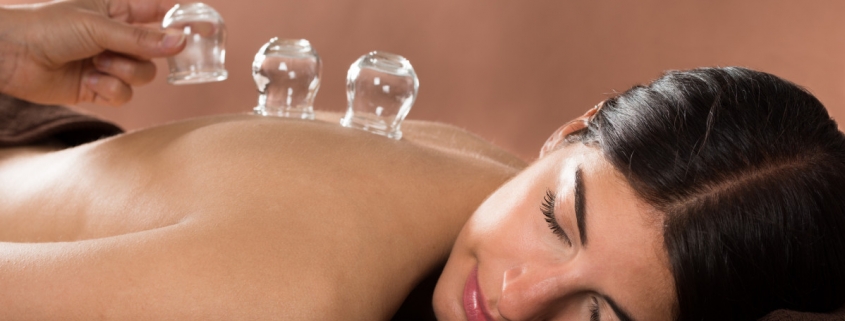
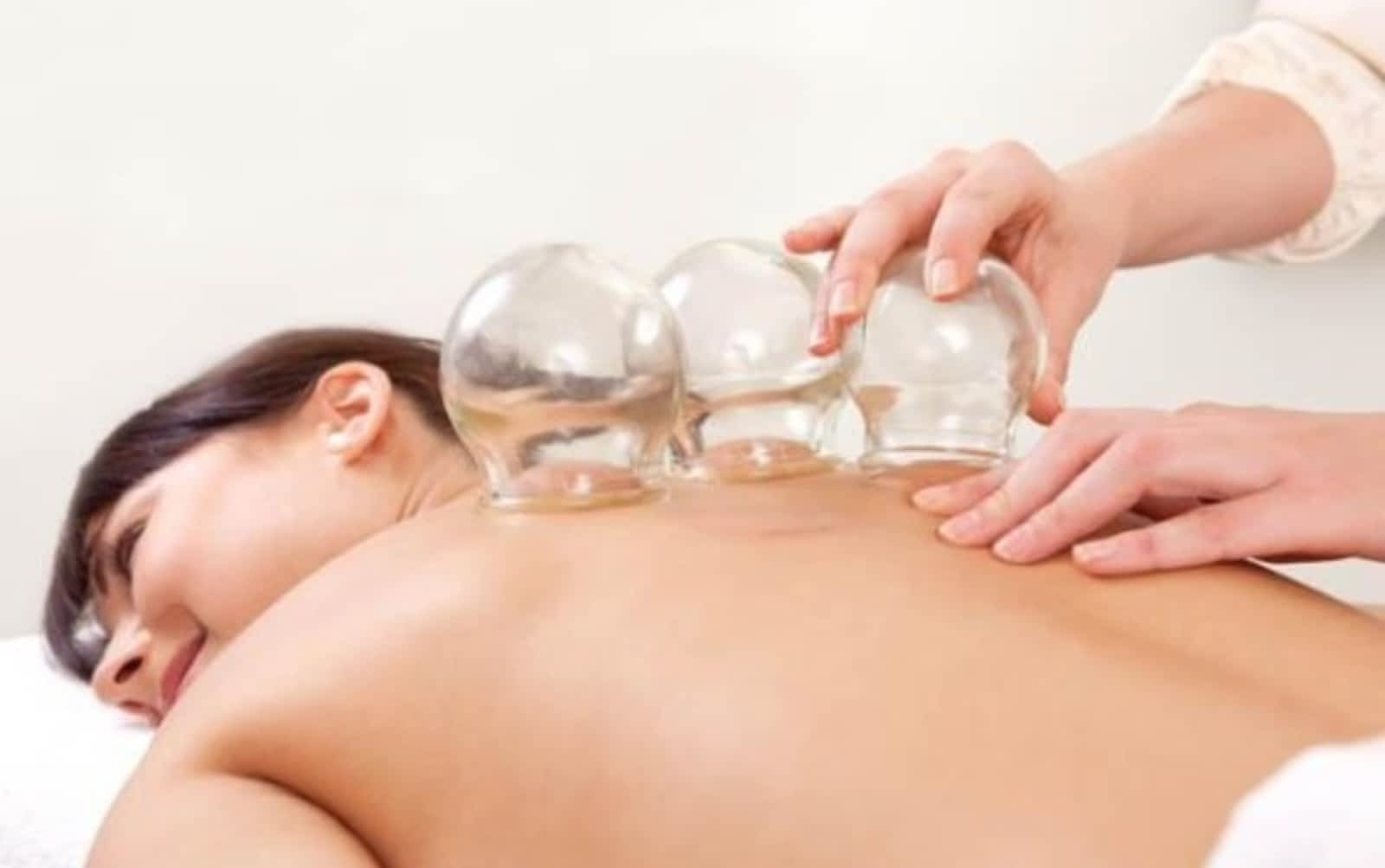
Cupping involves placing a glass or silicone cup on the skin, and creating suction that gently pulls up the skin and fascial tissue to break up adhesions, improve blood flow and oxygenation, and to clear cellular debris. It is sometimes thought of as a “reverse massage” that pulls up tissues rather than pushing them down into the body.

Cupping Benefits

There has been a recent resurgence and increased recognition of the benefits of this practice in North America. High profile athletes, such as Michael Phelps, have used cupping for pre and post-workout recovery, reportedly enhancing their performance and recovery.

In TCM, cupping may be used alone or with acupuncture. It stimulates acupuncture points and meridians, promotes the flow of blood and Qi, and eases muscle pain and tension. It is also recommended for respiratory conditions such as asthma, stress, anxiety, migraines, and some digestive disorders.

Treatment Specifics

Depending on the practitioner’s diagnosis and treatment, cups may be left in one place, or oil may be applied and the cups moved along muscle groups or meridians. Cupping should not be painful, but can leave temporary marks called ‘sha’ that vary in color from yellow to dark purple and fade within a week. The suction often immediately relieves tension and pressure, like a deep massage.

Cupping must be performed by a trained practitioner to ensure proper diagnosis and treatment, and may be contraindicated for certain conditions.

cupping victoria bc

Book a Treatment for Yourself

Our Clinic Acupuncturist, Sara Bjorkquist offers cupping as just one of the many therapeutic options available at Diversified Health Clinic.

For more information or to book your treatment, please contact the clinic at 250-382-0018 or online here.

November 10, 2020/by Diversified Health Clinic
https://www.diversifiedhealth.ca/wp-content/uploads/2020/11/cuppingtherapy.jpg 800 1198 Diversified Health Clinic https://www.diversifiedhealth.ca/wp-content/uploads/2026/01/DiversifiedHealth-logo.png Diversified Health Clinic2020-11-10 09:00:432020-11-12 20:03:51Cupping: Its Ancient Origin and Modern Benefits
Health Information, News, Physiotherapy

Elbow Pain? Effective Tennis Elbow Treatment in Victoria, BC

What Is Tennis Elbow? and What Causes It?

Tennis elbow (technically known as lateral epicondylitis) is a form of tendonitis that results from inflammation and small tears in the tendon connecting your elbow joint to your forearm muscles. Tennis elbow pain is typically felt at the outer elbow and along the forearm, with symptoms that become more pronounced when the affected tendons and muscles are activated (by raising or straightening your wrist and hand, for example). Fortunately, it’s a condition that is relatively easy to remedy, with non-invasive tennis elbow treatment options that relieve pain and repair injury. 

Signs & Symptoms of Tennis Elbow

The most common signs and symptoms of tennis elbow include:

  • Weakness and pain typically affecting one arm but can affect both arms, depending on the aggravating activity (e.g., weightlifting where wrists and forearms and subjected to repetitive strain from pulling and weight-bearing movements).  
  • Aching or burning pain that typically starts at the bony prominence of your outer elbow
  • Pain can sometimes extend from your outer elbow up through your forearm to the back of your hand.
  • Pain can worsen at night or when using the affected arm to hold tools, weights, or other sports equipment. 
  • Sudden or worsening grip strength. 
  • Pain or discomfort when shaking hands, gripping items, turning doorknobs, holding a hammer or coffee mug, or lifting and straightening your wrist.

Tennis Elbow Risks & Contributing Factors 

The common name used to describe lateral epicondylitis (tennis elbow) can be deceiving. While it is a common condition amongst athletes, anyone can suffer from tennis elbow, especially if your occupation or recreational activities involve repetitive lifting and extension of the hand or bending of the elbow. 

A few examples of activities and contributing factors that can cause tennis elbow include:

  • Age: most commonly experienced by adults between the age of 30-50
  • Racquet sports (tennis, badminton, squash, ping-pong)
  • Lacrosse
  • Weightlifting/Olympic weightlifting and CrossFit 
  • Typing
  • Using wrenches, hammers, and other tools (plumbers, construction workers, mechanics, stonemasons, painters)
  • Laser technicians
  • Chefs, butchers, and line cooks
  • Violin playing
  • Golfing

In rare cases, tennis elbow pain can occur without any apparent cause. Regardless of the cause, discomfort indicates that it’s time to seek tennis elbow treatment before the condition progresses.  

Effective Tennis Elbow Treatment in Victoria, B.C.

Effective Tennis Elbow Treatment

In a significant majority of cases, the good news is that tennis elbow pain can be effectively resolved with non-invasive treatments. Effective tennis elbow treatment sometimes only requires physiotherapy, and in other cases, a tailored combination of targeted therapies, including:

  • Physiotherapy
  • Kinesiology
  • Shockwave Therapy
  • Chiropractic Care
  • Acupuncture
  • Ultrasound
  • Cold Laser
  • eToims
  • A holistic approach to treatment

Never Ignore Pain

Pain indicates that it’s time to seek treatment. Sudden or worsening pain or discomfort is your body’s way of telling you that something is amiss and requires correction. While most tennis elbow cases aren’t serious, subjecting the affected area to continual strain could result in nerve compression and significant damage to muscles and tendons requiring surgery if left unaddressed. 

Because various contributing factors can cause conditions such as tennis elbow, we take a comprehensive approach to providing tennis elbow treatment at Diversified Health Clinic. The first step is to book an appointment with one of our physiotherapists. When we meet with you, we’ll start with a thorough initial consultation and assessment before tailoring a treatment plan for you that relieves pain while specifically addressing your condition. We’ll also show you specific stretches and exercises you can continue at home to aid your recovery and maintain your results. Our goal is to help you return the activities you love and enjoy without the interference of pain or risk of injury. 

Things You Can Do to Help Prevent Tennis Elbow Before and After Tennis Elbow Treatment

  • Rest: after assessing your condition, our physiotherapist will be able to recommend how much rest your affected elbow needs before returning to your usual activities. 
  • Correction: our physiotherapist and kinesiologist will assess your postural and movement patterns and correct any dynamics that contributed to your pain and condition.
  • Stretching and Conditioning: Treating and preventing the recurrence of joint, tendon, nerve, and muscle pain often includes stretches and exercises that strengthen stabilizing muscles to protect from further injury. 
  • Support: In cases where strain cannot be avoided, wraps and sleeves may be recommended as part of your tennis elbow treatment plan. 
  • Anti-inflammatories: While pain should never be ignored, in the interim, over the counter anti-inflammatories such as ibuprofen may be taken to help temporarily relieve pain and reduce inflammation. 

If You Suffer From the Symptoms of Tennis Elbow:

Give our team of practitioners at Diversified Health Clinic a call today at (250) 382-0018 or book an appointment online. We’re happy to help answer your questions, address the cause of your pain and discomfort, and get you on the road to recovery.

October 28, 2020/by Diversified Health Clinic
https://www.diversifiedhealth.ca/wp-content/uploads/2020/11/DHC-Elbow-Pain-1-DP-1200x630-CX.jpeg 630 1200 Diversified Health Clinic https://www.diversifiedhealth.ca/wp-content/uploads/2026/01/DiversifiedHealth-logo.png Diversified Health Clinic2020-10-28 23:14:242020-11-08 00:02:49Elbow Pain? Effective Tennis Elbow Treatment in Victoria, BC
Health Information, News, Physiotherapy

Physiotherapy for Pelvic Organ Prolapse

Physiotherapy for Pelvic Organ Prolapse

What Is Pelvic Organ Prolapse?

Pelvic organ prolapse is a functional problem that occurs when the pelvic floor muscles and tissues are weakened and no longer support the pelvic organs as optimally as they should. The pelvic floor organs can drop into the vagina, causing an annoying sensation of fullness in the vagina or a protrusion at the vaginal opening. 

There are various types of pelvic organ prolapse, but the most common types include:

  • Cystocele: bladder bulging into vagina
  • Rectocele: rectum bulging into vagina
  • Uterine: uterus bulging into vagina 

What Causes It?

Pelvic organ prolapse can result from straining during childbirth, straining with persistent constipation, obesity, or a persistent cough. The likelihood of getting a pelvic organ prolapse increases with age and is commonly seen in women who have given birth. 

What Are the Symptoms?

The most common symptoms of prolapse are sensations of fullness in the vagina or protrusions at the vaginal opening, but a person experiencing prolapse may also notice difficulty urinating or changes in bowel movements. Pelvic organ prolapse does not often cause any pain but the protruding organ may cause pressure at the perineum, the region between the pubic bone and the tail bone. The symptoms can be aggravated with standing or when doing movements that increase the intraabdominal pressure, and can be relieved with lying down.

How Can Physiotherapy Help?

Evidence shows that pelvic floor muscle training can help to improve prolapse symptoms. Our physiotherapist, Jennifer Mildon, can guide you through an exercise program tailored specifically to you that can help to strengthen your pelvic floor muscles. Jen can also provide you with strategies or lifestyle modifications that can help to prevent further aggravation of your symptoms so that you can get back to feeling confident with functional movements. 

What Can Be Done to Prevent It?

Maintain a healthy weight, avoid straining with bowel movements, and exercise your pelvic floor to help your muscles stay strong!

For Prolapse Treatment in Victoria, B.C.

Contact Diversified Health Clinic today to book an appointment with Jen, and to learn more about the Pelvic Floor Physiotherapy treatments we offer.

September 28, 2020/by Diversified Health Clinic
https://www.diversifiedhealth.ca/wp-content/uploads/2020/09/pelvic-organ-prolaps.jpg 886 1532 Diversified Health Clinic https://www.diversifiedhealth.ca/wp-content/uploads/2026/01/DiversifiedHealth-logo.png Diversified Health Clinic2020-09-28 23:00:032021-03-01 05:44:16Physiotherapy for Pelvic Organ Prolapse
Chiropractic Care, Health Information, Massage Therapy, Physiotherapy

Nerve Pain With Sciatica: What It Is and How We Approach Sciatic Treatment in Victoria BC

Nerve Pain With Sciatica and Sciatic Treatment Victoria BC

Ouch! Have you ever experienced a sharp, shooting, burning or pinching pain down your lower back, glutes, hamstrings or calves? Or how about a sudden and severe “electric jolt” like feeling following activity? While nerve pain with sciatica can be severe, it can also manifest as a mild, aching pain that seems to come and go. Some people experience sciatica as a weakness and numbness in the affected area. When nerve pain with sciatica becomes severe, it’s nearly impossible to ignore. When patients arrive at our clinic, it’s often because their sciatica pain is interfering with their ability to enjoy their usual activities, including work, rest, and recovery.

 First, What is Nerve Pain With Sciatica?

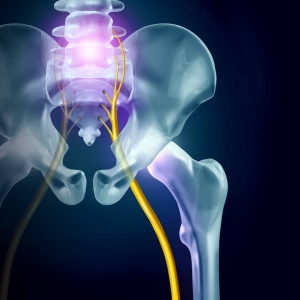
Nerve Pain With SciaticaSciatica is the term used to describe sciatic nerve pain. Nerve pain can occur anywhere in the body while sciatic nerve pain affects the lower back and lower, posterior extremities. This is because of how the sciatic nerve branches off your lower spine (just above your buttocks) before threading down through your glutes, hamstrings and calves. Sciatic nerve pain often occurs on one side of the body, or is markedly worse on one side of the body, and can arise from various physical triggers as outlined below.



Nerve pain with sciatica occurs when a nerve is pinched, which can be caused by a myriad of contributing factors, including:

  • Obesity
  • Inflammation
  • Poor posture
  • Chronically tight or strained muscles
  • Short and tight hip flexor and hamstring muscles
  • Spinal bone spurs and overgrowths
  • Herniated disc
  • Incorrect form during exercise
  • Occupational strain 
  • Following an accident or injury
  • Tumor growth
  • Complications of underlying diseases such as diabetes. 

Things You Can Do to Help Prevent Nerve Pain with Sciatica

You can help reduce your chances of developing pinched nerves by establishing good physical habits, including:

Regular Exercise & Stretching

Making time in your week for adequate fitness and activity with a focus on consistency, proper form, stretching, and sufficient recovery. If you’re new to a workout or activity, consider getting help from one of our physiotherapists to ensure you are performing each move with proper form to avoid pinching nerves or overstraining your spine. This is especially important if you have any pre-existing injuries. Everybody is different: An exercise that works fine for your friend, may not work as well for you, and gym and sports equipment should be adjusted to fit your specific body dynamics–this includes proper footwear!

Maintaining Good Posture

Be mindful of your posture while sitting, standing, lifting and otherwise exerting your body. This includes assessing the ergonomics of your seating and workstation arrangement. Subtle adjustments can make the difference between a happy body versus one riddled with muscle tightness, inflammation, nerve pain, and injury.

Adequate Rest and Recovery

Athletes know that adequate recovery is just as critical as being active, but rest is often the first thing people take for granted. Good recovery starts with knowing when your body needs rest and giving it the support it requires to repair itself and grow stronger. This includes steps such as good nutrition, icing, rolling, and massage to help reduce inflammation. It also includes how you sleep. 

Support While You Sleep

There’s a science to choosing the right pillow. Make sure your pillow has the right density and height, according to your preferred sleeping position. You want to maintain the natural curvature in your neck. It also helps to take the pressure off your lower back and hips by placing a rolled-up towel or pillow behind the crook of your knees (when laying on your back) or between your bent knees (when laying on your side). The idea is to keep your knees slightly bent in order to maintain a very slight natural curve in your lower back. This also helps to relax tight hip flexors, glutes, and hamstrings.

Supporting your spinal health during work, rest and sleep can be a pretty significant game-changer. A physiotherapist can demonstrate specific stretches and techniques you can use at work and at home to relieve nerve pain with sciatic and support your recovery. 

Pain Indicates It’s Time to Seek Treatment

Ignoring nerve pain is never a good idea. Consider that pain is your body’s way of communicating that something isn’t as it should be. Neglecting to address the pain and the cause of it can result in compounding complications or even permanent nerve damage. Being proactive is key. The good news is that sciatica pain can often be resolved with non-invasive treatments that target the root causes of pinched nerves and prevent the pain from coming back.

Relieving Nerve Pain with Sciatica: Sciatic Treatment  in Victoria, BC:

Because pain can be caused by a variety of factors that are unique to your situation, at Diversified Health Clinic, we take a comprehensive approach to treating nerve pain with sciatica. We start with a thorough initial consultation before tailoring a treatment plan for you that’s based on the specific causes of your pain. Your treatment plan may include one or more of the following treatments and will include tips on how you can maintain your results at home between appointments.

  • Chiropractic Care
  • Physiotherapy and Intramuscular Stimulation 
  • Registered Massage Therapy
  • eToims Needle-less Intramuscular Stimulation
  • Laser Therapy
  • Ultrasonic Shockwave Therapy
  • Spinal Decompression
  • Orthotics

Depending on the cause and severity of sciatica and nerve pain, patients often start feeling relief after the first visit, which only gets better as the treatments progress. It brings us tremendous satisfaction to see our patients return to their favourite activities and lifestyles without the hindrance of pain and fatigue. Life is too precious to spend it in unnecessary pain, especially when effective treatments are within reach.

 If you suffer from the symptoms of nerve pain with sciatica, give our team of practitioners a call at Diversified Health Clinic today at (250) 382-0018 or book an appointment online. We’re happy to help answer your questions, address the cause of your pain and discomfort, and get you on the road to recovery.

August 24, 2020/by Diversified Health Clinic
https://www.diversifiedhealth.ca/wp-content/uploads/2020/08/DHC-Nerve-Pain-With-Sciatica-DP-1200x630-CX.jpeg 630 1200 Diversified Health Clinic https://www.diversifiedhealth.ca/wp-content/uploads/2026/01/DiversifiedHealth-logo.png Diversified Health Clinic2020-08-24 21:35:172020-08-24 21:38:08Nerve Pain With Sciatica: What It Is and How We Approach Sciatic Treatment in Victoria BC
Acupuncture, Health Information

How to Conquer Seasonal Allergies

seasonal allergies

Spring may be beautiful, but there are many who live with seasonal allergies who look upon the return of flowers, blossoms and other beautiful blooming plants with trepidation.

An ‘allergy’ is a sensitivity to something in your body that is usually harmless. When your body encounters a foreign substance inside your nose or air ways, the allergic reaction begins. Seasonal allergies are the same thing.

An allergic reaction is what happens in your body following exposure to allergens.  The tissues inside your nose respond to allergens by releasing substances such as histamine. Histamines then trigger sneezing, runny nose, itchy, watery eyes and itchy throat or nose.

What is Hay Fever?

Seasonal allergic rhinitis, or “hay fever”, affects millions of people every spring. Symptoms include sneezing, runny nose, sore throat, coughing, itchy watery eyes, congestion etc.

Allergies are your body’s reaction to allergens (mold, dust pollen), a sign that your immune system is working overtime.

Allergies are your immune system trying to defend itself. You immune system identifies pollen, dust etc. as an invader or allergen. Your immune system overreacts by producing antibodies called Immunoglobulin E (IgE). These antibodies travel to cells that release chemicals, causing an allergic reaction.

Pollen and Mold Both Trigger Allergies

Pollen are tiny particles that are released from trees, weeds, and grasses. The weather can affect the amount of pollen in the air at any time.

Molds are tiny fungi that thrive in moist warm conditions; with their spores floating in the air, much like pollen.

Allergy testing can verify whether you’re reacting to mold, pollen, dust mites, or pet dander. Every person is different in what they react to.  Just because you haven’t reacted to something currently, doesn’t mean you won’t react to it in the future. Anyone can become sensitized at any time.

5 Simple Steps to Manage Seasonal Allergies

There are some simple steps you can take to limit your exposure to the pollen or molds that cause your symptoms:

  1. Keep your windows closed
  2. Try to stay indoors when the pollen counts are highest, typically between 5am and 10am
  3. When you return indoors, take a shower and change clothes
  4. Avoid chores that stir up pollen and molds such as gardening, and lawn mowing
  5. Keep the relative humidity in your home below 50 percent; this also helps to discourage mold

Acupuncture Can Help With Seasonal Allergies

While allergy medications can temporarily alleviate the symptoms of hay fever, acupuncture addresses the underlying imbalance that’s causing the symptoms in the first place.

Acupuncture looks at allergies as a general disruption of a person’s defensive mechanisms. Instead of accepting the over reactive immune response and suppressing it with antihistamines, acupuncturists look at why the person’s immunity is compromised.

April 27, 2020/by Diversified Health Clinic
https://www.diversifiedhealth.ca/wp-content/uploads/2017/05/hazel-4864331_960_720.jpg 640 960 Diversified Health Clinic https://www.diversifiedhealth.ca/wp-content/uploads/2026/01/DiversifiedHealth-logo.png Diversified Health Clinic2020-04-27 11:32:592020-07-02 01:58:29How to Conquer Seasonal Allergies
Acupuncture, Health Information

Spring is in the air! Allergy Season Relief with Acupuncture

Spring is in the air! Allergy Season Relief with Acupuncture

If you suffer from seasonal allergy symptoms, you might want to consider visiting an acupuncturist. The goal of the acupuncturist is to develop a plan which addresses the person’s acute symptoms and provides relief while addressing the underlying immune system imbalance which is thought to be at the root of the person’s allergies.

Symptoms of Seasonal Allergies

  • Sneezing
  • Coughing
  • Watery eyes
  • Nasal congestion
  • Runny or stuffy nose
  • Postnasal drip
  • Ear congestion
  • Itchy sinuses, throat, eyes, or ear canals
  • Adenoid swelling – this occurs when the lymph tissue that lines the back of the throat swells
  • Dark circles under the eyes – caused by swelling and discoloration from the congestion of small blood vessels beneath the skin in the eye area.

If your allergy symptoms persist for more than two weeks, you should see your allergist or an acupuncturist for proper testing, diagnosis and treatment. Finding and treating the source of your suffering can also clear up other unwanted symptoms. Less-common allergy symptoms may include: headache, shortness of breath, coughing, or wheezing.

Decreasing Your Spring Allergy Triggers:

  • Try to stay indoors whenever the pollen count  is high – Pollen levels tend to peak in the morning
  • When the day is windy, pollen can counts surge
  • Vacuum often and clean air filters regularly
  • Keep your doors and windows closed to keep allergens out, and use an air purifier
  • Wash bedding and rugs in hot water to eliminate dust mites and other allergens
  • Shower, and change clothing after going outside to wash away pollen

If these steps still don’t provide any relief, and before turning to over-the-counter antihistamines, decongestants, nasal sprays and eye drops, speak with your healthcare practitioner to discuss all your options for treatment, including acupuncture.

Acupuncture treatment plans for allergies will vary greatly from person to person. The possible results will range from temporary relief to complete remission. Acupuncture frequently relieves nasal congestion and sneezing as soon as the needles are inserted.

If you suffer from seasonal allergies please contact our Registered Acupuncturist for more information on how she can help with your allergy symptoms.


April 8, 2019/by Diversified Health Clinic
https://www.diversifiedhealth.ca/wp-content/uploads/2019/04/DHC-Seasonal-Allergies-R-UNSP-1200x630.-CX.jpeg 630 1200 Diversified Health Clinic https://www.diversifiedhealth.ca/wp-content/uploads/2026/01/DiversifiedHealth-logo.png Diversified Health Clinic2019-04-08 16:19:152020-07-02 01:57:38Spring is in the air! Allergy Season Relief with Acupuncture
Health Information

What is Bursitis?

What is Bursitis?

Bursitis is an inflammation of one of the body’s bursae (the fluid-filled sacs that cushion the joints). This painful condition can be caused by a mild injury, repeated use (such as prolonged kneeling on a hard surface), arthritis, or infection. Commonly affected joints include the shoulder, elbow, knee, and hip.

Bursitis is typically identified by the localized pain or swelling that occurs when the small sac (bursa) found inside joints become inflamed. The fluid-filled sac helps to lubricate and cushion the joint. When it is inflamed, movement can be painful. Usually, bursitis occurs in larger joints such as shoulders and hips. Symptoms of bursitis may include swelling, redness, a warm joint area, aching or stiffness in the joint that gets worse with movement.

Without seeing your health care provider, you usually can’t tell the difference between bursitis and pain caused by a strain or arthritis.  Often just resting and elevating the joint can help. Applying ice may help relieve pain and swelling. Once the joint is no longer painful, you can work to strengthen the muscles around the joint and prevent further flare-ups.

Chiropractic and Physiotherapy treatments can help most people with musculoskeletal disorders such as bursitis. Treatment options can include manipulations, or modalities such as cold lasers, ultrasound and a decompression table.

Contact Diversified Health to speak with one of our health care practitioners for information on the treatment options that could be right for you.

February 28, 2019/by Diversified Health Clinic
https://www.diversifiedhealth.ca/wp-content/uploads/2019/02/DHC-What-it-Bursitis-RF-Pixa-1200-x-630-CX.jpeg 630 1200 Diversified Health Clinic https://www.diversifiedhealth.ca/wp-content/uploads/2026/01/DiversifiedHealth-logo.png Diversified Health Clinic2019-02-28 09:00:132020-07-02 09:40:24What is Bursitis?
Page 3 of 26‹12345›»

Search our Blog

Search Search

Topics of Interest

Acupuncture Back Pain Chronic Back Pain Chronic Pain Custom Orthotics Diversified Health Clinic Victoria BC Dry Needling eToims exercise fitness Foot pain GoodLife Fitness Victoria Marathon Headaches Health Care Victoria Health Tips Healthy lifestyle Immune System IMS Inflammation Joint Pain Knee Injuries Low Back Pain Marathons Migraines natural health practitioner orthotics Pain management Pain Relief Physiotherapy physiotherapy victoria bc Plantar fasciitis Registered Massage Therapist Registered Massage Therapy Runner's knee Running Seasonal Allergies Skin Cancer Spinal Decompression Sports Injuries Stress Stretches Sunscreen Victoria therapeutic massage Vitamins walking

Categories

  • Acupuncture
  • Athletic Therapy
  • Careers
  • Chiropractic Care
  • Events
  • Exercise Library
  • Fitness
  • Guest Bloggers/Articles
  • Health Information
  • Massage Therapy
  • News
  • Orthotics
  • Physiotherapy
  • Practitioners in Focus
  • Uncategorized
  • Victoria Healthcare News
  • Video Library

Archive

News & Events

  • How to Heal Your Pelvic Floor After Giving Birth | Pelvic Floor Physiotherapy Guide July 30, 2026
  • About Matthew Bryan, DC November 7, 2025
  • The Benefits of Shockwave Therapy Treatments February 28, 2023
  • Piriformis Syndrome: A Real Pain in the Butt January 31, 2023
  • Searching for a Personal Trainer in Victoria to Help You Achieve Your Goals? December 31, 2022
  • Are Winter Blues + Holiday Stress Making You Feel Grinchy?  November 28, 2022
  • Fact or Fiction? Is Joint Pain Worse in Cold Weather? October 28, 2022

patients choice winner

A Victoria, BC Chiropractor winner of the Patients’ Choice Awards.Verified by Opencare.com

Diversified Health Clinic

The Mosaic Building
1063 Fort St, Victoria, BC
V8V 3K5, Canada
250-382-0018
Monday7 a.m. – 7 p.m.
Tuesday7 a.m. – 7 p.m.
Wednesday7 a.m. – 7 p.m.
Thursday7 a.m. – 7 p.m.
Friday7 a.m. – 7 p.m.
Saturday9 a.m. – 4 p.m.
SundayBy Appointment
© Copyright - Diversified Health Clinic. Website by Victoria's iDreamDigital.
  • Link to Facebook
  • Link to Instagram
  • Link to X
  • Link to Youtube
  • Link to Rss this site
  • Link to Mail
Scroll to top Scroll to top Scroll to top

Would you like to learn more about our COVID-19 Protocols?

Our ProtocolsDismiss

Cookie and Privacy Settings


How we use cookies

We may request cookies to be set on your device. We use cookies to let us know when you visit our websites, how you interact with us, to enrich your user experience, and to customize your relationship with our website.

Click on the different category headings to find out more. You can also change some of your preferences. Note that blocking some types of cookies may impact your experience on our websites and the services we are able to offer.

Essential Website Cookies

These cookies are strictly necessary to provide you with services available through our website and to use some of its features.

Because these cookies are strictly necessary to deliver the website, refusing them will have impact how our site functions. You always can block or delete cookies by changing your browser settings and force blocking all cookies on this website. But this will always prompt you to accept/refuse cookies when revisiting our site.

We fully respect if you want to refuse cookies but to avoid asking you again and again kindly allow us to store a cookie for that. You are free to opt out any time or opt in for other cookies to get a better experience. If you refuse cookies we will remove all set cookies in our domain.

We provide you with a list of stored cookies on your computer in our domain so you can check what we stored. Due to security reasons we are not able to show or modify cookies from other domains. You can check these in your browser security settings.

Google Analytics Cookies

These cookies collect information that is used either in aggregate form to help us understand how our website is being used or how effective our marketing campaigns are, or to help us customize our website and application for you in order to enhance your experience.

If you do not want that we track your visit to our site you can disable tracking in your browser here:

Other external services

We also use different external services like Google Webfonts, Google Maps, and external Video providers. Since these providers may collect personal data like your IP address we allow you to block them here. Please be aware that this might heavily reduce the functionality and appearance of our site. Changes will take effect once you reload the page.

Google Webfont Settings:

Google Map Settings:

Google reCaptcha Settings:

Vimeo and Youtube video embeds:

Other cookies

The following cookies are also needed - You can choose if you want to allow them:

Privacy Policy

You can read about our cookies and privacy settings in detail on our Privacy Policy Page.

Privacy Policy
Accept settingsHide notification only