
Injury Recovery in Greater Victoria, BC - Call us to book an appointment: (250) 382-0018
Diversified Health Clinic
  • Welcome
  • Meet our Team
    • Chiropractic
      • Dr. Matthew Bryan DC
      • Dr. Tessa Bryan DC
      • Dr. Krisjan Gustavson DC
      • Dr. Alexia Grelson DC
    • Physiotherapy
      • Spirit Donahue MPT
      • Kanu Priya MPT
      • Ivy Elling-Quaintance MPT
    • Registered Massage Therapy
      • Morag Hart RMT
      • Craig Lawrence RMT
      • McKenzie Connell RMT
      • Braedan Pearce RMT
      • Alex Baan-Meiklejohn RMT
    • Acupuncture
      • Annie Wang R.Ac R.TCM.P
      • Lauren Ching R.Ac
      • Rebecca Thompson R.Ac R.TCM.P
      • Jun Liu R.Ac
    • Kinesiology / Personal Training
      • Angelina Schaaf BCAK
      • Christian Schwarz BCAK
    • Medical Doctor
      • Dr. Ian Hyams MD
      • Jennifer Blum, EMSELLA
    • Clinical Counsellor
      • Laura Grohovac CCC
    • .
  • About
    • Our Clinic
    • Careers
  • Disciplines
    • Disciplines
      • Chiropractic
      • Physiotherapy
      • Registered Massage Therapy
      • Kinesiology
      • Acupuncture
      • Clinical Counselling
      • Medical Doctor
      • Personal Training
    • Treatments
      • Shockwave Therapy
      • Spinal Decompression
      • IMS (Intramuscular Stimulation)
      • Pelvic Floor Physiotherapy
      • EMSELLA
      • Class IV K Laser Therapy
      • Orthotics
      • eToims Needle-less IMS
  • Conditions
    • Plantar Fasciitis
    • Running Injuries
    • Allergies
    • Concussion Treatment
    • Bursitis
    • Tennis Elbow
    • TMJ Disorder
    • Automobile Collisions
    • Nerve Pain with Sciatica
    • Sport Injuries
    • Stress
    • Runner’s Knee
    • Vertigo & Vestibular Rehab
    • Concussions
  • Pricing
  • News & Events
    • News
    • Events
    • Practitioners In Focus
    • Exercise Library
  • Contact
  • ICBC Claims
  • Book Now!
  • News
  • Menu Menu
  • Link to Facebook
  • Link to Instagram
  • Link to X
  • Link to Youtube
  • Link to Rss this site
  • Link to Mail
  • Welcome
  • About
    • Meet our Team
    • Our Clinic
    • Careers
  • Disciplines
  • Conditions
  • Pricing
  • News
    • News & Advice
    • Practitioners In Focus
  • Contact
  • ICBC Claims
  • Book Now!
Chiropractic Care, Health Information, Physiotherapy

When Is Pain, Just Pain, And Not Something Serious?

Wooden blocks spelling the word PAINPaying attention to how we feel and being aware of new symptoms, aches, and pains is one of the most important ways we can help protect ourselves from serious medical conditions; through early detection!

These symptoms below should not be ignored, and should be considered red flags.

Chest pain – chest pain is serious and requires immediate medical attention.  Pain or lingering tightness in the chest, and shortness of breath can be an indicator of a heart attack. Call your doctor or 911 immediately.

Severe headache with no known cause –  These types of headaches are usually migraines, however, it can also be a symptom of a brain aneurysm or a burst blood vessel.

Throbbing tooth – this pain can be caused by a damaged tooth nerve, and if not looked after in a timely manner, the bacteria in your mouth can spread to the nerve, which can spread the bacteria throughout your body.

Seeing flashes of light – these unexplained bright spots or flashes of lights can be a sign of a detached retina, which can quickly lead to permanent loss of vision.

Swollen Legs – This can mean fluid is accumulating and it can be a sign of heart failure; and if it is accompanied by pain, or tenderness in the back of your lower leg, it can be an indication of deep-vein thrombosis (blood clot).  Call 911 immediately.

Persistent fever – A fever indicates that your body has some type of infection, a high fever indicates a more serious infection, such as meningitis.

Sharp pain in your side or pelvis area – Pelvic pain can be a sign of appendicitis, kidney infection, ovarian cysts or even a hernia, all of which require emergency surgery.

Sudden confusion, trouble seeing, dizziness – Call 911, you may be having a stroke. Additional stroke symptoms are:

  • Sudden numbness or weakness in the face, arm, or leg, especially on one side of the body.
  • Sudden confusion, trouble speaking, or difficulty understanding speech.
  • Sudden trouble seeing in one or both eyes.
  • Sudden trouble walking, dizziness, loss of balance, or lack of coordination.

Back pain with tingling toes  – this can be a sign of sciatica, a herniated disc, or a slipped disc. Without proper medical attention, you risk permanent nerve damage.

When you see or feel something different or just feel ‘off’, don’t just dismiss it. Pain is your body’s way of telling you that something isn’t right. Call your doctor or healthcare practitioner to discuss your symptoms.
October 27, 2016/by Carmen Scott
0 0 Carmen Scott https://www.diversifiedhealth.ca/wp-content/uploads/2026/01/DiversifiedHealth-logo.png Carmen Scott2016-10-27 11:13:092026-09-27 23:52:27When Is Pain, Just Pain, And Not Something Serious?
Health Information

The Movember Movement – How to Get Involved

imThe Movember Foundation is uniquely placed to address the crisis at a global level. We’re funding ground-breaking programs all over the world, engaging with men where they are, to understand what works best, to help make change happen sooner.

The state of men’s health is in crisis. Men experience worse longer-term health than women and die on average six years earlier. Prostate cancer rates will double in the next 15 years. Testicular cancer rates have already doubled in the last 50. Three quarters of suicides are men. Poor mental health leads to half a million men taking their own life every year. That’s one every minute.

Fundraising:

The Movember Foundation encourages men, (known as Mo Bros) and women (known as Mo Sistas) to participate in awareness and fundraising activities year-round for men’s health. There are always opportunities to be involved in events such as marathons, networking and community events etc. The Foundation encourages the Movember community to think of fun and disruptive ways to raise funds for men’s health.

The Movember Campaign:

The annual Movember campaign, held in November, is the primary fundraising campaign for the organization. During the month of ‘Movember’, we ask Mo Bros to grow a moustache and effectively become walking, talking billboards for men’s health, sparking both private and public conversations. Mo Sistas also participate in raising funds during Movember. They support the Mo Bros in their lives, whether it’s for their father, brother, son or partner, Mo Sistas are champions of  men’s health.

The rules:

  1. Once registered at Movember.com each Mo Bro must begin the 1st of Movember with a clean Shaven face.
  2. For the entire month of Movember each Mo Bro must grow and groom a moustache.
  3. Don’t fake it. No beards, no goatees and no fake moustaches.
  4. Use the power of the moustache to create conversation and raise funds for men’s health.
  5. Each Mo Bro must conduct himself like a true gentleman.

Funds Support:

Funds raised go towards supporting innovative world-class men’s health programs supporting our four key areas: prostate cancer, testicular cancer, poor mental health and physical inactivity. To date, the Movember Foundation has funded 1,000 men’s health projects.

Prostate and Testicular Cancer: We invest in research and health services that contribute to less men dying from prostate and testicular cancer and to improve the quality of life for those that live with the disease, both physically and mentally.

Poor Mental Health: Mental health is an integral part of health. We invest in programs that help men and boys stay mentally healthy.

Physical Inactivity: We invest in projects that encourage men to be physically active and get them to move more.

For more information about this event or how you can get involved, please contact the Movember Foundation.

October 24, 2016/by Carmen Scott
0 0 Carmen Scott https://www.diversifiedhealth.ca/wp-content/uploads/2026/01/DiversifiedHealth-logo.png Carmen Scott2016-10-24 11:59:132026-09-27 23:44:01The Movember Movement – How to Get Involved
Health Information

Which Injury do you have – Traumatic or Cumulative?

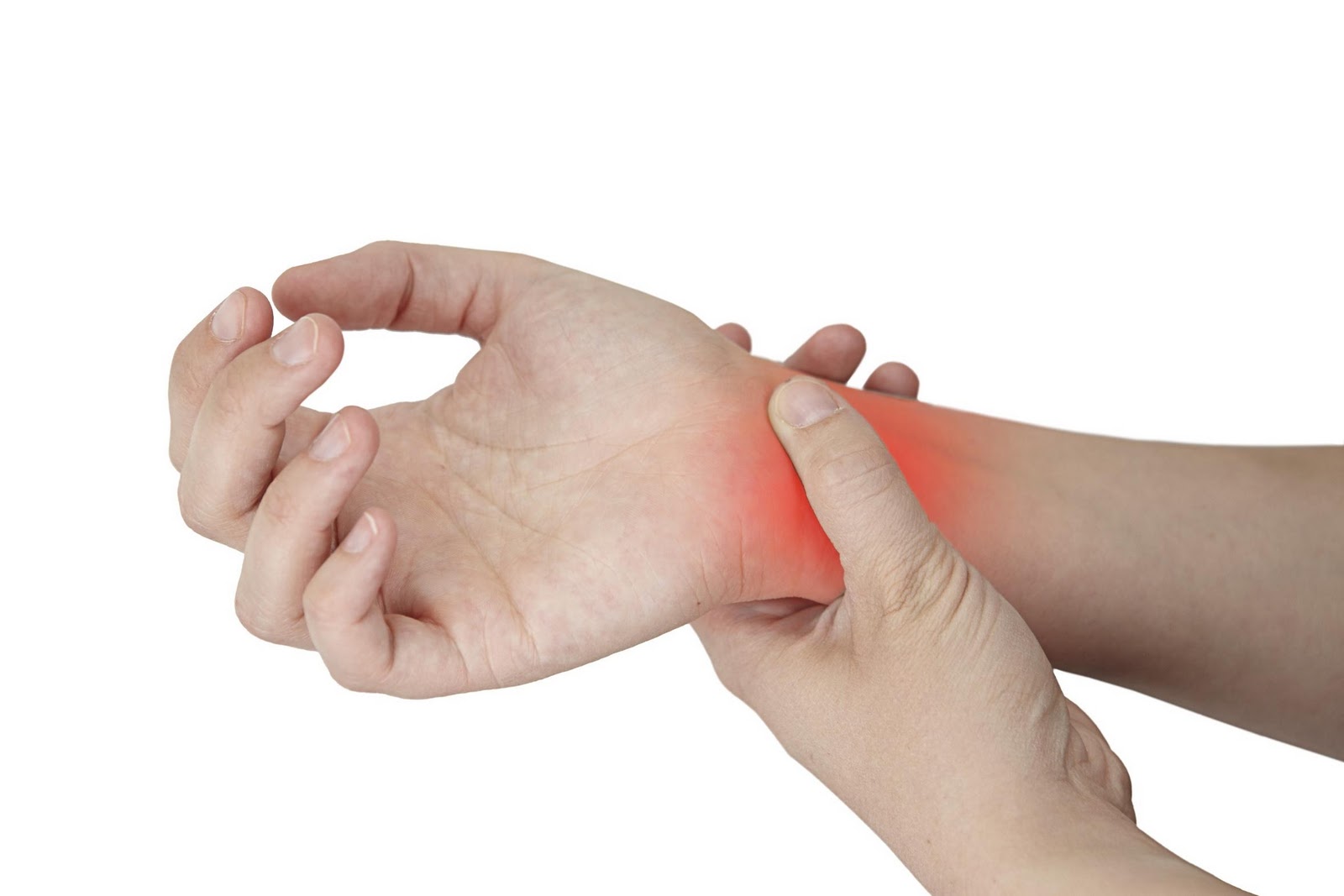
wrist-pain1There are two types of injuries: acute/traumatic and chronic/cumulative.  Acute injuries occur suddenly, such as a sprained ankle, pulled muscle, or broken bone.  Chronic injuries relate to tissue damage that occurs over time as a result of repetitive strain,  such as tennis elbow from playing tennis or shin splits from running.

Symptoms of an acute injury:

  • Sudden, severe pain
  • Injured area is swelling and is tender to the touch
  • Unable to bear weight on the affect area, or restriction on normal movement
  • A bone is visibly out of place

Symptoms of a chronic injury:

  • Pain during the activity or event
  • A constant dull ache
  • Swelling

Strategies to prevent injuries:

  • Don’t twist your knees when you stretch
  • When jumping, land with your knees slightly bent
  • Do warmup exercises before your activity
  • Always stretch before and after any activity and ensure all joints have full range of motion
  • Do cool down exercises after your activity or workout
  • Wear shoes that fit properly and are specific for your activity
  • Use proper form to reduce your risk of “overuse” injuries
  • Learn how to use your equipment correctly
  • Wear protective gear, such as helmets, protective pads, etc.
  • Don’t participate when you’re injured
  • Watch for signs of fatigue or over training – know your body’s limitations
  • Hire a professional and take a few lessons to ensure proper body alignment
  • Improper technique can take a toll on your body
  • Don’t take on too much physical activity too quickly

If you suffer an injury, use the RICE (Rest, Ice, Compression, Elevation) method of treatment as soon as possible to help relieve pain, swelling and promote healing.

  • Rest. Rest and protect the injured or sore area.
  • Ice. Cold will reduce pain and swelling. Apply an ice or cold pack right away to prevent or minimize swelling. Apply the ice or cold pack for 10 to 20 minutes, 3 or more times a day. After 48 to 72 hours, if swelling is gone, apply heat to the area that hurts.
  • Compression. Compression, or wrapping the injured area with an elastic bandage will help decrease swelling. Make sure that the bandage  is not too tight.
  • Elevation. Elevate the injured area on pillows while applying ice and anytime you are sitting or lying down. Try to keep the area at or above the level of your heart to help minimize swelling.

If your symptoms increase or last more than a few days, contact your health care practitioner.

October 20, 2016/by Carmen Scott
0 0 Carmen Scott https://www.diversifiedhealth.ca/wp-content/uploads/2026/01/DiversifiedHealth-logo.png Carmen Scott2016-10-20 10:57:032026-09-27 23:44:01Which Injury do you have – Traumatic or Cumulative?
Acupuncture, Chiropractic Care, Massage Therapy, Physiotherapy

How To Minimize Tech Injuries

imWhen using technology on a daily basis we need to be vigilant in not only how we use technology, but for how long a period we interact with the device.  Here are some injuries – mainly in the form of repetitive stress injuries that are caused by our smart phones and tablets.

Selfie Elbow – Just like tennis elbow, this is a simple overuse injury caused by extending and twisting your arm and wrist when taking a selfie.

Text Claw – Text claw is caused by over use when texting and typing.  The result of text claw is pain, soreness, numbness, and the loss of strength in your wrist. This condition is left untreated, it can lead to tendonitis.

iPad Hand –  This ailment involves both hands – the hand that is used to steady or hold the tablet can suffer from painful symptoms,  and pins and needles, as well as, the other hand, where the extended index finger is used for repetitive and prolonged scrolling, emailing etc.

Texting Thumb –  Texting Thumb is a repetitive stress injury that affects the thumb and can also lead to a decrease in grip strength and range of motion.  The  thumb is good at gripping, but does not have the muscles or the mechanics to support constant typing.

Text Neck – Text neck is the term used to describe the neck pain sustained from looking down at your  wireless devices too frequently and too long. Text neck causes chronic pain to the shoulders, and upper and mid back area.

How To Minimize Tech Injuries:

  1. Take frequent breaks: Try setting an alarm every 40 minutes so that you can stand up, stretch, and move around.
  2. Hold your device at eye level: All screens—laptops, computers and tablets should also be positioned so the screen is at eye level and you don’t have to bend your head forward or look down to view it.
  3. Use the 20/20/20 rule: Take an eye break every 20 minutes for 20 seconds to look away from the screen and about 20 feet ahead.
  4. Ice: Place ice on the area twice a day for 10 to 15 minutes.
  5. Anti-Inflammatory Relief: Take an anti-inflammatory to reduce inflammation.
  6. Wrist Brace: Sometimes the support of a brace can help to alleviate the pain while supporting your wrist.

If you suffer from any of these injuries, please contact your health care practitioner. The treatment for any type of soft tissue injury can include massage,  physiotherapy, chiropractic, and acupuncture.

October 17, 2016/by Carmen Scott
0 0 Carmen Scott https://www.diversifiedhealth.ca/wp-content/uploads/2026/01/DiversifiedHealth-logo.png Carmen Scott2016-10-17 12:20:162026-09-27 23:44:02How To Minimize Tech Injuries
Physiotherapy

Diversified Health’s New Physiotherapist, Matt Fitz-James

Diversified Health ClinicDiversified Health Clinic is a team of health practitioners in Victoria BC that uses multiple therapies and modalities, and a passion for wellness to quickly diagnose your health problem, maximize treatment results and accelerate healing. Diversified Health’s new Physiotherapist Matt Fitz-James has joined the DHC Team!

Physiotherapists are often referred to as ‘movement specialists’. They are trained to assess and treat a variety of conditions; whether it’s a sports injury, auto accident, or an everyday sprain or strain that affect the physical function of adults and children.

In 2008 Matt graduated from the Masters in Physiotherapy program offered at Curtin University in sunny Western Australia; and brings to his practice a strong manual therapy skill set. Much of the current core-stability research was initiated and continues to be advanced at this renowned university and Matt enjoys implementing this evidence-based research into his clinical practice.

Matt’s treatments combine home exercise plans, hands-on techniques, and the use of multiple cutting edge modalities, which assist his patients to improve their neuromyofascial function, and get them back to their daily routines as soon as possible.

Since graduation Matt has become Neuro-Developmental Treatment certified (C-NDT) and has taken numerous neuro rehabilitation specialty courses. He also completed Functional Dry Needling (FDN) and is impressed with the effectiveness of this technique. Matt has also taken a wide array of specific courses including Mulligans Concept and Vestibular rehab to name a few.

Having been a competitive cyclist since 13 years old; with two National titles on the road and entering the World Championships in mountain biking, he understands the demands and challenges of being active. He is also a keen back-country skier and surfer.

These type of sports aren’t without risk and Matt has a wealth of clinical experience on how to get his clients up and back participating in the activities that makes them happy.

Matt’s clinic days are Monday, Tuesday, Wednesday, Thursday and Saturday.

October 13, 2016/by Carmen Scott
0 0 Carmen Scott https://www.diversifiedhealth.ca/wp-content/uploads/2026/01/DiversifiedHealth-logo.png Carmen Scott2016-10-13 11:23:122026-09-27 23:44:01Diversified Health’s New Physiotherapist, Matt Fitz-James
Chiropractic Care

Sciatica…Oh My Aching Back

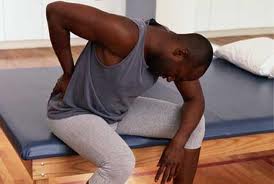
lower_back_painSciatica symptoms can increase in severity until the sciatic nerve becomes very inflamed.
Most commonly, sciatica results when a spinal disc ruptures in the lower lumbosacral region of the spine. Instead of acting as a gelatinous cushion between the bony vertebrae of the spine, the disc squeezes out from between the vertebrae and presses on one or more of the spinal nerves that form the sciatic nerve, causing inflammation. When back stiffness and lack of flexibility, such as when you get into or out of a chair or car, are left untreated for as little as two or three weeks, symptoms can increase in severity until the sciatic nerve becomes very, very inflamed.

Who’s at risk?

People who sit for a living are at slightly higher risk of back related problems than people who have physical jobs, such as workers in forestry, mining, farming or construction. Sitting at a desk or a computer for eight hours a day, five days a week, can aggravate compression of the spine, which, in turn, can lead to lower back stiffness, back pain and inflammation of the sciatic nerve.

Read the complete article: sciatica_oh-my-aching-back which originally appeared in Canadian Health magazine.

October 6, 2016/by Diversified Health Clinic
0 0 Diversified Health Clinic https://www.diversifiedhealth.ca/wp-content/uploads/2026/01/DiversifiedHealth-logo.png Diversified Health Clinic2016-10-06 11:29:562026-09-27 23:44:02Sciatica…Oh My Aching Back
Health Information

Medical Myths That Just Won’t Die

common-medical-myths-300x200Medical myths are beliefs that in some cases are based on fact, but most are simply misunderstood concepts about our bodies.

Medical Myth #1 Stress Is The Reason For Having Grey Hair:

Many people believe that stress causes our hair go grey.  Stress does increases the number of free radical molecules that attack healthy cells and this increase does produce stress hormones in the body. That said, there is currently no scientific evidence that proves stress makes our hair turn grey.  A persons genetic “makeup” is the reason for having grey hair.

Medical Myth #2 Eggs Are Bad For You:
The most recent studies have showed that eating six eggs a day for six weeks had no significant effect on cholesterol levels.  What we do know is that eggs are a complete protein source.

Medical Myth #3 Antioxidants Are Good For You:

The belief is that antioxidants increase free radicals formed by oxygen, and can slow aging, reduce cancer risk and prolong life.

Oxidation which is the formation of free radicals by oxygen is what kills cancer cells. Oxidation is your body’s response to abnormal cells which occur naturally in our bodies.  Ingesting too many antioxidants may actually suppress your body’s ability to respond to these abnormal cells.

Medical Myth #4 Cracking Your Knuckles Will Give You Arthritis:

Osteoarthritis is the degeneration of cartilage in your joints, and is caused by age and general wear and tear.  Cracking your joints, specifically your knuckles, will not cause arthritis.

 Medical Myth #5 Feed A Cold, Starve A Fever:

This myth has been around for years. The truth is don’t deny your body the nutrients it needs. If you feel like eating and can keep food down, eat.  Remember to keep the meals simple and easy to digest.

Medical Myth #6 Microwaving Kills The Nutrients In Food:

Numerous studies found that microwaving food often retains more nutrients than conventional cooking. That’s because the cooking time is shorter and you’re less likely to use water.

When microwaving food, use a microwave-safe container to avoid releasing chemicals into your food.

Medical Myth #7 Reading In The Dark Will Damage Your Eyes:

Reading in dim light can cause eye strain,  which can lead to sore eyes, headaches and blurred vision. However, eye strain is a short-term problem and will have no lasting effects.

September 29, 2016/by Carmen Scott
0 0 Carmen Scott https://www.diversifiedhealth.ca/wp-content/uploads/2026/01/DiversifiedHealth-logo.png Carmen Scott2016-09-29 12:10:472026-09-27 23:44:02Medical Myths That Just Won’t Die
Massage Therapy

Emily Kersey – Registered Massage Therapist

Registered Massage Therapist - Victoria BC

Welcome Emily Kersey, our newest registered massage therapist to join the Diversified Health Practitioner Team!

Emily has a diverse education in both Eastern and Western massage techniques. Her education in Yoga Therapy, Thai Massage, Ayurvedic and Swedish massage has enabled her to examine both energetic and musculoskeletal health.

Emily has been fascinated with bodywork since childhood after sitting in on her mother’s massage appointments. At fifteen she started taking yoga, which brought body awareness into her life and prompted interest in the field of health. Then, while taking a university gap year working at a wellness center, she saw the amazing results massage brought clients and was eager to learn these skills herself.

The Eastern Therapy Bodywork diploma program at Pacific Rim College offered an approach to healing that brought together yoga, massage and therapy. The Yoga Therapy education there initiated her own journey of healing, solidifying the effectiveness of body movement in health maintenance. The Thai Massage education taught her manual skills to use while the client is in yoga-like poses, creating an application for Emily’s yogic knowledge within massage practice. Ayurveda introduced her to energetic medicine which forever changed Emily’s perception of how to find balance in all aspects of life to achieve overall health.

After starting a home practice, Emily realized that this education alone was not sufficient to meet some of the more complex physiological needs of clients. It was at this point she chose to attend the Canadian College of Massage Therapy. Emily studied and worked with many issues during school such as chronic pain and workplace related issues. Much of her clinical studies were specific to autoimmune disorders, bringing to light the positive influence massage has in pain management. She is passionate about addressing myriad health concerns and bringing the totality of her educational experiences to improving the lives of her clients.

Clinic Days: Tuesday, Friday, Saturday & Sunday

September 26, 2016/by Carmen Scott
0 0 Carmen Scott https://www.diversifiedhealth.ca/wp-content/uploads/2026/01/DiversifiedHealth-logo.png Carmen Scott2016-09-26 10:18:322026-09-27 23:44:02Emily Kersey – Registered Massage Therapist
Chiropractic Care, Physiotherapy

What Type of Stretching is Right For You?

recreational-activities-1There are many different types of stretching techniques for improving flexibility, so knowing what type of stretching is right for you can be confusing. Here are a quick explanation of six common stretching techniques.

When to Use The Correct Stretch

Stretches are either dynamic (involve motion) or static (involve no motion).

It’s best to perform static stretches after an activity, when your muscles are still warm. A post-activity static stretch helps reduce muscle tension and soreness by elongating the muscle and increasing blood circulation.

Dynamic stretches are most effective before an activity: they help prepare your body for the specific movements you will be using for that particular sport or activity. These type of stretches elevate your heart rate and increase your body temperature.

Different types of stretching:

  1. ballistic stretching
  2. dynamic stretching
  3. active stretching
  4. passive/relaxed stretching
  5. static stretching
  6.  Myofascial Release Stretching

Ballistic Stretching

This type of stretching utilizes repeated bouncing movement to stretch the targeted muscle group by bouncing into a stretched position, using the stretched muscles as a spring to pull yourself out of the stretched position. (e.g. bouncing down repeatedly to touch your toes.)

Dynamic Stretching

When you perform dynamic stretches, instead of holding the stretch, you repeatedly move your joints and muscles through a full range of motion. Dynamic stretching helps to improve the range of motion around your joints, improving the flexibility for a specific sport or activity (e.g walking lunges, high knee marching and arm circles.)

Active Stretching

An active stretch is one where you assume a position and then hold it, with no assistance other than using the strength of your muscles.

Active stretching increases flexibility, and strengthens the your muscles. Active stretches are usually quite difficult to hold and maintain for more than several seconds. (e.g  numerous positions in yoga are active stretches.)

Passive Stretching

Passive or relaxed stretching is assuming a position and holding it with some other part of your body, or  assistance from another person or with a piece of equipment. (e.g  bringing your leg up  to your chest and then holding it, in place with your arms.)

Static Stretching

This is the most common stretching technique.  Static stretching is executed by extending the intended muscle group to its maximal point ( where you feel a slight discomfort) and holding it for a period of time.

There are two types of static stretches:

  • Active: Added force is applied by the individual for greater intensity (e.g. Pulling your elbow towards you with your opposite hand)
  • Passive: Added force is applied by an external force for greater intensity (e.g., assistance from another person or with a piece of equipment.)

 Myofascial Release Stretching

Using a a foam roller or similar piece of equipment, myofascial release decreases tension and improves flexibility in the fascia (a densely woven connective tissue) and muscle.  To be effective, you need to use small, continuous back-and-forth movements over a small specific area of the body at a time.

Stretching is an important part of being fit. Static and dynamic are two stretching techniques that can help you maintain flexibility and decrease your risk of being injured.

September 22, 2016/by Carmen Scott
0 0 Carmen Scott https://www.diversifiedhealth.ca/wp-content/uploads/2026/01/DiversifiedHealth-logo.png Carmen Scott2016-09-22 12:22:582026-09-27 23:44:02What Type of Stretching is Right For You?
Chiropractic Care, Massage Therapy, Physiotherapy

Top 4 Training Tips For Running a Marathon

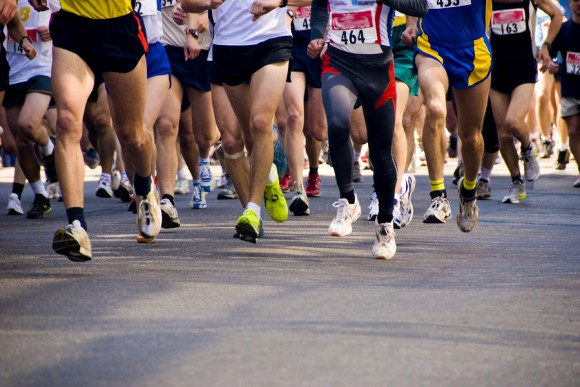
marathon-runners-580x387Wear old clothes and runners?

On the day of the race wear clothing you know is comfortable and that you can wear for the entire race. This is not the time to wear new clothing. This is also true for your footwear.  Make sure that you check your foot gear:  socks, orthotics,  and laces weeks before the race so that everything works in harmony and there will be no surprises during the race.

Variety needed for both location and training.

To maintain your interest and enthusiasm try running on different routes, and run on different surfaces , such as pavement, asphalt, chip trails, grass, dirt and pack gravel.

Cross training should be used to augment your running program.  Make sure to choose activities that have the least amount of weight bearing stressors on your body. You want to choose activities such as cycling, or swimming.

Know your route and practice drinking and eating while on the run

In a marathon it’s important to stay hydrated.  For most people, you may also need to eat during the event.  Practice eating and drinking on the run during a training sessions . You might also want to think about how you will carry food and water for the duration of the run. Keep in mind most marathons offer hydration station along the routes.

One of the best ways to train for a marathon is to familiarize yourself with the  actual race. Try regularly to incorporate parts of the course during your marathon preparation.  This allows you to become familiar with the route and what to expect on race day.

Keep yourself strong

Preparing for a marathon requires training, and exercising all while avoiding over-training – where your health begins to suffers.  To avoid over-training:

  • Balance workouts with easier runs and rest days
  • Eat and drink after each run to replenish depleted reserves
  • Get adequate sleep
  • Increase the intensity and quantity of training in manageable increments.
  • Always listen to your body.

As with any training program, make sure that you have frequent maintenance session with your healthcare practitioner to keep your body in top form.

September 12, 2016/by Carmen Scott
0 0 Carmen Scott https://www.diversifiedhealth.ca/wp-content/uploads/2026/01/DiversifiedHealth-logo.png Carmen Scott2016-09-12 13:01:372026-09-27 23:44:03Top 4 Training Tips For Running a Marathon
Page 16 of 48«‹1415161718›»

Search our Blog

Search Search

Topics of Interest

Acupuncture Back Pain Chronic Back Pain Chronic Pain Custom Orthotics Diversified Health Clinic Victoria BC Dry Needling eToims exercise fitness Foot pain GoodLife Fitness Victoria Marathon Headaches Health Care Victoria Health Tips Healthy lifestyle Immune System IMS Inflammation Joint Pain Knee Injuries Low Back Pain Marathons Massage Therapy Migraines natural health practitioner orthotics Pain management Pain Relief Physiotherapy physiotherapy victoria bc Plantar fasciitis Registered Massage Therapy Runner's knee Running Seasonal Allergies Skin Cancer Spinal Decompression Sports Injuries Stress Stretches Sunscreen Victoria therapeutic massage Vitamins walking

Categories

  • Acupuncture
  • Athletic Therapy
  • Chiropractic Care
  • Exercise Library
  • Fitness
  • Guest Bloggers/Articles
  • Health Information
  • Massage Therapy
  • News
  • Orthotics
  • Physiotherapy
  • Practitioners in Focus
  • Uncategorized
  • Victoria Healthcare News
  • Video Library

Archive

News & Events

  • Tension Headaches and Migraines: How to Tell Them Apart, What Helps and When to Get Checked October 6, 2026
  • Sciatica: Nerve Pain or Tight Muscle? Signs, Self-Care and When to Get It Checked October 6, 2026
  • Low Back Pain: Why It Happens, What Helps, and When to Get It Checked October 6, 2026
  • Neck Pain and “Tech Neck”: Causes, Desk Fixes and When to Get It Checked October 2, 2026
  • CryoDerm in Victoria: Cold vs. Heat, How to Use It, and Where to Get It September 26, 2026
  • How to Heal Your Pelvic Floor After Giving Birth | Pelvic Floor Physiotherapy Guide July 30, 2026
  • The Benefits of Shockwave Therapy Treatments February 28, 2023

PainHero Community Partner badge for Victoria

patients choice winner

A Victoria, BC Chiropractor winner of the Patients’ Choice Awards.Verified by Opencare.com

Diversified Health Clinic

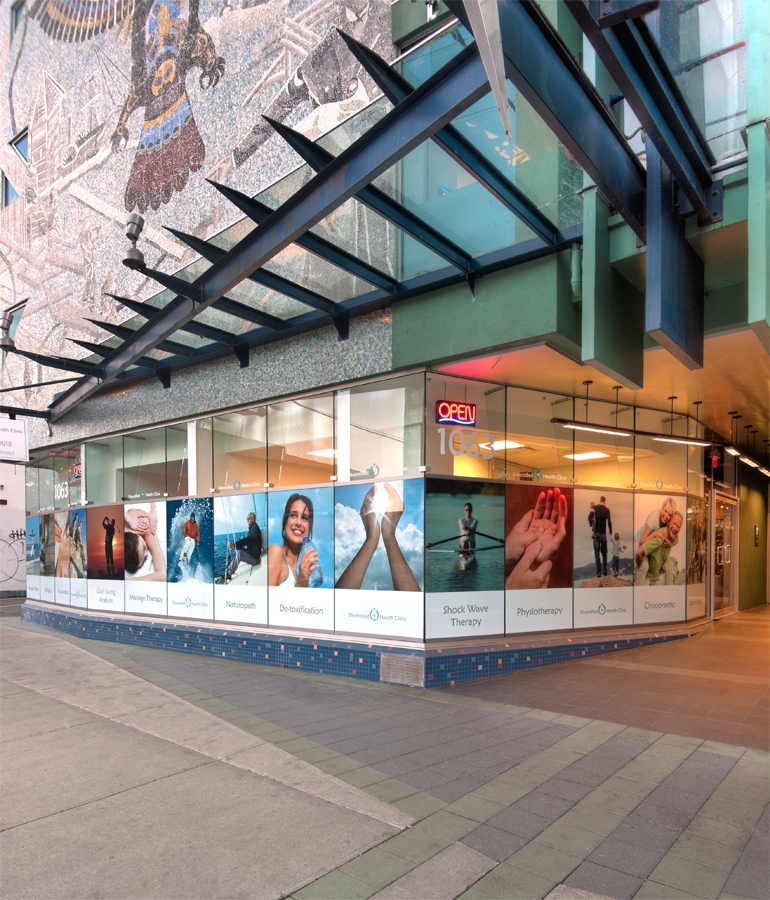
The Mosaic Building
1063 Fort St, Victoria, BC
V8V 3K5, Canada
250-382-0018
Monday7 a.m. – 7 p.m.
Tuesday7 a.m. – 7 p.m.
Wednesday7 a.m. – 7 p.m.
Thursday7 a.m. – 7 p.m.
Friday7 a.m. – 7 p.m.
Saturday9 a.m. – 4 p.m.
Sunday8 a.m. – 2 p.m. (physiotherapy only)
© Copyright - Diversified Health Clinic. Website by Victoria's iDreamDigital.
  • Link to Facebook
  • Link to Instagram
  • Link to X
  • Link to Youtube
  • Link to Rss this site
  • Link to Mail
Scroll to top Scroll to top Scroll to top

This website uses cookies to understand how the site is used and to measure our advertising.

Privacy PolicyDismiss

Cookie and Privacy Settings


How we use cookies

We may request cookies to be set on your device. We use cookies to let us know when you visit our websites, how you interact with us, to enrich your user experience, and to customize your relationship with our website.

Click on the different category headings to find out more. You can also change some of your preferences. Note that blocking some types of cookies may impact your experience on our websites and the services we are able to offer.

Essential Website Cookies

These cookies are strictly necessary to provide you with services available through our website and to use some of its features.

Because these cookies are strictly necessary to deliver the website, refusing them will have impact how our site functions. You always can block or delete cookies by changing your browser settings and force blocking all cookies on this website. But this will always prompt you to accept/refuse cookies when revisiting our site.

We fully respect if you want to refuse cookies but to avoid asking you again and again kindly allow us to store a cookie for that. You are free to opt out any time or opt in for other cookies to get a better experience. If you refuse cookies we will remove all set cookies in our domain.

We provide you with a list of stored cookies on your computer in our domain so you can check what we stored. Due to security reasons we are not able to show or modify cookies from other domains. You can check these in your browser security settings.

Other external services

We also use different external services like Google Webfonts, Google Maps, and external Video providers. Since these providers may collect personal data like your IP address we allow you to block them here. Please be aware that this might heavily reduce the functionality and appearance of our site. Changes will take effect once you reload the page.

Google Webfont Settings:

Google Map Settings:

Google reCaptcha Settings:

Vimeo and Youtube video embeds:

Privacy Policy

You can read about our cookies and privacy settings in detail on our Privacy Policy Page.

Privacy Policy
Accept settingsHide notification only