
Injury Recovery in Greater Victoria, BC - Call us to book an appointment: (250) 382-0018
Diversified Health Clinic
  • Welcome
  • Meet our Team
    • Chiropractic
      • Dr. Matthew Bryan DC
      • Dr. Tessa Bryan DC
      • Dr. Krisjan Gustavson DC
      • Dr. Alexia Grelson DC
    • Physiotherapy
      • Spirit Donahue MPT
      • Kanu Priya MPT
      • Ivy Elling-Quaintance MPT
    • Registered Massage Therapy
      • Morag Hart RMT
      • Craig Lawrence RMT
      • McKenzie Connell RMT
      • Braedan Pearce RMT
      • Alex Baan-Meiklejohn RMT
    • Acupuncture
      • Annie Wang R.Ac R.TCM.P
      • Lauren Ching R.Ac
      • Rebecca Thompson R.Ac R.TCM.P
      • Jun Liu R.Ac
    • Kinesiology / Personal Training
      • Angelina Schaaf BCAK
      • Christian Schwarz BCAK
    • Medical Doctor
      • Dr. Ian Hyams MD
      • Jennifer Blum, EMSELLA
    • Clinical Counsellor
      • Laura Grohovac CCC
    • .
  • About
    • Our Clinic
    • Careers
  • Disciplines
    • Disciplines
      • Chiropractic
      • Physiotherapy
      • Registered Massage Therapy
      • Kinesiology
      • Acupuncture
      • Clinical Counselling
      • Medical Doctor
      • Personal Training
    • Treatments
      • Shockwave Therapy
      • Spinal Decompression
      • IMS (Intramuscular Stimulation)
      • Pelvic Floor Physiotherapy
      • EMSELLA
      • Class IV K Laser Therapy
      • Orthotics
      • eToims Needle-less IMS
  • Conditions
    • Plantar Fasciitis
    • Running Injuries
    • Allergies
    • Concussion Treatment
    • Bursitis
    • Tennis Elbow
    • TMJ Disorder
    • Automobile Collisions
    • Nerve Pain with Sciatica
    • Sport Injuries
    • Stress
    • Runner’s Knee
    • Vertigo & Vestibular Rehab
    • Concussions
  • Pricing
  • News & Events
    • News
    • Events
    • Practitioners In Focus
    • Exercise Library
  • Contact
  • ICBC Claims
  • Book Now!
  • News
  • Menu Menu
  • Link to Facebook
  • Link to Instagram
  • Link to X
  • Link to Youtube
  • Link to Rss this site
  • Link to Mail
  • Welcome
  • About
    • Meet our Team
    • Our Clinic
    • Careers
  • Disciplines
  • Conditions
  • Pricing
  • News
    • News & Advice
    • Practitioners In Focus
  • Contact
  • ICBC Claims
  • Book Now!
Health Information

Laser Hair Removal And Sun Exposure

imageHair removal is a goal for many people, especially during the summer months. While the results can be fabulous, you should know the rules around cosmetic laser hair removal treatments.

Stay out of the sun, as tan increases the risk of side effects, so if you have a tan either from sun exposure, a tanning salon or sunless tanning products, you will need to wait until the tan fades completely before undergoing laser hair removal.

Cosmetic lasers hair removal works best on people with lighter skin tones and darker hair.  Beware that changes in pigmentation can occur to anyone. These changes can be hypo-pigmentation which is lightening of the skin or hyper-pigmentation which is darkening of the skin.

Do not tweeze, wax, bleach, or use depilatories during cosmetic lasers hair removal.  These hair removal methods can disturb the hair follicle and interfere with your treatments.

Below are four common types of hair-removal lasers:

The Nd:YAG Laser is the preferred system when it comes to hair removal for dark skin because it has weaker melanin absorption. Some lasers cannot tell the difference between the melanin in hair and the melanin in dark skin. This means they have the potential to injure the skin.

  • Pros: The Nd:YAG has longer wavelengths than other hair-removing lasers, meaning that in addition to being safe for dark skin, it has the most potential to destroy hair at the bottom of the  hair shaft.
  • Cons: Because it absorbs less melanin, it requires more treatments for optimal results.

The Alexandrite Laser has a slightly longer wavelength which makes it use able on a wide range of skin tones.

  • Pros: Because of its size and repetition rate, it is one of the quickest hair-removal lasers available.
  • Cons: Despite its long wavelength, it still achieves a high melanin absorption, so there is a significant risk for discoloration and burns on all but very light skin.

 The Diode laser is one of the newest and most commonly used laser systems today. It is designed for fair to medium skin types.

  • Pros: It absorbs melanin and also penetrates deep into the hair follicles. The longer wavelengths also decrease the risk of skin damage.
  • Cons: There is not enough data to assess its long-term results.

The Ruby Laser is the oldest type of hair-removal laser, and has a higher melanin absorption rate than most other lasers on the market, making it most appropriate for very light skin and light hair removal.

  • Pros: Effective, even on very fine hair.
  • Cons: Because of the high melanin absorption, it should only be used on very fair skin.

Remember, not everyone’s skin is suitable for cosmetic laser hair removal, so make sure you do-your-homework, and find a certified clinic and practitioner.

June 20, 2016/by Carmen Scott
https://www.diversifiedhealth.ca/wp-content/uploads/2026/01/DiversifiedHealth-logo.png 0 0 Carmen Scott https://www.diversifiedhealth.ca/wp-content/uploads/2026/01/DiversifiedHealth-logo.png Carmen Scott2016-06-20 16:00:592026-09-27 23:44:04Laser Hair Removal And Sun Exposure
Chiropractic Care

Straighten Up Canada

chiroArticle on the Canadian Chiropractic Association Website.

How many hours a day do you spend sitting? Reading, using computers, driving, watching TV —all that sitting adds up, especially if you have poor posture. Did you know that lower back pain and other musculoskeletal (MSK) conditions account for one third of missed work in Canada?

It’s time to Straighten Up Canada and improve your spinal health!

Canada’s chiropractors have developed an app for that. Straighten Up Canada is a FREE, easy-to-perform posture program that you can use in just three minutes a day. It’s the only free Canadian app specifically designed and completely dedicated to improving posture and spinal health.

The Straighten Up Canada program can be practiced almost anywhere and is a great warm up, cool down, stand-alone routine or ergonomic break.

Good posture will help you to:

  • Look and feel even better than you already do,
  • Prevent back aches and muscle pains,
  • Decrease wear and tear on your joints,
  • Use less energy for daily tasks, and
  • Increase your spine’s flexibility and resilience.

Straighten Up Canada app features:

  • 12 unique posture exercises
  • Adult and youth exercise options
  • Easy to follow Image stills and video content
  • Tracking function
    • Set personal reminders
    • Track your progress
  • Share your posture exercise progress with friends through social media
  • Learn about your back and common back-related problems
  • Find a Chiropractor in your area quickly and easily
  • Read the latest blog posts on MSK health

Watch the Straighten Up Canada exercise videos online: For Adults  |  For Youths

To download the free app click here.  The development of this app has been supported by the CCA and all provincial chiropractic associations.

June 16, 2016/by Diversified Health Clinic
0 0 Diversified Health Clinic https://www.diversifiedhealth.ca/wp-content/uploads/2026/01/DiversifiedHealth-logo.png Diversified Health Clinic2016-06-16 09:20:102026-09-27 23:44:04Straighten Up Canada
Health Information

Why Do My Natural Vitamins Have Synthetic Ingredients?

imagesWhen people think of vitamins, most of us think about healthy and natural, but vitamin supplements can be artificial, and in fact, many vitamin supplements produced today are artificial.

There are six categories of nutrients used in the manufacturing of vitamin supplements today.

  • Natural source – the nutrients come from vegetable, animal or mineral sources. however, the vitamin still undergo processing and refining.  
  • Nature-identical synthetic – These nutrients  are manufactured in a lab with the molecular structure identical to the same nutrients in nature.  This process is preferred because of the cost and scarcity of natural resources. Most standard vitamin supplements on the market today are this type.
  •  Strictly synthetic – These nutrients are manufactured in a lab , Synthetic vitamins can have the same chemical constituents, but still have a different shape (optical activity). This is important because some of the enzymes in the human body only work properly with a vitamin of the correct shape. When we give the body concentrated forms of synthetic nutrients, it doesn’t always appear to have an appropriate delivery system.
  • Food cultured –  Raw material are  grown in yeast or algae; and through the process of culturing – it creates new nutrients.
  • Food based extracts which come from whole food sources. This is not a popular method as the nutrients have unstable levels and a limited shelf life.
  • Bacterial fermentation –These nutrients are produced by genetically altering bacteria which can produce nutrient by-products.

Supplement manufacturers often add fillers to their vitamins during manufacturing to make the pills or capsules more appealing, and easier to swallow.  Just like processed foods being loaded with additives and fillers, the same goes for vitamins.

Manufacturers put additives into your vitamin tablets for many different reasons:

  • Fillers – to add volume to tablets and capsules 
  • Bulking agents – to top up the content of the pills or capsules 
  • Binders – used to stick ingredients together in a tablet 
  • Anti-caking agents – to stop the ingredients clogging up machines 
  • Coatings – to make swallowing easy 
  • Preservatives – to save ingredients from spoiling 
  • Emulsifiers – to bind water to fats 
  • Colours – to look more appealing to the consumer 
  • Flavours – to alter the taste, even in tablets that are swallowed whole 
  • Sweeteners – to make flavour more palatable, again, even for tablets  

Here are a few of the non-essential ingredients that can be added to your vitamins:

Artificial Colors  – These artificial colors are added to compensate for color loss due to exposure to light, air, temperature extremes, moisture and storage conditions.  Blue No. 1, Blue No. 2, Green No. 3, Red No. 3, Red No. 40,  Yellow No. 5,  Yellow No. 6  

Hydrogenated Oils –  are used as fillers, particularly hydrogenated soybean oil. Unless soy is organic, it will be genetically modified.

Magnesium Stearate – This is used as a lubricant so that the vitamins don’t stick together.  One study links this compound to creating a suppressed immune system, by creating a biofilm in the intestines. This biofilm blocks the body from absorbing any nutrients.

Titanium dioxide – this colourant is used to make tablets bright white. It is not an ingredient found in any natural food.

Sodium selenite and selenite – toxic, inorganic chemical sources of selenium.

Always read the ingredients of your vitamin or supplements, and know what you are taking.

June 9, 2016/by Carmen Scott
0 0 Carmen Scott https://www.diversifiedhealth.ca/wp-content/uploads/2026/01/DiversifiedHealth-logo.png Carmen Scott2016-06-09 13:28:152026-09-27 23:44:04Why Do My Natural Vitamins Have Synthetic Ingredients?
Health Information

Lens Color and Sun Safety

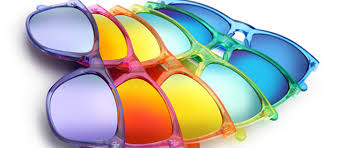
imageWhen talking about sun safety, we talk primarily about the skin, however, protecting your eyes from the damaging rays of the sun is just as important as applying sunscreen.

Lens colors affect how much visible light reaches your eyes, so it is important to know which colour lenses would be right for you.

Make sure your lenses are dark enough to keep your eyes comfortable, and that you wear your sunglasses every time you go outside.  Just like wearing sun screen, wearing sunglasses needs be part of your lifestyle.

Dark Colour Lenses: Brown, Gray & Green

These colour lenses are great for everyday use and outdoor activities. Darker shades are intended to cut through the glare and reduce eyestrain in moderate-to-bright conditions.  Darker colour lenses limit colour distortion.

Dark colour lenses are great for general daily use, and provide true colour perception, and aid in preventing eye fatigue during outdoor activities, where glare is not an issue.

Light Colour Lenses: Gold, Yellow, Amber, Red & Rose:

These colors excel in moderate to low light conditions.  They provide excellent depth perception, enhance contrasts, improve the visibility of objects and make your surroundings appear brighter.

Light colour lenses  are great enhancers for vision by giving you high contrast, enhanced depth perception, and reduced glare. They are helpful for any sport where distance needs to be judged such as golf or racquet sports.

Here is a quick colour break down to help decided what colour lenses are best for you:

The basic rule of thumb for choosing a lens is to consider color opposites. Blue is opposite of Yellow and Red is opposite of Green. Red lenses will absorb Green light and Yellow Lenses will absorb Blue/Ultraviolet light, and vice versa.

Green – green lenses work the same in any light conditions, so can be used for any outdoor activity.  Green tints reduce glare, while offering high contrast and visual sharpness.

  • Good for general purpose use
  • Offers even color perception
  • Dims glare while brightening shadows
  • Provides good contrast for low-light conditions

Gray – Gray is a popular neutral tint that allows the eyes to perceive colors in its purest form. Gray tints reduce brightness and glare. Choose gray for driving and outdoor sports.

  • Good for general purpose use
  • Reduces eye fatigue
  • Provides true color perception
  • Minimizes glare, especially off water

Brown / Amber – These lenses are great for activities like tennis, golf or other sports where distance is a factor and must be calculated.  Brown tints reduce glare and block blue light, giving them the ability to brighten vision on cloudy days.

  • Good for variable conditions
  • Enhances contrast
  • Improve depth perception

Yellow/Orange – Yellow and orange tints increase contrast in low-light conditions. These tints tend to make objects appear sharper both indoors and outdoors.

• Filters out hazy light that is hard on the eyes
• Good for using at Dawn and Dusk
•Provides greater clarity in fog, haze, and other low-light conditions

Pink and Red – These colours provide better visibility on the road, by improving visual depth & reducing eye strain.

  • Provides good road visibility
  • Offers greatest amount of contrast

Blue and Purple –   These colours block the glare from visible white light. Useful for outdoor sports,  such as snowboarding, biking, or sailing.

  • Helps define contours
  • Reduces glare
  • Enhances color perception

What ever colour choice you pick, remember the most important thing is to wear your sunglasses!

May 30, 2016/by Carmen Scott
0 0 Carmen Scott https://www.diversifiedhealth.ca/wp-content/uploads/2026/01/DiversifiedHealth-logo.png Carmen Scott2016-05-30 12:28:202026-09-27 23:44:04Lens Color and Sun Safety
Health Information

Expiration Dates – How long is too long?

multivitamin-tabletsWe all have expired vitamin bottles in our medicine cabinets. Some we take daily, while others are taken on a more infrequent basis.  So what happens if your vitamins expire… are they still good?

Vitamins in general should be stable for up to five years if stored properly: however, there are some exceptions.  Water-soluble substances (vitamin C, B-complex vitamins) are susceptible to a process called deliquescence, in which humidity causes some compounds to break down.

As vitamins begin to degraded – whether from oxidation, exposure to humidity, light, air, or heat, they are safe to consume but will have lost their effectiveness.  Some manufacturers may increase the vitamins strength by adding up to 40% more than what’s stated on the label, so that the vitamins are at 100 per cent strength at the time of expiration.

Signs of vitamins past their expiry dates vary: look for changes in color, physical appearance, taste, or smell.

So how should we store vitamins to maximize their potency over time? Keep your vitamins in a cool, dry place, away from heat and light, and make sure they are sealed in an air-tight container, and always follow storage directions on the label.  Also, don’t remove the little silica gel packet, it helps remove moisture from inside the bottle.

 Do not keep your vitamins in your bathrooms and kitchens, because of the humidity and temperature changes.

Refrigerators, can be a good option for those vitamins that you consume once in a while; however, vitamins that you consume on a daily schedule will breakdown quickly because of the frequent opening and closing  of the container; which can cause condensation and expose the vitamins to moisture.

Pressed tablets, such as aspirin, are more porous and allow a greater influx of oxygen once the bottle has been opened and will alter the supplements chemistry, limiting their effectiveness. Try purchasing encapsulated or coated vitamins.

The biggest factor that determines shelf life is product quality.  Look for supplements that have high amounts of essential material and low levels of nonessential material. The supplements must be packaged in opaque and secure containers in a sterile, dust-free, dehumidified environment.

Products if stored properly in unopened bottles should last at least two years before any loss of potency occurs.

May 19, 2016/by Carmen Scott
0 0 Carmen Scott https://www.diversifiedhealth.ca/wp-content/uploads/2026/01/DiversifiedHealth-logo.png Carmen Scott2016-05-19 11:26:152026-09-27 23:44:04Expiration Dates – How long is too long?
Health Information

What is SPF?

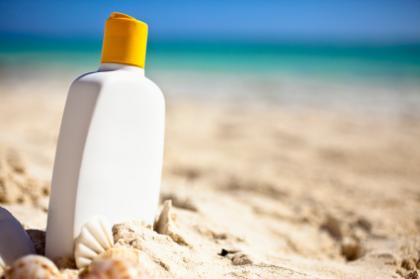
sunscreenThere are many choices for sunblock: creams, mousses, sprays and powders, ranging from SPF of 15 to SPF of 55 or higher.

Sunscreens are made with dozens of active ingredients that either use “absorbers” to create a chemical reaction to absorb UV rays or physical barriers that reflect and block UV rays. Many sunscreens incorporate both methods.

What is SPF?

Sunscreens are rated by the strength of their sun protection factor (SPF). The SPF number refers to the product’s ability to prevent UVB rays from damaging the skin.

A product with SPF 15, filters out approximately 93 percent of all incoming UVB rays.

A product with SPF 30, filters out approximately 97 percent of all incoming UVB rays.

A product with SPF 50, filters out approximately 98 percent of all incoming UVB rays.

  • It should be noted that no sunscreen, regardless of strength, will stay effective longer than two hours without reapplication.

To ensure that you get the full SPF of a sunscreen, the average adult needs about 2 or 3 tablespoons of sunscreen to cover their body and 1 teaspoon to cover their face and neck. That’s about half of a 237ml  bottle of sunscreen for a full day at the beach.

Sunscreens should be applied 30 minutes before sun exposure to allow the ingredients to  bind to the skin. Reapplication of sunscreen is just as important, so reapply the same amount every two hours.

Sun tips:

  • Sunscreen should be used on any exposed skin including ears, lips, feet etc
  • Use a lip balm with SPF and reapply often
  • Apply sunscreen on cloudy days – UV rays can pass through clouds
  • Sunscreens have an expiry date; they contain chemicals that may not work as well after the expiry date
  • Sunscreens can be affected by extreme changes in temperature, so leaving your bottle of sunscreen out in the sun all day, can destroy some of the chemical compounds and make the sunscreen much less effective.
May 12, 2016/by Carmen Scott
0 0 Carmen Scott https://www.diversifiedhealth.ca/wp-content/uploads/2026/01/DiversifiedHealth-logo.png Carmen Scott2016-05-12 11:49:502026-09-27 23:44:04What is SPF?
Guest Bloggers/Articles

Why Do We have To Wear Sunscreen?

Kevin P. Boyd makes the case to slap on some physical or chemical SPF daily.

Lesson by Kevin P. Boyd, animation by Andrew Foerster.

May 9, 2016/by Diversified Health Clinic
0 0 Diversified Health Clinic https://www.diversifiedhealth.ca/wp-content/uploads/2026/01/DiversifiedHealth-logo.png Diversified Health Clinic2016-05-09 12:26:022016-05-09 12:26:02Why Do We have To Wear Sunscreen?
Guest Bloggers/Articles

Learning the ABCDE rule for skin cancer

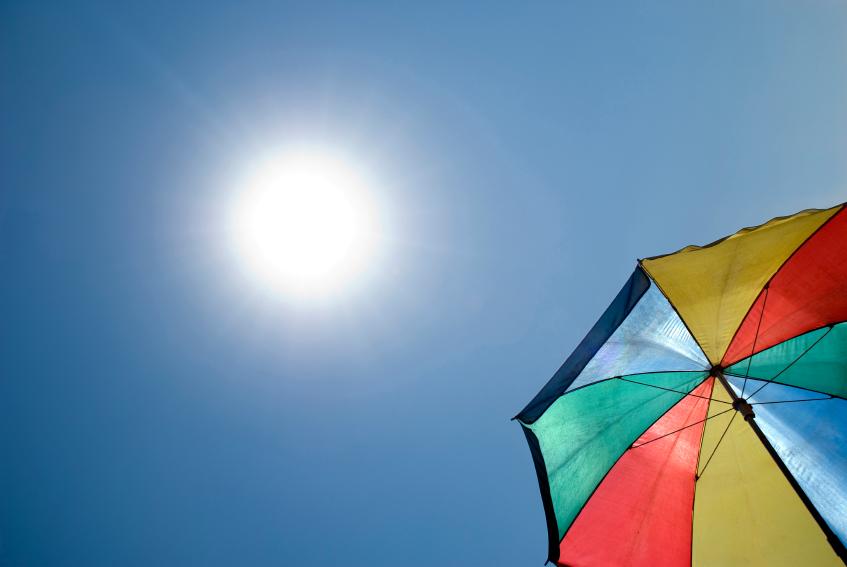
Bright sun in a blue sky beside a colourful umbrellaArticle by: sunprotectionandproductsguide.com

Finding melanoma early is the key to curing this terrible disease. That is why learning the ABCDE rule for skin cancer is so important. This system provides and easy way to recognize moles and growths that might be cancerous.

Although most of your “suspicious” moles will turn out to be normal non-cancerous moles, it is much better to be safe than sorry. To not see, or simply ignore an early melanoma can be devastating. Because melanoma can disguise itself as a strange looking mole, be sure to review the ABCDE rule for skin cancer to properly identify abnormal growths.

If your mole or growth has one or more of the ABCDE’s, you should show it to your doctor as soon as possible!

Pictures of the ABCDE rule for skin cancer

A – Asymmetry: Normal moles or freckles are completely symmetrical. If you were to draw a line through a normal spot, you would have two symmetrical halves. In cases of skin cancer, spots don’t look the same on both sides.

B – Border: A mole or spot with blurry and/or jagged edges.

C – Color: A mole that is more than one hue is suspicious and needs to be evaluated by a doctor. Normal spots are usually one color. This can include lightening or darkening of the mole. Melanoma cells usually continue to produce melanin, which accounts for the cancers appearing in mixed shades of tan, brown and black.

D – Diameter: If it is larger than a pencil eraser (about 1/4 inch or 6mm), it needs to be examined by a doctor. This is includes areas that do not have any other abnormalities (color, border, asymmetry). But, don’t be fooled by size alone – it can be smaller.

E – Elevation/Evolving: Elevation means the mole is raised above the surface and has an uneven surface. Looks different from the rest or changing in size, shape, color.

In addition, there are other features of melanoma such as surface changes (bleeding, oozing, flaking) or signs of itchiness, pain, or tenderness. After examining the mole, if your doctor thinks the mole is a melanoma, then a biopsy will be performed for further analysis.

Basically, any mole or growth that is CHANGING needs to be checked by a physician.

To read the complete article, click here.

May 5, 2016/by Diversified Health Clinic
0 0 Diversified Health Clinic https://www.diversifiedhealth.ca/wp-content/uploads/2026/01/DiversifiedHealth-logo.png Diversified Health Clinic2016-05-05 09:27:122026-09-27 23:52:27Learning the ABCDE rule for skin cancer
Guest Bloggers/Articles

Signs and Symptoms of Skin Cancer

molesWritten by cancer.org

Summertime means most of us will be spending more time outdoors. Sunscreen is only one defense against skin cancer.  More importantly is to keep an eye on your skin and to pay attention to all changes, no matter how small.

Unusual moles, sores, lumps, blemishes, markings, or changes in the way an area of the skin looks or feels may be a sign of melanoma or another type of skin cancer, or a warning that it might occur.

Normal moles

A normal mole is usually an evenly colored brown, tan, or black spot on the skin. It can be either flat or raised. It can be round or oval. Moles are generally less than 6 millimeters (about ¼ inch) across (about the width of a pencil eraser). Some moles can be present at birth, but most appear during childhood or young adulthood. New moles that appear later in life should be checked by a doctor.

Once a mole has developed, it will usually stay the same size, shape, and color for many years. Some moles may eventually fade away.

Most people have moles, and almost all moles are harmless. But it is important to recognize changes in a mole – such as in its size, shape, or color – that can suggest a melanoma may be developing.

Possible signs and symptoms of melanoma

The most important warning sign for melanoma is a new spot on the skin or a spot that is changing in size, shape, or color. Another important sign is a spot that looks different from all of the other spots on your skin (known as the ugly duckling sign). If you have any of these warning signs, have your skin checked by a doctor.

The ABCDE rule is another guide to the usual signs of melanoma. Be on the lookout and tell your doctor about spots that have any of the following features:

  • A is for Asymmetry: One half of a mole or birthmark does not match the other.
  • B is for Border: The edges are irregular, ragged, notched, or blurred.
  • C is for Color: The color is not the same all over and may include shades of brown or black, or sometimes with patches of pink, red, white, or blue.
  • D is for Diameter: The spot is larger than 6 millimeters across (about ¼ inch – the size of a pencil eraser), although melanomas can sometimes be smaller than this.
  • E is for Evolving: The mole is changing in size, shape, or color.

Some melanomas do not fit the rules described above. It is important to tell your doctor about any changes or new spots on the skin, or growths that look different from the rest of your moles.

Other warning signs are:

  • A sore that does not heal
  • Spread of pigment from the border of a spot into surrounding skin
  • Redness or a new swelling beyond the border
  • Change in sensation – itchiness, tenderness, or pain
  • Change in the surface of a mole – scaliness, oozing, bleeding, or the appearance of a bump or nodule

Be sure to show your doctor any areas that concern you and ask your doctor to look at areas that may be hard for you to see. It is sometimes hard to tell the difference between melanoma and an ordinary mole, even for doctors, so it’s important to show your doctor any mole that you are unsure of.

To see examples of normal moles and melanomas, visit the Skin Cancer Image Gallery.

May 2, 2016/by Diversified Health Clinic
0 0 Diversified Health Clinic https://www.diversifiedhealth.ca/wp-content/uploads/2026/01/DiversifiedHealth-logo.png Diversified Health Clinic2016-05-02 09:32:432026-09-27 23:44:05Signs and Symptoms of Skin Cancer
Guest Bloggers/Articles

Self-Care for the Sandwich Generation

caregiverHow caregivers can recover from—and avoid—burnout.

By Susan Fulton. Susan Fulton is Clinical Leader at Classic LifeCare a BC-based home care provider.

Are you a member of the sandwich generation? If you’re unfamiliar with the term, the sandwich generation is the current generation of people, usually women, who care for their aging parents while supporting their own children.

The sandwich generation doesn’t have it easy.

In fact, nearly a third of unpaid family caregivers are stressed out to the point of breakdown due to serious gaps in seniors respite programs. That’s according to a September 2015 report by the Seniors Advocate of British Columbia.

The BC Senior’s Advocate also reported that:

  • Twenty-nine per cent of caregivers are in distress.
  • Unpaid caregivers provide 19 hours of care per week on average (caregivers in distress report providing as many as 30 hours of care per week).
  • While 54% of caregivers would benefit from respite services, few are accessing the help.

“There is little question that caregiving is stressful,” BC Senior’s Advocate Isobel MacKenzie (@SrsAdvocateBC) said in her September report. “The physical strain of caregiving is exacerbated by the emotional toll of watching your loved one becoming increasingly frail.”

According to the BC Seniors Advocate’s report, respite, such as visits by a home care worker, offers adult caregiver the chance to recharge and avoid burnout or crisis.

Ultimately providing caregivers with some sort of respite strengthens a healthy relationship between the person receiving care and the caregiver.

Caregiver Burnout is Common, But Can Be Avoided With Small Breaks

Caregiver burnout is all too common and can often be avoided with small breaks throughout the week.

Even a two- or three-hour break can be enough to revitalize the caregiver and give them some room to breathe.

The caregiver needs a break just so they can go back to being the daughter or the husband, rather than the caregiver.

What Are the Symptoms of Caregiver Burnout?

It’s important to recognize the symptoms of burnout.

Symptoms can include feeling constantly tired, and losing interest in the hobbies and pastimes that typically bring you pleasure and help you enjoy life.

Growing increasingly irritable while facing routine challenges such as commuting to work or even trying to change a lightbulb is another key indicator of burnout.

One client noted she started to use the horn a lot more when driving. She also reported she started to drive a little more aggressively.

At this point burnout can become dangerous.

5 Ways Caregiver Can Care for Themselves

If caregivers don’t care for themselves they are likely less able to care for an aged parent or relative.

Five tips to avoid burnout include:

1) Give yourself a break

Make time to spend some time by yourself. British Columbia is a spectacular place to live, so during the week schedule time to get out and enjoy life.

2) Find a support system

Express how you’re feeling to someone you trust. Perhaps you have a colleague who is experiencing the same challenge, so try to check in to see how you’re doing. Help each other recognize how you’re feeling.

3) Get plenty of exercise

Exercise helps fight burnout, and is also essential for maintaining your health. Some caregivers actually discover they are losing weight – specifically muscle mass. Exercise not only changes your outlook, it can help prolong your life.

4) Eat healthily

Some caregivers simply are too overwhelmed to make healthy food choices, and instead rely on packaged meals and fast food—if they remember to eat at all. Eating healthily is not only good for your body, it can also help improve your mood.

5) Watch for signs of depression

Seek help if you find you are  becoming irritable or you are losing interest in reading books or even even watching television. Talking with a friend or family member can help you identify your feelings and deal with them.

And sometimes all it takes to turn things around is to make some time for yourself.

Susan Fulton is Clinical Leader at Classic LifeCare, a BC-based home care provider.

April 28, 2016/by Diversified Health Clinic
0 0 Diversified Health Clinic https://www.diversifiedhealth.ca/wp-content/uploads/2026/01/DiversifiedHealth-logo.png Diversified Health Clinic2016-04-28 09:53:442026-09-27 23:44:05Self-Care for the Sandwich Generation
Page 18 of 48«‹1617181920›»

Search our Blog

Search Search

Topics of Interest

Acupuncture Back Pain Chronic Back Pain Chronic Pain Custom Orthotics Diversified Health Clinic Victoria BC Dry Needling eToims exercise fitness Foot pain GoodLife Fitness Victoria Marathon Headaches Health Care Victoria Health Tips Healthy lifestyle Immune System IMS Inflammation Joint Pain Knee Injuries Low Back Pain Marathons Massage Therapy Migraines natural health practitioner orthotics Pain management Pain Relief Physiotherapy physiotherapy victoria bc Plantar fasciitis Registered Massage Therapy Runner's knee Running Seasonal Allergies Skin Cancer Spinal Decompression Sports Injuries Stress Stretches Sunscreen Victoria therapeutic massage Vitamins walking

Categories

  • Acupuncture
  • Athletic Therapy
  • Chiropractic Care
  • Exercise Library
  • Fitness
  • Guest Bloggers/Articles
  • Health Information
  • Massage Therapy
  • News
  • Orthotics
  • Physiotherapy
  • Practitioners in Focus
  • Uncategorized
  • Victoria Healthcare News
  • Video Library

Archive

News & Events

  • Tension Headaches and Migraines: How to Tell Them Apart, What Helps and When to Get Checked October 6, 2026
  • Sciatica: Nerve Pain or Tight Muscle? Signs, Self-Care and When to Get It Checked October 6, 2026
  • Low Back Pain: Why It Happens, What Helps, and When to Get It Checked October 6, 2026
  • Neck Pain and “Tech Neck”: Causes, Desk Fixes and When to Get It Checked October 2, 2026
  • CryoDerm in Victoria: Cold vs. Heat, How to Use It, and Where to Get It September 26, 2026
  • How to Heal Your Pelvic Floor After Giving Birth | Pelvic Floor Physiotherapy Guide July 30, 2026
  • The Benefits of Shockwave Therapy Treatments February 28, 2023

PainHero Community Partner badge for Victoria

patients choice winner

A Victoria, BC Chiropractor winner of the Patients’ Choice Awards.Verified by Opencare.com

Diversified Health Clinic

The Mosaic Building
1063 Fort St, Victoria, BC
V8V 3K5, Canada
250-382-0018
Monday7 a.m. – 7 p.m.
Tuesday7 a.m. – 7 p.m.
Wednesday7 a.m. – 7 p.m.
Thursday7 a.m. – 7 p.m.
Friday7 a.m. – 7 p.m.
Saturday9 a.m. – 4 p.m.
Sunday8 a.m. – 2 p.m. (physiotherapy only)
© Copyright - Diversified Health Clinic. Website by Victoria's iDreamDigital.
  • Link to Facebook
  • Link to Instagram
  • Link to X
  • Link to Youtube
  • Link to Rss this site
  • Link to Mail
Scroll to top Scroll to top Scroll to top

This website uses cookies to understand how the site is used and to measure our advertising.

Privacy PolicyDismiss

Cookie and Privacy Settings


How we use cookies

We may request cookies to be set on your device. We use cookies to let us know when you visit our websites, how you interact with us, to enrich your user experience, and to customize your relationship with our website.

Click on the different category headings to find out more. You can also change some of your preferences. Note that blocking some types of cookies may impact your experience on our websites and the services we are able to offer.

Essential Website Cookies

These cookies are strictly necessary to provide you with services available through our website and to use some of its features.

Because these cookies are strictly necessary to deliver the website, refusing them will have impact how our site functions. You always can block or delete cookies by changing your browser settings and force blocking all cookies on this website. But this will always prompt you to accept/refuse cookies when revisiting our site.

We fully respect if you want to refuse cookies but to avoid asking you again and again kindly allow us to store a cookie for that. You are free to opt out any time or opt in for other cookies to get a better experience. If you refuse cookies we will remove all set cookies in our domain.

We provide you with a list of stored cookies on your computer in our domain so you can check what we stored. Due to security reasons we are not able to show or modify cookies from other domains. You can check these in your browser security settings.

Other external services

We also use different external services like Google Webfonts, Google Maps, and external Video providers. Since these providers may collect personal data like your IP address we allow you to block them here. Please be aware that this might heavily reduce the functionality and appearance of our site. Changes will take effect once you reload the page.

Google Webfont Settings:

Google Map Settings:

Google reCaptcha Settings:

Vimeo and Youtube video embeds:

Privacy Policy

You can read about our cookies and privacy settings in detail on our Privacy Policy Page.

Privacy Policy
Accept settingsHide notification only