Injury Recovery in Greater Victoria, BC - Call us to book an appointment: (250) 382-0018
Diversified Health Clinic
  • Welcome
  • Meet our Team
    • Chiropractic
      • Dr. Matthew Bryan DC
      • Dr. Tessa Bryan DC
      • Dr. Krisjan Gustavson DC
      • Dr. Alexia Grelson DC
    • Physiotherapy
      • Spirit Donahue MPT
      • Kanu Priya MPT
      • Ivy Elling-Quaintance MPT
    • Registered Massage Therapy
      • Morag Hart RMT
      • Craig Lawrence RMT
      • McKenzie Connell RMT
      • Braedan Pearce RMT
      • Alex Baan-Meiklejohn RMT
    • Acupuncture
      • Annie Wang R.Ac R.TCM.P
      • Lauren Ching R.Ac
      • Rebecca Thompson R.Ac R.TCM.P
      • Jun Liu R.Ac
    • Kinesiology / Personal Training
      • Angelina Schaaf BCAK
      • Christian Schwarz BCAK
    • Medical Doctor
      • Dr. Ian Hyams MD
      • Jennifer Blum, EMSELLA
    • Clinical Counsellor
      • Laura Grohovac CCC
    • .
  • About
    • Our Clinic
    • Careers
  • Disciplines
    • Disciplines
      • Chiropractic
      • Physiotherapy
      • Registered Massage Therapy
      • Kinesiology
      • Acupuncture
      • Clinical Counselling
      • Medical Doctor
      • Personal Training
    • Treatments
      • Shockwave Therapy
      • Spinal Decompression
      • IMS (Intramuscular Stimulation)
      • Pelvic Floor Physiotherapy
      • EMSELLA
      • Class IV K Laser Therapy
      • Orthotics
      • eToims Needle-less IMS
  • Conditions
    • Plantar Fasciitis
    • Running Injuries
    • Allergies
    • Concussion Treatment
    • Bursitis
    • Tennis Elbow
    • TMJ Disorder
    • Automobile Collisions
    • Nerve Pain with Sciatica
    • Sport Injuries
    • Stress
    • Runner’s Knee
    • Vertigo & Vestibular Rehab
    • Concussions
  • Pricing
  • News & Events
    • News
    • Events
    • Practitioners In Focus
    • Exercise Library
  • Contact
  • ICBC Claims
  • Book Now!
  • News
  • Menu Menu
  • Link to Facebook
  • Link to Instagram
  • Link to X
  • Link to Youtube
  • Link to Rss this site
  • Link to Mail
  • Welcome
  • About
    • Meet our Team
    • Our Clinic
    • Careers
  • Disciplines
  • Conditions
  • Pricing
  • News
    • News & Advice
    • Practitioners In Focus
  • Contact
  • ICBC Claims
  • Book Now!
Massage Therapy

Unique Benefits of Massage

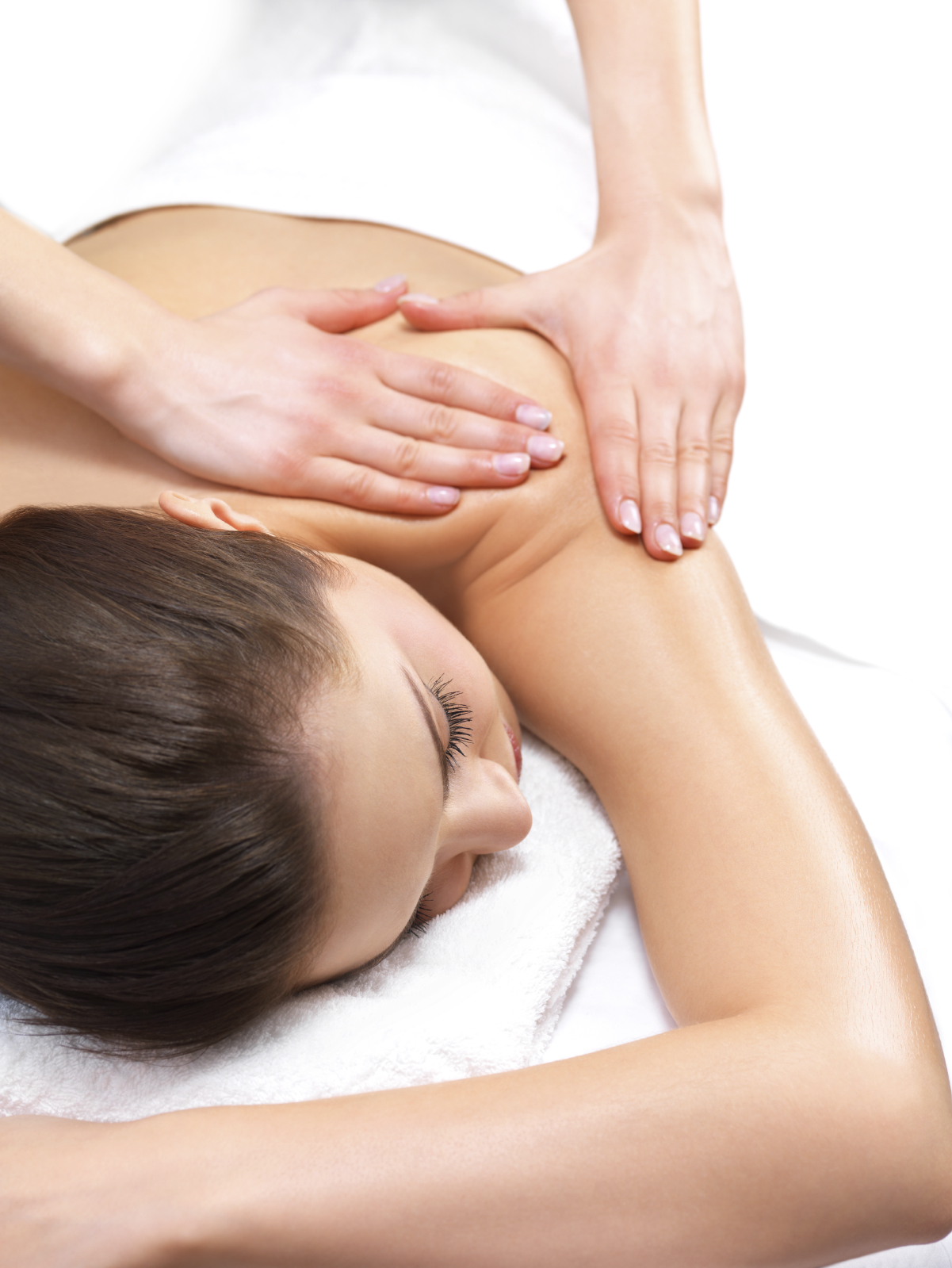
AnneSofie-Spa 285Massage therapy is widely known for reducing stress and tension; but massage therapy can do more than just relax your body.  Here are some unique and extra benefits of massage therapy.

Combat Sedentary Life Style –  Sitting at a desk all day places stress on your neck, low back and shoulders; leading to postural stress on your body.  Massage will lengthen and strengthen your ligaments and muscles which become weak from sitting for prolong periods of time.

Reduces Muscle Pain – A massage treatment will increase and improve your circulation, which will help to reduce muscle aches and pains.  Massage therapy slows the production of proteins known as cytokines, which cause inflammation and pain.

Reduce Anxiety and Depression – A massage treatment can affect the neurotransmitters in the brain by increasing serotonin and dopamine levels that help reduce depression. Massage therapy can also reduce a stress hormone (cortisol) which helps to decrease stress symptoms such as high blood pressure, and anxiety.

Improves Sleep – Massage therapy promotes relaxation which helps the body to relax and encourages restful, deep sleep.

Boosts Immunity – Having a massage will help boost white blood cells and decreased stress hormone levels.  White blood cells play a large role in defending the body from disease, bacteria and infection.

There are many different types of massage, here are a few types:

  • Deep-tissue Massage – Massage to relieve severe tension in the the deeper layers of muscle and connective tissue.
  • Myofascial Release – Massage that helps to release tension in the connective tissue surrounding the muscles.
  • Neuromuscular Therapy- Massage to relieve acute or chronic pain.
  • Sports Massage – Massage to help prepare for and recover from sports activities and injuries.
  • Swedish Massage – Massage to help relax and energize you.

Diversified  Health’s registered massage therapists will use a combination of techniques that include massage and manual therapy, joint mobilization, hydrotherapy, and rehabilitative exercises such as stretching, strengthening, postural exercises and patient education to help you achieve the wellness you are looking for.

September 6, 2016/2 Comments/by Carmen Scott
0 0 Carmen Scott https://www.diversifiedhealth.ca/wp-content/uploads/2026/01/DiversifiedHealth-logo.png Carmen Scott2016-09-06 10:48:552026-09-27 23:44:03Unique Benefits of Massage
Massage Therapy

Meaghan Le Lievre, RMT

Diversified-Health-meaghanMeaghan Le Lievre has been a healthcare practitioner with Diversified Health since December 2015, and has quickly become a favourite with her clients, building trust and results with each person she treats.

A graduate from the West Coast College of Massage Therapy, she is committed to continuously learning through clinical experience and on-going education in her field.

Meaghan is interested in how the body heals innately; how it functions in the presence of various stressors, and how individuals subjectively view their own health. Recognizing that the body and mind work together to maintain balance, it is her intention with her practice to help remove any blocks that may compromise the system.

The summer months bring a specific type of injury caused by being more active, and many of Meaghan’s clients are seen this time of year for injuries of “over use”.  These would include injuries such as shin splints and rotator cuff injuries, as well as more pre and post treatment massages after various races such as the MEC runs and Iron-man events. During the rest of the year, the majority of her clientele seek her expertise for help combating the aches and pains caused by everyday life.

Meaghan is actively involved in the dance community, and treats many local dancers who suffer with hyper-mobility issues or injuries. Meaghan has been dancing with  the Passion and Performance Troop for the past 6 years.

When not practicing Meaghan can be found training at her local gym, spending time outside with her dogs hiking and training for triathlons, as well as finding time to spend with her family and friends.

Meagan’s clinic schedule is Mondays, Tuesdays, Wednesday, Thursdays, Saturdays and Sundays.  She is currently taking new patients.

August 25, 2016/by Carmen Scott
0 0 Carmen Scott https://www.diversifiedhealth.ca/wp-content/uploads/2026/01/DiversifiedHealth-logo.png Carmen Scott2016-08-25 10:26:562026-09-27 23:44:02Meaghan Le Lievre, RMT
Chiropractic Care, Guest Bloggers/Articles

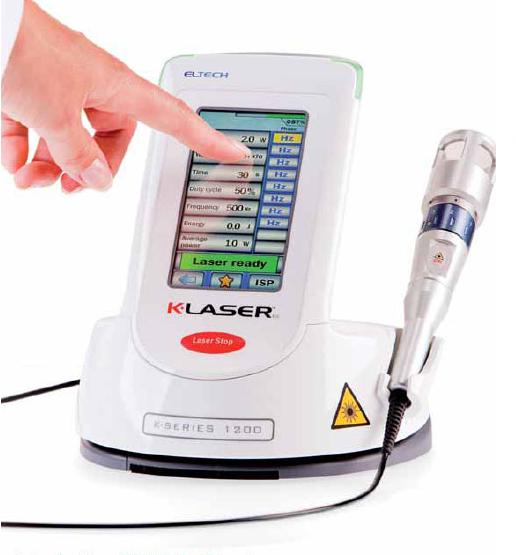
Canadian Track & Field Olympic Team Uses K-Lasers

K-laser-dedoTo view the complete article click here.

“The trainers for the Canadian Track & Field Olympic team know their athletes need to be in the best possible physical shape to compete in the 2016 Olympics in Rio. That’s why they incorporate laser therapy into the athletes’ preparations and chose K-Laser® as their therapeutic laser of choice.

“Successful treatment of professional and Olympic athletes requires an integrated support team of healthcare practitioners as well as many different modalities of treatment,” says Dr. John Vargo, trainer for the Canadian Olympic Track & Field team. “K-Laser is the modality I choose first in high-performance athletes requiring immediate results and in patients who have conditions that have failed with several other types of treatment.”

K-Laser is the most technologically advanced therapeutic laser for the treatment of pain and inflammation. “The addition of K-Laser to our Olympic medical team gives us the ability to provide Canada’s Track & Field athletes with the best technology available during the biggest competition of their lives,” continues Dr. Vargo”.

How the Class IV K-Laser works to heal the body

Blood transports nutrients and oxygen to cells, and takes away waste products such as lactic acid and carbon dioxide. Laser therapy can speed up this process at a cellular level, making it easier for hemoglobin deliver nutrients and take away waste.

In fact, laser therapy can help increase how fast ATP is created – ATP is produced by the mitochondria, and powers cellular activity – laser therapy means more ATP.

Benefits of Class IV K-Laser Therapy:

  • improved circulation
  • improved transport
  • reduced inflammation
  • of nutrients across the cell membrane
  • increased circulation
  • influx of water, oxygen and nutrients to the damaged area
  • reduced swelling, muscle spasms, stiffness and pain

The healthcare practitioners at Diversified Health are well versed in the use of the class IV K-Laser, and incorporate the modality into their treatment plans.

Please contact the clinic to speak with a practitioner to see if the class IV K-Laser is right for you.

August 22, 2016/by Diversified Health Clinic
0 0 Diversified Health Clinic https://www.diversifiedhealth.ca/wp-content/uploads/2026/01/DiversifiedHealth-logo.png Diversified Health Clinic2016-08-22 11:41:432026-09-27 23:44:03Canadian Track & Field Olympic Team Uses K-Lasers
Health Information

More Hepatitis Viruses – C, D, E, & G

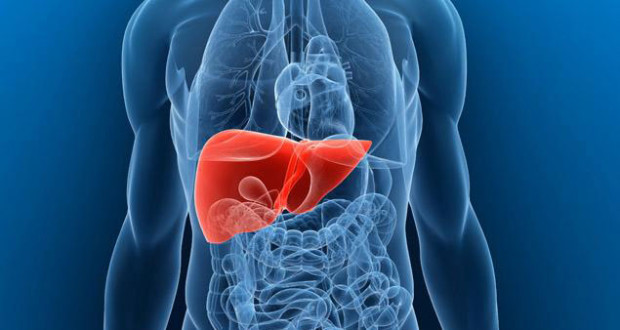
hepititasLets start with a quick over view of the hepatitis viruses:

Hepatitis A is an acute illness that never becomes chronic. This virus is transmitted through direct contact with feces or indirect fecal contamination of food or water.

Hepatitis B is an acute illness for most individuals, however, approximately 8%  of infected patients go on to develop chronic  hepatitis B. This virus is transmitted through sexual contact, contaminated needles,  and infected blood/body fluids.

Hepatitis C is an infectious disease caused by the hepatitis C virus that affects the liver. The virus spreads through contaminated blood or body fluids of an infected person.  Hepatitis C isn’t spread through food, water, or by casual contact.  Patients with chronic hepatitis C are at risk for developing cirrhosis, liver failure, and liver cancer.

Symptoms:

  • Loss of appetite/ Nausea
  • Fever
  • Weakness / Tiredness
  • Aching in the abdomen
  • Dark urine/ light-colored stools
  • Jaundice

There is currently no vaccine for hepatitis C and treatment of chronic hepatitis C, is usually by injections of interferon, as well as a “cocktail” of other medications.

Hepatitis D:

The hepatitis D virus can’t be contracted on its own. It can only develop in people who are already infected with  the hepatitis B virus. Getting vaccinated against hepatitis B will provide protection against hepatitis D since hepatitis B must be present in order for hepatitis D virus to survive. The symptoms for hepatitis D are similar to those of hepatitis B.

Hepatitis D can be acute or chronic and is transmitted through exposure to the bodily fluids of an infected person. There’s currently no cure or vaccine for hepatitis D.

Hepatitis E:

Hepatitis E is a viral hepatitis that is found in countries that lack clean water and sanitation. The hepatitis E virus is a short-term, acute version of hepatitis, which is transmitted through indirect fecal contamination of food or water. The symptoms of hepatitis E resemble those of hepatitis A

Hepatitis E is not known to cause chronic infection, and most people with hepatitis E go on to a full recovery.

Hepatitis G:

The hepatitis G virus was recently discovered (resembles the hepatitis C virus), but more investigation and research is needed.

Ff you suffer from any of the symptoms we have listed, or travel etc. please contact your doctor or healthcare practitioner.

July 25, 2016/by Carmen Scott
0 0 Carmen Scott https://www.diversifiedhealth.ca/wp-content/uploads/2026/01/DiversifiedHealth-logo.png Carmen Scott2016-07-25 11:59:242026-09-27 23:44:03More Hepatitis Viruses – C, D, E, & G
Health Information

Hepatitis B

hepititas Hepatitis B is not spread through causal contact such as hugging or kissing, and unlike hepatitis A, is not found in food or water. Hepatitis B is a virus that causes inflammation of the liver, and is spread through contact with infected blood and body fluids.

Most people infected with Hepatitis B are not aware they have been infected with the virus because symptoms don’t appear right away, and can take up to six months to appear. During this “active phase”  you can spread the virus to other people.

What are the symptoms?

Symptoms of hepatitis B can range from mild to severe.

Symptoms:

  • Abdominal pain
  • Dark urine
  • Fever
  • Joint pain
  • Nausea, vomiting & loss of appetite
  • Weakness and fatigue
  • Yellowing of your skin and the whites of your eyes (jaundice)

Treatment:

When a person is first infected with the hepatitis B virus, this is called “acute hepatitis B”.  If you are diagnosed with acute hepatitis B, you may not need treatment.  Most people with a strong immune system will recover and rid the virus on their own without any problems.

However, if the virus remains in the blood for more than six months, then a person is diagnosed as having “chronic hepatitis B”.   If you are diagnosed with chronic hepatitis B, you may require treatment, such as  antiviral medications to reduce the risk of liver disease and prevent you from passing the infection to others.

Hepatitis B is treatable. If you think you may be infected with hepatitis B, it is important to find out if you have the virus, and a simple blood test can diagnose this virus.

Prevention:

  • Get vaccinated
  • Avoid sharing needles/syringes, and other drug related equipment
  • Practice safe sex
  • Avoid dental, medical or cosmetic procedure unless you are certain that the equipment is sterile
  • Wear latex gloves if you are likely to be in contact with someone’s blood or bodily fluids
  • Don’t share personal items like razors, nail clippers or toothbrushes

If you know you’ve been exposed to hepatitis B, contact your doctor or healthcare practitioner immediately.

July 21, 2016/by Carmen Scott
0 0 Carmen Scott https://www.diversifiedhealth.ca/wp-content/uploads/2026/01/DiversifiedHealth-logo.png Carmen Scott2016-07-21 12:05:392026-09-27 23:44:03Hepatitis B
Health Information

Hepatitis A

hepititasHepatitis A virus causes inflammation of the liver and is easily spread from person to person, through food and water. You can only get hepatitis A once; after that your body builds up a defense against the virus.

The hepatitis A virus is found in the stool of an infected person. It is spread when a person eats food or drinks water that has come in contact with infected stool; this can happen when a person with hepatitis A doesn’t wash their hands well after using the bathroom and then prepares food. It can also happen when a food item is contaminated by raw sewage.

What are the symptoms?

After you have been exposed to the virus, it can take 2 to 7 weeks before you see any signs of it. Symptoms usually last for 2 months but may last longer.

Symptoms:

  • Feeling very tired
  • Nausea
  • Weight loss
  • Fever
  • Pain on the right side of the belly, and sore muscles
  • Yellowish skin, dark urine, and clay-colored stools

Treatment:

Hepatitis A usually goes away within a few months on its own, in most cases.

  • Drink plenty of water
  • Slow down your lifestyle by cutting back on daily activities until all of your energy returns
  • Update your doctor so they can keep track of your medications and and your symptoms

Prevention:

  • Get vaccinated
  • Practice good hygiene habits
  • Don’t eat raw or under cooked shellfish
  • Don’t eat or drink anything that you think may have been prepared in unclean conditions. This includes  raw foods, such as unpeeled fruits or vegetables, ice cubes and drink bottled water.

If you plan to travel to a part of the world where sanitation is poor or where hepatitis A is a known problem ask your doctor, pharmacist or healthcare practitioner about getting the hepatitis A vaccine, or a combination hepatitis A and B vaccine.

July 18, 2016/by Carmen Scott
0 0 Carmen Scott https://www.diversifiedhealth.ca/wp-content/uploads/2026/01/DiversifiedHealth-logo.png Carmen Scott2016-07-18 10:54:512026-09-27 23:44:03Hepatitis A
Health Information

How Good Is Your Posture?

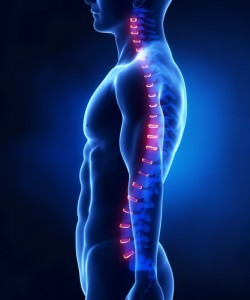
imageWhat is good posture?

The definition of posture is how you hold your body when standing, sitting or lying down. Good posture involves training your body to stand, sit and lie in positions where the least strain is placed on supporting muscles and ligaments during movement or weight-bearing activities.

So how do you improve your posture? Making small changes everyday can lead to major postural changes which will help keep you healthy and promote good posture.

A healthy back has three natural curves:

  • An inward or forward curve at the neck (cervical curve)
  • An outward or backward curve at the upper back (thoracic curve)
  • An inward curve at the lower back (lumbar curve)

Good posture helps maintain these natural curves, while poor posture can stress or pull muscles and cause pain.

Tips for improving your posture while standing :

  • Stand straight and tall with your shoulders back.
  • Keep your head level and in line with your body.
  • Pull in your abdomen.
  • Keep your feet about shoulder-width apart.
  • Bear your weight primarily on the balls of your feet.
  • When standing, distribute body weight evenly to the front, back, and sides of the feet.
  • Avoid regularly wearing high heels, which throw your spine out of alignment, and leads to low back pain.
  • If you use a bag with a single shoulder strap, choose a strap that is long enough to place over your head and rest on the opposite side from the bag. This helps distribute the weight of the bag evenly and prevents distorting your posture.  The better solution is to wear a back pack or bag with two straps to distribute your body weight evenly on both hips.

Tips for improving your posture while sitting:

  • Adjust the height of your chair so your feet rest flat on the floor and your thighs are parallel to the floor.
  • Don’t cross your legs. Your ankles should be in front of your knees.
  • All three normal back curves should be present while sitting, if not, place a rolled towel or small pillow behind your lower back.
  • Keep your upper back and neck comfortably straight.
  • Keep your shoulders relaxed — not elevated, rounded or pulled backward.
  • Sit up with your back straight and your shoulders back. Your buttocks should touch the back of your chair.
  • When sitting in a chair that rolls or pivots, don’t twist at the waist while sitting; rather turn your whole body.
  • When standing up from the sitting position, move to the front of the seat of your chair. Stand up by straightening your legs. Avoid bending forward at your waist.

Little changes to your posture matter. Bad sitting habits—from slouching to crossing your legs—can lead to serious injuries and chronic pain.  Regular exercise will help the body stay healthy, while specific strengthening exercises will help your core muscles stay strong; which will improve your posture.

July 7, 2016/by Carmen Scott
0 0 Carmen Scott https://www.diversifiedhealth.ca/wp-content/uploads/2026/01/DiversifiedHealth-logo.png Carmen Scott2016-07-07 12:10:492026-09-27 23:44:03How Good Is Your Posture?
Health Information

10 Read Worthy Health Blogs

blogThe great thing about the internet is that there is so much information to choose from for any given topic… the worst thing about the internet is that there is so much information to choose from for any given topic. Diversified Health has complied a list of 10 health relate blogs that offer useful information, and engaging blogs that will make your life a little bit easier.

Breaking Muscle.com – This blog is all about fitness and nutritional advice.  Breaking Muscle is a team of experienced professionals dedicated to providing comprehensive strength & conditioning and mind body wellness programs. They provide information from expert coaches and scientific research – no fads just the real deal.

Examine.com/blog –  Examine.com is an independent and unbiased encyclopedia on supplementation and nutrition.

Tiny Buddha.com – Daily wisdom quotes, tips to live out loud and find happiness, and stories about applying wisdom to real life.  Providing simple wisdom for complex lives.

Blog.TED.com –  TED is a nonprofit organization that believe passionately in the power of ideas to change attitudes, lives and, ultimately, the world. They are building a clearinghouse of knowledge and inspiration from the world’s most inspired thinkers, and a community of curious souls to engage with ideas and each other.

Tabata Times.com –  This site has the latest and greatest CrossFit workouts, tips, and inspiration. Tabata Times has grown to become the largest independent media voice covering the sport of  CrossFit.

The Kitchn.com – The Kitchn is a daily food magazine on the Web celebrating life in the the kitchen through home cooking and kitchen intelligence. This is a site for people who care about the quality of their food, and how it affects the health of themselves and the planet.

Authority Nutrition.com – Welcome to Authority Nutrition, a site that helps people make informed decisions about their health based on the best scientific evidence available.

Precision Nutrition.com/blog  – Precision Nutrition helps people transform their lives through expert coaching, ongoing support, and guided mentorship.

The Atlantic.com/author/james-hamblin – James Hamblin, MD, is a senior Health editor at The Atlantic. If you find yourself getting confused about the latest health trends, this is the Blog for you.

My Fitness Pal.com – MyFitnessPal is a free, comprehensive nutrition and fitness system that makes it easy for you to attain your fitness goals and live healthier. Take advantage of MyFitnessPal’s precise, personalized & powerful tools, like our vast meal database of over 4 million foods, and incredibly simple food & exercise trackers.

These blogs are a great resource; some are full of practical information, others are a place to find an interesting fact,  an inspirational section, or just a giggle. Enjoy!!

July 4, 2016/by Carmen Scott
0 0 Carmen Scott https://www.diversifiedhealth.ca/wp-content/uploads/2026/01/DiversifiedHealth-logo.png Carmen Scott2016-07-04 10:11:152026-09-27 23:44:0310 Read Worthy Health Blogs
Health Information

When To Take Your Vitamins

time-to-take-supplements-350x286Some vitamins and supplements can interfere with certain medications resulting in serious side effects. Some of these medications include blood pressure medications, antidepressants, and certain cancer therapies.  If you are taking any medications, check with your physician before taking any supplements.

Everything from bottled water to breakfast cereals seems to have added vitamins and minerals in it.  Remember that if you eat a fortified cereal at breakfast, grab an energy bar for a lunch, and eat enriched pasta for dinner, and take a daily supplement, you could easily be over the recommended daily intake for vitmains and minerals.

If you opt to take multivitamins, choose one that provides no more than 100 percent of the daily value of each nutrient.

Vitamins come in two varieties: water soluble ( Vitamins B and C) and fat soluble (Vitamins such as A, D, E and K). Vitamins are grouped according to how they are dissolved and stored in your body.  Fat-soluble vitamins are stored in your body’s fatty tissue and liver and are used as needed by your body,  while water-soluble vitamins dissolve in water and are not stored in your body.

Here are a few rules on taking vitamins:

  • Calcium should be taken at night; as it acts as a natural muscle relaxant, promoting quality sleep.
  •  Magnesium has a calming effect, and is best taken in the evening and with food, which aids in absorption.
  • Some vitamins can enhance the absorption of other nutrients. Vitamin C, helps enhance iron absorption.
  • Fat-soluble vitamins (A, D, E, and K) are more easily absorbed when taken with a meal that contains fats.
  • Zinc is best taken 1 – 2 hours  either before or after a meal.
  • Iron is best absorbed if taken on an empty stomach and should not be taken with calcium, zinc, or vitamin E, which may interfere with proper absorption.
  • Fish oil is best consumed alongside other fat-soluble vitamins, and with a meal, where the fat content aids in absorption.  Fish oil should never be taken prior to physical activity
  • As a general rule, supplements should be taken with water, and never taken with coffee and tea.  The caffeine or tannin content may interfere with nutrient absorption.

Be aware that vitamins and minerals can affect the absorption and effectiveness of many medications, so always check with your doctor or health care provider.

June 30, 2016/by Carmen Scott
0 0 Carmen Scott https://www.diversifiedhealth.ca/wp-content/uploads/2026/01/DiversifiedHealth-logo.png Carmen Scott2016-06-30 11:42:482026-09-27 23:44:04When To Take Your Vitamins
Chiropractic Care

When should you see a chiropractor?

If your life is disrupted due to back pain, neck pain, headaches, sprains or strains, chiropractic care can help you feel like yourself again. Injuries to the spine can happen at any stage of life and for various reasons including car crashes, workplace incidents and sports injuries. Even simple everyday tasks such as going for a walk or washing the dishes have the potential to cause pain or discomfort that many of us just decide to live with. Sometimes these aches and pains even prevent us from working or doing the things we love.

Visit http://www.letstalkback.ca for more info.

https://www.youtube.com/watch?v=JUTFdvKtm9Q

June 23, 2016/by Diversified Health Clinic
0 0 Diversified Health Clinic https://www.diversifiedhealth.ca/wp-content/uploads/2026/01/DiversifiedHealth-logo.png Diversified Health Clinic2016-06-23 10:28:552026-09-27 23:44:04When should you see a chiropractor?
Page 17 of 48«‹1516171819›»

Search our Blog

Search Search

Topics of Interest

Acupuncture Back Pain Chronic Back Pain Chronic Pain Custom Orthotics Diversified Health Clinic Victoria BC Dry Needling eToims exercise fitness Foot pain GoodLife Fitness Victoria Marathon Headaches Health Care Victoria Health Tips Healthy lifestyle Immune System IMS Inflammation Joint Pain Knee Injuries Low Back Pain Marathons Massage Therapy Migraines natural health practitioner orthotics Pain management Pain Relief Physiotherapy physiotherapy victoria bc Plantar fasciitis Registered Massage Therapy Runner's knee Running Seasonal Allergies Skin Cancer Spinal Decompression Sports Injuries Stress Stretches Sunscreen Victoria therapeutic massage Vitamins walking

Categories

  • Acupuncture
  • Athletic Therapy
  • Chiropractic Care
  • Exercise Library
  • Fitness
  • Guest Bloggers/Articles
  • Health Information
  • Massage Therapy
  • News
  • Orthotics
  • Physiotherapy
  • Practitioners in Focus
  • Uncategorized
  • Victoria Healthcare News
  • Video Library

Archive

News & Events

  • Tension Headaches and Migraines: How to Tell Them Apart, What Helps and When to Get Checked October 6, 2026
  • Sciatica: Nerve Pain or Tight Muscle? Signs, Self-Care and When to Get It Checked October 6, 2026
  • Low Back Pain: Why It Happens, What Helps, and When to Get It Checked October 6, 2026
  • Neck Pain and “Tech Neck”: Causes, Desk Fixes and When to Get It Checked October 2, 2026
  • CryoDerm in Victoria: Cold vs. Heat, How to Use It, and Where to Get It September 26, 2026
  • How to Heal Your Pelvic Floor After Giving Birth | Pelvic Floor Physiotherapy Guide July 30, 2026
  • The Benefits of Shockwave Therapy Treatments February 28, 2023

PainHero Community Partner badge for Victoria

patients choice winner

A Victoria, BC Chiropractor winner of the Patients’ Choice Awards.Verified by Opencare.com

Diversified Health Clinic

The Mosaic Building
1063 Fort St, Victoria, BC
V8V 3K5, Canada
250-382-0018
Monday7 a.m. – 7 p.m.
Tuesday7 a.m. – 7 p.m.
Wednesday7 a.m. – 7 p.m.
Thursday7 a.m. – 7 p.m.
Friday7 a.m. – 7 p.m.
Saturday9 a.m. – 4 p.m.
Sunday8 a.m. – 2 p.m. (physiotherapy only)
© Copyright - Diversified Health Clinic. Website by Victoria's iDreamDigital.
  • Link to Facebook
  • Link to Instagram
  • Link to X
  • Link to Youtube
  • Link to Rss this site
  • Link to Mail
Scroll to top Scroll to top Scroll to top

This website uses cookies to understand how the site is used and to measure our advertising.

Privacy PolicyDismiss

Cookie and Privacy Settings


How we use cookies

We may request cookies to be set on your device. We use cookies to let us know when you visit our websites, how you interact with us, to enrich your user experience, and to customize your relationship with our website.

Click on the different category headings to find out more. You can also change some of your preferences. Note that blocking some types of cookies may impact your experience on our websites and the services we are able to offer.

Essential Website Cookies

These cookies are strictly necessary to provide you with services available through our website and to use some of its features.

Because these cookies are strictly necessary to deliver the website, refusing them will have impact how our site functions. You always can block or delete cookies by changing your browser settings and force blocking all cookies on this website. But this will always prompt you to accept/refuse cookies when revisiting our site.

We fully respect if you want to refuse cookies but to avoid asking you again and again kindly allow us to store a cookie for that. You are free to opt out any time or opt in for other cookies to get a better experience. If you refuse cookies we will remove all set cookies in our domain.

We provide you with a list of stored cookies on your computer in our domain so you can check what we stored. Due to security reasons we are not able to show or modify cookies from other domains. You can check these in your browser security settings.

Other external services

We also use different external services like Google Webfonts, Google Maps, and external Video providers. Since these providers may collect personal data like your IP address we allow you to block them here. Please be aware that this might heavily reduce the functionality and appearance of our site. Changes will take effect once you reload the page.

Google Webfont Settings:

Google Map Settings:

Google reCaptcha Settings:

Vimeo and Youtube video embeds:

Privacy Policy

You can read about our cookies and privacy settings in detail on our Privacy Policy Page.

Privacy Policy
Accept settingsHide notification only