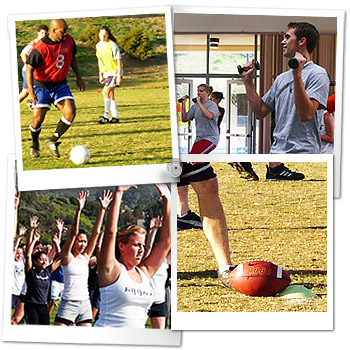
recreational-activities-1There are many different types of stretching techniques for improving flexibility, so knowing what type of stretching is right for you can be confusing. Here are a quick explanation of six common stretching techniques.

When to Use The Correct Stretch

Stretches are either dynamic (involve motion) or static (involve no motion).

It’s best to perform static stretches after an activity, when your muscles are still warm. A post-activity static stretch helps reduce muscle tension and soreness by elongating the muscle and increasing blood circulation.

Dynamic stretches are most effective before an activity: they help prepare your body for the specific movements you will be using for that particular sport or activity. These type of stretches elevate your heart rate and increase your body temperature.

Different types of stretching:

  1. ballistic stretching
  2. dynamic stretching
  3. active stretching
  4. passive/relaxed stretching
  5. static stretching
  6.  Myofascial Release Stretching

Ballistic Stretching

This type of stretching utilizes repeated bouncing movement to stretch the targeted muscle group by bouncing into a stretched position, using the stretched muscles as a spring to pull yourself out of the stretched position. (e.g. bouncing down repeatedly to touch your toes.)

Dynamic Stretching

When you perform dynamic stretches, instead of holding the stretch, you repeatedly move your joints and muscles through a full range of motion. Dynamic stretching helps to improve the range of motion around your joints, improving the flexibility for a specific sport or activity (e.g walking lunges, high knee marching and arm circles.)

Active Stretching

An active stretch is one where you assume a position and then hold it, with no assistance other than using the strength of your muscles.

Active stretching increases flexibility, and strengthens the your muscles. Active stretches are usually quite difficult to hold and maintain for more than several seconds. (e.g  numerous positions in yoga are active stretches.)

Passive Stretching

Passive or relaxed stretching is assuming a position and holding it with some other part of your body, or  assistance from another person or with a piece of equipment. (e.g  bringing your leg up  to your chest and then holding it, in place with your arms.)

Static Stretching

This is the most common stretching technique.  Static stretching is executed by extending the intended muscle group to its maximal point ( where you feel a slight discomfort) and holding it for a period of time.

There are two types of static stretches:

  • Active: Added force is applied by the individual for greater intensity (e.g. Pulling your elbow towards you with your opposite hand)
  • Passive: Added force is applied by an external force for greater intensity (e.g., assistance from another person or with a piece of equipment.)

 Myofascial Release Stretching

Using a a foam roller or similar piece of equipment, myofascial release decreases tension and improves flexibility in the fascia (a densely woven connective tissue) and muscle.  To be effective, you need to use small, continuous back-and-forth movements over a small specific area of the body at a time.

Stretching is an important part of being fit. Static and dynamic are two stretching techniques that can help you maintain flexibility and decrease your risk of being injured.
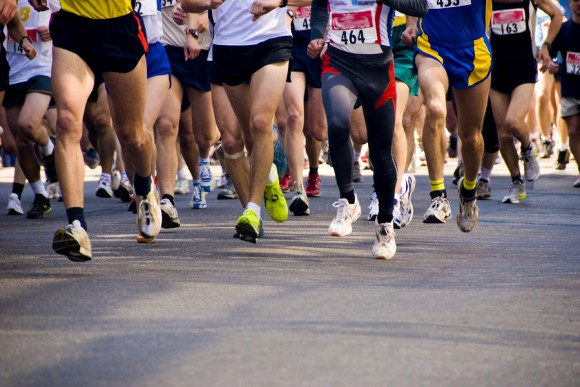
marathon-runners-580x387Wear old clothes and runners?

On the day of the race wear clothing you know is comfortable and that you can wear for the entire race. This is not the time to wear new clothing. This is also true for your footwear.  Make sure that you check your foot gear:  socks, orthotics,  and laces weeks before the race so that everything works in harmony and there will be no surprises during the race.

Variety needed for both location and training.

To maintain your interest and enthusiasm try running on different routes, and run on different surfaces , such as pavement, asphalt, chip trails, grass, dirt and pack gravel.

Cross training should be used to augment your running program.  Make sure to choose activities that have the least amount of weight bearing stressors on your body. You want to choose activities such as cycling, or swimming.

Know your route and practice drinking and eating while on the run

In a marathon it’s important to stay hydrated.  For most people, you may also need to eat during the event.  Practice eating and drinking on the run during a training sessions . You might also want to think about how you will carry food and water for the duration of the run. Keep in mind most marathons offer hydration station along the routes.

One of the best ways to train for a marathon is to familiarize yourself with the  actual race. Try regularly to incorporate parts of the course during your marathon preparation.  This allows you to become familiar with the route and what to expect on race day.

Keep yourself strong

Preparing for a marathon requires training, and exercising all while avoiding over-training – where your health begins to suffers.  To avoid over-training:

  • Balance workouts with easier runs and rest days
  • Eat and drink after each run to replenish depleted reserves
  • Get adequate sleep
  • Increase the intensity and quantity of training in manageable increments.
  • Always listen to your body.

As with any training program, make sure that you have frequent maintenance session with your healthcare practitioner to keep your body in top form.

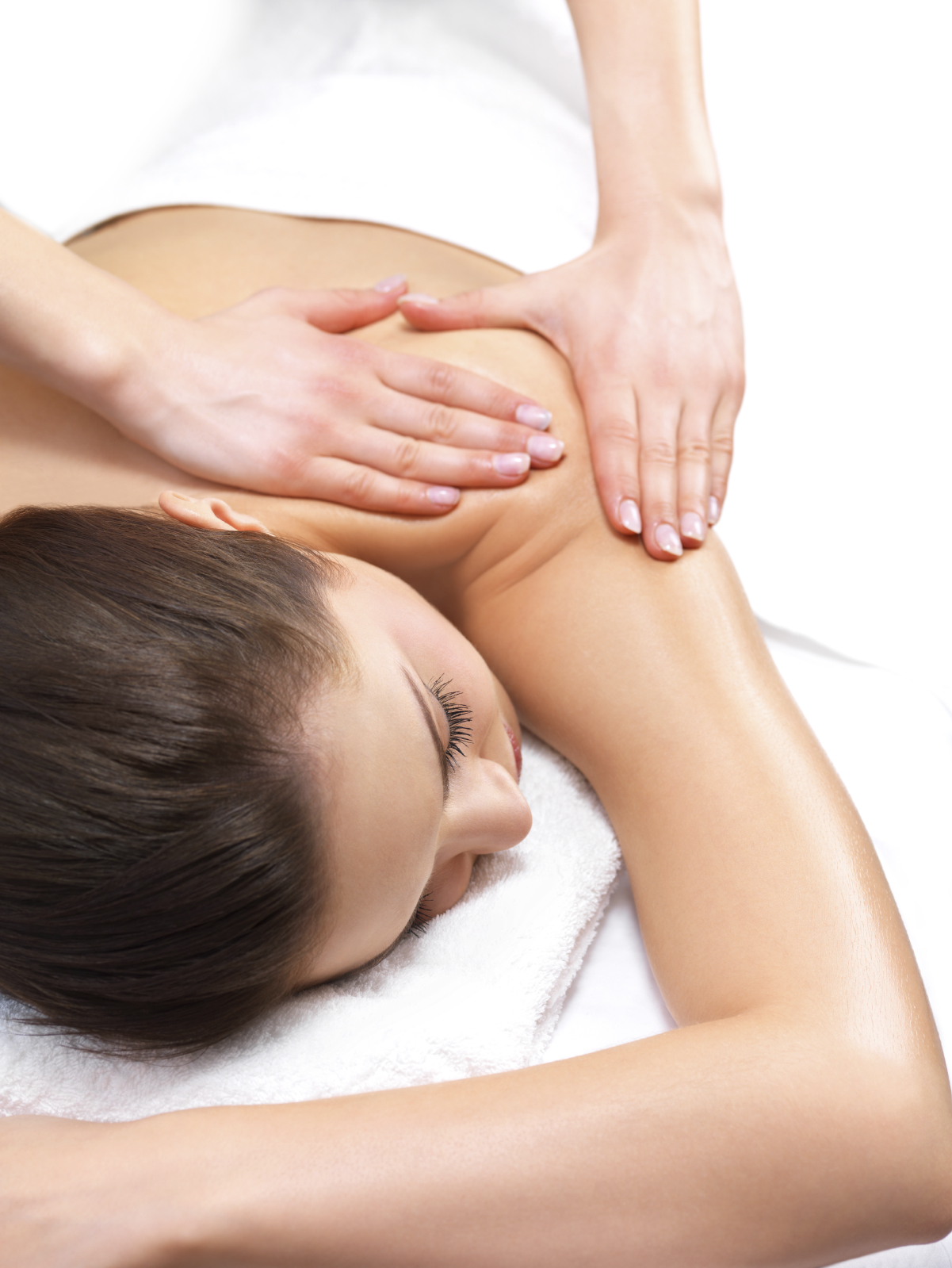
AnneSofie-Spa 285Massage therapy is widely known for reducing stress and tension; but massage therapy can do more than just relax your body.  Here are some unique and extra benefits of massage therapy.

Combat Sedentary Life Style –  Sitting at a desk all day places stress on your neck, low back and shoulders; leading to postural stress on your body.  Massage will lengthen and strengthen your ligaments and muscles which become weak from sitting for prolong periods of time.

Reduces Muscle Pain – A massage treatment will increase and improve your circulation, which will help to reduce muscle aches and pains.  Massage therapy slows the production of proteins known as cytokines, which cause inflammation and pain.

Reduce Anxiety and Depression – A massage treatment can affect the neurotransmitters in the brain by increasing serotonin and dopamine levels that help reduce depression. Massage therapy can also reduce a stress hormone (cortisol) which helps to decrease stress symptoms such as high blood pressure, and anxiety.

Improves Sleep – Massage therapy promotes relaxation which helps the body to relax and encourages restful, deep sleep.

Boosts Immunity – Having a massage will help boost white blood cells and decreased stress hormone levels.  White blood cells play a large role in defending the body from disease, bacteria and infection.

There are many different types of massage, here are a few types:

  • Deep-tissue Massage – Massage to relieve severe tension in the the deeper layers of muscle and connective tissue.
  • Myofascial Release – Massage that helps to release tension in the connective tissue surrounding the muscles.
  • Neuromuscular Therapy- Massage to relieve acute or chronic pain.
  • Sports Massage – Massage to help prepare for and recover from sports activities and injuries.
  • Swedish Massage – Massage to help relax and energize you.

Diversified  Health’s registered massage therapists will use a combination of techniques that include massage and manual therapy, joint mobilization, hydrotherapy, and rehabilitative exercises such as stretching, strengthening, postural exercises and patient education to help you achieve the wellness you are looking for.

Diversified-Health-meaghanMeaghan Le Lievre has been a healthcare practitioner with Diversified Health since December 2015, and has quickly become a favourite with her clients, building trust and results with each person she treats.

A graduate from the West Coast College of Massage Therapy, she is committed to continuously learning through clinical experience and on-going education in her field.

Meaghan is interested in how the body heals innately; how it functions in the presence of various stressors, and how individuals subjectively view their own health. Recognizing that the body and mind work together to maintain balance, it is her intention with her practice to help remove any blocks that may compromise the system.

The summer months bring a specific type of injury caused by being more active, and many of Meaghan’s clients are seen this time of year for injuries of “over use”.  These would include injuries such as shin splints and rotator cuff injuries, as well as more pre and post treatment massages after various races such as the MEC runs and Iron-man events. During the rest of the year, the majority of her clientele seek her expertise for help combating the aches and pains caused by everyday life.

Meaghan is actively involved in the dance community, and treats many local dancers who suffer with hyper-mobility issues or injuries. Meaghan has been dancing with  the Passion and Performance Troop for the past 6 years.

When not practicing Meaghan can be found training at her local gym, spending time outside with her dogs hiking and training for triathlons, as well as finding time to spend with her family and friends.

Meagan’s clinic schedule is Mondays, Tuesdays, Wednesday, Thursdays, Saturdays and Sundays.  She is currently taking new patients.

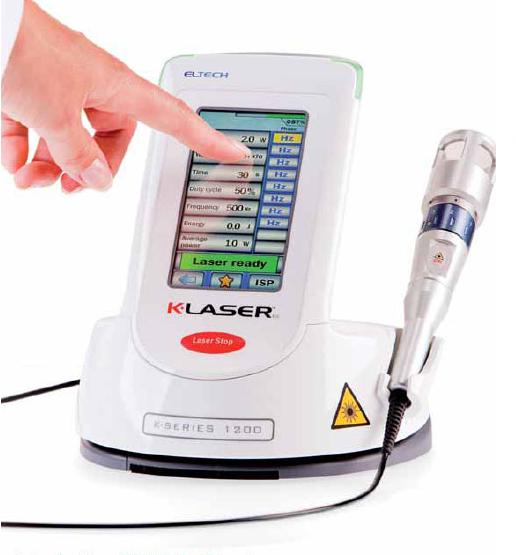
K-laser-dedoTo view the complete article click here.

“The trainers for the Canadian Track & Field Olympic team know their athletes need to be in the best possible physical shape to compete in the 2016 Olympics in Rio. That’s why they incorporate laser therapy into the athletes’ preparations and chose K-Laser® as their therapeutic laser of choice.

“Successful treatment of professional and Olympic athletes requires an integrated support team of healthcare practitioners as well as many different modalities of treatment,” says Dr. John Vargo, trainer for the Canadian Olympic Track & Field team. “K-Laser is the modality I choose first in high-performance athletes requiring immediate results and in patients who have conditions that have failed with several other types of treatment.”

K-Laser is the most technologically advanced therapeutic laser for the treatment of pain and inflammation. “The addition of K-Laser to our Olympic medical team gives us the ability to provide Canada’s Track & Field athletes with the best technology available during the biggest competition of their lives,” continues Dr. Vargo”.

How the Class IV K-Laser works to heal the body

Blood transports nutrients and oxygen to cells, and takes away waste products such as lactic acid and carbon dioxide. Laser therapy can speed up this process at a cellular level, making it easier for hemoglobin deliver nutrients and take away waste.

In fact, laser therapy can help increase how fast ATP is created – ATP is produced by the mitochondria, and powers cellular activity – laser therapy means more ATP.

Benefits of Class IV K-Laser Therapy:

  • improved circulation
  • improved transport
  • reduced inflammation
  • of nutrients across the cell membrane
  • increased circulation
  • influx of water, oxygen and nutrients to the damaged area
  • reduced swelling, muscle spasms, stiffness and pain

The healthcare practitioners at Diversified Health are well versed in the use of the class IV K-Laser, and incorporate the modality into their treatment plans.

Please contact the clinic to speak with a practitioner to see if the class IV K-Laser is right for you.

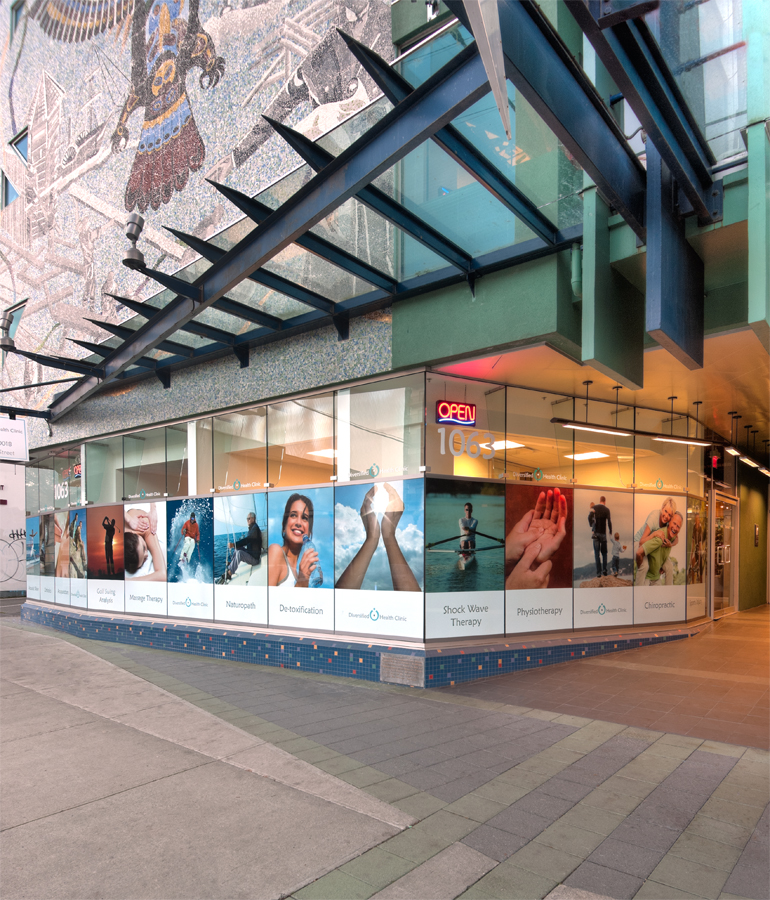
ExteriorDiversified Health Clinic is actively recruiting an additional Registered Massage Therapist (4 days a week / Mondays, Tuesdays, Thursdays and Saturdays) to join our team of therapists.

Our multi-disciplinary clinic is located in the heart of downtown Victoria, in the iconic Mosaic Building at 1063 Fort Street.

The successful RMT will be motivated and self-disciplined with a sincere desire to develop an extensive client base, including the local community and in-house patients. We have a growing case load of highly active clientele, ranging from everyday individuals all the way up to high level Athletes.

Your ability to build rapport with patients and your fellow practitioners, combined with the opportunity to work alongside experienced team members, will ensure your success.

Diversified Health Clinic provides all reception services, patient billing, and inclusion in our advertising, marketing, and website.  All practitioner supplies for the room will be provided by the clinic, including linens, oils, and massage tables.

Compensation:  competitive, percentage based contract.

Please submit your resume either in person to our offices at 1063 Fort Street or via email to lsteel@diversifiedhealth.ca attention to Lola Steel, Clinic Manager.

hepititasLets start with a quick over view of the hepatitis viruses:

Hepatitis A is an acute illness that never becomes chronic. This virus is transmitted through direct contact with feces or indirect fecal contamination of food or water.

Hepatitis B is an acute illness for most individuals, however, approximately 8%  of infected patients go on to develop chronic  hepatitis B. This virus is transmitted through sexual contact, contaminated needles,  and infected blood/body fluids.

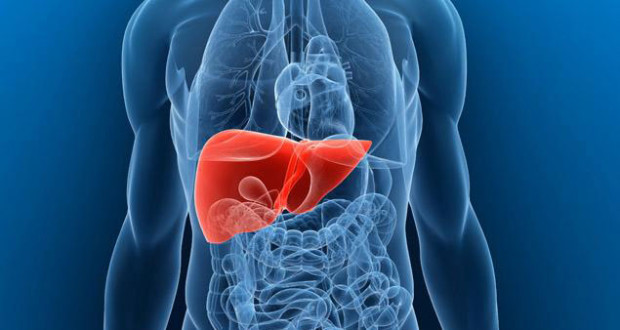
Hepatitis C is an infectious disease caused by the hepatitis C virus that affects the liver. The virus spreads through contaminated blood or body fluids of an infected person.  Hepatitis C isn’t spread through food, water, or by casual contact.  Patients with chronic hepatitis C are at risk for developing cirrhosis, liver failure, and liver cancer.

Symptoms:

  • Loss of appetite/ Nausea
  • Fever
  • Weakness / Tiredness
  • Aching in the abdomen
  • Dark urine/ light-colored stools
  • Jaundice

There is currently no vaccine for hepatitis C and treatment of chronic hepatitis C, is usually by injections of interferon, as well as a “cocktail” of other medications.

Hepatitis D:

The hepatitis D virus can’t be contracted on its own. It can only develop in people who are already infected with  the hepatitis B virus. Getting vaccinated against hepatitis B will provide protection against hepatitis D since hepatitis B must be present in order for hepatitis D virus to survive. The symptoms for hepatitis D are similar to those of hepatitis B.

Hepatitis D can be acute or chronic and is transmitted through exposure to the bodily fluids of an infected person. There’s currently no cure or vaccine for hepatitis D.

Hepatitis E:

Hepatitis E is a viral hepatitis that is found in countries that lack clean water and sanitation. The hepatitis E virus is a short-term, acute version of hepatitis, which is transmitted through indirect fecal contamination of food or water. The symptoms of hepatitis E resemble those of hepatitis A

Hepatitis E is not known to cause chronic infection, and most people with hepatitis E go on to a full recovery.

Hepatitis G:

The hepatitis G virus was recently discovered (resembles the hepatitis C virus), but more investigation and research is needed.

Ff you suffer from any of the symptoms we have listed, or travel etc. please contact your doctor or healthcare practitioner.

hepititas Hepatitis B is not spread through causal contact such as hugging or kissing, and unlike hepatitis A, is not found in food or water. Hepatitis B is a virus that causes inflammation of the liver, and is spread through contact with infected blood and body fluids.

Most people infected with Hepatitis B are not aware they have been infected with the virus because symptoms don’t appear right away, and can take up to six months to appear. During this “active phase”  you can spread the virus to other people.

What are the symptoms?

Symptoms of hepatitis B can range from mild to severe.

Symptoms:

  • Abdominal pain
  • Dark urine
  • Fever
  • Joint pain
  • Nausea, vomiting & loss of appetite
  • Weakness and fatigue
  • Yellowing of your skin and the whites of your eyes (jaundice)

Treatment:

When a person is first infected with the hepatitis B virus, this is called “acute hepatitis B”.  If you are diagnosed with acute hepatitis B, you may not need treatment.  Most people with a strong immune system will recover and rid the virus on their own without any problems.

However, if the virus remains in the blood for more than six months, then a person is diagnosed as having “chronic hepatitis B”.   If you are diagnosed with chronic hepatitis B, you may require treatment, such as  antiviral medications to reduce the risk of liver disease and prevent you from passing the infection to others.

Hepatitis B is treatable. If you think you may be infected with hepatitis B, it is important to find out if you have the virus, and a simple blood test can diagnose this virus.

Prevention:

  • Get vaccinated
  • Avoid sharing needles/syringes, and other drug related equipment
  • Practice safe sex
  • Avoid dental, medical or cosmetic procedure unless you are certain that the equipment is sterile
  • Wear latex gloves if you are likely to be in contact with someone’s blood or bodily fluids
  • Don’t share personal items like razors, nail clippers or toothbrushes

If you know you’ve been exposed to hepatitis B, contact your doctor or healthcare practitioner immediately.

hepititasHepatitis A virus causes inflammation of the liver and is easily spread from person to person, through food and water. You can only get hepatitis A once; after that your body builds up a defense against the virus.

The hepatitis A virus is found in the stool of an infected person. It is spread when a person eats food or drinks water that has come in contact with infected stool; this can happen when a person with hepatitis A doesn’t wash their hands well after using the bathroom and then prepares food. It can also happen when a food item is contaminated by raw sewage.

What are the symptoms?

After you have been exposed to the virus, it can take 2 to 7 weeks before you see any signs of it. Symptoms usually last for 2 months but may last longer.

Symptoms:

  • Feeling very tired
  • Nausea
  • Weight loss
  • Fever
  • Pain on the right side of the belly, and sore muscles
  • Yellowish skin, dark urine, and clay-colored stools

Treatment:

Hepatitis A usually goes away within a few months on its own, in most cases.

  • Drink plenty of water
  • Slow down your lifestyle by cutting back on daily activities until all of your energy returns
  • Update your doctor so they can keep track of your medications and and your symptoms

Prevention:

  • Get vaccinated
  • Practice good hygiene habits
  • Don’t eat raw or under cooked shellfish
  • Don’t eat or drink anything that you think may have been prepared in unclean conditions. This includes  raw foods, such as unpeeled fruits or vegetables, ice cubes and drink bottled water.

If you plan to travel to a part of the world where sanitation is poor or where hepatitis A is a known problem ask your doctor, pharmacist or healthcare practitioner about getting the hepatitis A vaccine, or a combination hepatitis A and B vaccine.