
Kevin P. Boyd makes the case to slap on some physical or chemical SPF daily.
Lesson by Kevin P. Boyd, animation by Andrew Foerster.
Kevin P. Boyd makes the case to slap on some physical or chemical SPF daily.
Lesson by Kevin P. Boyd, animation by Andrew Foerster.
Article by: sunprotectionandproductsguide.com
Finding melanoma early is the key to curing this terrible disease. That is why learning the ABCDE rule for skin cancer is so important. This system provides and easy way to recognize moles and growths that might be cancerous.
Although most of your “suspicious” moles will turn out to be normal non-cancerous moles, it is much better to be safe than sorry. To not see, or simply ignore an early melanoma can be devastating. Because melanoma can disguise itself as a strange looking mole, be sure to review the ABCDE rule for skin cancer to properly identify abnormal growths.
If your mole or growth has one or more of the ABCDE’s, you should show it to your doctor as soon as possible!
Pictures of the ABCDE rule for skin cancer

A – Asymmetry: Normal moles or freckles are completely symmetrical. If you were to draw a line through a normal spot, you would have two symmetrical halves. In cases of skin cancer, spots don’t look the same on both sides.
B – Border: A mole or spot with blurry and/or jagged edges.
C – Color: A mole that is more than one hue is suspicious and needs to be evaluated by a doctor. Normal spots are usually one color. This can include lightening or darkening of the mole. Melanoma cells usually continue to produce melanin, which accounts for the cancers appearing in mixed shades of tan, brown and black.
D – Diameter: If it is larger than a pencil eraser (about 1/4 inch or 6mm), it needs to be examined by a doctor. This is includes areas that do not have any other abnormalities (color, border, asymmetry). But, don’t be fooled by size alone – it can be smaller.
E – Elevation/Evolving: Elevation means the mole is raised above the surface and has an uneven surface. Looks different from the rest or changing in size, shape, color.
In addition, there are other features of melanoma such as surface changes (bleeding, oozing, flaking) or signs of itchiness, pain, or tenderness. After examining the mole, if your doctor thinks the mole is a melanoma, then a biopsy will be performed for further analysis.
Basically, any mole or growth that is CHANGING needs to be checked by a physician.
To read the complete article, click here.
Written by cancer.org
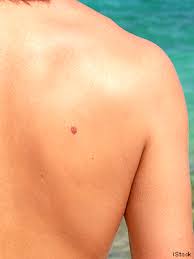
Summertime means most of us will be spending more time outdoors. Sunscreen is only one defense against skin cancer. More importantly is to keep an eye on your skin and to pay attention to all changes, no matter how small.
Unusual moles, sores, lumps, blemishes, markings, or changes in the way an area of the skin looks or feels may be a sign of melanoma or another type of skin cancer, or a warning that it might occur.
A normal mole is usually an evenly colored brown, tan, or black spot on the skin. It can be either flat or raised. It can be round or oval. Moles are generally less than 6 millimeters (about ¼ inch) across (about the width of a pencil eraser). Some moles can be present at birth, but most appear during childhood or young adulthood. New moles that appear later in life should be checked by a doctor.
Once a mole has developed, it will usually stay the same size, shape, and color for many years. Some moles may eventually fade away.
Most people have moles, and almost all moles are harmless. But it is important to recognize changes in a mole – such as in its size, shape, or color – that can suggest a melanoma may be developing.
The most important warning sign for melanoma is a new spot on the skin or a spot that is changing in size, shape, or color. Another important sign is a spot that looks different from all of the other spots on your skin (known as the ugly duckling sign). If you have any of these warning signs, have your skin checked by a doctor.
The ABCDE rule is another guide to the usual signs of melanoma. Be on the lookout and tell your doctor about spots that have any of the following features:
Some melanomas do not fit the rules described above. It is important to tell your doctor about any changes or new spots on the skin, or growths that look different from the rest of your moles.
Other warning signs are:
Be sure to show your doctor any areas that concern you and ask your doctor to look at areas that may be hard for you to see. It is sometimes hard to tell the difference between melanoma and an ordinary mole, even for doctors, so it’s important to show your doctor any mole that you are unsure of.
To see examples of normal moles and melanomas, visit the Skin Cancer Image Gallery.
How caregivers can recover from—and avoid—burnout.
By Susan Fulton. Susan Fulton is Clinical Leader at Classic LifeCare a BC-based home care provider.
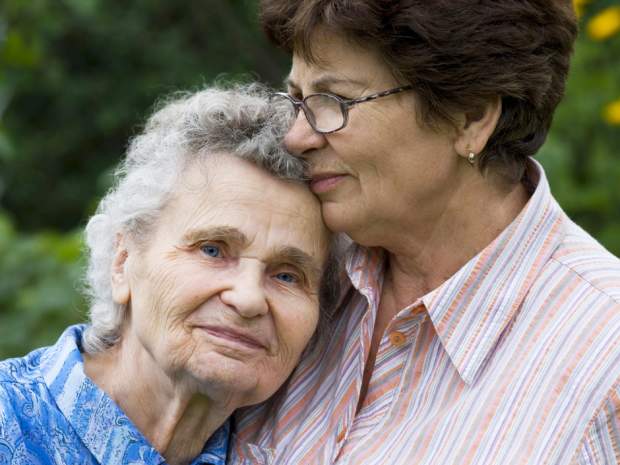
Are you a member of the sandwich generation? If you’re unfamiliar with the term, the sandwich generation is the current generation of people, usually women, who care for their aging parents while supporting their own children.
The sandwich generation doesn’t have it easy.
In fact, nearly a third of unpaid family caregivers are stressed out to the point of breakdown due to serious gaps in seniors respite programs. That’s according to a September 2015 report by the Seniors Advocate of British Columbia.
The BC Senior’s Advocate also reported that:
“There is little question that caregiving is stressful,” BC Senior’s Advocate Isobel MacKenzie (@SrsAdvocateBC) said in her September report. “The physical strain of caregiving is exacerbated by the emotional toll of watching your loved one becoming increasingly frail.”
According to the BC Seniors Advocate’s report, respite, such as visits by a home care worker, offers adult caregiver the chance to recharge and avoid burnout or crisis.
Ultimately providing caregivers with some sort of respite strengthens a healthy relationship between the person receiving care and the caregiver.
Caregiver burnout is all too common and can often be avoided with small breaks throughout the week.
Even a two- or three-hour break can be enough to revitalize the caregiver and give them some room to breathe.
The caregiver needs a break just so they can go back to being the daughter or the husband, rather than the caregiver.
It’s important to recognize the symptoms of burnout.
Symptoms can include feeling constantly tired, and losing interest in the hobbies and pastimes that typically bring you pleasure and help you enjoy life.
Growing increasingly irritable while facing routine challenges such as commuting to work or even trying to change a lightbulb is another key indicator of burnout.
One client noted she started to use the horn a lot more when driving. She also reported she started to drive a little more aggressively.
At this point burnout can become dangerous.
If caregivers don’t care for themselves they are likely less able to care for an aged parent or relative.
Five tips to avoid burnout include:
Make time to spend some time by yourself. British Columbia is a spectacular place to live, so during the week schedule time to get out and enjoy life.
Express how you’re feeling to someone you trust. Perhaps you have a colleague who is experiencing the same challenge, so try to check in to see how you’re doing. Help each other recognize how you’re feeling.
Exercise helps fight burnout, and is also essential for maintaining your health. Some caregivers actually discover they are losing weight – specifically muscle mass. Exercise not only changes your outlook, it can help prolong your life.
Some caregivers simply are too overwhelmed to make healthy food choices, and instead rely on packaged meals and fast food—if they remember to eat at all. Eating healthily is not only good for your body, it can also help improve your mood.
Seek help if you find you are becoming irritable or you are losing interest in reading books or even even watching television. Talking with a friend or family member can help you identify your feelings and deal with them.
And sometimes all it takes to turn things around is to make some time for yourself.
Susan Fulton is Clinical Leader at Classic LifeCare, a BC-based home care provider.
Whether you are a seasoned runner or a first timer, here are some tips to help you stay organized and keep you relaxed… which will help you run a better race.
The days before the race:
The night before the race:
Race day:
After the race:
Victoria BC is known for its scenic beauty and great temperate weather. So, if you are a runner, Victoria is a little slice of heaven. There are Marathons, Half marathons, 10K’s, 5K’s, and Fun Runs almost year round. No matter what your physical ability: there is an event for everyone.
Below are a few of the runs that are taking place during May and June.
Harriers Elk/Beaver Ultras | May 14, 2016
The fast and flat 10 kilometer trail circuit around Elk and Beaver Lakes is considered as one of the premiere races of its type in North America. Runners complete 10 laps for the 100K division, 8+ laps for 50 Miles and 5 laps for 50K while walkers complete 4 laps for 40 km. The First-Time Marathoners will complete 4+ laps.
Oak Bay Half Marathon | May 29, 2016
The Oak Bay Half Marathon is a Victoria classic! This run features a half marathon, a 10km route and a half marathon relay option.
Runners can expect to experience all that Oak Bay has to offer as they take on an extremely scenic course with a good portion of ocean front running. The race itself attracts a field of casual to elite local runners and has been steadily growing year after year.
Victoria Spring Sprint- 21st Annual Victoria Brain Tumour Walk | May 29, 2016
When you register and fund-raise for Spring Sprint, you join a nation-wide movement transforming the future for brain tumour patients and families. This means funding critical research into the cause of and cure for brain tumours. It also means ensuring the 55,000 Canadians living with the disease have access to Support and information programs that are uniquely needed.
Victoria Goddess Run | June 5, 2016
The Victoria Goddess Run is a women’s running event with a 5k, 10k, and half marathon option. The three runs all happen on the same day and are the culmination of a three day Goddess festival featuring a number of speakers and activities happening in conjunction with the race expo and pick up.
CFB Esquimalt Navy Run | June 19, 2016
The Navy Run – 10k, 5k and kids fun run is a family-oriented, inclusive community event. The Navy run routes start and finish at CFB Naden in Esquimalt. Runners follow looped courses that take them through the streets of Esquimalt. Even the kids can get in on the challenge! Involve the children and discover a fitter family lifestyle. Get excited about improving your health. Do it because you can!
Raymond James Father’s Day Run/Walk for Prostate Cancer | June 19, 2016
Raymond James Father’s Day Walk Run is a fun, family-friendly event, hosted on Father’s Day, that raises awareness and funds for free programs and services for all Vancouver Island men and the families that love them. The event is a timed 10 Km Run and a 5 Km Family Walk / Run, followed by brunch and live entertainment.
MEC Victoria Race THREE | June 26, 2016
The third Victoria MEC race happens out at Royal Roads. This run steps things up offering the first half marathon of the season along side the usual 5k and 10k runs. MEC Victoria, with the support of CRD Regional Parks, is pleased to present Race THREE: stunning routes through Royal Roads and surrounding area.
Regular running helps to reduce your risk of heart disease, type 2 diabetes and stroke. Running will also help boost your mood, so get out there, start running and be safe!
Article from Environmental Working Group
There are a lot of sunscreens on the market: some good, some bad and then the shameful.
Those in the last category are not only a waste of money and time but also potentially harmful. Here are our picks for products to banish from your beach bag.
11 Worst Spray Sunscreens
These sunscreens are aerosol sprays with SPFs above 50+ and the harmful additives oxybenzone and retinyl palmitate.
Banana Boat Clear UltraMist Ultra Defense MAX Skin Protect Continuous Spray Sunscreen, SPF 110
Coppertone Sport High Performance AccuSpray Sunscreen, SPF 70
Coppertone Sport High Performance Clear Continuous Spray Sunscreen, SPF 100+
CVS Clear Spray Sunscreen, SPF 100
CVS Sheer Mist Spray Sunscreen, SPF 70
CVS Sport Clear Spray Sunscreen, SPF 100+
CVS Wet & Dry Sunscreen Spray, SPF 85
Neutrogena Fresh Cooling Sunscreen Body Mist, SPF 70
Neutrogena Ultra Sheer Body Mist Sunscreen Spray, SPF 100+
Neutrogena Ultra Sheer Body Mist Sunscreen Spray, SPF 70
Neutrogena Wet Skin Sunscreen Spray, SPF 85+
12 Worst Sunscreen Lotions
These sunscreen lotions claim SPFs above 50+ and contain oxybenzone and retinyl palmitate.
Banana Boat Sport Performance Sunscreen Lotion, SPF 100
Coppertone Sport High Performance Sunscreen Lotion, SPF 100
Coppertone Sport High Performance Sunscreen, SPF 75
Coppertone Sport Sunscreen Stick, SPF 55
Coppertone Ultra Guard Sunscreen Lotion, SPF 70+
CVS Sport Sunstick Sunscreen, SPF 55
CVS Sun Lotion Sunscreen, SPF 100
CVS Sun Lotion Sunscreen, SPF 70
Neutrogena Ultra Sheer Daily Liquid Sunscreen, SPF 70
NO-AD Sunscreen Lotion, SPF 60
NO-AD Sunscreen Lotion, SPF 85
Ocean Potion Protect & Nourish Sunscreen Lotion, SPF 70
Click here to read the complete article and to find out how they picked the Hall of Shame.
To find out which sunscreens you should be using; and to see if your sunscreen made the cut, click here.
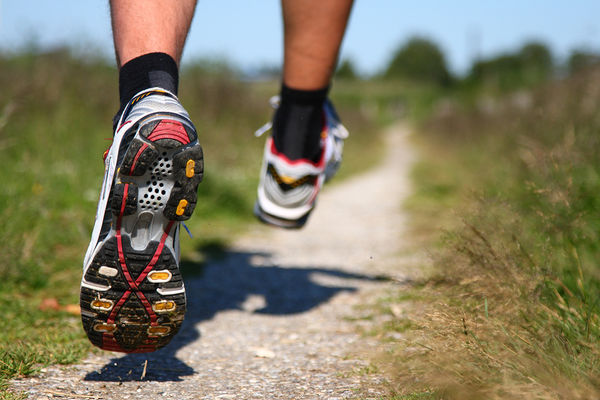
Most running safety rules are common sense; and by taking a few precautions while out running you can avoid getting injured or becoming a victim. Here are a few steps to stay safe on your next run:
Before you start:
Take a moment and give yourself a safety check. Are your shoes tied? Do you have ID? Are you familiar with the route? During your run, watch out for uneven sidewalk, roots, rocks and branches. Always avoid running alone in unpopulated or heavily wooded areas and avoid unlit routes. Carry a fully charged cell phone and always call police if you see something or someone suspicious.
Leave word:
Make sure your friends or family know your running routes and inform someone of which route you are running.
Night Running:
Make yourself visible! Wear light or bright colored clothing that are highly visible; think about wearing a reflective vest for your night time or early morning runs.
Cars:
Many drivers are distracted, so don’t assume that they see you. Be sure to make eye contact with drivers at street crossings, and always be extra careful of stopped cars waiting to make a turn. Stop and wait until they make the turn, or run behind them. Always run on the side of the road or the sidewalk where you are running facing traffic.
Cyclists:
Watch out for cyclists and other runners. If you’re approaching a runner or cyclist, communicate with them and let them know which side you’re passing them on. Before you stop or turn around on a trail, always look over your should to avoid a potential collision with an oncoming cyclist or passing runner.
Listening:
Avoid using iPods or wearing headphones—you need to be able to hear approaching vehicles, cyclists and people. If you must use headphones, run with the volume low and with ear-buds, just use one.
What to Carry:
Put your driver’s license in your pocket or wear an ID tag on your shoe and it’s always a good idea to have a small amount of cash on you, in case of emergency.
If a location or person makes you feel uncomfortable, trust your instincts, and remove yourself as quickly as possible.
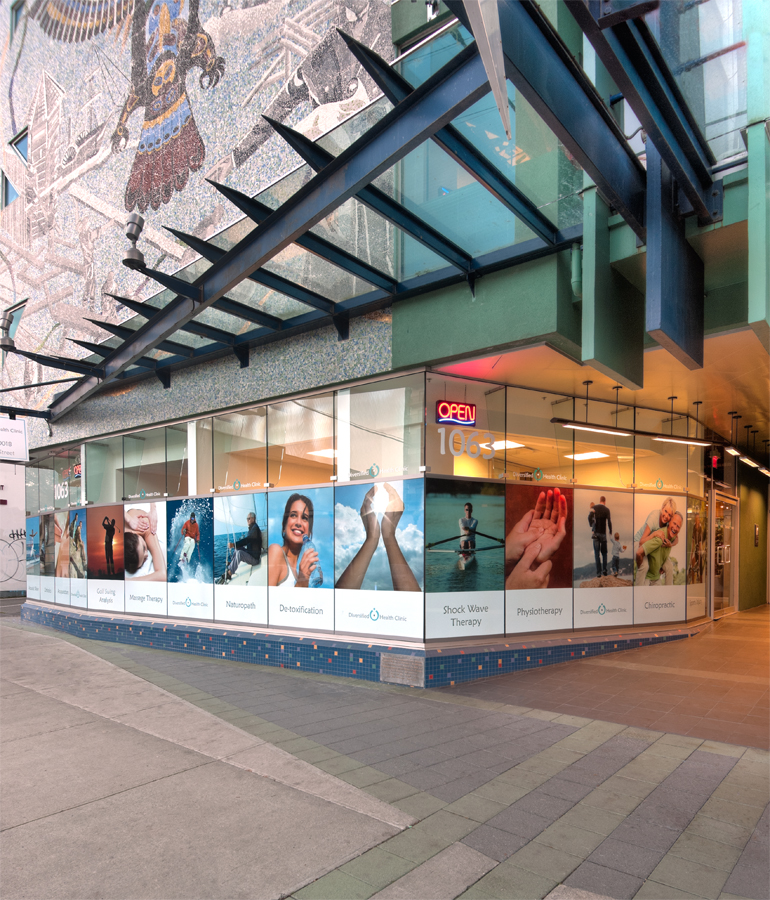
Diversified Health Clinic is a multi-disciplinary, collaborative health and wellness center that combines a wide range of services including Chiropractic, Physiotherapy, Registered Massage Therapy, and Acupuncture. We are currently hiring an Administrative Assistant/Receptionist to our growing team.
We are a high volume clinic with a strong team of practitioners and staff. The successful applicant will be comfortable working independently as well as being an integral part of our team.
This is a customer focused position with duties including patient bookings, answering phones and email inquiries, filing, insurance submissions and billings, MSP/Extended Health billings and processing, opening and closing procedures and various office duties as needed. This is not an MOA position, however, a strong administrative background in health services is an asset and the ability to prioritize and multi-task are essential.
We are currently recruiting for a permanent part time position. This position is 4 days per week; Saturdays, Sundays, Mondays and Tuesdays. The position is approximately 22 hours per week. This is an hourly wage-based position. Position to start immediately.
Resumes can be emailed to the Clinic Manager, Lola Steel at lsteel@diversifiedhealth.ca or dropped off at the Clinic at 1063 Fort Street attention to Lola Steel.
Shockwave Therapy is a non-surgical treatment of soft tissue, bone, and joint pain. Shockwave treatments send high-energy mechanical pulses to an injured area. These high-energy mechanical pulses stimulate the breakdown of scar tissue, improves blood circulation, and decreases inflammation; which helps speed up healing and recovery times.
Shockwave therapy can help in the treatment of:
Heel spurs / Plantar fasciitis / achilles tendonitis / Tennis elbow / chronic muscular pain / Bursitis / Patellar tendonitis / Jumpers knee / Stress fractures /Lumbar & cervical spine injuries
During a Shockwave treatment, a high-intensity sound wave interacts with the tissues of the body, effectively reinjuring the area on a cellular level and breaking up scarring that has penetrated tendons and ligaments. The controlled reinjuring of tissue allows the body to regenerate blood vessels and bone cells. The resulting revascularization leads to faster healing, reversal of chronic inflammation, stimulation of collagen and a return to pre-injury activity levels.
Shockwave therapy enhances the healing process, fights inflammation, and eliminates pain by:
Shockwave Therapy is particularly good at pain management by stimulating a metabolic reaction in the affected tissue, which induces an analgesic reaction which blocks pain messages. Shockwave therapy also stimulates the production of collagen. These newly created collagen fibers become more dense and stiff and creates a firmer and stronger structure.
Shockwave therapy increases blood circulation, promotes and accelerates the recovery of injured tissue and stimulates the body’s repair mechanisms, with damaged tissue gradually regenerating and eventually healing.
To find out more about Shockwave therapy, please contact our health care practitioners at 250-382-0018.

| Monday | 7 a.m. – 6 p.m. |
| Tuesday | 7 a.m. – 6 p.m. |
| Wednesday | 7 a.m. – 6 p.m. |
| Thursday | 7 a.m. – 6 p.m. |
| Friday | 7 a.m. – 6 p.m. |
| Saturday | 8 a.m. – 5 p.m. |
| Sunday | Closed |
We may request cookies to be set on your device. We use cookies to let us know when you visit our websites, how you interact with us, to enrich your user experience, and to customize your relationship with our website.
Click on the different category headings to find out more. You can also change some of your preferences. Note that blocking some types of cookies may impact your experience on our websites and the services we are able to offer.
These cookies are strictly necessary to provide you with services available through our website and to use some of its features.
Because these cookies are strictly necessary to deliver the website, refusing them will have impact how our site functions. You always can block or delete cookies by changing your browser settings and force blocking all cookies on this website. But this will always prompt you to accept/refuse cookies when revisiting our site.
We fully respect if you want to refuse cookies but to avoid asking you again and again kindly allow us to store a cookie for that. You are free to opt out any time or opt in for other cookies to get a better experience. If you refuse cookies we will remove all set cookies in our domain.
We provide you with a list of stored cookies on your computer in our domain so you can check what we stored. Due to security reasons we are not able to show or modify cookies from other domains. You can check these in your browser security settings.
We also use different external services like Google Webfonts, Google Maps, and external Video providers. Since these providers may collect personal data like your IP address we allow you to block them here. Please be aware that this might heavily reduce the functionality and appearance of our site. Changes will take effect once you reload the page.
Google Webfont Settings:
Google Map Settings:
Google reCaptcha Settings:
Vimeo and Youtube video embeds:
You can read about our cookies and privacy settings in detail on our Privacy Policy Page.
Privacy Policy