Check out part two of our Choose to Move campaign, which highlights the difference physiotherapy can make, and the positive role it plays in helping people live fuller, more active lives.
Check out part two of our Choose to Move campaign, which highlights the difference physiotherapy can make, and the positive role it plays in helping people live fuller, more active lives.
 Written by: Jennifer Cohen / Health.com
Wearing the wrong shoes can cost you more than just a few blisters
Summertime is the perfect season to start a running program. With the sun shining, there’s simply no reason to not lace up your sneaks and hit the road. But before you get started, learn the five mistakes every beginning runner makes. And skip them!
Starting too fast
The most common mistake new runners make: going too hard, too fast. By not easing into it, you end up exhausted much sooner than expected, and the tail end of your run becomes a wind-sucking session. This can make running seem too hard, which can lead you to quit your program all together.
Solution: The key is pacing yourself; running is a sport in which progress is especially slow and gradual. If you’re running outside, downloading a pacing app like RunKeeper can help you keep track of your speed. Start off at a moderate pace, and gradually increase throughout your run. This will make for not only a more enjoyable run, but it’s also the key to building endurance.
Wearing the wrong shoes
Maybe you’ve heard this one before, but it’s worth repeating. You may think because your feet feel okay, and you’re not getting blisters, you’re in the clear. But poor-fitting shoes can cause all sorts of unexpected problems: ankle pain, hip pain, even shoulder pain, and so on. This is why I think of the wrong shoes as the “silent killer” of running programs.
Solution: The best advice is to sidestep this from the get-go. Hit your local running store and have them fit you for the proper shoes. They will look at your gait and see what areas of your feet take on the most pressure while you walk and run. The right shoe will take your runs to a whole new level.
Setting unrealistic goals
It’s very easy to get caught up in what others are doing and try to match up with them, especially when it comes to running. But remember: the only person you should be competing against is yourself. If you’re a brand new runner, trying to run a 5k straight through right off the bat is likely going to leave you feeling discouraged. It’s okay—even recommended—to start with an even smaller goal, like running a mile. And then move forward from there.
Solution: Start with a realistic program that will help you build the strength and endurance to reach your running goal. For example, start with a run/walk program that allows you to take rests in between each set of running. Over time, you’ll build the endurance to run all the way through with no breaks.
Fueling improperly
A car can’t run without gas, right? It also probably won’t run very well if you fill it with water. This is exactly the way you should be thinking about fueling yourself for a run. New runners often find that one day, they feel like a million bucks on their run, but then the next, it feels like all progress has gone out the window. Often the difference is proper food and water.
Solution: Everybody is different, so you’ll have to experiment a bit to find out what works best for you, but there are some tried and true solutions that work for most.
If you have 1 hour or less before your run, eat a small mixture of protein, carbohydrates and fats. This could be a slice of whole wheat bread with peanut or almond butter spread on top.
If you have 2 hours, eat a meal that includes larger portions of protein, carbohydrates and fats. This could be eggs, bacon, and a slice of whole wheat toast.
If you’re going on a longer run, you can bring some energy gels for the road, but I find it easier and healthier to just snag a pack of your kid’s fruit snacks. My kids and I love Fruigees since they’re a natural, organic option and made with only fruits and veggies. This is a super efficient snack that will give you that quick punch of natural sugar to help you keep going, without upsetting your stomach.
Heel Striking
You may have heard the term, but many people don’t know what this is or how to fix it. By over striding (landing on your heel first), you are opening yourself up to injury, such as shin splints.
Solution: Aim to land mid-sole. Your stride may have to shorten up to achieve this, but you’ll be happy you did in the long run (pun intended)!

We are excited to showcase the value of physiotherapy and how it can help you get back to being active, and doing what you love. Whether that’s going for a leisurely walk, playing with your children at the park, or mountain biking through the trails, the possibilities of what you could be doing are limitless.
Every day physiotherapists enhance the lives of British Columbians. As highly trained medical professionals, they offer innovative treatments, and programs that empower their patients to live healthier, more active lives. And…you don’t need a doctor’s referral to see one!
Get inspired to take action. See the difference physiotherapy can make.
 We all need vitamins and minerals for good health, well being and energy; but did you know that vitamin deficiencies can lead to low energy?
Particular nutrient deficiencies are associated with reduced energy and chronic tiredness; these can include iron, magnesium, B12 and folic acid.
We’ve gathered some information on these nutrients/vitamins and how deficiencies can contribute to low energy. We will also discuss symptoms, and how to test for the appropriate levels in your body.
Iron
Iron is an essential mineral needed for the manufacture of hemoglobin, the part of the red blood cells that carries oxygen, which is needed for energy production. ( 14 to 18 mg for adult men, and 12 to 16 mg for adult women). When iron levels are low, red blood cells can’t carry enough oxygen to the body’s tissues, causing fatigue.
Symptoms of deficiency are fatigue (especially on exertion); weakness, shortness of breath, pale lower eyelids & tongue, headaches, and constipation.
You can also help increase your hemoglobin by eating iron rich foods such as red meat, shrimp, tofu, almonds, dates, and lentils.
Iron cannot be fully absorbed by the body without the help of vitamin C; so make sure that you are getting the correct amount of vitamin C daily.
Iron levels are tested easily with blood samples, but it’s important to check your iron levels before using an iron supplement because excess iron absorption can also causes chronic tiredness.
Vitamin B12
B12 is needed for the manufacture of red blood cells and helps the body’s use the iron that is also required for proper digestion, the absorption of foods, and the metabolism of carbohydrates and fats.
Vitamin B12 is largely found naturally in animal products such as meat, fish, poultry, eggs and dairy products, making vegetarians and people with digestive disturbances at the most risk for a B12 deficiency.
Symptoms of deficiencies are fatigue, weakness, dizziness, memory problems, confusion, irritability, depression, moodiness and paleness.
B12 deficiencies are common due to declining B12 levels in food by the increased use of antibiotics and digestive problems. You can help increase your B12 levels by eating fortified soy products like silken tofu and B12-fortified breakfast cereals.
B12 levels can be measured with a simple blood test.
Folic Acid
Folic acid is a B vitamin needed for the manufacture of red blood cells, and because folic acid is easily destroyed during cooking, it is one of the most common vitamin deficiencies. Folic acid allows the body to perform many essential functions DNA synthesis and repair, and red blood cell creation.
Symptoms of deficiencies are fatigue, digestive disturbances, insomnia, memory problems, weakness, shortness of breath, and anemia.
You can help increase folic acid levels by eating dark leafy greens, citrus fruits, beans, lentils and nuts.
Folic acid levels can be measured with a blood test.
Magnesium
Magnesium is needed for the production of ATP, which is the main energy-producing molecule in the body. When magnesium is deficient, our cells are less able to produce energy which leads to chronic tiredness.
Symptoms of deficiencies are fatigue, irritability, spasms or muscle cramps, rapid or irregular heartbeat, high blood pressure and insomnia.
Leafy green vegetables,eat plenty of raw foods You can help increase Magnesium levels by eating leafy green vegetables, eating plenty of raw foods, and limiting refined sugar.
Magnesium is not generally tested by blood test, but by hair analysis.
If you are experiencing fatigue or you are chronically tired please contact your health care practitioner before making any changes to your health routine. Vitamin deficiencies can lead to low energy, however, chronic fatigue can be caused by other factors.
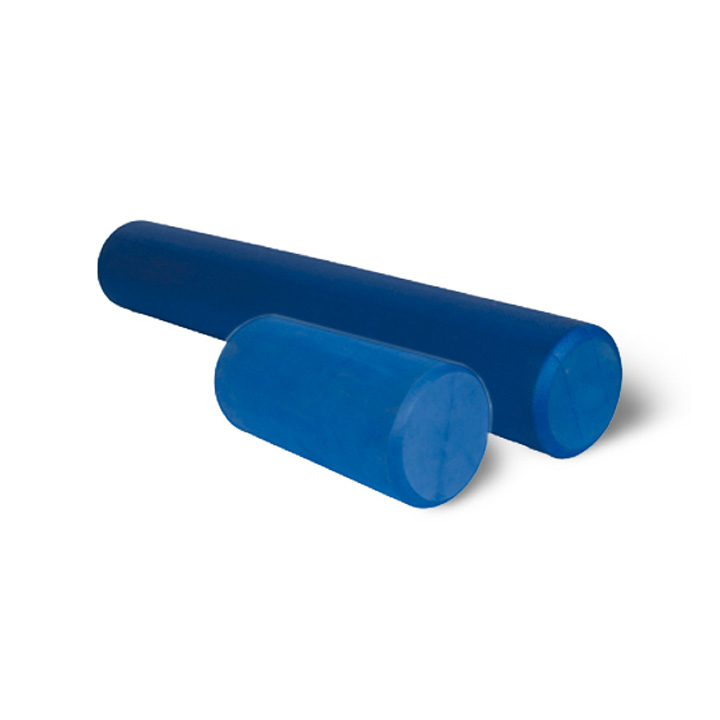 Foam rolling is a self massage technique used to help release tight muscles and trigger points. Using a foam roller allows you to apply pressure and compression to specific points on your body which help to “break up” muscle knots, improve blood flow and aid in the recovery of muscle function. Healthy muscles are elastic, healthy and pain free.
One of the most popular types of massages is a deep tissue massage. The goal of a deep tissue massage is to release chronic muscle tension. The focus is on the deepest layers of muscle tissue, tendons and fascia, which is the protective layer surrounding muscles, bones and joints.
It is always recommended to consult with your healthcare practitioner before you start to introduce a new therapy such as the use of a foam roller. Craig Lawrence, a registered massage therapist at Diversified Health encourages the use of foam rollers between scheduled therapy sessions. Using a foam roller in between your regular massage sessions helps maintain the health of your muscles, by prolonging and nurturing the work that was achieved during your massage session.
Deep compression, by rolling on a foam roller helps to break up and relax tight muscles. The goal of massage therapy or foam rollers is to release trigger points, allow normal blood flow to return, re-establish proper movement patterns and allow the user pain free movement.
Using a foam roller, allows the user the ability to control the healing and recovery process by applying pressure in precise locations. To foam roll properly:
1. Apply moderate pressure to a specific muscle or muscle group using the roller and your body weight
2. Roll slowly, no more than one inch per second
3. Pause for several seconds and relax as much as possible for areas that are tight or painful – after 5-30 seconds the muscle will relax and the discomfort or pain should lessen
4. If an area is too painful to apply direct pressure, use the roller on the surrounding area and talk to your practitioner
5. Do not use foam rollers directly on a joint; the foam roller is meant for muscles and connective tissue only
6. Wait 24-48 hours before focusing on the same area
The foam roller works the same way as a massage, by breaking up the fibrous tissue that has built up so you have better circulation flow, which in turn, reduces soreness.
Remember that the foam roller isn’t a substitute for a practitioner when you’re injured. If your muscles or tissues are inflamed, don’t use a foam roller, you can cause more damage to your body.
If you have any questions regarding the use of foam rollers, please contact Craig Lawrence, RMT at 250-382-0018.
 Regular check-ups are just as important as eating healthy, staying active and getting eight hours of sleep every night. Part of health maintenance is periodically taking a look at your lifestyle, risk factors, and pertinent family history.
Being prepared for an appointment allows you to manage your time efficiently, and enables you to spend more one -on-one time with the doctor.
Here are some basic tips to help you get organized for your next medical appointment:
Always arrive 10 minutes early from your scheduled appointment, so you have time to fill in any paperwork including insurance forms before you see the doctor. Patient history forms tend to ask for the same information, so be ready.
Many clinics make these form available on-line so you can fill them in at home and bring them with you to the appointment.
Know your family history. Doctors are looking for whether immediate family members (parents, grandparents, children, and siblings) have had a particular diseases such as heart disease, diabetes or cancer.
Previous medical history / hospitalizations. Know the dates of any surgeries or hospitalizations. You don’t need to go into a lot of detail unless it’s pertinent to your visit. The doctor can always send for your records if needed.
Have a list of treatments – List the names, treatment types and phone numbers of your other doctors and health care practitioners.
Bring your glasses/aids: Remember to bring your glasses in case you need to fill out forms and bring any items such as orthotics, or braces that you have been using. This can help the doctor assess your condition.
Bring your data. If you’ve been monitoring anything at home like blood pressure, or blood sugars bring your data in with you.
Bring your medications. If you are taking more than one or two medications you might want to bring a list of all medications, and supplements you are currently taking. The list should include the name of the drug, the dosage, and frequency, including any over-the-counter medications.
Write down your questions and concerns. Make a list of what you need to talked to your doctor about. Some clinic have a strict policy that they will only discuss one health concern per visit. Start with your most pressing health concern and be prepared to make a follow up visit to discuss the remaining issues.
During the appointment if you don’t understand something ask for clarification. If you know that your memory is not your strong point, ask a friend to attend with you and ask them to take notes.
The most important part of the appointment is to be honest with your doctor. Don’t hide a bad habit like smoking, drinking, or using recreational drugs. It’s important to share all aspects of your lifestyle with your doctors so they can give you the best care.
 From time to time we all experience stomach discomfort; whether it is from a night of drinking, the flu, food poisoning, or an upset stomach from eating to much rich food.
Here’s a list of some natural remedies to help soothe your stomach discomfort.
Ginger – Ginger aids in digestion, eases stomach pains, and has anti-inflammatory properties. Peel and grate some fresh ginger, mix it in with some freshly squeezed lime or lemon juice and a tablespoon of honey and hot water for a soothing cup of tea. There are also many ginger teas available that you can use if you don’t want to trouble yourself with preparing the tea.
Peppermint – Peppermint tea can offer relief from almost any stomach ailment or gastrointestinal condition; from heart burn, morning sickness to bloating and gas.
Aloe Vera Juice – Aloe Vera juice is readily available at most health food store and is excellent for treating numerous intestinal problems; it helps with gas, bloating, diarrhea, and cramps.
Apple Cider Vinegar – Apple cider vinegar has long been used to assist with digestion and to treat stomach aches. Just put a few teaspoons up to 1 tablespoon of ACV in a glass of cold water, with a tablespoon or two of honey, and drink.
Chamomile Tea- Chamomile contains fairly strong antispasmodic and anti-inflammatory properties, and is quite effective in treating stomach and intestinal cramps.
Baking Soda – Add one teaspoon of baking soda (sodium bicarbonate) to a glass of water, mix well and drink. This fizzy concoction can help relieve stomach pressure and reduce acidity in the stomach.
Cayenne – Cayenne pepper has immune boosting, and detoxifying properties that stimulates the circulatory system and aids in digestion. Use 1/2 teaspoon of cayenne pepper and place it in a mug, pour hot water and stir add some lemon and honey to taste.
Raw Honey – Raw honey has anti-viral, anti-bacterial, and anti-fungal properties. It promotes digestive health, is a powerful antioxidant, strengthens the immune system. Take a spoonful on its own or add it to your favourite tea.
White Rice – White rice is a starchy food that is easy to digest and will coat the lining of your stomach, which will make you feel better.
Live Culture Foods/ Probiotics – Eat a bowl of yogurt that contains live probiotic culture. Probiotics are live bacteria that can ease your tummy discomfort.
There are many possible causes for an upset stomach; food and drink, lifestyle choices, and medical reasons. But we all want to feel better faster, so try these home remedies before you reach for an over-the-counter remedy. If your symptoms persist, please contact your doctor or healthcare practitioner.
 You’ve tried to be sun safe….. but on your last outing you got a sunburn. Now what? To help heal and soothe your damaged, red, sunburned skin, the sooner you start treating the sunburn the better.
Try these home remedies to help with the discomfort from a sunburn.
Try a soothing bath or compresses dipped in any of the following substances to get relief from your sunburn.
A sign of severe sun damage is blistering. If blisters develop, you have a a second-degree sunburn. To treat a blister, simply leave it alone. You’ll have less discomfort and danger of infection if air does not come in contact with the sensitive nerve endings. If you are worried about infection you can use an antibacterial ointment, or an over-the-counter anesthetic that can relieve pain and itching, such as Bactine.
Although it may seem like a temporary condition, sunburns can cause long-lasting damage to the skin. This damage increases a person’s risk for getting skin cancer, making it critical to protect the skin from the sun all year round.
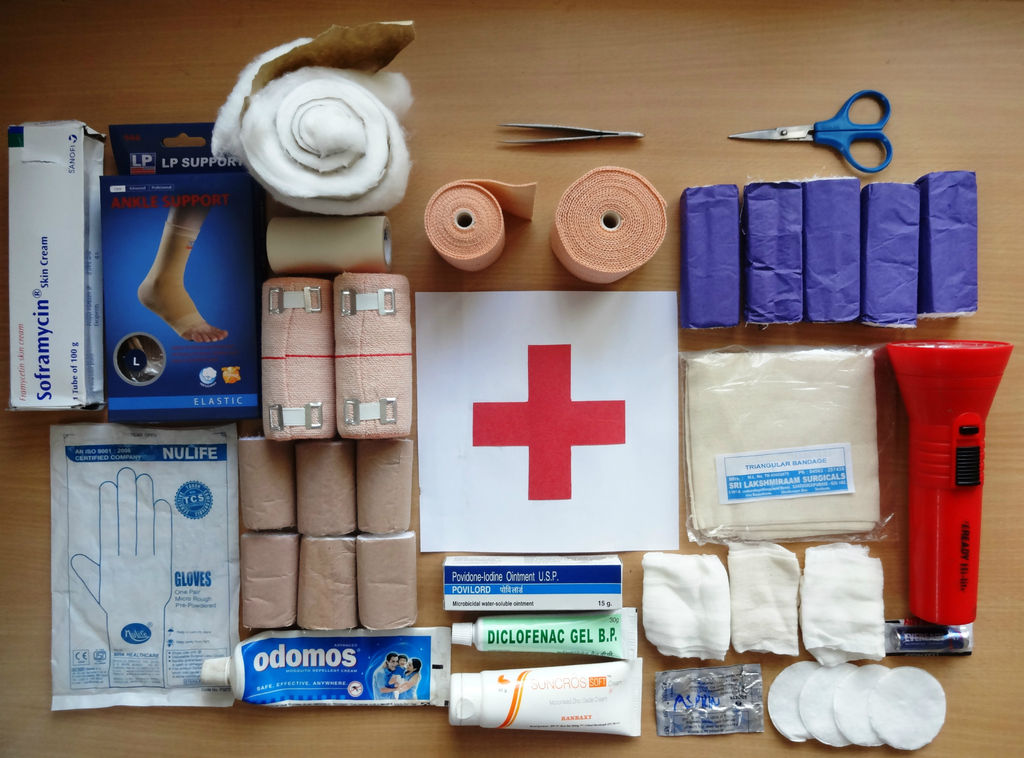 The best part about summer is all the time we get to spend outside; and spending time outside means that they’ll be accidents, and injuries. Here’s what you’ll need to be ready.
When discussing bandages, many people aren’t sure if it is better to leave the wound uncovered or to use a bandage. The best thing you can do is: clean, treat and protect.
Cuts that are left uncovered will dry out and form a scab. A scab can slow down the healing process by creating a barrier between the cut and healthy skin cells. The cells have to grow under the scab in order to form new tissue and heal. If a scab forms, it can be scratch or torn off, which causes a re-injury, and can leave a scare.
Cuts that are covered can prevent a scab from forming, minimizing the chance of scarring, protect from a re-injury, and can prevent exposure to germs and secondary infections.
Whenever you are spending time outside, remember to bring a first aid kit with you. Making a first aid kit is easy, inexpensive and quick – and it could save your life.
Your first aid kit should contain:
“The official Canadian Red Cross First Aid app puts lifesaving advice in your hands. This free app helps you maintain your first aid skills and respond to everyday emergencies. By downloading the app on your smartphone or tablet, you get instant access to videos, simple, step-by-step instructions guide you through everyday first aid scenarios. The preloaded content means you have instant access to all safety information at any time, even without reception or an Internet connection”.
If you are going camping or hiking to a secluded area, you might want to take a first aid course. Most community centres offer inexpensive 2 day or evening classes.
The major benefits of knowing first aid are that it affords people with the ability to provide help during various emergency situations, and that the right methods of medical help are provided.
Accidents will always happen, however, trained individuals with the right first aid equipment can ensure safety for everyone. Without the proper first aid, a simple injury can turn into something much more serious.
The most common form of arthritis is osteoarthritis or degenerative joint disease, which in most cases is the result of repetitive trauma of the joints, and can affect many different parts of the body.
Chiropractic treatments can result in the diminishing of pain by improving ease of movement and decreased fluid build up in the joints that often occurs with arthritic conditions. Chiropractic treatments can also include specialized modalities that help with pain, inflammation and mobility.
Modalities that help with osteoarthritis or degenerative joint disease:
Ultrasound therapy – when applied to soft tissues and joints, sound waves can produce a massaging effect that helps reduce swelling and decrease pain and stiffness.
Neuromechanical therapy – this therapy applies gentle pressure to a specific area of muscle where a patient experiences pain to alleviate that pain and improved mobility.
Class IV K – Laser therapy – this technique uses a non-heat producing laser or light that penetrates deep into the tissue, reducing inflammation, improving circulation, reducing swelling, muscle spasms, stiffness and pain.
eTomis – the eToims devise sends very brief but strong electrical pulses to the areas of irritated nerves, to relaxes nerve fibers, thus relieving muscle pain and restoring function, mobility and quality of life.
Graston Technique – is an instrument-assisted, soft tissue mobilization therapy that safely removes scar tissues and scar tissue adhesions that have occurred as a result of chronic inflammation, injuries, repetitive motion or from old injuries.
Transcutaneous Electrical Nerve Stimulation (TENS) – TENs therapy helps to stimulate pain-inhibiting chemicals in the human body known as endorphins, and block the nerve fibers that are responsible for pain.
Home therapeutic exercises and stretches – These activities are to be completed at home to promote strength and endurance.
Nutrition and supplement – providing diet, nutritional advice and supplements to address inflammation.
Chiropractic treatments can help those who are suffering from arthritis, by reducing pain, stiffness, and restoring the range of motion to joints, improving flexibility and increasing muscle tone and strength.