
Injury Recovery in Greater Victoria, BC - Call us to book an appointment: (250) 382-0018
Diversified Health Clinic
  • Welcome
  • Meet our Team
    • Chiropractic
      • Dr. Matthew Bryan DC
      • Dr. Tessa Bryan DC
      • Dr. Krisjan Gustavson DC
      • Dr. Alexia Grelson DC
    • Physiotherapy
      • Spirit Donahue MPT
      • Kanu Priya MPT
      • Ivy Elling-Quaintance MPT
    • Registered Massage Therapy
      • Morag Hart RMT
      • Craig Lawrence RMT
      • McKenzie Connell RMT
      • Braedan Pearce RMT
      • Alex Baan-Meiklejohn RMT
    • Acupuncture
      • Annie Wang R.Ac R.TCM.P
      • Lauren Ching R.Ac
      • Rebecca Thompson R.Ac R.TCM.P
      • Jun Liu R.Ac
    • Kinesiology / Personal Training
      • Angelina Schaaf BCAK
      • Christian Schwarz BCAK
    • Medical Doctor
      • Dr. Ian Hyams MD
      • Jennifer Blum, EMSELLA
    • Clinical Counsellor
      • Laura Grohovac CCC
    • .
  • About
    • Our Clinic
    • Careers
  • Disciplines
    • Disciplines
      • Chiropractic
      • Physiotherapy
      • Registered Massage Therapy
      • Kinesiology
      • Acupuncture
      • Clinical Counselling
      • Medical Doctor
      • Personal Training
    • Treatments
      • Shockwave Therapy
      • Spinal Decompression
      • IMS (Intramuscular Stimulation)
      • Pelvic Floor Physiotherapy
      • EMSELLA
      • Class IV K Laser Therapy
      • Orthotics
      • eToims Needle-less IMS
  • Conditions
    • Plantar Fasciitis
    • Running Injuries
    • Allergies
    • Concussion Treatment
    • Bursitis
    • Tennis Elbow
    • TMJ Disorder
    • Automobile Collisions
    • Nerve Pain with Sciatica
    • Sport Injuries
    • Stress
    • Runner’s Knee
    • Vertigo & Vestibular Rehab
    • Concussions
  • Pricing
  • News & Events
    • News
    • Events
    • Practitioners In Focus
    • Exercise Library
  • Contact
  • ICBC Claims
  • Book Now!
  • News
  • Menu Menu
  • Link to Facebook
  • Link to Instagram
  • Link to X
  • Link to Youtube
  • Link to Rss this site
  • Link to Mail
  • Welcome
  • About
    • Meet our Team
    • Our Clinic
    • Careers
  • Disciplines
  • Conditions
  • Pricing
  • News
    • News & Advice
    • Practitioners In Focus
  • Contact
  • ICBC Claims
  • Book Now!
Health Information

5 Easy Stress Busters

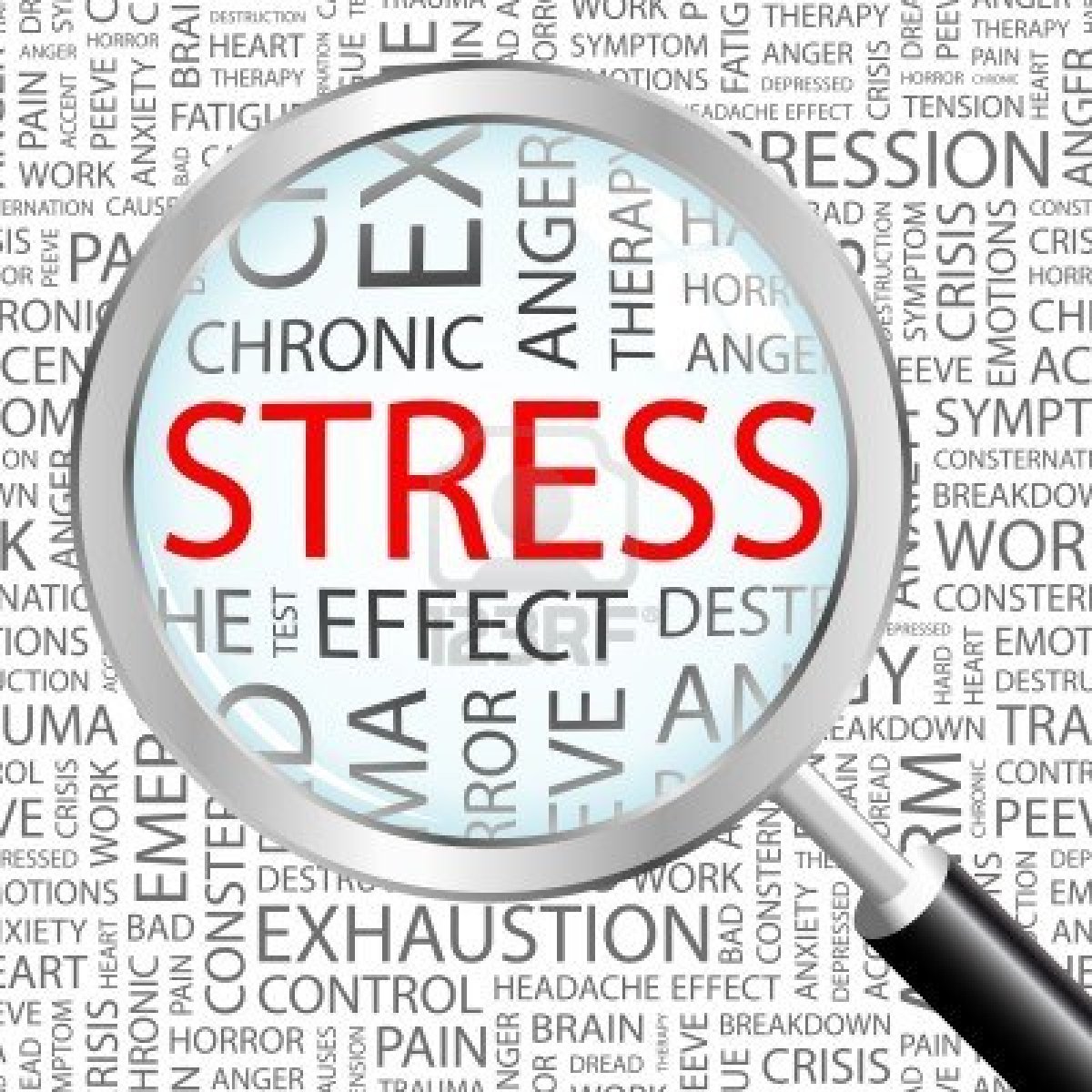
stressed123The definition of stress is the result of any emotional, physical, mental, or social factor that requires a response or change.  Stresses can be physical, metabolic – such as an illness, or psychosocial – such as a death, divorce, or job loss.

Stress is categorizes as either acute or chronic.  Acute stress is the body’s immediate response to a perceived threat, while chronic stress results when a stressful situation persists over time.  Chronic stress can contribute to the breakdown of many bodily systems, such as your immune system.

Try these 5 tips the next time you are starting to feel stressed:

Spend time with friends and family

Talking with a trusted and loved friend or family member can reduce your feeling of stress by increasing your production of cortisol. Cortisol functions is to reduce inflammation in the body, however,  keeping cortisol levels  high over time can negatively affect your immune system.

Eat your dessert

Eating something sweet like chocolate (in moderation) is helpful in reducing stress because it helps to reduce the production of the stress hormone, glucocorticoid.

Take potassium
Research shows that increasing your potassium levels can help protect your body from the negative effects of stress by regulating your blood pressure.  One of the easiest ways to increase your potassium is to eat a banana.

Listen to the music you love
Listening to music you love; whether it’s classical, jazz or pop will fill your brain with feel-good neurochemicals like dopamine.

Walking outside
A 10 minutes walk in a park or green space can clear your head and boost endorphins which will reduces stress hormones.

Exercise
Personal trainer Ulrick Bien-Aimé had been working with stressed out clients for years – he has made these four moves mandatory (hold each pose for 15 seconds).

1. “Start by lying on your back with your legs straight and your hands on your abdomen, about two inches below your navel. Inhale slowly through your nostrils and focus on pulling in your belly. Exhale gradually while pushing your abdomen toward your back”.

2. “Next, bring your knees to your chest while continuing to inhale and exhale. Remember not to hold your breath—whenever you extend or exert energy, you should exhale”.

3. “Place your legs straight on the floor, then lift your right leg and bend it at the knee so your leg is at a 90-degree angle to the floor. Bring your right knee across your body until it touches the floor, making sure your shoulders remain flat. With your left hand, push down your knee to increase the stretch. Mirror this exercise on your left side”.

4. “Finally, lie flat on your back, and pull in your feet until the soles are touching to create a diamond shape on the ground. Spread your knees apart as far as possible and apply pressure with your hands. Pay attention to the parts of your body that begin to feel release—those are likely the places where you tend to trap tension”.

Try adapting your exercise to the type of stress you are dealing with.  If you are feeling out of control, try rhythmic exercise such as running, or swimming. If you feel you need to focus try yoga or Tai Chi and if you are feeling angry, try exercises like boxing or karate.
April 16, 2015/by Carmen Scott
0 0 Carmen Scott https://www.diversifiedhealth.ca/wp-content/uploads/2026/01/DiversifiedHealth-logo.png Carmen Scott2015-04-16 11:23:512026-09-27 23:44:115 Easy Stress Busters
Health Information

Burnout – It’s What Happens After Stress

stress-article-1People who are dealing with stress, would like to have no stress in their lives; but that’s not realist. What they should be aiming for, is how to mange their stress.   Stress can increase the risk of conditions like heart disease, diabetes, depression; and can worsen many preexisting medical conditions.    Stress can affect you both instantly (acute stress) and over time (chronic stress).

Physical symptoms of stress include:

  • Increased heart rate and breathing
  • Headaches/ Migraines
  • Stiff neck /Shoulders
  • Back pain
  • Upset stomach

Emotional symptoms of stress include:

  • Feeling irritable & frustrated
  • Unable to deal with day to day effectively
  • Losing your temper more often
  • Loss of energy
  • Hard to focus on tasks

Long-term exposure to stress can lead to serious health problems. Chronic stress can suppress the immune system, increase the risk of stroke, and speed up the aging process. Whether the stress is physical or psychological, the body’s reaction to the stress has the same outcome.  Our bodies can handle small doses of stress, but they are not equipped to handle chronic stress without consequences.

What is burnout?

Burnout is a state of emotional, mental, and physical exhaustion caused by prolonged stress. Burnout happens as a by product of chronic stress. Burnout is a gradual process that occurs over time, and left unchecked, can lead to severe depression, and life threatening illnesses.

Physical symptoms of burnout include:

  • Feeling tired and drained most of the time
  • Change in appetite or sleep habits
  • Frequent headaches, back pain, muscle aches

Emotional symptoms of stress include:

  • Feeling of helplessness and hopelessness
  • Unable to deal with day to day issues
  • Feel tired all the time
  • Negative thoughts

 Behavioral symptoms of burnout

  • Withdrawing from responsibilities / Loss of motivation
  • Isolating yourself from others / disengagement
  • Using food, drugs, or alcohol to cope
  • Not sleeping

Help lower your stress levels by following these simple stress relief tips:

  • Deep breathing –  Just a few minutes of deep breathing can calm the physiologic stress response, such as shallow breathing, rapid heart beat and increased blood pressure.  One advantage to deep breathing for stress relief is that you can do it whenever you need it.
  • Avoid stress by managing your time and your commitments. Prioritize your tasks and activities for the day or week and rate how important or urgent they are.  At the same time,think about how you can redirect your time to activities that are important and meaningful to you.
  • Give yourself a time out – Taking five to ten minutes to step back and take a deep breath can help your body with the “fight or flight” response that stress causes. A few minutes of down time can help you deal with the issue at hand in a more calm and relaxed manner.
  • Physical activity is the number one way you can reduce the effects of stress. Exercise is a powerful stress reliever. Try to incorporate at least 30 minutes of exercise everyday.
  • Eat a healthy diet, and reduce your caffeine, alcohol, nicotine and sugar intake.
  • Relaxation techniques such as yoga, tai chi, and meditation can help the body to relax, and de-stress. These techniques can be used just before bed to help with sleep.
  • Get plenty of sleep – Keeping a sleep schedule and aim for 7-8 hours of sleep a night.

Help prevent burnout by following these simple tips:

  • Start your day with a relaxing ritual, such as stretches, yoga or hanging out with your pet.
  • Healthy eating, exercising, and sleeping habits will give you the energy and resilience to deal with life.
  • Set boundaries and remind yourself that saying “no” allows you to say “yes” to the activities that you enjoy.
  • Set a time each day when you completely disconnect from the outside world and have a “me” moment.
  • Creativity is a powerful antidote to burnout.  Choose activities that make you happy, like starting a fun project, getting a massage, or volunteering at something you strongly believe in.

Managing your stress involves changing the stressful situation when you can, changing how you react to those situations, and taking care of yourself by making time for rest and relaxation.

April 13, 2015/by Carmen Scott
0 0 Carmen Scott https://www.diversifiedhealth.ca/wp-content/uploads/2026/01/DiversifiedHealth-logo.png Carmen Scott2015-04-13 08:19:532026-09-27 23:44:11Burnout – It’s What Happens After Stress
Health Information

Preventing Tooth Decay and Gum Disease

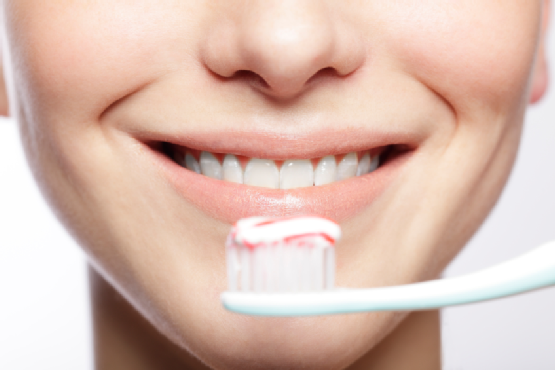
dental-careHere are a few dental care tips to help prevent tooth decay and gum disease, and keep your teeth healthy.

What is tooth decay?  Enamel is the hard outer coating on all your teeth.  The bacteria in your mouth, produces acids that cause plaque, which harms the tooth enamel.  Over time, the acids can cause a hole in the enamel – a cavity.  Daily brushing and flossing can protect you from tooth decay, cavities and gum disease.

What is gum disease?  Gum disease appears when plaque builds up along and under the gum line. The plaque causes infections – called gingivitis. Like tooth decay, gum disease can often be fixed by daily brushing and flossing.

What can you do to prevent tooth decay and gum disease?

  • Brush your teeth at least twice a day. Brush once in the morning and once before bed, remembering to floss your teeth once a day, and always rinse after you floss. Always brush with a light hand as brushing too often or too hard can damage your gums.
  • Brush your teeth for a minimum of two minutes. Two minutes is the minimum time you need to clean all of your teeth; so keep time with your smart phone, set an alarm, hum a tune…anything that lasts two minutes.  That’s one minute for your top teeth and one minute for your bottom teeth.
  • Throw away your toothbrush every three months, or after an illness. Your tooth brush harbours bacteria from your mouth. (It goes without saying, but you should never share your tooth brush with anyone).
  •  Clean your tongue with a tongue scraper or a tooth brush every morning to remove tongue plaque and freshen your breath.
  • Fruits and veggies that are crisp, and crunchy such as carrots, celery, and apples can help clean your teeth throughout the day.  The acid in sugary food and carbonated drinks dissolves tooth enamel, an encourage the growth of bacteria, which produces plaque, and plaque can lead to tooth decay and cavities.

  • Keep hydrated with water to help keep teeth stains to a minimum, flush bacteria out of your teeth and mouth, helping with  less risk of gum disease, fewer cavities and fresher breath.

  • Never use your teeth for anything other than eating. Using your teeth as tools, such as opening bags or cracking nuts will cause damage.

  • Never chew hard foods such as hard candy or ice. Chewing hard foods creates tiny fractures in the enamel and over the years, this habit can result in major cracks and the need for tooth repair.

Practicing good oral hygiene will help to ensure you have a healthy, beautiful smile.

March 30, 2015/by Carmen Scott
0 0 Carmen Scott https://www.diversifiedhealth.ca/wp-content/uploads/2026/01/DiversifiedHealth-logo.png Carmen Scott2015-03-30 12:16:212026-09-27 23:44:11Preventing Tooth Decay and Gum Disease
Health Information

Eye Health

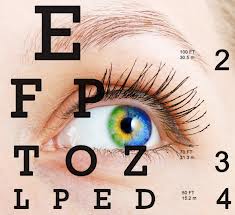
imagesPart of body maintenance is having a yearly physical, visiting the dentist once or twice a year,  as well as seeing a healthcare practitioner (physiotherapist, massage therapist, chiropractor, acupuncturist) however, most of us forget to book a yearly appointment with an optometrist about our eye health.

Part of good eye health is being preventative….. here are some guidelines to help you get started.

Wear Protective Glasses

Protective eye wear are safety glasses that are designed to provide protection from activities that could be a risk to your eyes, such as playing sports, operating equipment at work, or using chemical at home .

No Smoking

Research has linked smoking to an increased risk of developing age-related macular degeneration, and cataracts; all of which can lead to blindness.

Wear Sunglasses

Sunglasses protect your eyes from the sun’s ultraviolet rays. Purchase sunglasses that block out 99 to 100 percent of both UVA and UVB radiation.

Exercise Your Eyes

When you spend large amounts of time working on computers, tablets, e-readers, and other devices with visual displays your eyes can get fatigued, and you can suffer from digital eye strain and computer vision syndrome. Try the 20-20-20 rule, which will help reduce eyestrain: Every 20 minutes, look away about 20 feet in front of you for 20 seconds. Looking far away relaxes the focusing muscle inside the eye to reduce fatigue.

Adjust the Lighting

Eye strain can be caused by bright light, either coming in through window (sunlight) or from interior lighting. Eliminate bright light and minimize glare, by closing the blinds or by turning off some of the overhead lights; and position your computer monitor so that it’s not directly in front or behind a window.

Invest in a LCD Screen

LCD screens are easier on the eyes and usually have an anti-reflective surface.  Also try to work at a display screen that has a diagonal screen size of at least 19 inches.

 Adjust the Display Settings on your Device.

Get in the habit of adjusting the brightness, text size, colour and contrast of the display screen you are working on. Be aware of your surrounding and adjust accordingly.

Take Frequent Breaks

To reduce your risk for computer vision syndrome and neck, back and shoulder pain, take frequent breaks throughout your work day.  For every hour of sitting, take a 10 minute break where you move around and stretch to reduce tension and muscle fatigue.

Modify Your Workstation

Adjust your workstation and chair to the correct height. You are at the correct height when your head and neck are upright and in-line with your torso. Position your computer display so the top of the screen is slightly below eye level; this will allow you to view the screen without bending your neck.

Like all body maintenance, taking care of your eyes will help ensure that you will enjoying a lifetime of healthy vision.

March 26, 2015/by Carmen Scott
0 0 Carmen Scott https://www.diversifiedhealth.ca/wp-content/uploads/2026/01/DiversifiedHealth-logo.png Carmen Scott2015-03-26 12:09:272026-09-27 23:44:11Eye Health
Health Information

4 Health Trends of 2015

senior cyclistEvery year new health trends emerge, and this year the trends are less about fads, and more about slowing down, keeping track of your health and getting back to nature.

Mindful eating

Mindful eating means choosing foods with intention and attention, which means being aware of taste, texture, smell and chewing your food slowly.  Slower eating can equal fewer calories, which can be helpful in maintaining an ideal weight.

Mindful eating also means being aware of what you are eating.  Stop eating in front of the TV (Autopilot Eating) and be attentive and present when you eat.  Mindful eating requires you to ask yourself “Are you Hungry” before you eat…. this can help you decide if you are truly hungry, or are you bored, or eating because you are feeling stressed.

Wearable technology

Wearable technology,  and devices, incorporate computers and electronic technologies to help us pay more attention to our heath and our life choices.

Having the ability to track activities and provide actual stats can help to motivate us to move more, consume fewer calories or get more sleep.  The more you pay attention to healthy choices and behaviours, the more likely you are to choose positive and healthier choices.

Functional fitness

Functional fitness exercises train your muscles to help and prepare you do everyday activities you do at home or at work, such as yard work, and household chores.

Instead of working one specific muscle group at a time, functional fitness uses several muscles during a single movement. (Push-ups, planks, and lunges). Functional exercises tend to be multi-joint, multi-muscle exercises, such as Tai chi and Pilates.

Daily doses of nature and green space

Getting outside for even 15 minutes a day can make a big difference to our mental and physical well being.  Nature and green spaces improve immune function and reduces stress.

“A Japanese therapy called “forest bathing” involves spending deliberate time in nature and actually boosts immune function. Natural killer cells are critical for proper function of the innate immune system; one of their most important functions is to eliminate tumors. And just a single day trip to a forest park can increase NK cell number and activity, as well as upregulate anti-cancer proteins, for up to a full week”. 

A lack of natural light can play havoc with your circadian rhythm, which can effect your sleep habits. The more physical activity and natural sunlight you get, the better your sleep and overall health routine will become.

March 23, 2015/by Carmen Scott
0 0 Carmen Scott https://www.diversifiedhealth.ca/wp-content/uploads/2026/01/DiversifiedHealth-logo.png Carmen Scott2015-03-23 07:48:142026-09-27 23:44:114 Health Trends of 2015
Health Information

Guidelines to Clean Eating

legumesThe term eating clean, is a life style that embraces healthy, whole, unprocessed foods.  The main principles of eating clean is to choose whole foods over processed foods, and to choose unrefined foods over refined foods.

Eating clean is not a diet, it’s a healthy lifestyle that practices avoiding processed and refined foods and concentrating on  eating whole foods.

The 2 Basic Principles of Eating Clean:

1. Avoid processed and “junk foods”.  Processed foods are anything that has been handled by manufacturing and comes in a box, bag, or package.   Processed foods always come with a label, and a label means that more than one ingredient has been used or added.  Clean foods contain just one or two ingredients. Any product with a long ingredient list has been manufactured.

2. Choose whole foods: Whole foods are foods that are in their natural state, with nothing added.

Clean Eating Guidelines:

Try to eat clean, 80% of the time.

1. Increase whole grains – these are grains that are still complete and haven’t been broken down in any form. Examples include: brown rice, whole wheat and quinoa.

2. Eat plenty of vegetables and legumes. Consume as many different veggies in different colors as you can get, and eat them as often as possible.

3. Eat fruits in moderation.

4. Eliminate as much refined sugar as possible by substituting “clean sugars” such as honey, and maple syrup.

5. Avoid all processed or refined foods (sugar, baked goods, white flour, white rice, etc) Processed foods are usually high in chemical additives, trans fats, salts and refined sugars.

6. Avoid artificial ingredients and preservatives.

7. Avoid saturated and trans fats, and opt for healthier fats such as olive oil, and coconut oil.

8. Include whole meats – that’s meat you have purchased directly from a farmer or butcher

Whatever eating habits you adopt, eating more of the healthy options and eating less of the not-so-healthy options just makes sense. One of the easiest way to cut processed foods out of your diet is to eat at home. When you make your own food, you know exactly what’s in it.

March 16, 2015/by Carmen Scott
0 0 Carmen Scott https://www.diversifiedhealth.ca/wp-content/uploads/2026/01/DiversifiedHealth-logo.png Carmen Scott2015-03-16 13:04:242026-09-27 23:44:11Guidelines to Clean Eating
Health Information

Mushrooms…What Are They Good For?

mushrooms3Mushrooms are classified as vegetables, but they aren’t technically plants, they belong to the fungi kingdom, and they contain important nutrients, vitamins, and minerals.

Mushrooms provide several important nutrients, as well as being low in sodium, fat, cholesterol, and calories.  Mushrooms may help prevent chronic disease due to the presence of antioxidants and beneficial dietary fibers such as chitin and beta-glucans.

Mushrooms are rich in B vitamins such as riboflavin, folate, thiamine, pantothenic acid,  and niacin. They are the only vegan, dietary source of vitamin D.

Mushrooms also provide several minerals such as selenium, potassium, copper, iron, and phosphorus.

Excellent source of selenium

Selenium is a mineral that is not present in most fruits and vegetables but can be found in mushrooms. It plays a role in liver enzyme function, and helps detoxify some cancer-causing compounds in the body.  Several types of mushrooms are rich in this essential trace mineral: 100 grams of raw crimini have 47 percent of your daily needs, shiitakes have 45 percent and raw white button have 17 percent.

Rich source of Vitamin B2 and B3

Mushrooms contain high levels of vitamin B2 (riboflavin) and vitamin B3 (niacin): 100 grams (31/2 ounces) of crimini have 44 percent  – that’s 30 percent of your daily recommended amount.

Rich source of Vitamin D

The vitamin D in mushrooms has been shown to inhibit the growth of cancer cells by contributing to the regulation of the cell growth cycle. The folate in mushrooms plays an important role in DNA synthesis and repair, thus preventing the formation of cancer cells from mutations in the DNA.

*Mushrooms that have been grown in the dark and have not been exposed to either sun light  or by a brief zap of ultra violet light, will not contain the same levels of vitamin D.

Improves immune function:

Long chain polysaccharides  such as alpha and beta glucan molecules, are responsible for the mushrooms’ beneficial effect on the immune system. Mushrooms may increase the production of antiviral and other proteins that are released by cells while they are trying to protect and repair the body’s tissues.

Selenium has also been found to improve immune response to infection by stimulating production of killer T-cells. The beta-glucan fibers found in the cell walls of mushrooms stimulate the immune system to fight cancer cells.

High in antioxidants

Antioxidants are the “substances” that help fight free radicals that are the result of oxidation in our body.  Mushrooms contain just as high an antioxidant capacity as carrots, tomatoes, and red peppers.

So the next time you’re at the grocery store, try adding some mushrooms into your diet.

March 12, 2015/by Carmen Scott
0 0 Carmen Scott https://www.diversifiedhealth.ca/wp-content/uploads/2026/01/DiversifiedHealth-logo.png Carmen Scott2015-03-12 11:19:362026-09-27 23:44:12Mushrooms…What Are They Good For?
Health Information

Coffee, Tea and Caffeine

coffee-teaCaffeine has many effects on the body’s metabolism, and is naturally found in certain leaves, beans, and fruits of over 60 plants worldwide.

Studies have shown that moderate consumption of caffeine, whether in coffee or tea may reduce your risk of diabetes, Parkinson’s disease, Alzheimer’s disease, and certain cancers.

Facts on Tea & Coffee:

  • White tea is unfermented and offers the most powerful antioxidant levels of all the teas.
  • Black tea is made from fermented leaves and has the lowest levels in monomeric catechins due to the fermentation process, which have been linked to cancer prevention.
  • Green tea is full of antioxidants that may help prevent different types of cancer including breast, lung and stomach.
  • White tea has the highest concentration of antioxidants and may actually be more effective preventing some diseases than green tea.
  • Tea contains fluoride which protects teeth.
  • Tea hydrates.
  • Studies have shown that tea helps prevents the development of type 1 diabetes.
  • Tea protects against lung cancer.
  • Coffee caffeine has been linked to improved memory recall and may also help prevent Alzheimer’s, heart disease, type 2 diabetes and can help ease asthma attacks.
  • Caffeine increases the effectiveness of pain killers.
  • Coffee protects the liver, against cirrhosis and cancer.
  • Coffee improves short term recall as well as improves reaction times.
  •  Green and black teas contain anti-inflammatory antioxidants that are good for preventing and managing arthritis, memory problems, and cataracts.
  • Drinking tea too hot increases the risk of esophageal cancer.
  • White tea may help prevent obesity by inhibiting the growth of new fat cells.
  • Caffeinated coffee has been shown to help prevent memory loss and decrease the risk of certain cancers.
  • Drinking coffee over a long period of time, may reduce the risk of dying from heart disease and are less likely to suffer from Alzheimer’s disease later in life.
  • Over 1000 chemicals have been found in roasted coffee with 19 being known carcinogens.

Caffeine amounts per an average cup ( 8oz/237 ml):

Tea:        Black tea 90mg     White tea 75mg      Green tea 50mg

Coffee:   Brewed 135mg       Espresso 40mg

*espresso is served in much smaller volumes, so less caffeine; from a volume perspective, espresso has much more caffeine than brewed coffee. 

Caffeine intake levels:

  • a low to moderate intake is 130 mg-300 mg per day
  • a moderate is 200 mg-300 mg per day
  • high doses are above 400 mg per day
  • heavy caffeine consumption is more than 6,000 mg/day.

As with most things in life: everything in moderation including drinking coffee and tea.

March 9, 2015/1 Comment/by Carmen Scott
0 0 Carmen Scott https://www.diversifiedhealth.ca/wp-content/uploads/2026/01/DiversifiedHealth-logo.png Carmen Scott2015-03-09 10:51:022026-09-27 23:44:12Coffee, Tea and Caffeine
Health Information

What is Purple Day?

Purple day logo jpegMarch is Epilepsy Awareness Month in Canada, and Purple Day is celebrated annually on March 26th to increasing awareness about epilepsy and to reduce the stigma around epilepsy.

Purple Day was founded in 2008 by nine-year-old Cassidy Megan of Nova Scotia, and named after the internationally recognized colour for epilepsy, lavender.

Epilepsy is more common than Parkinson’s Disease, and Multiple Sclerosis. Approximately 40,000 people in BC and 300,000 in Canada have epilepsy. About 65 million people worldwide have epilepsy.

Epilepsy is a central nervous system disorder that affects the nerve cell activity in your brain, causing seizures. During seizures, you may experience abnormal behavior, symptoms and sensations, including loss of consciousness.

What is a seizure?

An epileptic seizure is an abnormal burst of electrical activity arising within the brain. There are many different types of seizures. The kind of seizure a person has depends on which part and how much of the brain is affected by the electrical disturbance that produces seizures. A seizure can take many different forms including a blank stare, muscle spasms, uncontrolled movements, altered awareness, odd sensations, or a convulsion.

Epilepsy can be present at any age although its onset is most often in childhood or in the later years of life. Sometimes those who develop seizures during childhood outgrow their seizures. In the elderly, there is an increased incidence due to strokes and aging of the brain.

What should you do when someone is having a seizure?

1. Stay calm
2. Protect the person from injury by cushioning their head, moving objects out of their way, and loosening tight clothing
3. As soon as possible, gently turn the person onto their side
4. Stay with the individual until consciousness is fully regained
5. Be reassuring and comforting afterwards

An ambulance should be called if a seizure lasts for more than five minutes, for a first time seizure – no known history, or if a person is injured, pregnant, or has diabetes.

For more information on how you can get involved on Purple Day; click Join the Campaign.

Please wear purple on March 26, 2015 to promote epilepsy awareness world-wide.

March 2, 2015/by Carmen Scott
0 0 Carmen Scott https://www.diversifiedhealth.ca/wp-content/uploads/2026/01/DiversifiedHealth-logo.png Carmen Scott2015-03-02 12:33:122026-09-27 23:44:12What is Purple Day?
Health Information

7 Common Running Injuries and How to Avoid Them

marathon-runners-580x387Whether your just starting out or you’ve been running for years… injuries don’t have to be part of life.   Below are a few of the most common running injuries and how to avoid them.

Runner’s Knee:
Patellofemoral pain syndrome (PFPS) or “runner’s knee,” is an irritation of the cartilage on the underside of the patella (kneecap). Runners knee can happen if you suffer from excessive inward foot rolling, (Overpronation ) over-training, and if you have weak quads, hips, or glutes.

The repetitive force of running on pavement, downhill running, or weak hips can put extra stress on the patella. To reduce the risk of patellar tendinitis, strengthen the hamstrings and quads.  Change your running route, and stick to flat terrain, and opt for a softer running surface and shorten the length of time you’re training.  To treat the pain, you can try knee taping,  icing, anti-inflammatory medications, and Physiotherapy to help soothe and strengthen the tendon.

Achilles Tendinitis:
The Achilles tendon connects the two major calf muscles to the back of the heel. Under stress the tendon tightens and becomes irritated. Achilles Tendinitis can occur if you dramatically increase training or wear tight, improper footwear or have weak calves.

To help prevent Achilles Tendinitis always stretch the calf muscles post-workout, and wear supportive shoes.  Stick to flat terrain as climbing hills puts extra stress on tendons. To treat the pain, you can use anti-inflammatories, stretching,  the R.I.C.E strategy (rest, ice, compression, and elevation) and chiropractic and physiotherapy.

Plantar Fasciitis:

Plantar fasciitis are small tears or inflammation of the tendons and ligaments that run from your heel to your toes, Runners with high or very low arches can be vulnerable. Other causes are extreme pronation (foot rolls inward) or supination (foot rolls outward)  and wearing unsupportive footwear. Try wearing runners that have extra support and extra cushion, start wearing custom orthotics and try stretching and rolling a tennis ball over the heel.

Shinsplints:
Shinsplints refers to medial tibial stress syndrome; shin splints occur when the muscles and tendons covering the shinbone become inflamed, or small tears occur in the muscles around your tibia (shin bone).

Shinsplints can occur by wearing the wrong runners or old runners.  Make sure that your runners are the correct size and shape for your arch and foot and try to run on softer terrain whenever possible.  To treat the pain, you can use anti-inflammatories,  the R.I.C.E strategy (rest, ice, compression, and elevation) and chiropractic and physiotherapy.

IT Band Syndrome:

Your iliotibial (IT) band is a tendon that connects your knee to your hip. IT band syndrome (ITBS) results when this tendon becomes inflamed. IT Band Syndrome can be caused by downhill running, always running on the same side of the road and having weak hips.

To treat the pain, you can use anti-inflammatories,  the R.I.C.E strategy (rest, ice, compression, and elevation) chiropractic, physiotherapy and foam rolling to help reduce pain.​

Ankle sprain:

A sprain occurs when the ankle rolls in or outward, stretching the ligament.  The most common culprits are curbs, potholes, and tree roots.  Aim for several days of rest after a sprain occurs; how long depends on the sprain’s severity, so see  your health care practitioner. You can also try taping the ankle to prevent re-twisting.

Pulled muscles:

When a muscle is overstretched, fibers and tendons can tear and cause a pulled muscle.  Overuse and no warm-up stretches are a few preventable reasons why you would suffer from a pulled muscle. Make sure to include a proper warm-up, cool-down, and dynamic stretching pre-workout to avoid a pulled muscle.

To minimize the aches and pains, consider these tips to help keep you injury free:

Don’t increase the mileage by more than 10 percent each week. Upping your distance unexpectedly is the main reason why overuse injuries occur!

Remember to incorporate warm up and cool down exercises into each run to prepare the body for the activity that’s about to start.

Make sure to use correct running  form/technqie so that your body is smooth and effieicent as you run. Imbalances in your body mechanics  can lead to problems later on.

Keep track of how many kilometers you are running and replace your runners every 400 kilometers.

Avoid running on uneven surfaces that put unnecessary stress on ligaments.

Strength train can increase structural fitness which helps bones, ligaments, tendons, and muscles endure all that running.

Make sure to schedule and take at least one rest day off per week and at least one lighter activity day per week.

Having a training plan will keep you on track to meet your goals, and ensure that you build up your workout time gradually enough that you don’t get injured.

February 26, 2015/by Carmen Scott
0 0 Carmen Scott https://www.diversifiedhealth.ca/wp-content/uploads/2026/01/DiversifiedHealth-logo.png Carmen Scott2015-02-26 11:00:182026-09-27 23:44:127 Common Running Injuries and How to Avoid Them
Page 24 of 48«‹2223242526›»

Search our Blog

Search Search

Topics of Interest

Acupuncture Back Pain Chronic Back Pain Chronic Pain Custom Orthotics Diversified Health Clinic Victoria BC Dry Needling eToims exercise fitness Foot pain GoodLife Fitness Victoria Marathon Headaches Health Care Victoria Health Tips Healthy lifestyle Immune System IMS Inflammation Joint Pain Knee Injuries Low Back Pain Marathons Massage Therapy Migraines natural health practitioner orthotics Pain management Pain Relief Physiotherapy physiotherapy victoria bc Plantar fasciitis Registered Massage Therapy Runner's knee Running Seasonal Allergies Skin Cancer Spinal Decompression Sports Injuries Stress Stretches Sunscreen Victoria therapeutic massage Vitamins walking

Categories

  • Acupuncture
  • Athletic Therapy
  • Chiropractic Care
  • Exercise Library
  • Fitness
  • Guest Bloggers/Articles
  • Health Information
  • Massage Therapy
  • News
  • Orthotics
  • Physiotherapy
  • Practitioners in Focus
  • Uncategorized
  • Victoria Healthcare News
  • Video Library

Archive

News & Events

  • Tension Headaches and Migraines: How to Tell Them Apart, What Helps and When to Get Checked October 6, 2026
  • Sciatica: Nerve Pain or Tight Muscle? Signs, Self-Care and When to Get It Checked October 6, 2026
  • Low Back Pain: Why It Happens, What Helps, and When to Get It Checked October 6, 2026
  • Neck Pain and “Tech Neck”: Causes, Desk Fixes and When to Get It Checked October 2, 2026
  • CryoDerm in Victoria: Cold vs. Heat, How to Use It, and Where to Get It September 26, 2026
  • How to Heal Your Pelvic Floor After Giving Birth | Pelvic Floor Physiotherapy Guide July 30, 2026
  • The Benefits of Shockwave Therapy Treatments February 28, 2023

PainHero Community Partner badge for Victoria

patients choice winner

A Victoria, BC Chiropractor winner of the Patients’ Choice Awards.Verified by Opencare.com

Diversified Health Clinic

The Mosaic Building
1063 Fort St, Victoria, BC
V8V 3K5, Canada
250-382-0018
Monday7 a.m. – 7 p.m.
Tuesday7 a.m. – 7 p.m.
Wednesday7 a.m. – 7 p.m.
Thursday7 a.m. – 7 p.m.
Friday7 a.m. – 7 p.m.
Saturday9 a.m. – 4 p.m.
Sunday8 a.m. – 2 p.m. (physiotherapy only)
© Copyright - Diversified Health Clinic. Website by Victoria's iDreamDigital.
  • Link to Facebook
  • Link to Instagram
  • Link to X
  • Link to Youtube
  • Link to Rss this site
  • Link to Mail
Scroll to top Scroll to top Scroll to top

This website uses cookies to understand how the site is used and to measure our advertising.

Privacy PolicyDismiss

Cookie and Privacy Settings


How we use cookies

We may request cookies to be set on your device. We use cookies to let us know when you visit our websites, how you interact with us, to enrich your user experience, and to customize your relationship with our website.

Click on the different category headings to find out more. You can also change some of your preferences. Note that blocking some types of cookies may impact your experience on our websites and the services we are able to offer.

Essential Website Cookies

These cookies are strictly necessary to provide you with services available through our website and to use some of its features.

Because these cookies are strictly necessary to deliver the website, refusing them will have impact how our site functions. You always can block or delete cookies by changing your browser settings and force blocking all cookies on this website. But this will always prompt you to accept/refuse cookies when revisiting our site.

We fully respect if you want to refuse cookies but to avoid asking you again and again kindly allow us to store a cookie for that. You are free to opt out any time or opt in for other cookies to get a better experience. If you refuse cookies we will remove all set cookies in our domain.

We provide you with a list of stored cookies on your computer in our domain so you can check what we stored. Due to security reasons we are not able to show or modify cookies from other domains. You can check these in your browser security settings.

Other external services

We also use different external services like Google Webfonts, Google Maps, and external Video providers. Since these providers may collect personal data like your IP address we allow you to block them here. Please be aware that this might heavily reduce the functionality and appearance of our site. Changes will take effect once you reload the page.

Google Webfont Settings:

Google Map Settings:

Google reCaptcha Settings:

Vimeo and Youtube video embeds:

Privacy Policy

You can read about our cookies and privacy settings in detail on our Privacy Policy Page.

Privacy Policy
Accept settingsHide notification only