
Injury Recovery in Greater Victoria, BC - Call us to book an appointment: (250) 382-0018
Diversified Health Clinic
  • Welcome
  • Meet our Team
    • Chiropractic
      • Dr. Matthew Bryan DC
      • Dr. Tessa Bryan DC
      • Dr. Krisjan Gustavson DC
      • Dr. Alexia Grelson DC
    • Physiotherapy
      • Spirit Donahue MPT
      • Kanu Priya MPT
      • Ivy Elling-Quaintance MPT
    • Registered Massage Therapy
      • Morag Hart RMT
      • Craig Lawrence RMT
      • McKenzie Connell RMT
      • Braedan Pearce RMT
      • Alex Baan-Meiklejohn RMT
    • Acupuncture
      • Annie Wang R.Ac R.TCM.P
      • Lauren Ching R.Ac
      • Rebecca Thompson R.Ac R.TCM.P
      • Jun Liu R.Ac
    • Kinesiology / Personal Training
      • Angelina Schaaf BCAK
      • Christian Schwarz BCAK
    • Medical Doctor
      • Dr. Ian Hyams MD
      • Jennifer Blum, EMSELLA
    • Clinical Counsellor
      • Laura Grohovac CCC
    • .
  • About
    • Our Clinic
    • Careers
  • Disciplines
    • Disciplines
      • Chiropractic
      • Physiotherapy
      • Registered Massage Therapy
      • Kinesiology
      • Acupuncture
      • Clinical Counselling
      • Medical Doctor
      • Personal Training
    • Treatments
      • Shockwave Therapy
      • Spinal Decompression
      • IMS (Intramuscular Stimulation)
      • Pelvic Floor Physiotherapy
      • EMSELLA
      • Class IV K Laser Therapy
      • Orthotics
      • eToims Needle-less IMS
  • Conditions
    • Plantar Fasciitis
    • Running Injuries
    • Allergies
    • Concussion Treatment
    • Bursitis
    • Tennis Elbow
    • TMJ Disorder
    • Automobile Collisions
    • Nerve Pain with Sciatica
    • Sport Injuries
    • Stress
    • Runner’s Knee
    • Vertigo & Vestibular Rehab
    • Concussions
  • Pricing
  • News & Events
    • News
    • Events
    • Practitioners In Focus
    • Exercise Library
  • Contact
  • ICBC Claims
  • Book Now!
  • News
  • Menu Menu
  • Link to Facebook
  • Link to Instagram
  • Link to X
  • Link to Youtube
  • Link to Rss this site
  • Link to Mail
  • Welcome
  • About
    • Meet our Team
    • Our Clinic
    • Careers
  • Disciplines
  • Conditions
  • Pricing
  • News
    • News & Advice
    • Practitioners In Focus
  • Contact
  • ICBC Claims
  • Book Now!
Acupuncture, Massage Therapy

Headache Treatments That Don’t Include Medication

headacheMillions of Canadians suffer from headaches ranging from mild to debilitating.  But, what if you don’t want to reach for medication for your symptoms.  The next time you feel a headache coming on, here are some non medical approaches you can consider.

Acupuncture

The belief in acupuncture is that all headaches begin when the natural flow of chi is disrupted, and acupuncture can restore this energy flow by releasing  pain-reducing chemicals, such as endorphins.

Massage

For temporary relief,  get a neck, back, head, or shoulder massage. Holding tension in your muscles is a common cause of headaches and migraines.

Stretching

Headache-relieving stretches can help to relieve muscle tension which contributes to pain. Hold each stretch for five seconds, and repeat several times.

  • Range of motion for the neck (chin forward, upward, and toward each shoulder)
  • Shoulder shrugs (shrug up, up and forward, and up and back)
  • Neck isometrics (press palm into forehead and hold; press hand on each side of the head)

Yoga

The relaxation exercises found in yoga combine physical postures, breathing exercises, and meditation to boost relaxation and balance the mind, body, and spirit.

Lavender Oil

Lavender oil can be either inhaled or applied topically.  Placing one drop of lavender oil to every 236 milliliters of boiling water, and then inhaling the vapors, can help you to relax tense muscles.  Lavender oil can be applied externally without diluting it; such as on a pillow or your temples. Lavender oil can help you relax.

Peppermint Oil

Peppermint oil has shown to be beneficial in relieving tension headaches. Peppermint oil has vaso-constricting and vaso-dilating properties, which can help improve and promote blood flow in the body.

Diet

Making changes to your diet and keeping track of those foods that trigger a headache or migraine can be useful for reducing the frequency of your headaches. Certain foods can effect the frequency and severity of headaches, including dairy; chocolate; citrus fruits; red wine, nitrates found in  products such as bacon,and foods containing  monosodium glutamate / MSG.

You can also try:

Apply an ice pack – Try placing it on your forehead, temples or the back of your neck.

Lie quietly in a low-lit room.

Improve your coping skills when it comes to dealing with stress. Chronic stress is one of the leading causes of headaches.

Deep breathing can help you unwind  – lie still while breathing in and out slowly, and be conscious of relaxing various muscle groups, working from your head to your toes.

If you suffer from frequent headaches, please contact your  doctor or health care practitioner.

February 12, 2015/by Carmen Scott
0 0 Carmen Scott https://www.diversifiedhealth.ca/wp-content/uploads/2026/01/DiversifiedHealth-logo.png Carmen Scott2015-02-12 07:53:562026-09-27 23:44:12Headache Treatments That Don’t Include Medication
Health Information

How To Combat The 9-5 Effects Of Sitting At A Desk

For those of us that work at a desk job 5 days a week, finding ways to minimize the effects of sitting for long periods of time can seem like just another chore to add to the list of things to complete. But even simple changes can make a big difference to your over all health. Here are a few quick and simple fixes you can add to your daily work routine.

Walking:
Grab a coffee, walk to pick up your lunch, or go for a quick walk around the office.  Always take the stairs instead of the elevator; if you are rushed for time, take the evelvatore half way and walk the other half.  Any walking is better than not walking!

Stretching At Your Desk:
One of the worst things you can do for your body is to sit still, it’s hard on your bones, muscles and joints. A lot of low back conditions happen from sitting for long periods of time, because the muscles get weak. Stand up and sit down with no hands to burn a few calories, shrug your shoulders to release your neck muscles, or keep a small set of dumbbells or resistance bands under your desk and use them while you’re on the phone. Try sitting on an exercise ball for part of your day instead of a chair, which will help your posture and keep your abdominal muscles tight.

Stay Hydrated:
It’s important to stay hydrated throughout the day, staying hydrated can help keep your energy up,  and reduce headaches.

Stay Accountable:
With the help of technology,  it’s easy to stay on track and hold yourself accountable.  Wearable devices like Fitbit or Jawbone can help you count your steps, let you know how many calories you’ve burned, and can remind you when it’s time to get up and move.

Cruise The Web:

Mental Health Experts are now encouraging workers to crusie the web. Researchers at the National University of Singapore discovered that web browsing rejuvenated exhausted employees and boosted their productivity; it’s like going for a coffee or snack break.

Desk Hygiene:

Multitasking during lunch is very common; with over 60 percent of us eating lunch or snacking at our desks. This habit can be unsanitary, leaving hidden bacteria on desktops which can encourage bacteria to grow.  The desktop should be treated the same way as a kitchen counter-top or table.

There are also steps your employer can take to promote wellness in the workplace:

Encourage Exercise:
Offer discounts or partially subsidize memberships to a local gym or exercise club, or consider bringing in yoga, or tai chi instructors for lunchtime classes.

House-call:
One of the most innovative trends in workplace wellness has been “the doctor’s office visit”. On-site health clinics give employees the opportunity to schedule office visits for routine care without taking time off work.

Encourage Healthy Snacking:
Offer healthy snack options by replacing sodas with juice, or sparkling water, and stocking snack machines with nuts, dried fruit, and other healthy options.

Every small step or change you incorporate into your daily work routine, makes a difference to your overall physical and mental health.

January 22, 2015/by Carmen Scott
0 0 Carmen Scott https://www.diversifiedhealth.ca/wp-content/uploads/2026/01/DiversifiedHealth-logo.png Carmen Scott2015-01-22 07:23:112026-09-27 23:44:12How To Combat The 9-5 Effects Of Sitting At A Desk
Chiropractic Care, Massage Therapy, Physiotherapy

Is Your Workspace Causing You Harm?

iStock_000004274272MediumSitting in front of a computer monitor or laptop for long periods of time is associated with numerous health problems, ranging from weight gain, to cardiovascular disease to a shortening of your life expectancy. Other symptoms include fatigue, headaches, arthritis, increase in blood pressure, risk of fractures, and neck and back pain.

Below are some tips that will help you to stay injury free and energetic throughout your work day.

How to Avoid Aches and Pains at Your Desk:

Sit as close as possible to your desk, with your upper arms parallel to your spine and your hands and forearms rested on the work surface. If your arms are not supported, the muscles of your neck and shoulders will try to compensate and you will end up with shorten tight muscles.

Make sure your elbows are at a 90-degree angle, and your legs are bent at the knees at a 90 degree angle. Adjust your chair higher or lower to achieve the 90-degree angles. If you have to lift your feet off the ground because of a chair or a desk that is too high, use a footstool to prop and rest your feet at the 90 degree angle.

Chair depth refers to the length between the back edge and front edge of your chair. To check for proper chair depth, sit all the way back in your chair so that your back is fully supported by the backrest and check the room between the front edge of your chair and your calves by making a fist and bringing it to the edge of the chair and pushing it on the calf. If you can’t fit your fist between the front edge of the chair and your calf, your chair is likely too deep, which will decrease your circulation.

Moving the chair’s backrest forward or inserting a cushion to support your lower back, should solve this problem. Low back support is essential in preventing slouching and reducing back pain.

How to Avoid Typing Pain:

Poor typing posture, either from improper seating arrangements or tight muscles, can lead to sore hands, fingers and carpal tunnel syndrome. Remember to use minimum force when typing on the keyboard, and place the keyboard directly in front of the monitor.

Take each hand, one at a time and place all five finger tips together. Slip a wide rubber band ( the rubber bands that hold the broccoli stalks together in the grocery store are perfect) around all five fingers and draw them apart against the resistance of the band, this will help reduce and strengthen your hand and finger muscles.

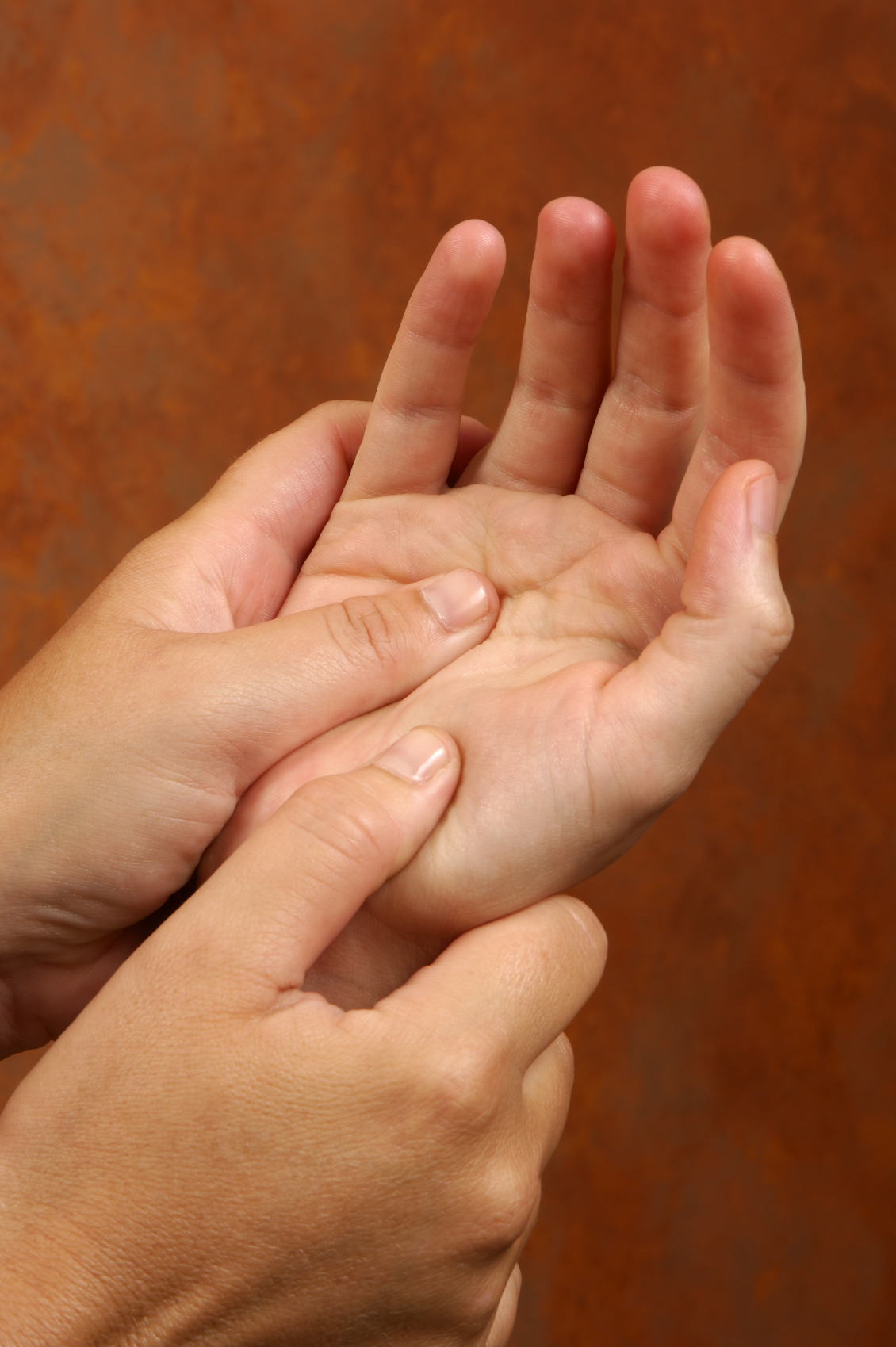
Your hands have many muscle, and like with any muscle, deep massage will break up knots, reduce pain and improve function. Try rolling a hard ball into your palm halfway through the day, or see a massage therapist for a hand massage at least twice a month. Hand massages are normally 20 to 30 minutes in length, and are a great lunch time activity.

How to Avoid Shoulder Slumping:

Sitting, typing and focusing on a screen a few inches below and in front of you will create slumped shoulders, unstable shoulder joints, and tight “pecs”.

Naturally our shoulder blades are stable, retracted, and down. This protects our shoulders and allows full mobility. When we slump forward, our shoulder blades drift apart, jeopardizing our shoulder stability.

Try to fully protract your shoulder blades by pushing your arms as far forward as possible which will spread your shoulder blades; then lift your arms up directly over your head. If you can’t do that comfortably, your shoulders are out of place.

Slumping shoulders will pull the rest of your spine out of order, simply because you’ve got the combined weight of your head and upper trunk pulling down. To avoid the slump, make sure when you sit, your buttocks sits far back in the chair, and roll your shoulders one at a time back, and down.

Your monitor or laptop needs to be at eye level or slightly above eye level. This will keep your head in the correct position, above your should with no tilting. Watch your head position, and try to keep the weight of your head directly above its base of support – the neck. Maintain your thoracic spine, by keeping the shoulder blades retracted; which means back and down.

How to Avoid Computer Vision Syndrome:

Eyestrain is an issue that affects anyone who looks at a computer screen all day. It has plenty of short term symptoms like dry eyes, blurred vision, headaches, and more.

Adjust the monitor’s position so that is 50-80 centimeters away from your eyes, with the top of your monitor at eye level. For most of us, that means you will need to raise your monitor by using a riser, or a stack of books.

An work space with too much light can create monitor glare that quickly tires your eyes. Turn off the over-head fluorescent lights and make sure that your light source is never directed behind or in front of your screen. Use indirect lighting such as a floor or desk lamp.

Use the 20-20-20 rule: Every 20 minutes, find an object about 20 feet away, and stare at it for 20 seconds; this will exercise your eyes and give them a break from your monitor’s screen.

Remember that the best thing you can do for yourself at work is to keep moving throughout the day!

January 19, 2015/by Carmen Scott
0 0 Carmen Scott https://www.diversifiedhealth.ca/wp-content/uploads/2026/01/DiversifiedHealth-logo.png Carmen Scott2015-01-19 08:34:132026-09-27 23:44:12Is Your Workspace Causing You Harm?
Guest Bloggers/Articles

7 Mental Health Resolutions for 2015

headacheWritten by: Alexandra Sifferlin @acsifferlin

Here’s how to take care of your mind this new year

When it comes to New Year’s resolutions, our self-improvement efforts often focus on getting a better body. And we ignore that other, equally important part of our well being: our mental health.

Certain health hazards come with warnings, like cigarettes or alcohol, but less obvious ones, like loneliness and rejection, can take just as great toll, says psychologist Guy Winch, author of Emotional First Aid: Healing Rejection, Guilt, Failure and Other Everyday Hurts. Research shows social isolation is linked to shorter lifespans, yet we often ignore our emotional hygiene. “If our dental hygiene were as poor as our emotional hygiene, we’d be all gums and no teeth,” says Winch.

This year, prioritize your mind as well as your body, and make a resolution for better mental health. Here are some of Winch’s tips for prioritizing your emotional hygiene in the new year (and all year long).

  1. Pay attention to emotional pain. Psychological pain is much like physical pain—if something hurts for more than a few days, you need to do something about it. If you experience rejection, failure, or have a bad mood that lingers too long, don’t ignore it.
  2. Take action when you feel lonely. Chronic loneliness is devastating to your emotional and physical health because it increases your chances of an early death by 14%. Therefore, when you feel lonely, actions like reaching out to family members, connecting with friends or joining a dating website can help. Make a list of people who you’ve been close to in the past (use your phone book, social media friends, and email contacts) and reach out to one of them each day to chat or to make plans. It will feel scary and risky to take those kinds of steps, but that’s what you need to do to break the cycle of disconnection and end your emotional isolation.
  3. Stop your emotional bleeding. Psychological wounds tend to create vicious cycles that get worse with time. Failure can lead to feelings of helplessness that in turn can make you more likely to fail again in the future. To break the negative cycle of failure, find ways to gain control of the situation. Our minds are not as reliable as we tend to think, so ignore misleading feelings from your gut that tell you to give up, and focus on the aspects within your control, such as your preparation, planning, effort and execution.
  4. Protect your self-esteem. Your self-esteem is like an emotional immune system—it can increase your resilience and protect you from stress and anxiety. Good emotional hygiene involves monitoring your self-esteem and boosting it when it’s low. How? Avoid negative self-talk that damages it further—despite how tempting it might be to indulge these kinds of thoughts at times.
  5. 5. Revive your self-worth after a rejection. It’s very common to be self-critical after you get rejected. It’s an unfortunate reaction, since that’s when your self-esteem is already hurting. You’re most likely to call yourself names, list all your faults and shortcomings and generally kick yourself when you’re already down. The most important thing you can do after getting rejected is to treat yourself with the same compassion you would treat a good friend. Make sure your inner voice is kind, understanding and supportive.
  6. Battle negative thinking. When something upsetting happens, it’s natural to brood over it. But replaying the scene over and over in your mind will not give you much insight or closure. The best way to break a brooding cycle is to distract yourself with a task that requires concentration, like a game on your cell phone, a quick run or a crossword puzzle.
  7. Be informed on the impact of common psychological wounds and how to treat them. You know how to treat a cut or a cold, so you should also know how to treat rejection, failure, loneliness, guilt and other common emotional wounds. By becoming mindful about your psychological health and adopting habits of good emotional hygiene, you will not only heal your psychological injuries when you sustain them, but you will elevate your entire quality of life.
January 5, 2015/by Diversified Health Clinic
0 0 Diversified Health Clinic https://www.diversifiedhealth.ca/wp-content/uploads/2026/01/DiversifiedHealth-logo.png Diversified Health Clinic2015-01-05 09:24:172026-09-27 23:44:127 Mental Health Resolutions for 2015
Health Information

7 Food Mistakes We Make To Get Healthier

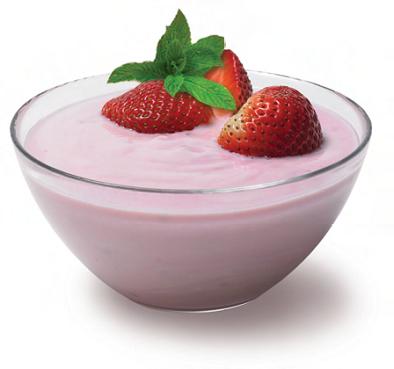
homemade-yogurtAt the beginning of a new year is when most of us take a look at our diet.  Learn to avoid these common diet mistakes, and you’ll be on your way to a healthier you.

Eliminating all fats: You need healthy sources of fat to maintain essential body functions, sustain energy levels, slow digestion and feel fuller longer.  Make sure you eat plenty of good fats, such as omega-3 fatty acids found in oily fish, coconut oil,nuts and flax seeds.

Reducing calories too much: When you follow an extreme diet,  your body will catch on and lower your metabolism to accommodate the reduced supply of fuel. Then, when you return to your normal intake of food, you will regain that weight because you’re now consuming more calories.

Eating too much healthy food: Eating too much of anything leads to weight gain. No matter how healthy the food is, a calorie is still a calorie.  Hummus, pistachios and peanuts contain healthy fats but come with masses of calories and such foods can act as triggers for those with a tendency to overeat.

Eliminating carbohydrates: Complex, high-fiber carbohydrates like brown rice, beans and lentils should be part of any diet regimen.

Incorrect portion sizes: Know what an appropriate portion size really is.

Eating infrequently: For your body to work most efficiently, you should eat five or six small meals or snacks per day to keep your metabolism running strong and your energy level consistent.

Skipping breakfast: Breakfast gets your metabolic machinery running and sets your body’s course for the rest of the day. Missing breakfast leads to overeating later in the day as blood sugar drops.  If you can’t face breakfast, eating a handful of almonds, some yogurt, an egg … or any form of protein in the morning, about an hour after waking will be enough to stop you binging later in the day.

So how do successful folks eat healthy and maintain a health weight? The National Weight Control Registry studied the habits of the 10% of people who kept their weight at a healthy level for five years or more.

Here’s what they did:

78 per cent ate breakfast every day.
75 per cent weighed themselves at least once a week.
62 per cent watched less than ten hours of TV a week.
90 per cent exercised moderately for an hour every day (most chose walking)

December 24, 2014/by Carmen Scott
0 0 Carmen Scott https://www.diversifiedhealth.ca/wp-content/uploads/2026/01/DiversifiedHealth-logo.png Carmen Scott2014-12-24 08:17:172026-09-27 23:44:137 Food Mistakes We Make To Get Healthier
Health Information

Giving Back Just Got Easier!

tentThis time of year is synonymous with giving and donating to charitable organizations.  Part of the holiday season is scheduling  which charity events you will be attending, and which charitable organizations you will be donating to this year.

Here are a few of Victoria’s local charities helping to make the holidays a bit brighter:

Santa’s Anonymous:  Every year, CFAX Santas Anonymous Society delivers much-needed support to families throughout Greater Victoria. This is accomplished primarily through our Christmas Hamper program, which takes place annually in December.

Mustard Seed:  There are so many ways to get involved this Christmas at events, on social media, at our gift wrapping locations or by making a donation  to the annual Spirit of Giving campaign, which will support those who need it most this holiday season.

Victoria Women’s Transition House Society:  The Christmas Hamper Program is an incredible display of generosity and kindness. Friends, families and co-workers come together to create and distribute over 100 personalized Christmas Hampers for women and children in our community!

Victoria Festival of Trees at The Fairmont Empress: The Festival of Trees transforms the Empress into a lush forest of beautifully decorated trees to raise funds for BC Children’s Hospital Foundation.

Our Place: Sponsor-A-Breakfast – for many people who are homeless or living in poverty,  a healthy routine such as a daily breakfast can influence other positive life changes.

These are all worthy organizations…. but what if your schedule does not allow you to attend these charitable functions, or your current financial situation does not allow for anything extra this year; there is another way to give back… on-line click through websites.

You can give to a charity and make a difference in the world from your computer, smartphone, tablet or laptop.  Here’s how it works:

By clicking certain links online, you can help give to those in need. There are companies that generate revenue from advertising on these charitable sites. Advertisers pay per click, so you really are helping someone else by clicking the links or playing the games. Here are some examples to get you started!

click-to-donate/primates – 100% of the donations raised go directly to the Jane Goodall Institute, which runs sanctuaries in Africa where orphaned chimpanzees can be cared for and given the chance to live reasonably full lives in spacious conditions.

www.charitii.com – This organization has dozens of click charities to choose from, such as a donation of 10 square inches of rainforest for each click.

freerice.com – For each answer you get right, they donate 10 grains of rice to the United Nations World Food Program. Simply by answering trivia questions about word definitions you can make a difference.

So the next time you are on a coffee break at work, caught in traffic or waiting at the check-out, help make the world a little bit better… one click at a time!

December 8, 2014/by Carmen Scott
0 0 Carmen Scott https://www.diversifiedhealth.ca/wp-content/uploads/2026/01/DiversifiedHealth-logo.png Carmen Scott2014-12-08 10:06:552026-09-27 23:44:13Giving Back Just Got Easier!
Health Information

How To Enjoy Holidays Goodies, Without The Guilt!

9 Tips To Keep Holiday Calories Off The Hips | victoria clinic	The holiday seasons are full of calorie-laden goodies and drinks, so here are some tips to help you resist those temptations!

Before heading out to a party eat a snack before you go. Eat a handful of nuts, a small piece of fruit or a few slice of cheese and this will help keep your appetite under control and you will be able to make better choices.

It is the holidays, so indulge – moderately!  Don’t try to go without your favorite food because that will back fire, and you will end up eating twice as much to satisfy your craving; so eat small portions and eat slowly.

At the party, take a moment before you start to eat, and see what foods are being served. If there is a vegetable or a fruit platter, start with those to take the edge off your appetite.

Avoid the guilty pleasures you can have anytime, such as chocolates or cookies, and go with seasonal favourites such as rum-drenched plum pudding and egg nog. Enjoy, but  remember to keep your portions small.

Be the designated driver!  Have one alcoholic drink, something you really enjoy and then choose drinks such as sparkling water, a diet soda or juice with soda, which have virtually no calories. Bonus!

Bake holiday cookies and treats in advance, and freeze them so they are not a temptation, and bring them out only when you need them.

Chew a piece of gum- when you chew gum you’re less likely to nibble or “graze”.

After the party, send the leftover treats home with friends, or donate them to your local food bank.

Give guilt a vacation!  The last thing anyone needs this time of year is another holiday stress. If you over indulge ( and it’s going to happen) don’t worry!  Just start the next day and do your best to keep on track.

Give yourself the the gift of a healthy holiday season; eat smart, stay active, get enough sleep and have some fun!

December 4, 2014/by Carmen Scott
0 0 Carmen Scott https://www.diversifiedhealth.ca/wp-content/uploads/2026/01/DiversifiedHealth-logo.png Carmen Scott2014-12-04 08:34:002026-09-27 23:44:13How To Enjoy Holidays Goodies, Without The Guilt!
Health Information

The Diet Mistakes We All Make

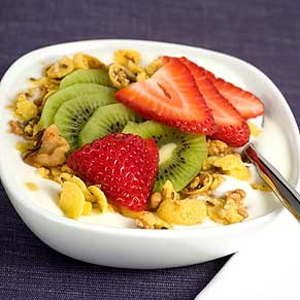
breakfastThe best approach to healthy eating, is to eat a well balanced diet and eat in moderation; but many of us make the same mistakes; so here are a few tips to keep you on the “right” path.

Planning Too Many Meals

It’s great to try new things especially with regards to eating a rainbow of fruits and vegetables, but thinking about food too often can lead to over indulgence.

Keep it simple with just a few different choices for breakfast, lunch, and dinner.  Don’t let your meals get too complicated, instead keep it simple, veg-heavy, and unprocessed.  Try to introduce new spices to” tried and true” meals for a quick and healthy alternative.

Over Complicating Fruits and Vegetables

Sometimes we get so overwhelmed with the various presentations that we end up not getting enough fruits and vegetables in our diet. Keep it simple, include 2-3 servings of fruits and vegetables in each meal.  One quick and easy way to incorporate more fruits and veggies in your diet is to include juicing in your daily routine.

Choosing “Fake” Whole Grains

Whole grains are important for cleaning the intestinal wall so choose whole grains that are unprocessed including brown rice, rolled oats, barley, and whole wheat bread. Make sure to read the ingredients to get the whole truth about your products.

Not Accounting For Stress

Bad eating, or over eating is associated with high stress levels. Keeping your stress levels in check is one of the most important ways to stay thin and to avoid other health mishaps.

Too much stress for prolonged periods of time can creates numerous side effects like high blood pressure and lowered immunity. Stress can also lead to abdominal fat, poor sleep habits and chronic fatigue.

Looking good begins from the inside out, so think about your food as your daily medicine, three times a day, every day.  Also, remember to never under estimate the importance of your diet and incorporating these simple steps to feeding yourself healthy.

November 27, 2014/by Carmen Scott
0 0 Carmen Scott https://www.diversifiedhealth.ca/wp-content/uploads/2026/01/DiversifiedHealth-logo.png Carmen Scott2014-11-27 07:37:092026-09-27 23:44:13The Diet Mistakes We All Make
Health Information

What to Expect When You Donate Blood

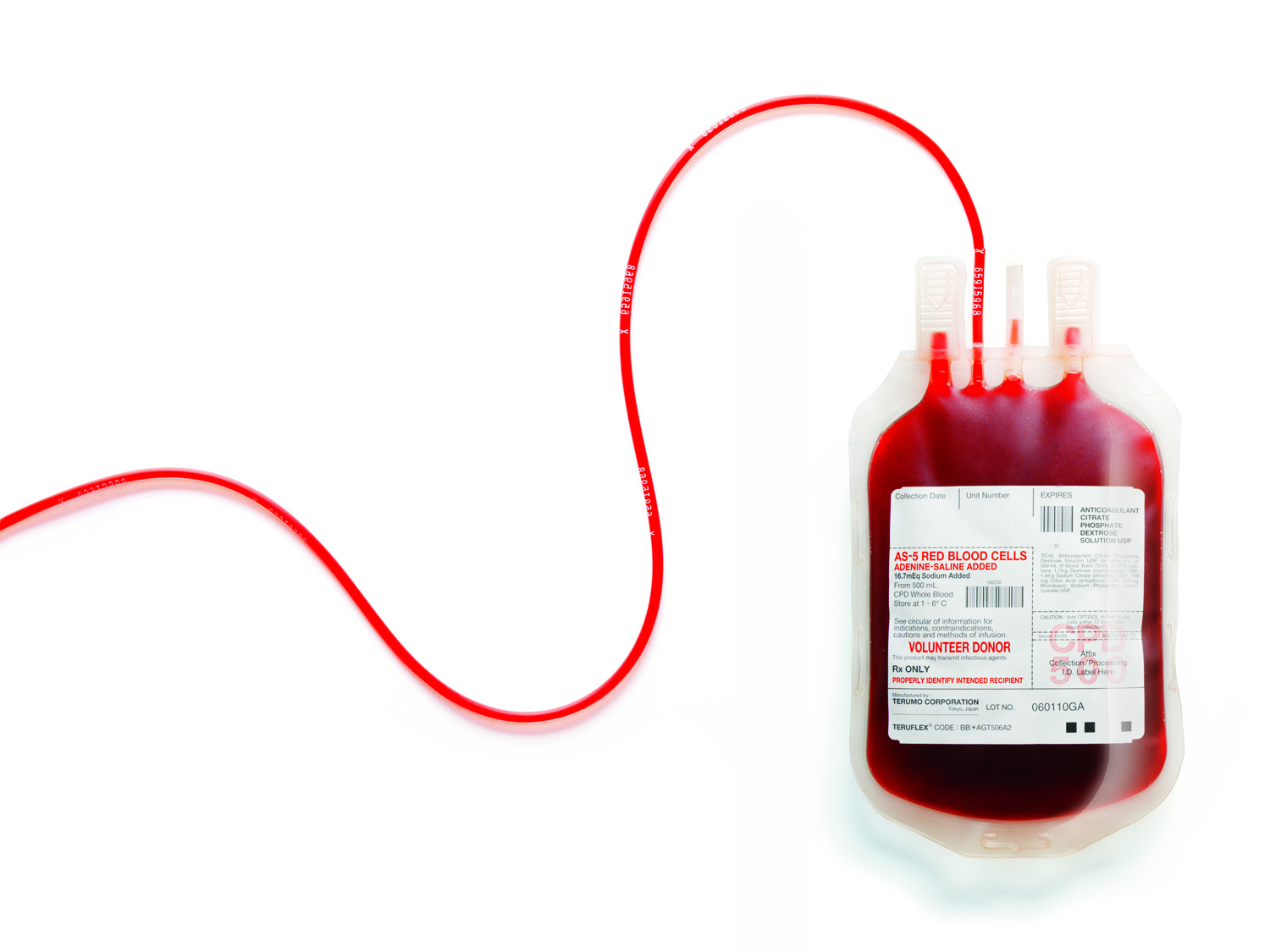
bloodbag 0001To donate blood, you must be at least 17 years old, weigh at least 50 kg (110 lb) and be in good general health.

You may not be able to donate blood if you have donated blood in the past 56 days, or if you do not have enough iron in your blood. You can not donate blood if you are pregnant,  blood pressure is too high, you take certain medicine, or have certain health problems. If you have traveled to certain countries, or have gotten a tattoo/body piercing in the last 6 months you maybe unable to donate blood.

Also, you should wait 24 hours after a cleaning or filling, and 72 hours if you’ve have dental surgery, a root canal, or a tooth pulled.

The day you are scheduled to give blood, make sure that you get a good night’s sleep, eat a healthy meal before your donation and drink plenty of fluids.

Avoid eating fatty foods, such as hamburgers, because fatty foods can affect the tests that are taken on your blood. If there is too much fat in your blood stream, your donation cannot be tested for infectious diseases and the blood will not be used for transfusion.

Wear clothing with sleeves that can be easily raised above the elbow, and make sure to bring your donor card, driver’s license or two other forms of ID.

Make sure you feel good. Don’t give blood if you feel ill.  You shouldn’t donate blood if you feel like you’re getting a cold or the flu.

Once at the blood donor clinic, a health professional will ask about your current and past health to make sure that you can donate.  You will be asked questions every time you give blood, because the list of who can give blood may change, or your health may change.

You will also have a brief physical examination, which includes checking your blood pressure, pulse and temperature. A small sample of blood is taken from a finger prick and is used to check the oxygen-carrying component of your blood (hemoglobin level). If your hemoglobin concentration is normal and you’ve met all the other screening requirements, you can donate blood.

You will be directed to a reclining chair with your arm extended on an armrest. A blood pressure cuff or tourniquet is placed around your upper arm to fill your veins with more blood. This makes the veins easier to see and easier to insert the needle into, and also helps fill the blood bag more quickly.

The practitioner will sterilize the skin on the inside of your elbow, and then will put a needle into a vein on the inside of your elbow. The needle is usually in place about 10 minutes. When complete, the needle is removed, a small bandage is placed on the needle site.  While you are donating blood you can relax,  listen to music, talk to other donors or read during the donation process.

After donating you sit in an observation area, where you res, eat a light snack and drink either some water or juice. After 15 minutes, you can leave.  When you are ready to leave, get up slowly to make sure that you’re not light-headed. If you feel lightheaded, sit back down until the feeling passes.

About 400 ml of blood is taken when you donate. It takes about 10 minutes. The whole process—including answering questions and having a short examination—takes up to an hour.  After donation, your blood is tested for certain diseases, such as hepatitis B and C, and the HIV virus. Donated blood must pass all of these tests. If any disease is detected, the blood is thrown away and the donor is notified.

Thing to remember when you get home:

Keep the bandage on for the next several hours

Drink an extra four (8 ounce) glasses of liquids and avoid alcohol over the next 24 hours

Eat foods that contain high levels of iron, such as lean red meat, raisins, or beans

Limit your physical activity and avoid any strenuous physical activity for the rest of the day

By following a few recommendations before, during and after your blood donation, you can make your donation experience as safe, successful and pleasant as possible.  Keep in mind that whole blood donations are separated into three components: red cells, plasma and platelets. Each component may be given to a different patient. That’s why one donation has the potential to save up to three lives!

November 12, 2014/by Carmen Scott
0 0 Carmen Scott https://www.diversifiedhealth.ca/wp-content/uploads/2026/01/DiversifiedHealth-logo.png Carmen Scott2014-11-12 13:06:512026-09-27 23:44:13What to Expect When You Donate Blood
Chiropractic Care

Graston Technique – Soft Tissue Treatment

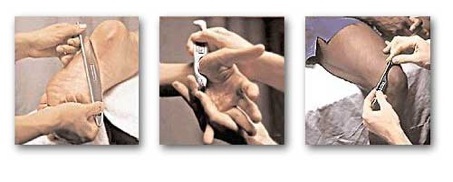
Graston2The Graston Technique is an instrument-assisted, soft tissue mobilization therapy.  The Graston Technique safely removes scar tissues and scar tissue adhesions that have occurred as a result of chronic inflammation, injuries, repetitive motion or from old injuries of the past.

Graston Technique enables practitioners to effectively detect and treat scar tissue and restrictions that affect normal function.  The technique uses specially-designed stainless steel instruments, along with appropriate therapeutic exercise, to specifically detect and effectively treat areas exhibiting soft tissue fibrosis or chronic inflammation.

Graston instruments are used to enhance the practitioner’s ability to detect adhesion,  and scar tissue in the affected area. The stainless steel instruments are moved over the area of concern and “catch” on fibrotic tissue, which immediately identifies the areas of restriction. Once the tissue has been identified, the instruments are used to break up the scar tissue so it can be absorbed by the body. Each instruments combines concave and convex shapes to  allow the instruments to mold to various contours of the body.  This allows the practitioner to isolate adhesions and restrictions, and treat them very precisely.

The instruments are beneficial in breaking up fascial restrictions, scar tissue adhesions, and detecting areas of chronic inflammation and fibrosis.

Graston treatments can help with conditions such as :

Cervical sprain/strain
Carpal Tunnel Syndrome
Tennis & Golfers elbow
Rotator Cuff Tendinosis
Achilles Tendinosis
Scar Tissue
Lumbar sprain/strain
Plantar Fasciitis
Knee Pain/ Runners Knee
Fibromyalgia

The goal of this therapy is to reduce the patient’s pain and increase function by breaking down the scar tissue and fascia restrictions that are usually associated with some form of trauma to the soft tissue (e.g., a strained muscle or a pulled ligament, tendon, or fascia).  This therapy also reduces restrictions by stretching connective tissue by rearranging the structure of the soft tissue being treated (e.g., muscle, fascia, tendons, ligaments).

Normal tissue can be dense, with regular elongated fibers running in the same direction, such as tendons and ligaments; or dense, irregular and loose with fibers running in multiple directions.  In either instance, when tissue is damaged it will heal in a haphazard pattern–or scarring–that results in a restricted range of motion and in many instances causes pain, which prevents the patient from functioning as they did before the injury.

The Graston Technique separates and breaks down collagen cross-links, and splays and stretches connective tissue and muscle fibers, increases skin temperature, increases the rate and amount of blood flow to and from the area, increases cellular activity in the region, and facilitates reflex changes in the chronic muscle holding patterns.

The Graston Technique can be used in conjunction with both Ultrasound, and Laser Therapy to help speed up the recovery time.

November 3, 2014/by Diversified Health Clinic
0 0 Diversified Health Clinic https://www.diversifiedhealth.ca/wp-content/uploads/2026/01/DiversifiedHealth-logo.png Diversified Health Clinic2014-11-03 12:56:562026-09-27 23:44:13Graston Technique – Soft Tissue Treatment
Page 25 of 48«‹2324252627›»

Search our Blog

Search Search

Topics of Interest

Acupuncture Back Pain Chronic Back Pain Chronic Pain Custom Orthotics Diversified Health Clinic Victoria BC Dry Needling eToims exercise fitness Foot pain GoodLife Fitness Victoria Marathon Headaches Health Care Victoria Health Tips Healthy lifestyle Immune System IMS Inflammation Joint Pain Knee Injuries Low Back Pain Marathons Massage Therapy Migraines natural health practitioner orthotics Pain management Pain Relief Physiotherapy physiotherapy victoria bc Plantar fasciitis Registered Massage Therapy Runner's knee Running Seasonal Allergies Skin Cancer Spinal Decompression Sports Injuries Stress Stretches Sunscreen Victoria therapeutic massage Vitamins walking

Categories

  • Acupuncture
  • Athletic Therapy
  • Chiropractic Care
  • Exercise Library
  • Fitness
  • Guest Bloggers/Articles
  • Health Information
  • Massage Therapy
  • News
  • Orthotics
  • Physiotherapy
  • Practitioners in Focus
  • Uncategorized
  • Victoria Healthcare News
  • Video Library

Archive

News & Events

  • Tension Headaches and Migraines: How to Tell Them Apart, What Helps and When to Get Checked October 6, 2026
  • Sciatica: Nerve Pain or Tight Muscle? Signs, Self-Care and When to Get It Checked October 6, 2026
  • Low Back Pain: Why It Happens, What Helps, and When to Get It Checked October 6, 2026
  • Neck Pain and “Tech Neck”: Causes, Desk Fixes and When to Get It Checked October 2, 2026
  • CryoDerm in Victoria: Cold vs. Heat, How to Use It, and Where to Get It September 26, 2026
  • How to Heal Your Pelvic Floor After Giving Birth | Pelvic Floor Physiotherapy Guide July 30, 2026
  • The Benefits of Shockwave Therapy Treatments February 28, 2023

PainHero Community Partner badge for Victoria

patients choice winner

A Victoria, BC Chiropractor winner of the Patients’ Choice Awards.Verified by Opencare.com

Diversified Health Clinic

The Mosaic Building
1063 Fort St, Victoria, BC
V8V 3K5, Canada
250-382-0018
Monday7 a.m. – 7 p.m.
Tuesday7 a.m. – 7 p.m.
Wednesday7 a.m. – 7 p.m.
Thursday7 a.m. – 7 p.m.
Friday7 a.m. – 7 p.m.
Saturday9 a.m. – 4 p.m.
Sunday8 a.m. – 2 p.m. (physiotherapy only)
© Copyright - Diversified Health Clinic. Website by Victoria's iDreamDigital.
  • Link to Facebook
  • Link to Instagram
  • Link to X
  • Link to Youtube
  • Link to Rss this site
  • Link to Mail
Scroll to top Scroll to top Scroll to top

This website uses cookies to understand how the site is used and to measure our advertising.

Privacy PolicyDismiss

Cookie and Privacy Settings


How we use cookies

We may request cookies to be set on your device. We use cookies to let us know when you visit our websites, how you interact with us, to enrich your user experience, and to customize your relationship with our website.

Click on the different category headings to find out more. You can also change some of your preferences. Note that blocking some types of cookies may impact your experience on our websites and the services we are able to offer.

Essential Website Cookies

These cookies are strictly necessary to provide you with services available through our website and to use some of its features.

Because these cookies are strictly necessary to deliver the website, refusing them will have impact how our site functions. You always can block or delete cookies by changing your browser settings and force blocking all cookies on this website. But this will always prompt you to accept/refuse cookies when revisiting our site.

We fully respect if you want to refuse cookies but to avoid asking you again and again kindly allow us to store a cookie for that. You are free to opt out any time or opt in for other cookies to get a better experience. If you refuse cookies we will remove all set cookies in our domain.

We provide you with a list of stored cookies on your computer in our domain so you can check what we stored. Due to security reasons we are not able to show or modify cookies from other domains. You can check these in your browser security settings.

Other external services

We also use different external services like Google Webfonts, Google Maps, and external Video providers. Since these providers may collect personal data like your IP address we allow you to block them here. Please be aware that this might heavily reduce the functionality and appearance of our site. Changes will take effect once you reload the page.

Google Webfont Settings:

Google Map Settings:

Google reCaptcha Settings:

Vimeo and Youtube video embeds:

Privacy Policy

You can read about our cookies and privacy settings in detail on our Privacy Policy Page.

Privacy Policy
Accept settingsHide notification only