
Injury Recovery in Greater Victoria, BC - Call us to book an appointment: (250) 382-0018
Diversified Health Clinic
  • Welcome
  • Meet our Team
    • Chiropractic
      • Dr. Matthew Bryan DC
      • Dr. Tessa Bryan DC
      • Dr. Krisjan Gustavson DC
      • Dr. Alexia Grelson DC
    • Physiotherapy
      • Spirit Donahue MPT
      • Kanu Priya MPT
      • Ivy Elling-Quaintance MPT
    • Registered Massage Therapy
      • Morag Hart RMT
      • Craig Lawrence RMT
      • McKenzie Connell RMT
      • Braedan Pearce RMT
      • Alex Baan-Meiklejohn RMT
    • Acupuncture
      • Annie Wang R.Ac R.TCM.P
      • Lauren Ching R.Ac
      • Rebecca Thompson R.Ac R.TCM.P
      • Jun Liu R.Ac
    • Kinesiology / Personal Training
      • Angelina Schaaf BCAK
      • Christian Schwarz BCAK
    • Medical Doctor
      • Dr. Ian Hyams MD
      • Jennifer Blum, EMSELLA
    • Clinical Counsellor
      • Laura Grohovac CCC
    • .
  • About
    • Our Clinic
    • Careers
  • Disciplines
    • Disciplines
      • Chiropractic
      • Physiotherapy
      • Registered Massage Therapy
      • Kinesiology
      • Acupuncture
      • Clinical Counselling
      • Medical Doctor
      • Personal Training
    • Treatments
      • Shockwave Therapy
      • Spinal Decompression
      • IMS (Intramuscular Stimulation)
      • Pelvic Floor Physiotherapy
      • EMSELLA
      • Class IV K Laser Therapy
      • Orthotics
      • eToims Needle-less IMS
  • Conditions
    • Plantar Fasciitis
    • Running Injuries
    • Allergies
    • Concussion Treatment
    • Bursitis
    • Tennis Elbow
    • TMJ Disorder
    • Automobile Collisions
    • Nerve Pain with Sciatica
    • Sport Injuries
    • Stress
    • Runner’s Knee
    • Vertigo & Vestibular Rehab
    • Concussions
  • Pricing
  • News & Events
    • News
    • Events
    • Practitioners In Focus
    • Exercise Library
  • Contact
  • ICBC Claims
  • Book Now!
  • News
  • Menu Menu
  • Link to Facebook
  • Link to Instagram
  • Link to X
  • Link to Youtube
  • Link to Rss this site
  • Link to Mail
  • Welcome
  • About
    • Meet our Team
    • Our Clinic
    • Careers
  • Disciplines
  • Conditions
  • Pricing
  • News
    • News & Advice
    • Practitioners In Focus
  • Contact
  • ICBC Claims
  • Book Now!
Health Information

Facts You Should Know About Sun Safety

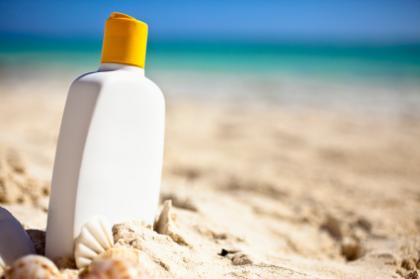
SunSafety8If you spend any time out in the sun, you should familiarize yourself with these sun safety facts.

 – More and more folks are adding umbrellas to their must haves for a day at the park or beach.  Umbrellas can be deceiving by making you think that you’re safer than you really are. Up to 80 percent of UV rays can bounce off reflective surfaces such as sand, concrete and water, and reach you under the umbrella. Regardless of where you are outside… use sunscreen!

 – Many medication, including some antibiotics, birth control pills, and antihistamines can make you sun sensitive. Always read the information sheet that comes with your prescription to see if the medication has a warning about sun sensitivity.

– Use the “shadow rule” as an easy way to help you gauge the strength of the sun.  If your shadow is shorter than you, that means that the sun is at its strongest, as well as the UV index. On average the strongest time for the sun is between 11:00am – 2:00pm.

– Don’t forget to use sunscreen on small body parts. We often concentrate on arms, legs and backs, but forget places like ears, fingers, toes, back of the neck, and back of the knees. Heads need protection too, so wear a wide brimmed hat to help protect your scalp.

– Sunglasses protect your eyes and the delicate skin around your eyes from serious sun-damage, including eye diseases, cataracts and skin cancer. Make sure the sunglasses you pick are close-fitting and that they offer 99-100% UV protection.

– Even when it’s cloudy outside, you need to wear sunscreen. UVA and UVB rays are not filtered by the clouds or by shade – allowing about 80% of the damaging rays to reach the earth. When outside, always where sunscreen.

– Waterproof sunscreens and water-resistant sunscreens are different. On average water-resistant sunscreen gives you about 40 minutes of sun protection in the water, while waterproof sunscreen provides about 80 minutes. Regardless of which type of sunscreen you use, always re-apply after swimming.

– Don’t wait to apply your sunscreen till you have reached your destination. It takes about 15 to 30 minutes for sunscreen to sink into your skin and start working, so always apply sunscreen before you leave your home.

– The average life expectancy of a bottle of sunscreen – according to the expiration date is 2 years.  However, sunscreens are often exposed to extreme heat, cold, and tops can be left open which can allow bacteria to enter the bottle which can destabilize the formula. To be safe, purchase new sunscreen every year.

– You can use clothing for sunscreen, but do your homework. A white cotton t-shirt provides an SPF of approximately 5 to 7, while a dark denim shirt with long sleeves can provide 100% protection. A good test is to hold your piece of clothing up to a light or window; if a large amount of light comes through the clothing, it won’t provide adequate protection. Consider hi-tech sun-protective clothing and accessories; many of them have a UPF rating (Ultraviolet Protection Factor) of 50 or higher.

So the next time you head outdoors, make sure you follow these sun safety rules.
June 18, 2015/by Carmen Scott
0 0 Carmen Scott https://www.diversifiedhealth.ca/wp-content/uploads/2026/01/DiversifiedHealth-logo.png Carmen Scott2015-06-18 12:27:192026-09-27 23:44:10Facts You Should Know About Sun Safety
Health Information

What’s in Your Sunscreen?

sunscreenMost of us use sunscreen, but other than looking at price and the SPF levels, we know relatively little about what we are putting on our bodies. We use sunscreen to avoid a sunburn and to limit our exposure to the sun’s harmful rays.

Here’s what you should know about UVA and UVB Rays:

UVA rays:
• Can pass through glass, such as a car window
• Are always present despite changes in altitude or weather, season and time of day
• Can penetrate deep into skin layers
• Totals 5% of the sun’s rays

UVB rays:
• Can’t pass through glass
• Can cause the skin to burn/tan
• Intensity of rays change with the weather conditions, altitude, season and time of day
• Totals 0.5% of the sun’s rays

Theoretically when applying sunscreen, the higher the sun protection factor – SPF – the more time you can spend out in the sun before suffering a sunburn.  This is not true: at least for high-SPF sunscreens of SPF 50 and over. Many studies have found that people are misled by the claims on high SPF sunscreen bottles.

Most of us assume that we’ll get twice as much protection from SPF 100 sunscreen as from SPF 50. In reality, the extra protection is negligible and gives a false sense of security, which leads to  longer stays stay in the sun, and overexposing ourselves to UVA and UVB rays.

Numerous studies show that sunscreen users apply the wrong amount of sunscreen.  The average person uses about one-half the quantity of sunscreen that the manufacturers recommends. Applying too little sunscreen or reapplying it too infrequently diminishes protection against free radical formation which can lead to skin cancer.

How much sunscreen should you be using? You should use approximately two milligrams of sunscreen per square centimeter of skin. This means applying two tablespoons of sunscreen to the exposed areas of the face and body, and remembering that sunscreen needs to be reapplied every two hours.

High SPF products require higher concentrations of active chemicals than lower SPF sunscreens, and some of these ingredients may pose health risks when they penetrate the skin. Sunscreen formulas come in two forms, mineral and chemical.

Mineral sunscreens use zinc oxide and/or titanium dioxide.

Chemical sunscreen products typically include a combination of two to six active ingredients such as: oxybenzone, avobenzone, octisalate, octocrylene, homosalate and octinoxate.

The table below outlines human exposure and toxicity information for nine approved sunscreen chemicals.

ChemicalEWG Hazard ScoreUse in U.S. sunscreensSkin PenetrationHormone disruptionSkin AllergyOther concernsReferences
UV filters with higher toxicity concerns
Oxybenzone8WidespreadDetected in nearly every American; found in mother’s milk; 1-to-9% skin penetration in lab studiesActs like estrogen in the body; alters sperm production in animals; associated with endometriosis in womenRelatively high rates of skin allergyJanjua 2004, Janjua 2008, Sarveiya 2004, Gonzalez 2006, Rodriguez 2006, Krause 2012
Octinoxate (Octylmethoxycinnamate)6WidespreadFound in mothers’ milk; less than 1% skin penetration in human and laboratory studiesHormone-like activity; reproductive system, thyroid and behavioral alterations in animal studiesModerate rates of skin allergyKrause 2012, Sarveiya 2004, Rodriguez, 2006, Klinubol 2008
UV filters with moderate toxicity concerns
Homosalate4WidespreadFound in mothers’ milk; skin penetration less than 1% in human and laboratory studiesDisrupts estrogen, androgen and progesteroneToxic breakdown productsKrause 2012, Sarveiya 2004, SCCNFP 2006
Octisalate3Widespread; stabilizes avobenzoneSkin penetration in lab studiesRarely reported skin allergyWalters 1997, Shaw 2006 Singh 2007
Octocrylene3WidespreadFound in mothers’ milk; skin penetration in lab studiesRelatively high rates of skin allergyKrause 2012, Bryden 2006, Hayden 2005
UV filters with lower toxicity concerns
Titanium Dioxide2 (topical use), 6 (powder or spray)WidespreadNo finding of skin penetrationNo evidence of hormone disruptionNoneInhalation concernsGamer 2006, Nohynek 2007, Wu 2009, Sadrieh 2010, Takeda 2009, Shimizu 2009, Park 2009, IARC 2006b
Zinc Oxide2 (topical use), 4 (powder or spray)Widespread; excellent UVA protectionLess than 0.01% skin penetration in human volunteersNo evidence of hormone disruptionNoneInhalation concernsGulson 2012, Sayes 2007, Nohynek 2007, SCCS 2012
Avobenzone2Widespread; best UVA protection of chemical filtersVery limited skin penetrationNo evidence of hormone disruptionRelatively high rates of skin allergyKlinubol 2008, Bryden 2006, Hayden 2005, Montenegro 2008
Mexoryl SX2Uncommon; pending FDA approval; offers good, stable UVA protectionLess than 0.16% penetrated the skin of human volunteersNo evidence of hormone disruptionSkin allergy is rareBenech-Kieffer 2003, Fourtanier2008

Chemical sunscreens permeate the skin to some degree, and recently have been linked to tissue damage and potential hormone disruption.

“Laboratory studies of several sunscreen chemicals indicate that they may mimic hormones and disrupt the hormone system (Krause 2012, Schlumpf 2001, 2004, 2008).

Two European studies have detected sunscreen chemicals in mothers’ milk, indicating that the developing fetus and newborns may be exposed to these substances (Schlumpf 2008, Schlumpf 2010).”

Mineral Sunscreens are made with zinc oxide and titanium dioxide, and generally rate better than chemical sunscreens for toxicity.

Many sunscreens contain anti-inflammatory chemicals that can prevent skin from looking  sunburned. This is a problem because if you can’t see your body turning red, you assume you are adequately protected from the sun’s rays…but that’s not true.

Consumers are being lulled into thinking that their sunscreen is providing more protection than it actually does, and the result is that they stay out longer in the sun and increase their risk of skin cancer and skin damage.  So when it comes to sunscreens, do your homework!

June 15, 2015/by Carmen Scott
0 0 Carmen Scott https://www.diversifiedhealth.ca/wp-content/uploads/2026/01/DiversifiedHealth-logo.png Carmen Scott2015-06-15 07:35:482026-09-27 23:44:10What’s in Your Sunscreen?
Health Information

How to Make Your Own Sunscreen

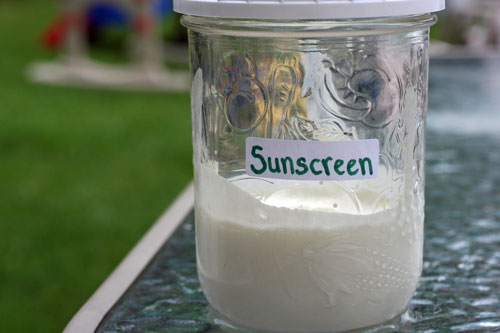
Make Your Own SunscreenChoosing the right sunscreen can be tricky. Many store-bought feature chemicals as a base, and some sunscreens can even cause contact dermatitis!

Learn more about sunscreen allergies.

If you feel that you are getting nowhere on finding the right sunscreen for you and your family, why not try making your own!  There are dozens of sunscreen recipes that you can find on the internet.

Natural Homemade Sunscreen Ingredients:

  • 1/4 cup oil (coconut, olive or almond)
  • 5 tsp Zinc Oxide (must be pure zinc oxide)
  • 1 Tbsp Beeswax
  • 3 Tbsp natural aloe vera gel (no alcohol or propylene glycol)
  • 1/2 cup distilled water

How To Make Natural Sunscreen:

  1. Heat oil and beeswax on double boiler until just melted, remove from heat
  2. Add zinc oxide powder to a bowl that will not be used for food.
  3. In small pan, heat water and aloe vera until warm.
  4. Add the water/aloe mixture slowly to the zinc oxide while whisking.
  5. Add the oil and beeswax mixture
  6. Add an essential oil (optional) for fragrance   (not citrus oil)
  7. Store in a container with a lid and keep in the fridge

Additional Notes:

  • This sunscreen will need to be reapplied often. (watch closing the first time you use it… I have never been sun burned using this recipe, but remember that everyone is different)
  • DO NOT inhale the Zinc Oxide
  • This recipe has an SPF of about 20: adding more Zinc Oxide will increase the SPF
  • Add more beeswax to make thicker sunscreen, less to make smooth sunscreen- adding 3 to 4 times the amount of beeswax and removing the water will make a “sunscreen bar” that rubs on like stick deodorant

Sunscreen in a minute:

Get a bottle of your favorite lotion that does not contain any citrus oils, and add a couple of tablespoons of Zinc Oxide, shake well and Voila!

June 11, 2015/5 Comments/by Carmen Scott
0 0 Carmen Scott https://www.diversifiedhealth.ca/wp-content/uploads/2026/01/DiversifiedHealth-logo.png Carmen Scott2015-06-11 05:44:192026-09-27 23:44:10How to Make Your Own Sunscreen
Acupuncture

Seasonal Allergies

allergiesIf you suffer from seasonal allergies you might want to consider visiting an acupuncturist.  The goal of the acupuncturist is to develop a plan which addresses the person’s acute symptoms and provides relief, while addressing the underlying immune system imbalance which is thought to be at the root of the person’s allergies.

Symptoms of Seasonal Allergies

  • Sneezing
  • Coughing
  • Watery eye
  • Nasal congestion
  • Runny or stuffy nose
  • Postnasal drainage
  • Ear congestion
  • Itchy sinuses, throat, eyes, or ear canals
  • Adenoid swelling -this occurs when the lymph tissue that line the back of the throat swells
  • Dark circles under the eyes – caused by swelling and discoloration from congestion of small blood vessels beneath the skin in the eye area.

If your symptoms are persistent and last for more than two weeks you should see your allergist  or acupuncturist for proper testing, diagnosis and treatment. Finding and treating the source of your suffering can also clear up other unwanted symptoms. Less common symptoms may include: headache, shortness of breath, coughing, or wheezing.

Decreasing Your Summer Allergy Triggers:

  • Try to stay indoors whenever the pollen count  is high – Pollen levels tend to peak in the morning
  • When the day is wind, pollen counts surge
  • Vacuum often and clean air filters regularly
  • Keep your doors and windows closed to keep allergens out, and use an air purifier
  • Wash bedding and rugs in hot water to eliminate dust mites and other allergens
  • Shower, and change clothing after going outside to wash away pollen

 If these steps still don’t provide any relief, and before you turning to over-the-counter antihistamines, decongestants, nasal sprays and eye drops speak with your healthcare practitioner to discuss all your options for treatment; including acupuncture.

A recent study conducted in South Korea examined the effectiveness of acupuncture for the treatment of chronic rhinosinusitis and allergic rhinitis.

Acupuncture treatment plans for allergies will vary greatly from person to person.  The possible results will range from temporary relief to complete remission. Acupuncture frequently relieves nasal congestion and sneezing as soon as the needles are inserted.

If you suffer from seasonal allergies please contact our acupuncturist for more information on how she can help with your allergy symptoms.

June 1, 2015/by Carmen Scott
0 0 Carmen Scott https://www.diversifiedhealth.ca/wp-content/uploads/2026/01/DiversifiedHealth-logo.png Carmen Scott2015-06-01 12:56:202026-09-27 23:44:10Seasonal Allergies
Health Information

Spices – The New Medicine

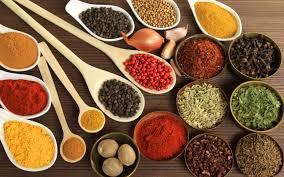
spicesFor years spices have been used by holistic practitioners, but now mainstream health professionals are using the power of spices as a weapon against illness. There is a scientific basis for why people have been using spices medicinally for thousands of years.

Here are 5 spices that can be used to minimize symptoms and treat health problems.

Sage – Preliminary research suggests that sage may improve some symptoms of early Alzheimer’s disease by preventing a key enzyme from destroying acetylcholine, a brain chemical involved in memory.  Due to its high antioxidant capacity, sage can help protect the body’s cells from damage caused by free radicals, which often results in chronic disease.

Turmeric – Turmeric is used for its potential healing properties. The active ingredient, curcurmin, has been extensively tested and studied and the research shows the outstanding results for inhibiting tumor cell growth and suppressing enzymes that activate carcinogens.  Curcumin, a compound in turmeric has potent antioxidant and anti-inflammatory properties, with studies showing it has anti-inflammatory, antiviral, antibacterial, antifungal and anticancer property.

Cinnamon – Research at the Mayo Clinic, is showing that cinnamon  may help manage diabetes.  The studies show that diabetics who take cinnamon supplements demonstrate better glucose control, possibly due to increased insulin activity. The evidence shows that it may help to regulate blood sugar and insulin, and perhaps lipids.

Black Pepper – Derived from the peppercorn, black pepper is both an antibiotic and an antioxidant. It stimulates fat breakdown, which may aid in weight loss, and some research shows that the spice may help lower levels of “bad” LDL cholesterol and triglycerides in the blood while increasing levels of “good” HDL cholesterol.

Black pepper has a high amount of piperine: and this main alkaloid from black pepper has been shown to substantially increase the bio-availability of the nutrients in foods and supplements. As the quality of food declines it is increasingly important to your health that the nutrients you consume are able to be used to maximum efficiency by your body.

Paprika – The paprika plant is from the same family as chilli. Paprika is high in antioxidants, including betacarotene, capsanthin, quercetin and luteolin.  Paprika has antibacterial properties that help naturally control bacteria such as Salmonella and E. coli. Paprika is high in antioxidants because it is rich in vitamins A and E  and can help to neutralize free radicals and their destructive effects on the body. Paprika also has anti-inflammatory properties.

As with all medical information, please consult your doctor or health care practitioner before starting a new health routine.

May 28, 2015/by Carmen Scott
0 0 Carmen Scott https://www.diversifiedhealth.ca/wp-content/uploads/2026/01/DiversifiedHealth-logo.png Carmen Scott2015-05-28 12:44:562026-09-27 23:44:10Spices – The New Medicine
Health Information

Learn The Truth About Food Labels

figurelabelAs we all strive to eat better, one of the best tools we have is to read food labels… or is it?  Below is a collection of the most common “health” terms and what they really mean.

Zero Trans Fats: Zero doesn’t mean zero; there’s a clause that allows food companies to add in up to 0.5 grams of trans fat, and still market it as zero trans fats. So read that nutrition label and make sure that zero really is listed in the trans-fat line, and watch out for red flag words like “hydrogenated” in ingredient lists.

Sugar-Free: Many products claiming they’re sugar-free or “no sugar added” are generally loaded with artificial sweeteners. Choose natural sugar or sweeteners like honey, and maple syrup.

Hormone-Free: The term ‘hormone-free’  as a label is a bit of a grey area as technically there is no such thing as hormone-free milk or meat, as all animals are born with hormones. What’s more useful is when a label directly says that the product is “artificial hormone-free”.

Organic: The term organic refers to an ecological method of agricultural production that respects the natural environment. Organics focuses on enhancing the health and vitality of the soil, preserving biodiversity, promoting animal welfare and preserving the ecological integrity of our environment. No synthetic fertilizers, synthetic pesticides or genetically modified organisms are permitted in organics. Organic foodstuffs along with livestock feed are inter-provincially regulated in Canada under the Canadian Organic Regulation and must meet all requirements as set out in the Canadian Organic Standard.

Organic Certification: This is the consumer’s guarantee that all food products that use the term organic, actually are. In order to be certified organic all producers and processors must meet all requirements as set out in the Canadian Organic Standard, must apply to a CFIA Accredited Certification Body, and be able to show complete traceability of their products and be inspected by an independent third party. Once a farmer or business is certified it can use the term organic and the Canadian Organic Logo.

Canadian Organic Regulation: The regulation is legislation that has been passed by the government of Canada which states that in order for a food product to be deemed organic, it must meet the requirements as set out in the Canadian Organic Standard and the Permitted Substances List.

Canadian Organic Standard: This standard contains a set of criteria for all methods and practices for producing and handling crops, livestock and processed products.

Requirements for a 100% Organic Label: The product must contain 100%  certified organic ingredients, with zero non-organic ingredients , including any processing aids used during product production.

Requirements for an Organic Label:The product must contain at least 95% organic ingredients, with the ingredient exception – any agricultural ingredients in the product must be organic unless not available.

Made with Organic Ingredients :The product must contain at least 70% organic ingredients, with the remaining 30% of ingredients being non-organic.

Products With Less Than 70% Organic Ingredients: Food products than contain less than 70% organic ingredients do not qualify for any organic label and have zero restrictions on other ingredients. The product cannot bear any sort of organic claim on the packaging.  *Exception – any product can state organic ingredients in their ingredient statement.

Unregulated Food Labels

Free-Range: This generally means the animals are uncaged, typically with access to the outdoors, although the time period spent outside can vary widely. Free-Run is another term for cageless housing but does not necessarily mean the animals are housed outside.

Grain-Fed: Grain-fed means that animals are fed grain which is the conventional standard in animal production and allows animals to gain weight faster than if they were fed grass.

Grass-Fed: Refers to livestock that have been raised on pasture and not confined to a feedlot or grain-fed system.

Grass-Finished: This means that animals are not only raised on grass but spend their final weight-gain stage on grass. This means that no grain was fed to the animal at any stage in their life.

Local: This term refers to purchasing products that have been grown or processed within one’s geographic region (e.g. a province, or a predetermined distance).  Local products are not necessarily grown or raised in an organic or ecological production system as the term only refers to the proximity from production to the sale.

All Natural: The term “natural or all natural”   is supposed to mean that the product does not contain added color, artificial flavors or synthetic substances, but as this term is not regulated you can find these words on foods and drinks that are loaded with artificial colors, flavors,and preservatives. A quick read of the ingredient list will tell you if the item is all natural.

Remember that labels are loose and can be relatively meaningless; so make sure you always read the ingredient list to make sure what you are buying, is exactly what you want.

May 25, 2015/by Diversified Health Clinic
0 0 Diversified Health Clinic https://www.diversifiedhealth.ca/wp-content/uploads/2026/01/DiversifiedHealth-logo.png Diversified Health Clinic2015-05-25 08:52:362026-09-27 23:44:10Learn The Truth About Food Labels
Health Information

Are You Up For A Fitness Vacation?

senior cyclistOne of the fastest growing fads for a vacation getaway is the fitness vacation. With names like the “7 day Metabolism Re-Set”  or the “14 day Lifestyle Re-Programmer” these programs are designed for you to break a sweat, and get in shape using nature and the local terrain as your gym.

The idea of a work out vacation may seem “crazy” — vacations are for R & R right!!? But, destination-fitness boot camps are a great way renew yourself, get fit and and provide long term health benefits that you can incorporate into your daily life.

The fitness routines are diverse and feature unique activities and innovative exercises. Every day is structured to include well-balanced meals, cardio, strength training sessions, and lifestyle workshops.

When you arrive, you will be given a health assessment to find out what level your fitness is at. There will be all types of folks registered; some may be over weight and looking to lose a few pounds, others my want to simply tone up, while others are looking for a life changing moment. The trainers will modify exercises if needed to ensure that you achieve what you came there to do.

The exercise programs consists of walking, aerobics, spinning or cycling, aqua aerobics, interval classes, weight training, mountain biking, Pilates, yoga, body toning, and stretching.  The days will also includes meditation, yoga or stretching, as well as educational workshops.

A typical day consists of a nutritious breakfast high in protein, then a 3 to 5-mile hike or 20-mile bike ride; a  quick break for lunch and then onto activities such as weights and strength classes, spinning, aerobics, aqua aerobics, and Pilates. Another quick break and then straight on to the evening meal, followed by activities such yoga, meditation or special workshops on nutrition, health and fitness.  The workshops will give you the latest information on how to develop and keep a healthy lifestyle.

Fitness vacations will help increase your balance, flexibility, and aerobic endurance and get your fitness goals back on track. The exercise program consists of walking, aerobics, cycling, swimming, interval classes, weight training, mountain biking, Pilates, and more, so before signing up for this type of vacation be sure to visit your doctor prior to attending.

May 11, 2015/by Carmen Scott
0 0 Carmen Scott https://www.diversifiedhealth.ca/wp-content/uploads/2026/01/DiversifiedHealth-logo.png Carmen Scott2015-05-11 11:30:352026-09-27 23:44:10Are You Up For A Fitness Vacation?
Health Information

Preventing Heart Disease

heartThe 6 things you need to do to prevent heart disease – By Jill Buchner

A 20-year study has found the six things every woman needs to do to drastically cut down her chance of developing heart disease. The researchers, from Harvard and other U.S. universities, followed about 70,000 women to figure out the real reasons why young women (think 35 to 44-year-olds) were experiencing heart attacks.

What they found in their study, which was published in the Journal of the American College of Cardiology, was that adhering to these six healthy habits reduces your risk of having a heart attack by 92 percent and your risk of developing a risk factor for heart disease by 66 percent.

Here are the six most important things you can do to keep your heart healthy.

1. Don’t smoke (You know it’s bad for you, but if you’re still struggling, read our six ways to quit smoking.)

2. Get your body mass index to the normal range (Learn how to calculate yours.)

3. Be physically active for at least two and a half hours a week (Learn how to fit fitness into your busy schedule.)

4. Watch seven or fewer hours of TV a week (Find fun things to do when you unplug.)

5. Don’t have more than one alcoholic drink a day (In the study, those who drank one drink actually had a lower risk than those who didn’t drink at all!)

6. Have a healthy diet (as defined by the Harvard School of Public Health eating plate)

If you’re not hitting all these marks yet, make this year to work on checking off all these heart-healthy boxes. But don’t worry if you aren’t perfect. Women in the study who were hitting four out of the six healthy habits still had a significantly lower risk of developing heart disease than those who didn’t follow any of the habits.

Here’s to a heart-healthy!

May 7, 2015/by Diversified Health Clinic
0 0 Diversified Health Clinic https://www.diversifiedhealth.ca/wp-content/uploads/2026/01/DiversifiedHealth-logo.png Diversified Health Clinic2015-05-07 11:59:432026-09-27 23:44:11Preventing Heart Disease
Acupuncture, Chiropractic Care, Massage Therapy, Physiotherapy

Natural Stress Relief

ExteriorNearly one in three people view their lives moderately to severely stressful, and more than 50% feel that stress has a moderate to severe impact on their health problems. We’ve identified some symptoms of stress, and some ways to approach natural stress relief.

Symptoms of Stress

Stress has been linked with detrimental health effects including heart disease and even brain shrinkage. Below are just a few of the symptoms cased by stress.

  • Trouble sleeping
  • Feeling irritable and defensive
  • Headaches
  • Trouble concentrating or remembering
  • Tense, tight muscles
  • Anxious, jittery, or nervous feelings
  • Difficulty breathing
  • Upset stomach, diarrhea, or constipation
  • Having trouble making decisions
  • Frequent colds, viruses, or infection

Having stress is not necessarily bad, but you need to be aware of the sources of stress and have a way to cope. There is no “right” way to handle stress – you need to find out what works for you.

  • Eat well. Good nutrition can improve your mood and your ability to handle stress.
  • Get enough rest, but don’t stay in bed to avoid problems;
  • Avoid using caffeine, cigarettes, or alcohol
  • Simplify your life by setting priorities for yourself.
  • Exercise at least three times a week.

Massage

Studies of the benefits of massage demonstrate that it is an effective treatment for reducing stress.

  • Improved circulation – Having an increase in blood flow and circulation to areas of your body helps promote cell growth and organ function.
  • The feeling of well-being – Massage increases the available levels of dopamine and this explains the satisfaction experienced during and after a massage.

Acupuncture

The body secretes hormones into the bloodstream as a reaction to stress. Acupuncture can block the chronic, stress-induced elevations of these hormones leaving you with a sense of calm & relaxation.

Physiotherapy

Physiotherapy can assist decease stress levels through manual therapy. Manual therapy involves manipulation of muscles and tissues in the body. This technique is used to reduce muscle tension, improve circulation, and carry fresh oxygen to tissues in the body.

Chiropractic

One of the effects of chronic stress is prolonged muscle tension. This muscle tension can leads to mis-alignments of the spine and the other joints in the body. These mis-alignments can cause common conditions such as; back pain, neck pain, and headaches. Chiropractic adjustments correct these mis-alignments, reduce nerve irritation, improves circulation, and releases muscle tension.

April 30, 2015/by Carmen Scott
0 0 Carmen Scott https://www.diversifiedhealth.ca/wp-content/uploads/2026/01/DiversifiedHealth-logo.png Carmen Scott2015-04-30 12:12:592026-09-27 23:44:10Natural Stress Relief
Health Information

Decreased Stress = Increased Vitamins

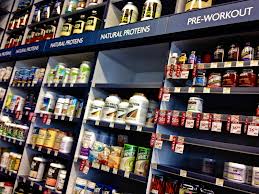
imagesWhen you are dealing with stressful issues, one of the first things you can do to help your body get through the stress, is to eat nutritious foods that are rich in specific vitamins; however, if just thinking about buying and cooking nutritious food adds more stress to your day, consider supplementing your diet with vitamins.  These basic vitamins and minerals can help prevent the damage that stress causes.

Vitamin A
Vitamin A is essential for stress reduction as its antioxidants aid the body in its ability to cope with stress.  Vitamin A can be found in foods such as fish oil, eggs, and spinach.

Vitamin B
B vitamins are an essential stress supplement. When you are under stress, your body uses large amounts of B vitamins to cope with the effects of stress.  Consider taking a B vitamin complex. Look for a formula that provides at least 50mg of each of the main B vitamins.

Vitamin B-1 (thiamin) helps support the nervous system and give you more energy
Vitamin B-2 (riboflavin) gives important support to your adrenal glands
Vitamin B-3 (niacin) has a strong effect on your feelings of being able to manage your stress
Vitamin B-5 (pantothenic acid) is necessary for the secretion of cortisol
Vitamin B-6 (pyridoxine) is helpful for reducing anxiety and depression
Vitamin B-8 (folic acid) helps reduce stress indirectly by reduces high levels of an amino acid homocysteine
Vitamin B-12 (cobalamin) is essential for the healthy functioning of your nerves

Good food sources of B complex vitamins are: Meat, Eggs, Nuts, Cheese, and Green vegetables.

Vitamin C
Vitamin C can help to reduce the levels of cortisol and corticosterone, which is a stress hormone in the blood.   The “daily recommended” amount of  Vitamin C is 60mg but much higher doses are needed for stress relief: 1000mg is an effective dose that you can take for long periods without any problems. Vitamin C is rich in certain foods, such as dark leafy greens, citrus fruits, strawberries, tomatoes and red pepper.

Calcium
Calcium helps our nerves send messages to our brain,and helps to regulate our nerves and muscles stamina and helps us sleep. Calcium is found in milk, cheeses, yogurts, sardines and sesame seeds.

Iron
Iron is essential when our bodies are under stress because it helps the flow of oxygen in our bodies.  Sardines, wheat germ, eggs and spinach are all iron rich foods.

Magnesium
Magnesium is an essential stress supplements because it helps prevent the damage caused by excess adrenaline.   Magnesium rich foods include, apples, bananas, green leafy vegetables, nuts, and Tofu.

Potassium
Potassium is an important nutrient against chronic stress, the nervous system, and heart function. Potassium rich foods include artichokes, spinach, beans, dried fruits,  and bananas.

Zinc
A lack of zinc can cause irritability, depression, and a low immune system. Fresh oysters, sesame seeds, ginger, and red meat are all zinc rich foods.

If you are experiencing  high levels of stress, please contact your health care practitioner before making any changes to your health routine.

April 27, 2015/by Carmen Scott
0 0 Carmen Scott https://www.diversifiedhealth.ca/wp-content/uploads/2026/01/DiversifiedHealth-logo.png Carmen Scott2015-04-27 12:13:352026-09-27 23:44:11Decreased Stress = Increased Vitamins
Page 23 of 48«‹2122232425›»

Search our Blog

Search Search

Topics of Interest

Acupuncture Back Pain Chronic Back Pain Chronic Pain Custom Orthotics Diversified Health Clinic Victoria BC Dry Needling eToims exercise fitness Foot pain GoodLife Fitness Victoria Marathon Headaches Health Care Victoria Health Tips Healthy lifestyle Immune System IMS Inflammation Joint Pain Knee Injuries Low Back Pain Marathons Massage Therapy Migraines natural health practitioner orthotics Pain management Pain Relief Physiotherapy physiotherapy victoria bc Plantar fasciitis Registered Massage Therapy Runner's knee Running Seasonal Allergies Skin Cancer Spinal Decompression Sports Injuries Stress Stretches Sunscreen Victoria therapeutic massage Vitamins walking

Categories

  • Acupuncture
  • Athletic Therapy
  • Chiropractic Care
  • Exercise Library
  • Fitness
  • Guest Bloggers/Articles
  • Health Information
  • Massage Therapy
  • News
  • Orthotics
  • Physiotherapy
  • Practitioners in Focus
  • Uncategorized
  • Victoria Healthcare News
  • Video Library

Archive

News & Events

  • Tension Headaches and Migraines: How to Tell Them Apart, What Helps and When to Get Checked October 6, 2026
  • Sciatica: Nerve Pain or Tight Muscle? Signs, Self-Care and When to Get It Checked October 6, 2026
  • Low Back Pain: Why It Happens, What Helps, and When to Get It Checked October 6, 2026
  • Neck Pain and “Tech Neck”: Causes, Desk Fixes and When to Get It Checked October 2, 2026
  • CryoDerm in Victoria: Cold vs. Heat, How to Use It, and Where to Get It September 26, 2026
  • How to Heal Your Pelvic Floor After Giving Birth | Pelvic Floor Physiotherapy Guide July 30, 2026
  • The Benefits of Shockwave Therapy Treatments February 28, 2023

PainHero Community Partner badge for Victoria

patients choice winner

A Victoria, BC Chiropractor winner of the Patients’ Choice Awards.Verified by Opencare.com

Diversified Health Clinic

The Mosaic Building
1063 Fort St, Victoria, BC
V8V 3K5, Canada
250-382-0018
Monday7 a.m. – 7 p.m.
Tuesday7 a.m. – 7 p.m.
Wednesday7 a.m. – 7 p.m.
Thursday7 a.m. – 7 p.m.
Friday7 a.m. – 7 p.m.
Saturday9 a.m. – 4 p.m.
Sunday8 a.m. – 2 p.m. (physiotherapy only)
© Copyright - Diversified Health Clinic. Website by Victoria's iDreamDigital.
  • Link to Facebook
  • Link to Instagram
  • Link to X
  • Link to Youtube
  • Link to Rss this site
  • Link to Mail
Scroll to top Scroll to top Scroll to top

This website uses cookies to understand how the site is used and to measure our advertising.

Privacy PolicyDismiss

Cookie and Privacy Settings


How we use cookies

We may request cookies to be set on your device. We use cookies to let us know when you visit our websites, how you interact with us, to enrich your user experience, and to customize your relationship with our website.

Click on the different category headings to find out more. You can also change some of your preferences. Note that blocking some types of cookies may impact your experience on our websites and the services we are able to offer.

Essential Website Cookies

These cookies are strictly necessary to provide you with services available through our website and to use some of its features.

Because these cookies are strictly necessary to deliver the website, refusing them will have impact how our site functions. You always can block or delete cookies by changing your browser settings and force blocking all cookies on this website. But this will always prompt you to accept/refuse cookies when revisiting our site.

We fully respect if you want to refuse cookies but to avoid asking you again and again kindly allow us to store a cookie for that. You are free to opt out any time or opt in for other cookies to get a better experience. If you refuse cookies we will remove all set cookies in our domain.

We provide you with a list of stored cookies on your computer in our domain so you can check what we stored. Due to security reasons we are not able to show or modify cookies from other domains. You can check these in your browser security settings.

Other external services

We also use different external services like Google Webfonts, Google Maps, and external Video providers. Since these providers may collect personal data like your IP address we allow you to block them here. Please be aware that this might heavily reduce the functionality and appearance of our site. Changes will take effect once you reload the page.

Google Webfont Settings:

Google Map Settings:

Google reCaptcha Settings:

Vimeo and Youtube video embeds:

Privacy Policy

You can read about our cookies and privacy settings in detail on our Privacy Policy Page.

Privacy Policy
Accept settingsHide notification only