
Injury Recovery in Greater Victoria, BC - Call us to book an appointment: (250) 382-0018
Diversified Health Clinic
  • Welcome
  • Meet our Team
    • Chiropractic
      • Dr. Matthew Bryan DC
      • Dr. Tessa Bryan DC
      • Dr. Krisjan Gustavson DC
      • Dr. Alexia Grelson DC
    • Physiotherapy
      • Spirit Donahue MPT
      • Kanu Priya MPT
      • Ivy Elling-Quaintance MPT
    • Registered Massage Therapy
      • Morag Hart RMT
      • Craig Lawrence RMT
      • McKenzie Connell RMT
      • Braedan Pearce RMT
      • Alex Baan-Meiklejohn RMT
    • Acupuncture
      • Annie Wang R.Ac R.TCM.P
      • Lauren Ching R.Ac
      • Rebecca Thompson R.Ac R.TCM.P
      • Jun Liu R.Ac
    • Kinesiology / Personal Training
      • Angelina Schaaf BCAK
      • Christian Schwarz BCAK
    • Medical Doctor
      • Dr. Ian Hyams MD
      • Jennifer Blum, EMSELLA
    • Clinical Counsellor
      • Laura Grohovac CCC
    • .
  • About
    • Our Clinic
    • Careers
  • Disciplines
    • Disciplines
      • Chiropractic
      • Physiotherapy
      • Registered Massage Therapy
      • Kinesiology
      • Acupuncture
      • Clinical Counselling
      • Medical Doctor
      • Personal Training
    • Treatments
      • Shockwave Therapy
      • Spinal Decompression
      • IMS (Intramuscular Stimulation)
      • Pelvic Floor Physiotherapy
      • EMSELLA
      • Class IV K Laser Therapy
      • Orthotics
      • eToims Needle-less IMS
  • Conditions
    • Plantar Fasciitis
    • Running Injuries
    • Allergies
    • Concussion Treatment
    • Bursitis
    • Tennis Elbow
    • TMJ Disorder
    • Automobile Collisions
    • Nerve Pain with Sciatica
    • Sport Injuries
    • Stress
    • Runner’s Knee
    • Vertigo & Vestibular Rehab
    • Concussions
  • Pricing
  • News & Events
    • News
    • Events
    • Practitioners In Focus
    • Exercise Library
  • Contact
  • ICBC Claims
  • Book Now!
  • News
  • Menu Menu
  • Link to Facebook
  • Link to Instagram
  • Link to X
  • Link to Youtube
  • Link to Rss this site
  • Link to Mail
  • Welcome
  • About
    • Meet our Team
    • Our Clinic
    • Careers
  • Disciplines
  • Conditions
  • Pricing
  • News
    • News & Advice
    • Practitioners In Focus
  • Contact
  • ICBC Claims
  • Book Now!
Guest Bloggers/Articles

Who’s fighting for private health insurance in Canada?

It’s been seven years since the Supreme Court of Canada struck down Quebec’s ban on using private insurance for “medically necessary” services covered by medicare.

Little has changed since then, but it looks like the seven-year itch is taking hold, because similar cases in Ontario, Alberta and B.C. are all expected before the courts in the coming months.

Readers may recall the case of doctor Jacques Chaoulli, who argued that prohibiting private health insurance jeopardized the well-being of people who desperately needed treatment, like patient George Zeliotis, who felt the wait for a hip transplant was unreasonably long.

Many predicted the Chaoulli ruling would throw open the floodgates for private insurance in Canada. (Six provinces outlaw the sale of private insurance for medically necessary care, meaning physician and hospital services.)

It did not, for a couple of reasons: 1) the case was fought using the Quebec Charter of Human Rights and Freedoms, so it applied only to Quebec and; 2) the court said the prohibition on private insurance could be justified if wait times were not unreasonable.

The Chaoulli case prompted the provinces to set wait-time benchmarks that have helped alleviate some waits. But, more than anything, the ruling gave ammunition to those who want more “choice” – meaning the ability to buy private care.

You’re going to be hearing a lot more about these cases:

McCreith-Holmes in Ontario: Lindsey McCreith travelled to Buffalo to get an MRI rather than wait four months in Ontario; when the test confirmed cancer, he returned to the United States for surgery, arguing the wait was too long at home. Shona Holmes was losing her vision and an MRI showed a brain tumour. Facing waits of up to six months, she travelled to Arizona for surgery. (Ms. Holmes is the star of a Republican Party ad campaign vilifying Canadian medicare.)

Allen-Cross in Alberta: Darcy Allen suffered debilitating back pain from a hockey injury; after two years, he travelled to Montana for surgery, paying $77,503. Richard Cross paid $24,236 for back surgery in Arizona. Both are asking to be reimbursed by the Alberta public health insurance plan and for the prohibition on the sale of private health insurance to be struck down.

Cambie Surgery in B.C.: Brian Day and four clinic patients are challenging provincial legislation that restricts residents from privately accessing health care services that are also funded under the B.C. Medical Services Plan. The patients include two who had long waits for orthopedic surgery and two with cancer. Dr. Day has been at loggerheads with the province for years and has been threatened with fines for extra-billing patients.

The lawsuits all claim that thousands of Canadians suffer irreversible harm as a direct result of the prohibition on the sale of private insurance. They argue that long waits for care, and the inability to circumvent those waits, violate the right to life, liberty and security of the person guaranteed under Section 7 of the Charter of Rights and Freedoms.

An estimated 40,000 Canadians seek health care in the United States each year, some of it covered by provincial insurance plans. Many more are treated in private clinics with private insurance paid by workers’ compensation plans, which are exempt from provincial prohibitions. And some doctors – about 1 per cent – have opted out of medicare to sell their services, which is perfectly legal.

All this is to say the debate over the role of private delivery of care and private insurance is complex and emotion-laden.

The fundamental issue, however, is whether individual rights trump those of the collectivity.

A single-payer system like Canada’s ensures “free” care to all, but often the result is some rationing, some waits.

The alternative is to offer much more choice but ration access based on wealth: Those with money or private insurance get care more swiftly.

As a result, the argument is often caricatured as rich versus poor, or capitalism versus socialism. Invariably, someone will point to Europe and say: They have two-tier health care there and it works. True, but they have far more regulation than Canada, and private insurance is often the norm not the exception.

The complicating factor in Canada is that the prohibition on private insurance applies only to hospital and physician services. Why are we allowed – sometimes even obliged – to buy private insurance for prescription drugs, eye care, dental care, home care, nursing-home care, etc. – but not for surgery and doctors’ visits?

The logic has been lost somewhere. Worse yet, we have opted to stick our heads in the sand rather than debate these issues openly.

These legal challenges involve issues the provincial health ministers and premiers (who will meet to talk health care late this week in Halifax) should be discussing.

Regardless of their views, politicians and policy makers should agree on one thing: Health policy should be fashioned by elected officials, not the courts.

Written by: ANDRÉ PICARD/The Globe and Mail

October 2, 2012/2 Comments/by Diversified Health Clinic
https://www.diversifiedhealth.ca/wp-content/uploads/2026/01/DiversifiedHealth-logo.png 0 0 Diversified Health Clinic https://www.diversifiedhealth.ca/wp-content/uploads/2026/01/DiversifiedHealth-logo.png Diversified Health Clinic2012-10-02 06:54:232026-09-27 23:49:09Who’s fighting for private health insurance in Canada?
Acupuncture, Guest Bloggers/Articles

Autumn & Acupuncture | acupuncture victoria bc

In Autumn, we observe nature withdrawing inward.  We see leaves wither on the branch as the trees gather energy inward and down to the deep center and roots to protect and guard vitality, like a precious secret, throughout the winter months.

As winter draws near, we notice a similar process in our own bodies. Our skin become pale and dry. Our energy draws inward to protect vital organs from the dampness and cold. We develop the urge to be quiet, sleep and stay indoors more than in the warmer months.

Our modern, urban lifestyle often prevents most of us from the luxury of indulging our natural instincts to hibernate when winter arrives. Exposing ourselves to the elements and over-spending energy during cold months can compromise the immune system, leaving us vulnerable to viruses that cause influenza and the common cold.

For those of us who are unable to spend the winter in Mexico, here are some tips on how to protect your immune system:

Never leave the house with wet hair

Dampness allows cold to penetrate more deeply. It’s especially important to prevent the neck and head from becoming exposed to harsh elements. This is usually the first area to be effected by colds and flu. Most infectious illness in winter begin with a stiff neck and headache.

Avoid eating too many cold foods

In winter, our bodies are using energy to warm our internal organs. Help your body in this regard by eating healthy cooked cereals, soups and stews. Fresh fruit and vegetables are important too, but are to be consumed in much smaller quantity than in summer months. Root vegetables, brown rice and carefully chosen protein sources can be a staple.

Try not to eat too much spicy foods

Even though spicy food is great for warming our bodies, it’s too ‘hot’ in nature to be useful in winter. Spicy foods are used in hot climates to promote sweating in order to cool the body and are delicious, however, spicy foods are an inappropriate choice for use during cold weather.

Wear a scarf and cover your legs

Even those of us who don’t feel the need to cover our necks and legs in winter need to avoid exposing bare skin. A light scarf, thin gloves and tights can be enough to guard against the elements.

Try acupuncture to boost your immune system

There is scientific and clinical evidence to support claims that acupuncture is an effective treatment for migraines and headaches.; as well as getting rid of lingering symptoms of colds and flus that are prevalent this time of year.  Acupuncture works by regulating circulation to the internal organs which in turn allows the immune system to work as nature intended to heal the body.

Written by: Victoria Spaurel, R.Ac., Registered Acupuncturist

September 28, 2012/by Diversified Health Clinic
https://www.diversifiedhealth.ca/wp-content/uploads/2026/01/DiversifiedHealth-logo.png 0 0 Diversified Health Clinic https://www.diversifiedhealth.ca/wp-content/uploads/2026/01/DiversifiedHealth-logo.png Diversified Health Clinic2012-09-28 08:56:372026-09-27 23:49:09Autumn & Acupuncture | acupuncture victoria bc
Health Information

Should You Race a Half Marathon to train for a Marathon?

The first question you need to ask is;  is a half marathon a good idea for every marathoner?

The answer is; it depends on your fitness level and marathon goals.

If you’re a first-time marathoner and your only goal is to finish the race, the benefits of a half marathon race aren’t as important.  Remember that racing causes muscle damage, and novice runners won’t heal as quickly as more advanced  runners, which means that the novice runner will need to take time off to recover and this can set back your training schedule.

If you are a experienced marathoner and have a specific time goal, there are advantageous to racing a half marathon to prepare your body. Running a half marathon will allow you to estimate your marathon finish time, familiarize yourself with the course and will give you a much more accurate estimate of your fitness level.

If you choose to race a half marathon as your marathon tune-up race, follow these guidelines:

  • Schedule them 5 to 7 weeks before your marathon to allow sufficient recovery
  • Don’t run more than one half during a marathon training cycle  and don’t wear, eat or drink anything new on race day.
  • Prioritize recovery after the race: extra sleep, an ice baths, and light cross-training will get you back to marathon training as soon as possible
  • Reduce the volume and intensity of the next 1 to 3 runs in your training plan

You know your body best and if you get beat up by racing and need more time to recover adequately you should choose a shorter tune-up race, such as a 10K.

What you don’t want to do is increase your training a few weeks before the race. This is the time when many runners have been racing for at least 2 months and have become used to a certain level of training. Draw strength from the hard work you’ve put in and have confidence in what you’ve been doing.

Running a half marathon can be a valuable tool to help estimate your finish time and gauge how well your body & fitness level will hold up to a full marathon….. Good Luck!

September 26, 2012/by Carmen Scott
https://www.diversifiedhealth.ca/wp-content/uploads/2026/01/DiversifiedHealth-logo.png 0 0 Carmen Scott https://www.diversifiedhealth.ca/wp-content/uploads/2026/01/DiversifiedHealth-logo.png Carmen Scott2012-09-26 11:19:582026-09-27 23:49:09Should You Race a Half Marathon to train for a Marathon?
Chiropractic Care

Degenerative Disc Disease | Rehab Victoria BC

Degenerative Disc Disease | Rehab Victoria BCDegenerative disc disease is one of the most common causes of low back pain.

The lumbar disc is a well-designed structure in the spine. It is strong enough to resist terrific forces in multiple different planes of motion, yet it is still very mobile. However, too much physical activity, gravity, and injuries can cause the spinal column to compress, which narrows the channel through which blood freely flows; and this restriction of the needed nutrients can result in damage and deterioration.

The pain associated with degenerative disc disease is normally caused from inflammation and abnormal micro-motion instability.  Inflammation in the disc space can lead to low back pain radiating to the hips; with associated pain traveling down the back of the legs.

Patients with degenerative disc disease will have some underlying chronic low back pain, experiencing periodic severe low back pain. In an attempt to stabilize the spine and decrease the micro-motion, the body reacts to the disc pain with muscle spasms. The reactive spasms are what make patients feel like their back has “gone out”.

This is why Spinal Decompression tables are one of the most effective treatments for Degenerative Disc Disease.  Spinal Decompression uses a distraction force to relieve the nerve compression often associated with low back pain. This treatment specifically addresses the compression or pressure in the spinal column.

It is a non-surgical treatment that makes use of a specially-designed table that decompresses the specific area of the spine where the pressure is evident. The decompression process reduces the pressure in the affected area of the spine and restores it to its normal position. Spinal decompression’s primary goal is to allow much-needed oxygen, nutrients and fluid into injured and degenerated discs allowing the healing to begin.

Common Symptoms of Degenerative Disc Disease Include:

Low back pain made worse with sitting.  (in the seated position the discs are loaded three times more than standing)

Certain types of activity will  worsen the low back pain, especially bending, lifting and twisting.

Walking, and even running, will feel better than prolonged sitting or standing.

Feeling better by changing positions frequently. (lying down is the best position since this relieves stress on the disc space)

Please contact any of our health care practitioners for more information on Degenerative Disc Disease.

September 24, 2012/2 Comments/by Carmen Scott
https://www.diversifiedhealth.ca/wp-content/uploads/2026/01/DiversifiedHealth-logo.png 0 0 Carmen Scott https://www.diversifiedhealth.ca/wp-content/uploads/2026/01/DiversifiedHealth-logo.png Carmen Scott2012-09-24 10:48:282026-09-27 23:44:28Degenerative Disc Disease | Rehab Victoria BC
Acupuncture, Guest Bloggers/Articles

Acupuncture Provides True Pain Relief in Study

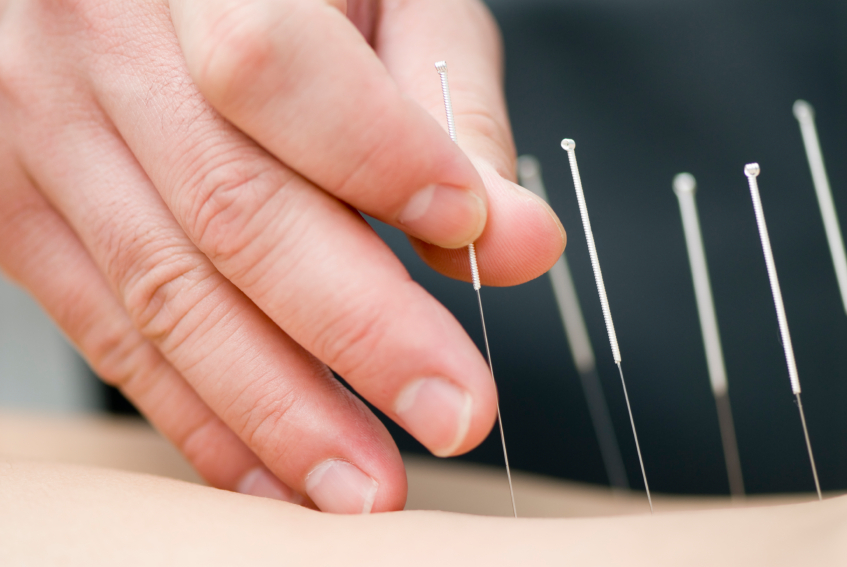
acupuncture victoria bcA new study of acupuncture — the most rigorous and detailed analysis of the treatment to date — found that it can ease migraines and arthritis and other forms of chronic pain.

The findings provide strong scientific support for an age-old therapy used by an estimated three million Americans each year. Though acupuncture has been studied for decades, the body of medical research on it has been mixed and mired to some extent by small and poor-quality studies. Financed by the National Institutes of Health and carried out over about half a decade, the new research was a detailed analysis of earlier research that involved data on nearly 18,000 patients.

The researchers, who published their results in Archives of Internal Medicine, found that acupuncture outperformed sham treatments and standard care when used by people suffering from osteoarthritis, migraines and chronic back, neck and shoulder pain.

“This has been a controversial subject for a long time,” said Dr. Andrew J. Vickers, attending research methodologist at Memorial Sloan-Kettering Cancer Center in New York and the lead author of the study. “But when you try to answer the question the right way, as we did, you get very clear answers.

“We think there’s firm evidence supporting acupuncture for the treatment of chronic pain.”

Acupuncture, which involves inserting needles at various places on the body to stimulate so-called acupoints, is among the most widely practiced forms of alternative medicine in the country and is offered by many hospitals. Most commonly the treatment is sought by adults looking for relief from chronic pain, though it is also used with growing frequency in children. According to government estimates, about 150,000 children in the United States underwent acupuncture in 2007.

But for all its popularity, questions about its efficacy have long been commonplace. Are those who swear by it experiencing true relief or the psychological balm of the placebo effect?

Dr. Vickers and a team of scientists from around the world — England, Germany, Sweden and elsewhere — sought an answer by pooling years of data. Rather than averaging the results or conclusions from years of previous studies, a common but less rigorous form of meta-analysis, Dr. Vickers and his colleagues first selected 29 randomized studies of acupuncture that they determined to be of high quality. Then they contacted the authors to obtain their raw data, which they scrutinized and pooled for further analysis. This helped them correct for statistical and methodological problems with the previous studies, allowing them to reach more precise and reliable conclusions about whether acupuncture actually works.

All told, the painstaking process took the team about six years. “Replicating pretty much every single number reported in dozens of papers is no quick or easy task,” Dr. Vickers said.

The meta-analysis included studies that compared acupuncture with usual care, like over-the-counter pain relievers and other standard medicines. It also included studies that used sham acupuncture treatments, in which needles were inserted only superficially, for example, or in which patients in control groups were treated with needles that covertly retracted into handles.

Ultimately, Dr. Vickers and his colleagues found that at the end of treatment, about half of the patients treated with true acupuncture reported improvements, compared with about 30 percent of patients who did not undergo it.

“There were 30 or 40 people from all over the world involved in this research, and as a whole the sense was that this was a clinically important effect size,” Dr. Vickers said. That is especially the case, he added, given that acupuncture “is relatively noninvasive and relatively safe.”

Dr. Vickers said the results of the study suggest that people undergoing the treatment are getting more than just a psychological boost. “They’re not just getting some placebo effect,” he said. “It’s not some sort of strange healing ritual.”

The NewYork Times | Health & Science                                                                                                                                                              By Anahad O’Connor

September 20, 2012/by Diversified Health Clinic
https://www.diversifiedhealth.ca/wp-content/uploads/2026/01/DiversifiedHealth-logo.png 0 0 Diversified Health Clinic https://www.diversifiedhealth.ca/wp-content/uploads/2026/01/DiversifiedHealth-logo.png Diversified Health Clinic2012-09-20 07:33:462026-09-27 23:44:28Acupuncture Provides True Pain Relief in Study
Guest Bloggers/Articles

Is your desk slowly killing you? (Infographic)

It’s no secret that the nature of work has changed over the past fifty years. Most of us no longer rely on brawn to bring home the bacon, but instead rely on brains to navigate the knowledge economy.

But could this change in work habits slowly be killing us?

Click through the infographic below to find out more.

The team at Diversified Health Clinic has collected a few statistics that demonstrate what many of us have started noticing more and more: not only we getting fatter as a result of work, our our sedentary desk jobs are starting to take a sinister toll on our health. Never to fear – there are some solutions, from simply eating less and exercising more, to changing the way you work.

Have an idea on how to fight off your deathly desk? Let us know!

Many doctors in Victoria BC promote regular exercise and a change in diet as a treatment for metabolic syndrome.

September 14, 2012/by Carmen Scott
https://www.diversifiedhealth.ca/wp-content/uploads/2026/01/DiversifiedHealth-logo.png 0 0 Carmen Scott https://www.diversifiedhealth.ca/wp-content/uploads/2026/01/DiversifiedHealth-logo.png Carmen Scott2012-09-14 07:03:002026-09-27 23:44:28Is your desk slowly killing you? (Infographic)
Chiropractic Care, Health Information, Orthotics

Do you Overpronate or Underpronate? | Orthotics Victoria

Orthotics are biomechanical appliances, that enable feet to be held in a more stable position, therefore reducing stress and strain on the body.

Over 50% of the population have feet that overpronate or underpronate. This means that the foot turns too much or not enough. Overpronation or underpronation can lead to serious injury and pain.  Orthotics can help this by correcting the problem by adjusting the angles in which your feet touch the ground.

Orthotics can help with such conditions as plantar fascitis, chronic blisters, shinsplints and back pain. Most problems that occur within your body, are likely caused by too much stress on it. Too much stress causes things to break, rip or tear. In this case, orthotics help prevent these injuries by reducing the amount of stress that has caused the problem in the first place.

Orthotics help restore the normal balance and alignment of your body by gently correcting foot abnormalities. They gently reduce problems associated with pressure points, and muscle strain on knees, hips and backs.

What type of orthotics to use depends on what you are trying to accomplish for the foot. For the over-pronator, generally a more rigid type of orthotic is necessary since you are trying to limit the amount of rolling that occurs. Softer types of orthotics are indicated for under-pronators, to fill the arch and provide increased shock absorption.

The important point to remember when considering orthotics is that they should be customized for your feet and made by someone well-trained in foot biomechanics. While there is a lot of science that goes into deciding upon and making an orthotic, there is some art as well and sometimes adjustments are necessary. The final orthotic product should be something you would not think of going on a run without, not an expensive dust collector in the back of your closet.

Diversified Health’s lead Chiropractor, Dr. Krisjan Gustavson has been making orthotics for over 25 years, and would be happy to meet with you to discuss if you are a candidate for custom orthotics.

September 12, 2012/by Carmen Scott
https://www.diversifiedhealth.ca/wp-content/uploads/2026/01/DiversifiedHealth-logo.png 0 0 Carmen Scott https://www.diversifiedhealth.ca/wp-content/uploads/2026/01/DiversifiedHealth-logo.png Carmen Scott2012-09-12 10:23:542026-09-27 23:49:09Do you Overpronate or Underpronate? | Orthotics Victoria
Guest Bloggers/Articles, Physiotherapy

What is Dry Needling or IMS physiotherapy?

Trigger point dry needling, also referred to as intramuscular stimulation (IMS) and/or intramuscular therapy (IMT) is an invasive procedure in which an acupuncture needle is inserted into the skin and muscle. 

It’s actually considered part of physiotherapy, and is not acupuncture.

IMT treatments at Diversified. Read more about here.

What is Trigger Point Dry Needling?

Trigger point dry needling is physical intervention that uses dry needles to stimulate trigger points, diagnose and treat neuromuscular pain and functional movement deficits. 1

As the name implies, dry needling is primarily directed at myofascial trigger points, which are defined as “hyperirritable spots in skeletal muscle that are associated with a hypersensitive palpable point in a taut band”.2

Physical therapists around the world practice trigger point dry needling as part of their clinical practice and use the technique in combination with other physical therapy interventions.  A high degree of kinaesthetic perception allows a physical therapist to use the needle as a palpation tool and appreciate differences in the density of those tissues pierced by the needle.3

Although some people refer to trigger point dry needling as a form of acupuncture, it did not originate as part of the practice of traditional Chinese acupuncture. The difference being that there are distinct anatomical locations of myofascial trigger points within muscle tissue, whereas acupuncture points have point specificity on the body.

There is substantial medical literature on IMS and dry needling that has been subjected to peer review. Trigger point dry needling has been used following a variety of different schools and conceptual models.  According to these models, when the flow of nerve impulses is restricted to an area of the body, all innervated structures, including muscle, spinal nerves, sympathetic ganglia, adrenal glands, sweat cells, and brain cells become atrophic, irritable, and supersensitive.4,5

Many common diagnoses, such as achilles tendonitis, lateral epicondylitis, frozen shoulder, chrondromalacia patellae, headaches, plantar fasciitis, temporomandibular joint (TMJ) dysfunction, myofascial pain syndrome (MPS), and others, might in fact be the result of neuropathy, and associated myofascial trigger points.4

Intramuscular therapy has been very successful for patients with chronic low back pain and sciatica symptoms. Shortening of the paraspinal muscles, particularly the multifidi muscles, can lead to disc compression, narrowing of the intervertebral foramina, and/or cause direct pressure on the nerve root, which subsequently would result in peripheral neuropathy and compression of super sensitive pain receptors, resulting in pain and dysfunction. 4,5

In layman’s terms, the treatment uses acupuncture needles, to target specific muscles that have contracted and become shortened. These shortened muscles compress and irritate the nerves. This treatment can greatly reduce tightness and pain, while increasing flexibility and range of motion.

The treatment involves dry needling of affected areas of the body without injecting any substance. The needle sites can be targeted at the site of taut, painful muscle bands, and/or can be near the spine where the nerve root may have become irritated and super-sensitive.

An important note is needling  of a normal muscle is painless. In contrast a shortened, muscle will ‘grasp’ the needle and produces a  cramping sensation. Intramuscular dry needling can reduce pain and soften these trigger points, while increasing flexibility and range of motion.

  1. 1.Dommerholt J, Mayoral del Moral O, Grobly C.  Trigger point dry needling. The Journal of Manual & Manipulative Therapy 2006; 14(4): E70-87.
  2. Simons DG, Travell JG, Simons LS. Travell and Simons’ Myofascial Pain and Dysfunction: The Trigger Point Manual. Vol 1. 2nd ed. Baltimore, MD: Williams & Wilkins, 1999.
  3. Mayoral del Moral O. Fisioterapia invasiva del sindrome de dolor myofascial [Spanish; Invasive physical therapy for myofascial pain syndrome]. Fisioterapia 2005;27(2):69-75.
  4. Gunn CC. Radiculopathic pain: Diagnosis, treatment of segmental irritation or sensitization. J Musculoskeletal Pain 1997;5(4):119-134.
  5. 5.  Cannon WB, Rosenblueth A. The Supersensitivity of Denervated Structures: A Law of Denervation. New York, NY: MacMillan, 1949.


September 4, 2012/by Diversified Health Clinic
https://www.diversifiedhealth.ca/wp-content/uploads/2026/01/DiversifiedHealth-logo.png 0 0 Diversified Health Clinic https://www.diversifiedhealth.ca/wp-content/uploads/2026/01/DiversifiedHealth-logo.png Diversified Health Clinic2012-09-04 06:15:202026-09-27 23:49:10What is Dry Needling or IMS physiotherapy?
Guest Bloggers/Articles

A Playful Discussion of the Concept of Fluid Lifestyle and Ignite Retreat

I began ‘working out’ when I was 16.  I’m 41 now.  Yup, that’s right.  I used to wear the electric blue full body spandex suit and jump up and down for an hour almost every day at aerobics classes.  My instructor had similar tights but her outfit was topped by the spandex g-string body suit over the tights… Those were the days!!

 I must admit at that fresh age, I was exercising for ‘the pursuit of the perfect body’, with little awareness of the manifold benefits of physical activity.  It was not long into my exercise routine though that I became addicted to the shift in energy (many a bad mood turned happy), the reduction of stress, the confidence in my body from increased strength and balance, and the sense of accomplishment that exercise afforded.  It has taken me years, however, to really understand that the pivotal key to exercise is its ability to bring us into the moment and to make us stay present.

When I am doing squat leaps, running stairs, or sitting in the chair of utkatasana in yoga for thigh quivering minutes, I am not thinking about anything but what is in that exact moment… breathing, focusing, and maintaining alignment (OK and maybe trying to not fling sweat at my neighbors).  All the busy rush of my mind is forced out.  It does not matter.  Presence and breath are the ultimate gifts of movement.

Likewise any act of creativity can slow the mind to the simplest task at hand.  I used to endeavor to make crafts as Christmas gifts for years while I was in university (as a means to save money, but also as a statement against mass holiday consumption).  I am not sure how the recipients of the gifts felt about them – but I loved the process!!  Choosing a project, sitting there for hours cutting, pasting, ripping, weaving, painting.  I would often forget to blink…  Again all else melts away and alignment with the moment unfolds.

I have created Fluid and Ignite Retreat as an opportunity to explore the magical energy of inspiration and joy that arise from just such delicious expansive moments of breathing, creating, moving, tasting, playing.

We each have our own paths but I believe that our purpose is to expand our consciousness while here on this planet.  Why not start by making choices that honour our bodies and create the possibilities for this expansiveness of body, heart and soul?

Ignite Retreat

Fluid Lifestyle Presents:

Ignite Retreat… Spark the Fire of Creativity and Movement.  Autumn Equinox, September 20-23, 2012

Unleash your energy, activate your inspiration, learn, stretch and dance into joy. Experience the peaceful setting and deep beauty of Stowel Lake Farm, an organic farm and wellness centre on the south end of sun drenched Saltspring Island.  Ignite your inner fire with creativity and movement. Find balance and soak up the abundance of the harvest season.

 Connect with your breath, still your mind and indulge your body in a daily series of sensual, flowing yoga classes with Maria Filippione. Get your body moving and feel the rhythm of the Groove Method with Sarah Smith. Learn the practice of using hot beeswax, colour and encaustic techniques to create your own work of art with artist Maria Middleton. Feast your senses with a field to table cooking class with Stowel Lake Farm’s Haidee Hart. Divine your personal vision, deepen goals, and tap into the energy of your creative voice in a writing workshop with Danielle Janess. (No experience is necessary  to join in any of these options.)

Cory Judge has been passionate about personal health and fitness for years. She holds a degree in Environmental Studies and Geography from UVIC, but found her path led outside the mainstream and into the entrepreneurial world of artisan design.

For more information or to register go to Fluid

E: info@fluidlifestyle.ca

P: 250-886-5551

August 29, 2012/1 Comment/by Diversified Health Clinic
https://www.diversifiedhealth.ca/wp-content/uploads/2026/01/DiversifiedHealth-logo.png 0 0 Diversified Health Clinic https://www.diversifiedhealth.ca/wp-content/uploads/2026/01/DiversifiedHealth-logo.png Diversified Health Clinic2012-08-29 06:55:502026-09-27 23:44:29A Playful Discussion of the Concept of Fluid Lifestyle and Ignite Retreat
Health Information

Becoming a Produce Detective

Grocery shopping is something we all do several times a month. We all struggle to buy less processed food, and more locally sourced produce, in environmentally friendly packaging.

So, how do we know about the toxicity of whole foods? Is there a way to identify if the produce we purchase has been genetically modified, organically grown or grown conventionally.

The answer to the question – PLU – Price Look-Up Codes. These codes are printed on small stickers that are found on all fruits and vegetables. The stickers have either a 4 or 5 digit number and depending on where the produce originates the PLU sticker may also contain the produce variety, country of origin, and logo. These codes are affixed to every piece of fresh produce which helps the supplier identify the product and allows the registers at grocery stores to scan them.

PLU Numbers on Produce Stickers:
• Organic produce has a 5 digit PLU number that begins with the number 9.
• Conventional produce has a 4 digit PLU number that begins with the number 4.
• Genetically modified (GMO) produce has a 5 digit PLU number that begins with the number 8.

The codes have been in use since the early 1990’s, and while it’s true that fresh produce in supermarkets is labeled with a code to help identify it; using an 8 to label GMOs is optional, and most companies don’t identify that their produce is genetically modified. Genetically modified foods are not regulated and as of yet, do not require labeling.

PLU Examples:

Fuji Apples
#94129 Organic
#4131 Conventional

Granny Smith Apples
#94017 organic
#4017 conventional

Gala Apples
#94133 Organic
#4133 Conventional

So the next time you go shopping and wonder about how the food you are buying has been grown, be a produce detective and take a look at the PLU code; they contain a little more information than you think.

August 27, 2012/by Carmen Scott
https://www.diversifiedhealth.ca/wp-content/uploads/2026/01/DiversifiedHealth-logo.png 0 0 Carmen Scott https://www.diversifiedhealth.ca/wp-content/uploads/2026/01/DiversifiedHealth-logo.png Carmen Scott2012-08-27 06:55:392026-09-27 23:49:09Becoming a Produce Detective
Page 39 of 48«‹3738394041›»

Search our Blog

Search Search

Topics of Interest

Acupuncture Back Pain Chronic Back Pain Chronic Pain Custom Orthotics Diversified Health Clinic Victoria BC Dry Needling eToims exercise fitness Foot pain GoodLife Fitness Victoria Marathon Headaches Health Care Victoria Health Tips Healthy lifestyle Immune System IMS Inflammation Joint Pain Knee Injuries Low Back Pain Marathons Massage Therapy Migraines natural health practitioner orthotics Pain management Pain Relief Physiotherapy physiotherapy victoria bc Plantar fasciitis Registered Massage Therapy Runner's knee Running Seasonal Allergies Skin Cancer Spinal Decompression Sports Injuries Stress Stretches Sunscreen Victoria therapeutic massage Vitamins walking

Categories

  • Acupuncture
  • Athletic Therapy
  • Chiropractic Care
  • Exercise Library
  • Fitness
  • Guest Bloggers/Articles
  • Health Information
  • Massage Therapy
  • News
  • Orthotics
  • Physiotherapy
  • Practitioners in Focus
  • Uncategorized
  • Victoria Healthcare News
  • Video Library

Archive

News & Events

  • Neck Pain and “Tech Neck”: Causes, Desk Fixes and When to Get It Checked October 2, 2026
  • CryoDerm in Victoria: Cold vs. Heat, How to Use It, and Where to Get It September 26, 2026
  • How to Heal Your Pelvic Floor After Giving Birth | Pelvic Floor Physiotherapy Guide July 30, 2026
  • The Benefits of Shockwave Therapy Treatments February 28, 2023
  • Piriformis Syndrome: A Real Pain in the Butt January 31, 2023
  • Searching for a Personal Trainer in Victoria to Help You Achieve Your Goals? December 31, 2022
  • Are Winter Blues + Holiday Stress Making You Feel Grinchy?  November 28, 2022

PainHero Community Partner badge for Victoria

patients choice winner

A Victoria, BC Chiropractor winner of the Patients’ Choice Awards.Verified by Opencare.com

Diversified Health Clinic

The Mosaic Building
1063 Fort St, Victoria, BC
V8V 3K5, Canada
250-382-0018
Monday7 a.m. – 7 p.m.
Tuesday7 a.m. – 7 p.m.
Wednesday7 a.m. – 7 p.m.
Thursday7 a.m. – 7 p.m.
Friday7 a.m. – 7 p.m.
Saturday9 a.m. – 4 p.m.
Sunday8 a.m. – 2 p.m. (physiotherapy only)
© Copyright - Diversified Health Clinic. Website by Victoria's iDreamDigital.
  • Link to Facebook
  • Link to Instagram
  • Link to X
  • Link to Youtube
  • Link to Rss this site
  • Link to Mail
Scroll to top Scroll to top Scroll to top

This website uses cookies to understand how the site is used and to measure our advertising.

Privacy PolicyDismiss

Cookie and Privacy Settings


How we use cookies

We may request cookies to be set on your device. We use cookies to let us know when you visit our websites, how you interact with us, to enrich your user experience, and to customize your relationship with our website.

Click on the different category headings to find out more. You can also change some of your preferences. Note that blocking some types of cookies may impact your experience on our websites and the services we are able to offer.

Essential Website Cookies

These cookies are strictly necessary to provide you with services available through our website and to use some of its features.

Because these cookies are strictly necessary to deliver the website, refusing them will have impact how our site functions. You always can block or delete cookies by changing your browser settings and force blocking all cookies on this website. But this will always prompt you to accept/refuse cookies when revisiting our site.

We fully respect if you want to refuse cookies but to avoid asking you again and again kindly allow us to store a cookie for that. You are free to opt out any time or opt in for other cookies to get a better experience. If you refuse cookies we will remove all set cookies in our domain.

We provide you with a list of stored cookies on your computer in our domain so you can check what we stored. Due to security reasons we are not able to show or modify cookies from other domains. You can check these in your browser security settings.

Other external services

We also use different external services like Google Webfonts, Google Maps, and external Video providers. Since these providers may collect personal data like your IP address we allow you to block them here. Please be aware that this might heavily reduce the functionality and appearance of our site. Changes will take effect once you reload the page.

Google Webfont Settings:

Google Map Settings:

Google reCaptcha Settings:

Vimeo and Youtube video embeds:

Privacy Policy

You can read about our cookies and privacy settings in detail on our Privacy Policy Page.

Privacy Policy
Accept settingsHide notification only