Injury Recovery in Greater Victoria, BC - Call us to book an appointment: (250) 382-0018
Diversified Health Clinic
  • Welcome
  • Meet our Team
    • Chiropractic
      • Dr. Matthew Bryan DC
      • Dr. Tessa Bryan DC
      • Dr. Krisjan Gustavson DC
      • Dr. Alexia Grelson DC
    • Physiotherapy
      • Spirit Donahue MPT
      • Kanu Priya MPT
      • Ivy Elling-Quaintance MPT
    • Registered Massage Therapy
      • Morag Hart RMT
      • Craig Lawrence RMT
      • McKenzie Connell RMT
      • Braedan Pearce RMT
      • Alex Baan-Meiklejohn RMT
    • Acupuncture
      • Annie Wang R.Ac R.TCM.P
      • Lauren Ching R.Ac
      • Rebecca Thompson R.Ac R.TCM.P
      • Jun Liu R.Ac
    • Kinesiology / Personal Training
      • Angelina Schaaf BCAK
      • Christian Schwarz BCAK
    • Medical Doctor
      • Dr. Ian Hyams MD
      • Jennifer Blum, EMSELLA
    • Clinical Counsellor
      • Laura Grohovac CCC
    • .
  • About
    • Our Clinic
    • Careers
  • Disciplines
    • Disciplines
      • Chiropractic
      • Physiotherapy
      • Registered Massage Therapy
      • Kinesiology
      • Acupuncture
      • Clinical Counselling
      • Medical Doctor
      • Personal Training
    • Treatments
      • Shockwave Therapy
      • Spinal Decompression
      • IMS (Intramuscular Stimulation)
      • Pelvic Floor Physiotherapy
      • EMSELLA
      • Class IV K Laser Therapy
      • Orthotics
      • eToims Needle-less IMS
  • Conditions
    • Plantar Fasciitis
    • Running Injuries
    • Allergies
    • Concussion Treatment
    • Bursitis
    • Tennis Elbow
    • TMJ Disorder
    • Automobile Collisions
    • Nerve Pain with Sciatica
    • Sport Injuries
    • Stress
    • Runner’s Knee
    • Vertigo & Vestibular Rehab
    • Concussions
  • Pricing
  • News & Events
    • News
    • Events
    • Practitioners In Focus
    • Exercise Library
  • Contact
  • ICBC Claims
  • Book Now!
  • News
  • Menu Menu
  • Link to Facebook
  • Link to Instagram
  • Link to X
  • Link to Youtube
  • Link to Rss this site
  • Link to Mail
  • Welcome
  • About
    • Meet our Team
    • Our Clinic
    • Careers
  • Disciplines
  • Conditions
  • Pricing
  • News
    • News & Advice
    • Practitioners In Focus
  • Contact
  • ICBC Claims
  • Book Now!
Chiropractic Care, Health Information, Orthotics, Physiotherapy

Orthotic FAQ | Advanced Health Care Products Victoria

Orthotic FAQ | Advanced Health Care Products VictoriaA custom orthotic is a biomechanical medical appliance designed to align the foot and ankle into the most anatomically efficient position.  Orthotics work by decreasing high-pressure areas, stabilizing foot alignment and cushioning the foot.

Custom orthotics reduce stress and strain on your body by bringing your feet back into proper alignment by re-aligning the foot and redirecting / reducing certain motion that take place during the gait cycle.

The longer you wear your orthotics, the more benefit you will get out of them. If your daily activities require that you change your footwear; you should have a second pair of orthotics designed for that specific activity.  The type of orthotic depends on many factors including lifestyle, athletic activities (i.e., walking, running), foot type, and the problems that are being encountered.  Remember that the orthotics will not permanently change your anatomy and will only “work” when you are standing or walking on them.

Custom orthotics are used to relieve symptoms of common injuries, such as plantar fasciitis, over-pronation, under-pronation,  and various foot and ankle injuries, as well as helping individuals with diabetes or arthritis. Orthotics complement other treatments such as physiotherapy and chiropractic.

The symptoms of poor foot mechanics can include any one of the following:

  • Localized foot pain
  • Bunions, hammer toes
  • Arch/heel pain
  • Leg/knee pain
  • Hip or back pain – even neck pain

Custom orthotics work to realign the structure of your foot, so you may feel pressure in some areas of the orthotic. When you start wearing your orthotics, it is normal for the orthotics to feel strange; however, properly fitted orthotics should not cause any new pain, blistering or redness.

Keep in mind that your shoes act as a foundation for the foot and provide a stable base for an orthotic to sit on. It is important to wear appropriate footwear, as the footwear itself is part of the treatment.  A foot orthotic can be rendered ineffective by placing it in an inferior shoe or runner.

Although symptomatic relief will not occur over night, consistently wearing your orthotics for a period of time will realign your foot, allow healing to occur and help position your foot so you will be using the right muscles at the right time, minimizing fatigue and allowing your muscles to be used more efficiently.

Talk to your health care practitioner and see if you are a good candidate for custom orthotics.

November 9, 2012/by Carmen Scott
https://www.diversifiedhealth.ca/wp-content/uploads/2026/01/DiversifiedHealth-logo.png 0 0 Carmen Scott https://www.diversifiedhealth.ca/wp-content/uploads/2026/01/DiversifiedHealth-logo.png Carmen Scott2012-11-09 08:50:102026-09-27 23:44:27Orthotic FAQ | Advanced Health Care Products Victoria
Chiropractic Care, Physiotherapy

Leg Pain & Treatment Options | Chiropractic Victoria BC

Leg pain can range from a mild irritation to an unbearable pain that makes it difficult to complete any day-to-day activities. Leg pain can take many different forms, from a dull ache to searing pain. Other symptoms that may also occur are a pins-and-needle sensation, numbness or weakness.

Leg pain can be caused by a problem in the leg, but often it starts with a problem in the lower back, where the sciatic nerve originates, and then travels down,  along the path of the nerve. For this reason, if you have leg/foot pain, or leg/foot weakness or numbness, you should have a health care practitioner include an examination of the lower back.

When a nerve root in the lower spine is irritated (sciatica) you can experience a searing pain that starts in the lower back area and radiates down to the leg. Sciatic pain can be a constant or intermittent pain, and for many people this pain can be excruciating and debilitating. Spinal decompression treatments can bring relief for this type of back pain.

Numbness can be another symptom of leg ”pain” and is frequently caused by a pinched nerve.  Numbness coming from a low back problem can interfere with movement, balance, level of fatigue and can be a symptom of something more serious such as MS or a stroke. Both chiropractic and physiotherapy can treat a pinched nerve.

If you sit or stand for long periods of time and you have leg pain, you might suffer from positional leg pain (spinal stenosis/facet joint, which is a problem of anatomy in the low back) this pain can usually be relieved by simply changing your positions.  You can also alleviate these symptoms by bending over, or with gentle stretching.

Other causes of leg pain can be due to either over-pronation/under-pronation of the foot; which can cause added stress on your leg and back muscles. A gait scan of your feet will diagnosis if you are a candidate for orthotics.

The types of leg pain experienced can vary widely from patient to patient, so it is important that you seek a diagnosis from a trusted health care practitioner.

November 7, 2012/2 Comments/by Carmen Scott
https://www.diversifiedhealth.ca/wp-content/uploads/2026/01/DiversifiedHealth-logo.png 0 0 Carmen Scott https://www.diversifiedhealth.ca/wp-content/uploads/2026/01/DiversifiedHealth-logo.png Carmen Scott2012-11-07 09:20:462026-09-27 23:49:08Leg Pain & Treatment Options | Chiropractic Victoria BC
Video Library

Get Your Fitness Back On Track

Join Dr. Tanya Crowle in this 45 minute interval training fitness class focused on core strength and stability, which will increase your metabolism and help you burn fat and create more lean body mass.

This class is perfect for lunchtime, and all levels of fitness will be accommodated.

Classes starts Monday, November 5, 2012 – Wednesday, November 28, 2012

Mondays & Wednesdays from 1:15 pm to 2:00 pm   (more times available on request)

8 classes- $160.00

Instructor – Dr. Tanya Crowle

Tanya’s emphasis is on personal & group fitness.  For her own workouts she enjoys running, HIIT (high intensity interval training), weightlifting, kickboxing, yoga, and Pilates all of which she implements in her specialized boot-camp classes.

October 30, 2012/by Carmen Scott
https://www.diversifiedhealth.ca/wp-content/uploads/2026/01/DiversifiedHealth-logo.png 0 0 Carmen Scott https://www.diversifiedhealth.ca/wp-content/uploads/2026/01/DiversifiedHealth-logo.png Carmen Scott2012-10-30 06:51:162026-09-27 23:44:27Get Your Fitness Back On Track
Acupuncture, Guest Bloggers/Articles

Building the Evidence Base for Complementary & Alternative Medicine

As an acupuncturist, everyday I hear the same questions over and over again; and guess what? I’d like to be able to answer them.

The truth is, to date, we don’t have a definitive answer to explain how acupuncture works in terms of modern science, but we’re working on it!  Below is an article written by Josephine P. Briggs, M.D. from the National Centre for Complimentary and Alternative Medicine.

“As I’ve had the opportunity to meet with many of our stakeholders over the past 6 months, I have learned a lot. I’ve gained a greater appreciation of the complexities of studying CAM, the challenges to conducting rigorous research, and the need for setting clear priorities for the years ahead.

I’m proud of the work the Center has done in its first 10 years. Establishing a viable research enterprise in this field is a daunting task. We have attracted outstanding investigators from the leading academic institutions, established collaborative partnerships with CAM practitioners, and created training programs to expand the capacity for research in the years ahead. These are all fundamental steps to ensuring that the science of discovery on CAM will grow and mature.

These are important steps. But the public is often impatient, and we frequently hear “But what are the answers? What works, and what doesn’t?” News stories on CAM are numerous, but individual stories and even single research reports do not constitute an evidence base. Evidence-based medicine relies instead on careful, systematic reviews of the entire body of scientific literature using methods of information technology and statistics. One index of progress for NCCAM is an assessment of where we stand in the development of the evidence-base for CAM.

Acupuncture provides a telling example. American interest in acupuncture was piqued in the early 1970s with President Nixon’s visit to China. The press corps included New York Times correspondent James Reston, who, following emergency appendectomy surgery in Beijing, reported that acupuncture treatment had relieved his post-surgical pain and discomfort—a report that made headlines far beyond the New York Times. But Reston’s experience was met with skepticism and did not lead to changes in patterns of post-op pain management.

But things are changing. NCCAM has been steadily building a portfolio of basic and clinical research to understand acupuncture’s mechanisms of action. Basic studies have probed local effects of traditional acupuncture, electroacupuncture, and also laser acupuncture, as well as exploited brain imaging techniques to show, for example, that acupuncture affects structures of the limbic system involved in the affective/suffering components of pain. Neurochemical studies are revealing the effects of acupuncture on neurotransmitters such as noradrenaline and endogenous opioid peptides that are associated with descending endogenous pain-modulating systems. Other neurochemical studies are exploring whether acupuncture increases nonenzymatic nitric oxide generation and the role that may play in acupuncture effects, such as inducing noradrenaline release.

Clinical research is also keeping pace. A systematic review of randomized controlled clinical trials of acupuncture for postoperative pain, published in the August 2008 issue of the British Journal of Anaesthesia, demonstrated that acupuncture had clear value, that it decreased pain intensity and lowered opioid side effects. Recently, the American Pain Society and the American College of Physicians published new clinical treatment guidelines for persistent back pain that now include acupuncture as a treatment option.

The promise that Mr. Reston saw in this traditional practice is becoming a part of the portfolio of tools that providers can use to care for patients. Our job at NCCAM is to apply rigorous science in the pursuit of such areas of promise, and steadily build an evidence base.”

October 26, 2012/1 Comment/by Diversified Health Clinic
https://www.diversifiedhealth.ca/wp-content/uploads/2026/01/DiversifiedHealth-logo.png 0 0 Diversified Health Clinic https://www.diversifiedhealth.ca/wp-content/uploads/2026/01/DiversifiedHealth-logo.png Diversified Health Clinic2012-10-26 08:56:442026-09-27 23:49:08Building the Evidence Base for Complementary & Alternative Medicine
Guest Bloggers/Articles, Health Information

Canadian Breast Cancer Foundation Hosts – Ask an Expert in Victoria

The Canadian Breast Cancer Foundation – BC/Yukon Region (CBCF) is proud to host the Ask an Expert event in Victoria, BC on Tuesday, October 30th 2012 at 7pm at the Vic Theatre, 808 Douglas St., Victoria.

 Formerly known as the Breast Health Speaker Series, the primary purpose of the event is to engage with Vancouver Island’s brightest minds in the subjects of breast cancer and breast health to provide important information and encourage interactive discussion with the public. Hosted by this panel of experts, the public forum is designed to provide insight into this critical subject as part of the Foundation’s dedication to creating a future without breast cancer.

 The event will feature world-renowned researcher Dr. Peter Watson from the Trev and Joyce Deeley Research Centre/BC Cancer Agency, who will share the latest information on breast cancer research, Dorothy Yada, Breast Health Patient Navigator from Victoria General Hospital will cover the basics of breast health and cancer, and Jules Sesia, a breast cancer survivor and stand-up comic, will share her personal story.

Following the presentations, the floor will be opened to a question-and-answer period and discussion, providing the opportunity for attendees to gain clarity on breast cancer research, health, and to share their personal experiences.

For more information, please visit www.cbcf.org or call 250.384.3328. Please note that space for this free event is limited; please secure your seat by emailing rsvp@cbcf.org.

The BC/Yukon Region of the Canadian Breast Cancer Foundation was established in 1992 to make a difference in breast cancer and breast health for BC women. Every year, the Foundation, along with its donors, sponsors and partners, raises funds to support unique and innovative initiatives across the areas of prevention, early detection, treatment, research and emerging issues in the health care workforce. The BC/Yukon Region is committed to realizing a future without the fear of breast cancer by 2020, when breast cancer is a manageable and treatable disease.

October 24, 2012/by Diversified Health Clinic
https://www.diversifiedhealth.ca/wp-content/uploads/2026/01/DiversifiedHealth-logo.png 0 0 Diversified Health Clinic https://www.diversifiedhealth.ca/wp-content/uploads/2026/01/DiversifiedHealth-logo.png Diversified Health Clinic2012-10-24 06:53:492026-09-27 23:49:08Canadian Breast Cancer Foundation Hosts – Ask an Expert in Victoria
Physiotherapy

Physiotherapy Victoria BC

physio clinic victoria bcIf you’ve ever  had an injury, accident or pulled a tendon while running, you may have been told to visit a physiotherapist in Victoria BC. But what is a physiotherapist? Who do they help?

To develop their expertise, physiotherapists study anatomy, neuroscience and physiology and will achieve advanced diplomas, certificates, degrees, and other professional designations.

Physiotherapists are clinical professionals who help restore, maintain and increase your strength, function, and movement, and they do this through a deep understanding of the body’s physiology, and by using exercise, inspiring motivation, and working special equipment tailored to the needs of each of their patients.

What should you expect on your first visit?

On your first visit your physiotherapist reviews your injury or condition and plans a treatment program for you.

This includes the following:
• You are asked questions about your present condition and health history.
• A physical examination is done to assess your injury or condition-this can sometimes temporarily increase your pain.
• Your physiotherapist reviews with you what was found during the assessment & discusses the recommended treatment goals & program.

Physio treatments:

  • Prevent and treat sports injuries
  • Restore and work to increase the range of motion in joints
  • Increase spatial coordination
  • Educate their clients about how to use canes, crutches and wheelchairs
  • Help injured individuals return to work and daily activities

Physio equipment can include:

  • Cold Laser/TENS/Ultrasound
  • Decompression Table
  • Shockwave Therapy
  • Rehab gym facility
  • weights/balls etc.

For more information, please contact our Physiotherapists at Diversified Health.

October 22, 2012/by Carmen Scott
https://www.diversifiedhealth.ca/wp-content/uploads/2026/01/DiversifiedHealth-logo.png 0 0 Carmen Scott https://www.diversifiedhealth.ca/wp-content/uploads/2026/01/DiversifiedHealth-logo.png Carmen Scott2012-10-22 09:25:022026-09-27 23:44:27Physiotherapy Victoria BC
Chiropractic Care, Physiotherapy

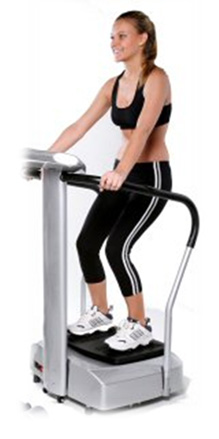
Intro to whole body vibration machines

Intro to whole body vibration machinesIn the last decade, vibration training was mainly used in the fitness industry, but the use of vibration equipment has now expanded and is widely used in physical therapy, rehabilitation, professional sports, and is increasingly used in beauty and wellness applications. There is an abundance of research worldwide that highlights the benefits of Whole Body Vibration. Studies have shown remarkable results for improved fitness and health in a fraction of the time, compared to traditional exercise.

How vibration machines work

Whole body vibration is implemented through the use of a vibrating platform on which static poses are held or dynamic exercises can be performed depending on the type and force of the machine. The vibrations are generated by a complex mechanism underneath the platform, and those vibrations improve flexibility/balance and strengthens bones/muscles.

Bone Strength

Loss of bone density affects many people at different age groups. One of the key benefits of Whole Body Vibration is that it can stimulate the release of natural hormones. These hormones can in many cases stop the loss of bone density and in some situations may even reverse the effects of osteoporosis. These beneficial claims are from the ground breaking study reported in the Journal of Bone and Mineral Research in 2006.

Blood circulation

Increasing blood circulation can be beneficial in so many ways. With increased blood circulation, your cells receive more oxygen and nourishment. White blood cells help remove debris from broken down cells and from toxins that enter the body. The increase of the body’s lymphatic drainage system is a great way to improve overall health and strengthen the immune system.

Muscles

Regular use of our whole body vibration training machines can help exercise your muscles by increasing the force on the muscles. This is done without the damaging impact of traditional exercise on your joints. There is also little to no strain on ligaments and tendons when one uses a whole body vibration machine correctly.

Pain

Muscle, joint, and nerve pain are all debilitating problems that affect millions of people. Many whole body vibration machines have programs and exercises that help develop your core strength which can improve posture. A stronger core helps to eliminate the root of many muscle related ailments.  Strengthening bones and muscle will also help to reduce muscle aches and pain.

At Diversified Health, our physiotherapists and chiropractors use a vibration machine as a rehabilitation tool. Vibration training can help strengthen muscles without putting strain on joints and ligaments. Rehabilitation often involves an increase in blood flow which is one of the keys to repairing and regenerating soft tissue. Improved circulation also helps to drain fluid build-up from injured tissue.

October 18, 2012/by Diversified Health Clinic
https://www.diversifiedhealth.ca/wp-content/uploads/2026/01/DiversifiedHealth-logo.png 0 0 Diversified Health Clinic https://www.diversifiedhealth.ca/wp-content/uploads/2026/01/DiversifiedHealth-logo.png Diversified Health Clinic2012-10-18 08:04:202026-09-27 23:44:28Intro to whole body vibration machines
Massage Therapy, Physiotherapy

What is Myofascial Pain Syndrome? | Health Care Victoria

Myofascial pain syndrome is a chronic musculoskeletal pain disorder that can involve either a single muscle or a muscle group. It refers to pain and inflammation in the body’s soft tissues. Myofascial pain is a chronic condition that affects the fascia (connective tissue that covers the muscles).

The pain associated with this condition can range from burning, stabbing, aching sensations to include a combination of these symptoms.   With myofascial pain syndrome, excessive strain on a particular muscle, muscle group, ligament or tendon can prompt the development of a “trigger point” that, in turn, causes pain.

Where a person experiences the pain may not be where the myofascial pain generator is located. This is known as referred pain.  Myofascial pain symptoms usually involve muscle pain with specific “trigger” points which can be made worse with activity.

What causes myofascial pain & what are the symptoms?

Myofascial pain typically occurs after a muscle has been contracted repetitively. This can be caused by repetitive motions, injury to an intervertebral disc, or lack of activity (such as a broken leg).

The main symptom of myofascial pain is ongoing muscle pain, in areas such as the low back, neck, shoulders, and chest.  These symptoms may include a muscle that is sensitive or tender when touched, or a pain that feels aching, burning, stinging, or stabbing and does not lessen in intensity.  Another symptom is reduced range of motion in the affected area and a feeling of weakness in the affected muscle.

How is myofascial pain diagnosed?

Trigger points can be identified by pain produced upon digital palpation (applying pressure with one to three fingers and the thumb). In the diagnosis of myofascial pain syndrome, four types of trigger points can be distinguished:

  •  An active trigger point is an area of extreme tenderness that usually lies within the skeletal muscle and which is associated with a local or regional pain.
  • A latent trigger point is a dormant (inactive) area that has the potential to act like a trigger point.
  • A secondary trigger point is a highly irritable spot in a muscle that can become active due to a trigger point and muscular overload in another muscle.
  • A satellite myofascial point is a highly irritable spot in a muscle that becomes inactive because the muscle is in the region of another trigger pain.

How is myofascial pain treated?

Treatments may include any of the following:

  •     Massage Therapy
  •     Physiotherapy
  •     Lifestyle changes -adjusting your workstation, improving posture, avoiding muscle tension
  •     IMS | Trigger point dry needling
  •     Transcutaneous electrical nerve stimulation | TENS
  •     Laser
  •     Ultrasound

Often a combination of physical therapy, trigger point dry needling and massage are needed in chronic cases.  Please talk with one of our health care practitioners to discuss myofascial pain syndrome.

October 16, 2012/by Carmen Scott
https://www.diversifiedhealth.ca/wp-content/uploads/2026/01/DiversifiedHealth-logo.png 0 0 Carmen Scott https://www.diversifiedhealth.ca/wp-content/uploads/2026/01/DiversifiedHealth-logo.png Carmen Scott2012-10-16 12:52:032026-09-27 23:49:09What is Myofascial Pain Syndrome? | Health Care Victoria
Guest Bloggers/Articles

Mastectomy or lumpectomy? Choice for breast cancer varies across country.

When Tracy Tarnowski was diagnosed with breast cancer, she opted to have a double-mastectomy, even though her malignancy was confined to only one breast. But the tumour was widespread and aggressive – and she wasn’t about to take any chances.

“I did it because I was only 40,” said Tarnowski, referring to her 2007 surgery. “The decision I made was so I couldn’t have any what-ifs or look back and have any regrets. I did everything I could possibly do to make sure it was gone and wouldn’t come back.

“I had a lot of living to do as far as I was concerned,” the mother of two said from her home in Embrun, Ont., outside Ottawa. “I might have made a different decision had I been 75.”

Age of diagnosis appears to be one factor behind the decision to undergo a mastectomy instead of a less invasive lumpectomy, says a report on rates of breast cancer surgeries across Canada released Thursday.

The joint report by the Canadian Institute for Health Information (CIHI) and the Canadian Partnership Against Cancer show the annual rates for the two treatments vary widely from one province to another.

The rates for women having a cancerous breast removed instead of a lumpectomy, known as breast conserving surgery, was lowest in Quebec, at 26 per cent, and highest in Newfoundland and Labrador, at 69 per cent.

Because figures are in an inverse ratio, the rate for lumpectomies in Quebec was 74 per cent and 31 per cent in Newfoundland and Labrador.

In Saskatchewan, the mastectomy-lumpectomy split was 65 per cent versus 35 per cent, while in Ontario the ratio was 37 per cent for mastectomies and 63 per cent for lumpectomies.

Several factors could explain variations in treatment rates from one jurisdiction to another, including physician practice patterns and patient preferences, said Anne McFarlane, CIHI vice-president for Western Canada.

“It’s important to note that there are two surgeries for people with breast cancer – mastectomy and lumpectomy,” McFarlane said in a telephone interview from Victoria. “Lumpectomy followed by radiation has been shown since the mid-1980s to have equivalent outcomes as mastectomy.”

But, of course, mastectomy is a much more invasive procedure, she said.

“You lose your breast. So from a cosmetic and from a recovery point of view, it would be a more difficult procedure to come away from feeling like you were the same person after the mastectomy as you were before.”

This year, about 22,000 women will have a mastectomy or a lumpectomy followed by radiation.

The report found that a woman’s age seems to play into the choice to go with mastectomy over a lumpectomy.

Rates were relatively high – 44 per cent – for women age 18 to 49. Rates dropped to 35 per cent for those age 50 to 69, then rose again to 45 per cent for women age 70 and older.

“And we think for younger women, that’s because in that age group they’re outside the formal screening (mammogram) programs, so women tend to be diagnosed with more advanced disease and younger women tend to have more aggressive disease,” said McFarlane.

For older women, opting for mastectomy over a lumpectomy could relate to difficulties getting to centres offering followup radiation, as well as less concern about body image.

“We really don’t know the answers for that, but it’s an interesting phenomenon,” she said.

The distance one needs to travel to and from a radiation centre does appear to be a factor.

The 2007-2010 report shows increased numbers of mastectomies corresponding to travel time, with rates exceeding 50 per cent for women who had to drive three hours or more for treatment.

“Radiation following lumpectomy is typically five days a week for between three and six weeks,” said McFarlane. “So although each session of radiation isn’t very long, you have to go to the radiation centre four or five days a week for three to six weeks.

“And if you have a job, if you have little kids, if you have a spouse who’s not well that you have to be there to provide care for – all of those could be barriers to spending that kind of time away from home.”

Dr. Heather Bryant, vice-president of cancer programs at the Canadian Partnership Against Cancer, said the report should help doctors and health-system planners in various jurisdictions “optimize breast cancer care and the experience of women who receive surgery as part of their treatment.”

McFarlane said the report allows physicians to see the bigger picture and how rates differ from province to province.

“It’s only when you can see these analyses done at the national level, where you can see the variations by jurisdiction, that it comes out in such stark relief,” she said.

“I think surgeons and women in Newfoundland, for example, have the expectation that there’s a high mastectomy rate. It’s only when they see that mastectomy rate in comparison with, say, Quebec that they can ask the question: ‘Is this the way that we want it to be? Are we doing the best that we can here?’ “And similarly in Quebec they can also ask that question.”

SHERYL UBELACKER – The Canadian Press

October 12, 2012/by Diversified Health Clinic
https://www.diversifiedhealth.ca/wp-content/uploads/2026/01/DiversifiedHealth-logo.png 0 0 Diversified Health Clinic https://www.diversifiedhealth.ca/wp-content/uploads/2026/01/DiversifiedHealth-logo.png Diversified Health Clinic2012-10-12 08:03:272026-09-27 23:49:09Mastectomy or lumpectomy? Choice for breast cancer varies across country.
Health Information

The Biological Internet That Could One Day Program Artificial Organs

Scientists have just found a way to use DNA to send massive amounts of data between cells, which means we soon may be able to give our cells incredibly complicated instructions.

Much like humans use the Internet to communicate, cells have mechanisms to pass on data to each other. It’s a system that is being hacked by scientists who realize the value of being able to send custom genetic data from cell to cell. Because when large groups of cells can be commanded by humans to work on complex tasks, the possibilities are endless.

Typically, scientists have spurred on communication by sending sugar molecules from cell to cell–the concentration of sugar either activates something in a receiver cell or doesn’t, depending on the command. But this is limiting, says Monica Ortiz, a doctoral candidate in bioengineering at Stanford. “You can’t send very much information with these sugar molecules.” So Ortiz and Drew Endy, an assistant professor of bioengineering, set out to create a more complex system.

We know that we can encode anything we want to in DNA.

Their solution, published in a recent issue of the Journal of Biological Engineering: a bacteriophage, or virus that infect bacteria. “We recognized that phage are essentially nucleic acids packaged by protein, and we know that genes and other elements in the genome are always encoded into DNA. So we know that we can encode anything we want to in DNA,” explains Ortiz. “We can encode genes, activation of transcription in various ways and we don’t need to rely on this middleman sugar molecule.”

Ortiz and Endy selected M13 as their cell-communicating virus. It’s the ideal specimen: It doesn’t kill the host cell, scientists can vary the length of DNA that they’re packaging (M13 packages genetic messages), and it has been engineered to get its DNA into mammalian cells.

The M13 communication system is, as Stanford Engineering explains, like a wireless information network for cells to send and receive messages. M13 wraps up strands of DNA (programmed by scientists) and sends them out in proteins that infect cells and release the DNA messages once they have gained entry. Scientists can send whatever they want in the DNA–everything from a sentence in a book to a sequence that encodes fluorescent protein.

What we’ve shown is that we can send and receive a message.

The M13 system dramatically increases the amount of data that can be transmitted at one time compared to previous cell-to-cell communication systems–roughly 80,000 bits compared to one bit with the sugar molecule system. M13 can also transmit data over long ranges.

“Practically I think sending DNA between cells has a lot of applications,” says Ortiz. “What we’ve shown is that we can send and receive a message and do something in the receiver cell with that message.” In the future–we’re talking decades down the line–the technology could be used in tissue engineering as well as in creating artificial organs and biomaterials that have no direct analog in nature.

Ortiz emphasizes that the research is just beginning. “People are calling it the biological Internet, and that’s a fairly good analogy. I want to make the point that this is a very early stage proof-of-principle paper.”

Ariel Schwartz is a Senior Editor at Co.Exist. She has contributed to SF Weekly, Popular Science, Inhabitat, Greenbiz, NBC Bay Area, GOOD Magazine.

October 10, 2012/by Diversified Health Clinic
https://www.diversifiedhealth.ca/wp-content/uploads/2026/01/DiversifiedHealth-logo.png 0 0 Diversified Health Clinic https://www.diversifiedhealth.ca/wp-content/uploads/2026/01/DiversifiedHealth-logo.png Diversified Health Clinic2012-10-10 09:02:382026-09-27 23:49:09The Biological Internet That Could One Day Program Artificial Organs
Page 38 of 48«‹3637383940›»

Search our Blog

Search Search

Topics of Interest

Acupuncture Back Pain Chronic Back Pain Chronic Pain Custom Orthotics Diversified Health Clinic Victoria BC Dry Needling eToims exercise fitness Foot pain GoodLife Fitness Victoria Marathon Headaches Health Care Victoria Health Tips Healthy lifestyle Immune System IMS Inflammation Joint Pain Knee Injuries Low Back Pain Marathons Massage Therapy Migraines natural health practitioner orthotics Pain management Pain Relief Physiotherapy physiotherapy victoria bc Plantar fasciitis Registered Massage Therapy Runner's knee Running Seasonal Allergies Skin Cancer Spinal Decompression Sports Injuries Stress Stretches Sunscreen Victoria therapeutic massage Vitamins walking

Categories

  • Acupuncture
  • Athletic Therapy
  • Chiropractic Care
  • Exercise Library
  • Fitness
  • Guest Bloggers/Articles
  • Health Information
  • Massage Therapy
  • News
  • Orthotics
  • Physiotherapy
  • Practitioners in Focus
  • Uncategorized
  • Victoria Healthcare News
  • Video Library

Archive

News & Events

  • Neck Pain and “Tech Neck”: Causes, Desk Fixes and When to Get It Checked October 2, 2026
  • CryoDerm in Victoria: Cold vs. Heat, How to Use It, and Where to Get It September 26, 2026
  • How to Heal Your Pelvic Floor After Giving Birth | Pelvic Floor Physiotherapy Guide July 30, 2026
  • The Benefits of Shockwave Therapy Treatments February 28, 2023
  • Piriformis Syndrome: A Real Pain in the Butt January 31, 2023
  • Searching for a Personal Trainer in Victoria to Help You Achieve Your Goals? December 31, 2022
  • Are Winter Blues + Holiday Stress Making You Feel Grinchy?  November 28, 2022

PainHero Community Partner badge for Victoria

patients choice winner

A Victoria, BC Chiropractor winner of the Patients’ Choice Awards.Verified by Opencare.com

Diversified Health Clinic

The Mosaic Building
1063 Fort St, Victoria, BC
V8V 3K5, Canada
250-382-0018
Monday7 a.m. – 7 p.m.
Tuesday7 a.m. – 7 p.m.
Wednesday7 a.m. – 7 p.m.
Thursday7 a.m. – 7 p.m.
Friday7 a.m. – 7 p.m.
Saturday9 a.m. – 4 p.m.
Sunday8 a.m. – 2 p.m. (physiotherapy only)
© Copyright - Diversified Health Clinic. Website by Victoria's iDreamDigital.
  • Link to Facebook
  • Link to Instagram
  • Link to X
  • Link to Youtube
  • Link to Rss this site
  • Link to Mail
Scroll to top Scroll to top Scroll to top

This website uses cookies to understand how the site is used and to measure our advertising.

Privacy PolicyDismiss

Cookie and Privacy Settings


How we use cookies

We may request cookies to be set on your device. We use cookies to let us know when you visit our websites, how you interact with us, to enrich your user experience, and to customize your relationship with our website.

Click on the different category headings to find out more. You can also change some of your preferences. Note that blocking some types of cookies may impact your experience on our websites and the services we are able to offer.

Essential Website Cookies

These cookies are strictly necessary to provide you with services available through our website and to use some of its features.

Because these cookies are strictly necessary to deliver the website, refusing them will have impact how our site functions. You always can block or delete cookies by changing your browser settings and force blocking all cookies on this website. But this will always prompt you to accept/refuse cookies when revisiting our site.

We fully respect if you want to refuse cookies but to avoid asking you again and again kindly allow us to store a cookie for that. You are free to opt out any time or opt in for other cookies to get a better experience. If you refuse cookies we will remove all set cookies in our domain.

We provide you with a list of stored cookies on your computer in our domain so you can check what we stored. Due to security reasons we are not able to show or modify cookies from other domains. You can check these in your browser security settings.

Other external services

We also use different external services like Google Webfonts, Google Maps, and external Video providers. Since these providers may collect personal data like your IP address we allow you to block them here. Please be aware that this might heavily reduce the functionality and appearance of our site. Changes will take effect once you reload the page.

Google Webfont Settings:

Google Map Settings:

Google reCaptcha Settings:

Vimeo and Youtube video embeds:

Privacy Policy

You can read about our cookies and privacy settings in detail on our Privacy Policy Page.

Privacy Policy
Accept settingsHide notification only