Injury Recovery in Greater Victoria, BC - Call us to book an appointment: (250) 382-0018
Diversified Health Clinic
  • Welcome
  • Meet our Team
    • Chiropractic
      • Dr. Matthew Bryan DC
      • Dr. Tessa Bryan DC
      • Dr. Krisjan Gustavson DC
      • Dr. Alexia Grelson DC
    • Physiotherapy
      • Spirit Donahue MPT
      • Kanu Priya MPT
      • Ivy Elling-Quaintance MPT
    • Registered Massage Therapy
      • Morag Hart RMT
      • Craig Lawrence RMT
      • McKenzie Connell RMT
      • Braedan Pearce RMT
    • Acupuncture
      • Annie Wang R.Ac R.TCM.P
      • Lauren Ching R.Ac
      • Rebecca Thompson R.Ac R.TCM.P
      • Jun Liu R.Ac
    • Kinesiology / Personal Training
      • Angelina Schaaf BCAK
      • Christian Schwarz BCAK
    • Medical Doctor
      • Dr. Ian Hyams MD
      • Jennifer Blum, EMSELLA
    • Clinical Counsellor
      • Laura Grohovac CCC
    • .
  • About
    • Our Clinic
    • Careers
  • Disciplines
    • Disciplines
      • Chiropractic
      • Physiotherapy
      • Registered Massage Therapy
      • Kinesiology
      • Acupuncture
      • Clinical Counselling
      • Medical Doctor
      • Personal Training
    • Treatments
      • Shockwave Therapy
      • Spinal Decompression
      • IMS (Intramuscular Stimulation)
      • Pelvic Floor Physiotherapy
      • EMSELLA
      • Class IV K Laser Therapy
      • Orthotics
      • eToims Needle-less IMS
  • Conditions
    • Plantar Fasciitis
    • Running Injuries
    • Allergies
    • Concussion Treatment
    • Bursitis
    • Tennis Elbow
    • TMJ Disorder
    • Automobile Collisions
    • Nerve Pain with Sciatica
    • Sport Injuries
    • Stress
    • Runner’s Knee
    • Vertigo & Vestibular Rehab
    • Concussions
  • Pricing
  • News & Events
    • News
    • Events
    • Practitioners In Focus
    • Exercise Library
  • Contact
  • ICBC Claims
  • Book Now!
  • News
  • Menu Menu
  • Link to Facebook
  • Link to Instagram
  • Link to X
  • Link to Youtube
  • Link to Rss this site
  • Link to Mail
  • Welcome
  • About
    • Meet our Team
    • Our Clinic
    • Careers
  • Disciplines
  • Conditions
  • Pricing
  • News
    • News & Advice
    • Practitioners In Focus
  • Contact
  • ICBC Claims
  • Book Now!
Chiropractic Care, Physiotherapy

What causes sciatica?

sciatic-nerveSciatica and associated nerve pain is caused by different types of pressure on or damage to the sciatic nerve in the lower back or buttocks – the sciatic nerve connects nearly the whole of the skin of the leg, the muscles of the back of the thigh, and those of the leg and foot to provide feeling and movement, so any pressure on this nerve can cause considerable, debilitating pain.

Pain from sciatica can change: it can be shooting/burning/sharp, non-stop, or intermittent. Pain is usually only felt on one side of the body. Some people complain of intense and acute pain. Others experience a numb and weak feeling in their leg. Sneezing, coughing, straining, bending, or lifting can make it worse.

What can causes sciatica?

Something as simple as bad posture, muscle strain or spasm, being overweight, or sleeping on a mattress that is too soft can put pressure on or damage the sciatic nerve.

A herniated disc, know by most of us as a “slipped disc”, is an even more serious, chronic condition where tremendous pressure on the sciatic nerve by one of the spinal discs that serves as cushioning between the vertebrae. The disc doesn’t slip – instead it ruptures, and the gel that makes up the disc intrudes on the spinal nerve or sciatic nerve. The result is severe pain and even loss of mobility.

Often hereditary, this condition can result in months of lost productivity while the disc heals and inflammation subsides. Unfortunately, ruptured discs are prone to do the same thing again, but with a careful rehabilitation plan including exercise, weight loss and other treatments and practices, it is possible to help prevent this condition from becoming chronic and debilitating.

How to treat sciatica and nerve pain

Often, lifestyle changes such as losing weight are the most common method for dealing with sciatica and nerve pain.

Sciatica and nerve pain can be treated with a combination of treatments, including:

  • Decompression Table
  • eToims
  • massage
  • physiotherapy
  • Class IV K-Laser Therapy

Topical ointments such as Traumeel and nutritional supplements can also help with inflammation.

April 5, 2013/2 Comments/by Diversified Health Clinic
0 0 Diversified Health Clinic https://www.diversifiedhealth.ca/wp-content/uploads/2026/01/DiversifiedHealth-logo.png Diversified Health Clinic2013-04-05 07:29:212013-04-05 07:29:21What causes sciatica?
Guest Bloggers/Articles

Fluid Lifestyle Presents – Two Ignite Retreats

stowelbarnI am excited to launch this years offering of not just one, but two Ignite Retreats!

June 15 and 16 will be Ignite Spirit, an urban retreat, on Sleeping Dog Farm (outside Victoria) and will delve into encaustics and writing with groove and yoga as the movement accompaniment.

Sept 19-22 is Ignite Soul and will profile Living in the Buddha Zone meditation, yoga, pilates, groove dance and the field to table cooking experience amidst the stunning setting of Stowel Lake Farm and community.

Unleash your energy, activate your inspiration, learn, stretch and dance into joy. Experience the peaceful setting and deep beauty of Stowel Lake Farm, an organic farm and wellness centre on the south end of sun drenched Saltspring Island.  Ignite your inner fire with creativity and movement.

Please have a peek at the website for all the details and to view our fantastic video of last years retreat www.fluidlifestyle.ca.

Cory Judge has been passionate about personal health and fitness for years. She holds a degree in Environmental Studies and Geography from UVIC, but found her path led outside the mainstream and into the entrepreneurial world of artisan design.

April 1, 2013/by Diversified Health Clinic
0 0 Diversified Health Clinic https://www.diversifiedhealth.ca/wp-content/uploads/2026/01/DiversifiedHealth-logo.png Diversified Health Clinic2013-04-01 09:07:442013-04-01 09:07:44Fluid Lifestyle Presents – Two Ignite Retreats
Health Information

How Laser Therapy Works

klaserWhat is Laser Therapy?

Laser Therapy or “photobiomodulation”, is the use of specific wavelengths of light (red and near-infrared) to create therapeutic effects.  These effects include improving healing time, pain reduction, increased circulation and decreased swelling.  Laser Therapy has been widely utilized in Europe by physical therapists, nurses and doctors as far back as the 1070’s.

Cellular Effects of Laser Therapy

During Laser Therapy the infrared laser light interacts with tissues at the cellular level and metabolic activity increases within the cell, improving the transport of nutrients across the cell membrane.  This initiates the production of cellular energy ( ATP) that leads to a cascade of beneficial effects, increasing cellular function and health.

Laser Therapeutic  Effects

During each painless treatment laser energy increases circulation, drawing water, oxygen and nutrients to the damaged area.  This creates an optimal healing environment that reduces inflammation, swelling muscle spasms, stiffness and pain.  As the injured area returns to normal, function is restored and pain is relieved.

Patient benefits of Laser Therapy

Laser Therapy is proven to bio-stimulate tissue repair and growth.  The Laser accelerates the healing process and decreases inflammation, pain and scar tissue formation.  In the management of chronic pain Class IV Laser Therapy can provide dramatic results , is non-addictive and virtually free of side effects.

Numerous studies show that Class IV Laser Therapy can help with:

Tendinopathies | Osteoarthritis | Carpal Tunnel Syndrome | Myofascial Trigger Points | Tennis Elbow | Fibromyalgia | Burns | Ligament Sprains | Diabetic Neuropathy | Muscle Strains | Repetitive Stress Injuries | Plantar Fasciitis | Sports Injuries | Shoulder, Back & Knee Pain | Post-Traumatic Injury

Can it be used in conjunction with other forms of treatment?

Yes, Laser therapy is often used with other forms of treatment, including physiotherapy, chiropractic, massage therapy, acupuncture and even following surgery.  Other healing modalities are complementary and can be used with laser to increase the effectiveness of the treatment.

Please contact our health care practitioners to find out how a Class IV Laser can help you feel better, faster. The K- Laser, Class IV  Laser Therapy is Drug free, surgery free and pain free!

March 28, 2013/by Carmen Scott
0 0 Carmen Scott https://www.diversifiedhealth.ca/wp-content/uploads/2026/01/DiversifiedHealth-logo.png Carmen Scott2013-03-28 08:21:022013-03-28 08:21:02How Laser Therapy Works
Guest Bloggers/Articles

Your Google Searches Can Uncover Drug Side Effects Faster Than the FDA

Written by Ashley Feinberg

The internet: it’s our teacher, our entertainer, and ever increasingly, our doctor. Every day, the country’s sniveling, coughing, light-headed festering contagions plop in front of their computers in hopes of figuring out what the hell is a matter with them—for free. So while brilliant, it’s not entirely surprising that scientists were, for the first time, able to find significant evidence of unreported prescription drug side effects faster than any of the FDA’s own methods. And as The New York Times reports, all thanks to our ailing internet search queries.

Using data from Google, Microsoft, and Yahoo search engines, the Stanford and Columbia University joint research team sifted though 6 million users’ internet search queries (which you’ll be uncomfortable to know, are forever saved in web search logs) and looked for searches that related to the antidepressant paroxetine and the cholesterol-lowering drug pravastin. They found that users who had searched for both of these drugs were also 10 percent more likely to search for hyperglycemia or one of its many symptoms. This number may seem small, but as The New York Times notes:

The researchers said they were surprised by the strength of the “signal” that they detected in the searches and argued that it would be a valuable tool for the F.D.A. to add to its current system for tracking adverse effects. “There is a potential public health benefit in listening to such signals,” they wrote in the paper, “and integrating them with other sources of information.”

Currently, the FDA documents interactions and side effects through the Adverse Event Reporting System, which only obtains new information when a physician notices something and goes on to report it. So while the FDA may have the tools to handle interactions as they come, they’re increasingly reliant on this massive deposit of public data, the possibilities of which are only starting to become realized. So search away, sicklings—it’s for the greater good. [The New York Times]

March 20, 2013/1 Comment/by Diversified Health Clinic
https://www.diversifiedhealth.ca/wp-content/uploads/2026/01/DiversifiedHealth-logo.png 0 0 Diversified Health Clinic https://www.diversifiedhealth.ca/wp-content/uploads/2026/01/DiversifiedHealth-logo.png Diversified Health Clinic2013-03-20 08:15:402013-03-20 08:15:40Your Google Searches Can Uncover Drug Side Effects Faster Than the FDA
Acupuncture, Health Information, Massage Therapy

8 Tips To Help Control High Blood Pressure

8 Tips To Help Control High Blood PressureHere are 8 lifestyle changes you can make to control your high blood pressure.

Watch your waistline

Blood pressure often increases as weight increases, so losing just 10 pounds (4.5 kilograms) can help reduce your blood pressure. In general, the more weight you lose, the lower your blood pressure.

Exercise

Regular physical activity — at least 30 to 60 minutes most days of the week — can lower your blood pressure 4 to 9mm Hg.  If you haven’t been active, increasing your exercise level can lower your blood pressure within just a few weeks. Make sure to talk with your care practitioner about developing an exercise program that’s right for you.

Avoid being a “weekend warrior” , because those sudden bursts of activity could actually  put you at risk.

Eat healthy

Eating a diet that is rich in whole grains, fruits, vegetables and low-fat dairy products and limits saturated fat can lower your blood pressure by up to 14 mm Hg.

Reduce sodium

Even a small reduction in the sodium in your diet can reduce blood pressure by 2 to 8 mm Hg.   Limit  your sodium intake to 2,300 milligrams (mg) a day or less. Remember to read food labels, and that processed foods are high in sodium.

Alcohol consumption

Alcohol can be both good and bad for your health. In small amounts, it can potentially lower your blood pressure by 2 to 4 mm Hg. But that protective effect is lost if you drink too much alcohol — generally more than one drink a day for women and two a day for men.

Avoid tobacco products

We all know the dangers of smoking,  but did you know that the nicotine in tobacco products can raise your blood pressure by 10 mm Hg and for up to an hour after you smoke.

Sleeping

People who sleep five hours or less a night may be at higher risk of developing high blood pressure or worsening already high blood pressure.  Sleep helps your blood regulate stress hormones and helps your nervous system remain healthy. Over time, a lack of sleep can hurt your body’s ability to regulate stress hormones, leading to high blood pressure.

Reduce your stress

Stress or anxiety can temporarily increase blood pressure. Take some time to think about what causes you to feel stressed such as work, family,or finances. Once you know what’s causing your stress, consider how you can eliminate or cope with stress in a healthier way such as getting a massage, acupuncture or start a yoga class.

As with any major health change, please consult a health care practitioner before you start your new health routine.

March 18, 2013/by Carmen Scott
https://www.diversifiedhealth.ca/wp-content/uploads/2026/01/DiversifiedHealth-logo.png 0 0 Carmen Scott https://www.diversifiedhealth.ca/wp-content/uploads/2026/01/DiversifiedHealth-logo.png Carmen Scott2013-03-18 12:15:412013-03-18 12:15:418 Tips To Help Control High Blood Pressure
Acupuncture, Chiropractic Care, Health Information, Massage Therapy, Physiotherapy

What is Myofascial Pain Syndrome?

What is Myofacial Pain Syndrome?Myofascial pain syndrome is a chronic pain disorder.  With myofascial pain syndrome, the pain affects the connective tissue (fascia) of a muscle or group of muscles. With myofascial pain, there are areas called trigger points. A Trigger Point is a hyper-irritable spot within a taut band of skeletal muscle or muscle fascia which is painful on compression. These trigger points can refer pain to other areas and often restrict the flexibility of the affected muscle.  If left untreated, they can create new trigger points.

What are the symptoms?

The main symptom of myofascial pain syndrome is ongoing muscle pain, in areas such as the low back, neck, hips, and shoulders. You might feel the pain or the pain may get worse when you press on a trigger point. Symptoms of myofascial pain may include:

  • A muscle that is sensitive or tender when touched
  • Muscle pain that happens when pressure is placed on a trigger point
  • Pain that is aching, burning, stinging, or stabbing
  • Reduced range of motion in the affected area

People with myofascial pain syndrome often have other health problems, such as tension headaches, depression, sleep problems, and suffer from fatigue.

New Ways to Treat Myofacial Pain: 

eToims ~ Electrical Twitch Obtaining Intra-Muscular Stimulation (eToims) is aimed at alleviating pain and dysfunction caused by muscle and nerve injury.  It involves the use of an electric current to produce a twitch in the muscle that is strong enough to stimulate or excite the deep fibers of a muscle.  Basically “jump starting” the muscles to release, relax, and allow blood to follow to the muscles and nerve so that they can “breathe”.

Class IV K-Laser ~ Laser Therapy or “photobiomodulation”, is the use of specific wavelengths of light (red and near-infrared) to create therapeutic effects. During each painless treatment laser energy increases circulation, drawing water, oxygen and nutrients to the damaged area.  This creates an optimal healing environment that reduces inflammation, swelling muscle spasms, stiffness and pain.  As the injured area returns to normal, function is restored and pain is relieved.

IMS ~ Trigger point dry needling, also referred to as intramuscular stimulation (IMS) and/or intramuscular therapy (IMT) is an invasive procedure in which an acupuncture needle is inserted into the skin and muscle. Intramuscular therapy has been very successful for patients with chronic low back pain and sciatica symptoms.

Physiotherapy | Trigger Point Therapy

Trigger point therapy involves applying pressure to the trigger points for a sustained period, followed by passive and active stretch and heat where indicated. The goal is to deactivate the trigger points and teach the patient how to prevent and manage recurrences. When these approaches are combined with mobilization and posture retraining techniques provided by a physiotherapist they provide a long-lasting and patient-managed way to reduce pain and improve function.

Myofascial pain often goes away with appropriate treatment and life style changes. Please contact our healthcare practitioners and discuss what treatment is right for you.

March 8, 2013/by Carmen Scott
https://www.diversifiedhealth.ca/wp-content/uploads/2026/01/DiversifiedHealth-logo.png 0 0 Carmen Scott https://www.diversifiedhealth.ca/wp-content/uploads/2026/01/DiversifiedHealth-logo.png Carmen Scott2013-03-08 09:44:122013-03-08 09:44:12What is Myofascial Pain Syndrome?
Health Information

Minimize Sport Injuries in Children

Minimize Sport Injuries in ChildrenThere is always a certain amount of risk involved in participating in sports. A well-managed sports facility or venue provides children with a safe  environment to development, physically, emotionally and socially. However, accidents do  happen and children do get hurt. The most common sports injuries for children are sprains, strains, and abrasions, making up to 70 percent of all sports injuries to children.  More serious injuries such as fractures, broken bones, concussions account for about 20 percent of injuries.

Many sports injuries for children occur because of their limited degree of agility and the “controlled” chaos of children playing.  It is during this chaos where most of the falls and collisions occur, which can result in sprains, bruises and abrasions.

Each type of sport tends to have unquie injuries, such as soccer players tend to suffer from from sprains, bruises, knee, ankle and shin injuries. Tennis and baseball players have injuries to their elbows and wrists that result in pain, stiffness and reduced range of motion. Swimmers and skater can develop an overuse syndrome because of repetitive stress on particular joints.

To minimize serious injury determine your child’s physical maturation level and match your child’s size with an appropriate sport. Most  children’s sports are organized by age rather than physical skill. Slower maturing children are often at greater risk of injury because they are competing with peers who may be larger and physically more developed.

Diversified Health’s practitioners can help prevent sports injuries in children by having your child undergo a Pre-Participation Evaluation. This consists of a routine medical history and physical examination with emphasis on a neuromusculoskeletal evaluation.  The examination may uncover medical issues that may prevent the child from participating in a specific sport.

Another common sports injury is re-injury. Re-injury occurs when you return to the sport before an injury has healed.  Returning too soon, places stress on the injured area and forces the body to compensate for the weakness, which can put your child at risk for another injury.

Having children participate in sports is a great way to implement fitness into their daily lives. Whatever sport you choose make sure that it includes fun, fitness and safety.

March 6, 2013/by Carmen Scott
https://www.diversifiedhealth.ca/wp-content/uploads/2026/01/DiversifiedHealth-logo.png 0 0 Carmen Scott https://www.diversifiedhealth.ca/wp-content/uploads/2026/01/DiversifiedHealth-logo.png Carmen Scott2013-03-06 09:20:382013-03-06 09:20:38Minimize Sport Injuries in Children
Chiropractic Care, Health Information, Physiotherapy

Keeping Joints Healthy

Keeping Joints HealthyThe best way to care for your joints is to keep them, your muscles, ligaments, and bones healthy and strong. At Diversified Health our practitioners know the benefits of a healthy lifestyle and by incorporating a few simply tips on joint care, your joints will remain healthy and strong.

Keep an eye on your weight

Keeping your weight within a healthy range is the best thing you can do for your joints. Weight-bearing joints, such as your knees, hips, and back, have to support your body weight.

Exercise

Exercise can help you maintain a healthy weight, so opt for low impact exercises such as swimming, yoga or bicycling. Eating a healthy balanced diet  will also help to maintain strong bones and muscles.

Another healthy tip is to stand as much as possible. Sitting at a desk all day, can increase joint pain and stiffness.  Change positions frequently, and take frequent breaks at work  – remember to stretch, or go for a short walk around the block or even around the office.  And always take the stairs!

Build muscles

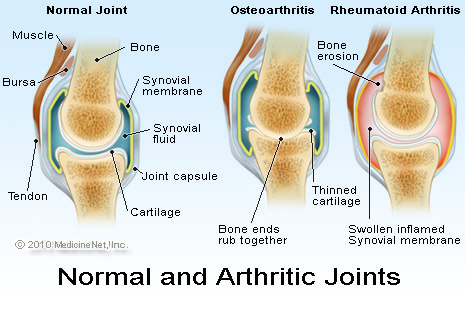
Keep your muscles strong, they support your joints. If you have weak muscles, your joints will suffer, especially those in your knees, which  support your entire body weight. The smooth tissue called cartilage and synovium and a lubricant called synovial fluid cushion the joints so bones do not touch. Increasing age, inactivity and injuries from daily life can place wear and tear on your joints, so weight training exercises help build muscle and keep existing muscle and ligaments strong.

Check your posture

Standing straight protects your joints from your neck to your knees. Good posture also helps guard your hip joints and back muscles.

If your joints hurt, try ice

It helps relieve joint swelling and numbs pain. If you have a sore joint, apply a cold pack wrapped in a towel to the painful area for no more than 20 minutes.

If your joint pain is not going away or if it is getting worse, please contact our health care practitioners. Diversified Health has numerous treatment options including Class IV Laser, Shockwave Therapy, Hands Free Ultrasound and eToims.

March 4, 2013/by Carmen Scott
https://www.diversifiedhealth.ca/wp-content/uploads/2026/01/DiversifiedHealth-logo.png 0 0 Carmen Scott https://www.diversifiedhealth.ca/wp-content/uploads/2026/01/DiversifiedHealth-logo.png Carmen Scott2013-03-04 12:20:102013-03-04 12:20:10Keeping Joints Healthy
Chiropractic Care, Physiotherapy

Thumb Pain & Text Message Injuries on the Rise

Thumb pain & text message injuries are increasing, so if you have experienced numb fingers and aching wrists, there is a good chance that you suffer from repetitive strain injury. Over 38% of the general population suffer from sore wrists and thumbs from texting.

Symptoms include hand, wrist or finger pain and immobility in the joints, nerves and muscles from the fingers to the neck. These are caused by repetitive movements and fatigue resulting from unnatural stresses and strains on the body.  These are signals to stop texting or using your mobile device.

Thumb Pain & Text Message Injuries are increasing says a Vancouver Island Health Clinic

Text Message Injuries

What can you do to avoid repetitive strain injury from sending too many text messages.

• If texting starts to hurt. Stop. Use the other hand or call instead
• Vary the hand you use
• Vary the digits you use
• Don’t text for more than a few minutes without a break

Besides specific exercises, there are treatment options for repetitive strain injuries such as, Shockwave Therapy, Laser Therapy & eToims. Consult with your health care practitioner to find out which treatment option would be best for you.

Below are some exercise that can help with your texting hand:

• Tap each finger with the thumb of the same hand. Repeat x 3
• Pull your thumb firmly with the other hand. Repeat x 3
• Wrap an elastic band around the tips of fingers and thumb and open your hand against the resistance. Repeat x 5
• Palms down wrap an elastic band around each thumb and force apart. Repeat x 5
• Tap the palm and back of your hand on your thigh as quickly as you can. Repeat x 5
• Massage thumb web, back of forearm and front of forearm. 2 minutes.
• Press and rub in a circular motion the painful nodules in those muscles. 30 seconds for each nodule.

If you are still having issues with thumb pain & text message injuries, stop texting completely and make an appointment with a physiotherapist or a health care practitioner.

March 1, 2013/2 Comments/by Carmen Scott
https://www.diversifiedhealth.ca/wp-content/uploads/2026/01/DiversifiedHealth-logo.png 0 0 Carmen Scott https://www.diversifiedhealth.ca/wp-content/uploads/2026/01/DiversifiedHealth-logo.png Carmen Scott2013-03-01 09:26:262013-03-01 09:26:26Thumb Pain & Text Message Injuries on the Rise
Health Information

Small ideas – Big results

Small ideas - Big resultsHere are some “small” ideas that you can easily incorporate into your daily routine to improve your health.

Visualize what healthy means to you ~  Have an image of what healthy looks like for you.

Start a food journal ~ Just being aware of the food, and amount of food you are consuming can help you make better choices on a regular basis.

Drink water ~ Try replacing unhealthy drinks with water. Carry a bottle of water with you wherever you go!

Eat breakfast ~ Even if you’re not hungry, try to eat something. It can be a piece of fruit, an energy bar, bowl of cereal or a bagel.

Stop mindless munching in the late afternoon or evening ~  Think about what you’re eating!

Move your body frequently ~ Simply getting up and moving around regularly throughout your day has been linked to better overall health. Try to be as active as possible and not to sit in one spot for more than an hour. Get up, walk around, stretch, just keep moving.

Go outside ~ Exposure to natural sunlight increases energy, improves mood, and reduces stress . Try spending a portion of your lunch outdoors… even if it is just a walk around the block or a walk to get a coffee.

Take the stairs ~ Always take the stairs. Try parking your car  in the furthest parking spot and walk the extra distance to the store. Many physical inconveniences can be treated as opportunities to improve your health.

Connect with other health seekers ~ Find people with similar interests and attitudes about getting healthy, and encourage each other along the way.

Be Accountable ~ Your health is your responsibility. The choices that you make, large or small, will determine how well you feel and how healthy you are.

Get a massage ~ Massage therapy slows the heart rate, and lowers blood pressure and stress hormones. The decrease in stress hormones increases your body’s natural ability to “fight” off viruses, bacteria, and free radicals.

February 26, 2013/by Carmen Scott
https://www.diversifiedhealth.ca/wp-content/uploads/2026/01/DiversifiedHealth-logo.png 0 0 Carmen Scott https://www.diversifiedhealth.ca/wp-content/uploads/2026/01/DiversifiedHealth-logo.png Carmen Scott2013-02-26 08:21:562013-02-26 08:21:56Small ideas – Big results
Page 36 of 49«‹3435363738›»

Search our Blog

Search Search

Topics of Interest

Acupuncture Back Pain Chronic Back Pain Chronic Pain Custom Orthotics Diversified Health Clinic Victoria BC Dry Needling eToims exercise fitness Foot pain GoodLife Fitness Victoria Marathon Headaches Health Care Victoria Health Tips Healthy lifestyle Immune System IMS Inflammation Joint Pain Knee Injuries Low Back Pain Marathons Migraines natural health practitioner orthotics Pain management Pain Relief Physiotherapy physiotherapy victoria bc Plantar fasciitis Registered Massage Therapist Registered Massage Therapy Runner's knee Running Seasonal Allergies Skin Cancer Spinal Decompression Sports Injuries Stress Stretches Sunscreen Victoria therapeutic massage Vitamins walking

Categories

  • Acupuncture
  • Athletic Therapy
  • Careers
  • Chiropractic Care
  • Events
  • Exercise Library
  • Fitness
  • Guest Bloggers/Articles
  • Health Information
  • Massage Therapy
  • News
  • Orthotics
  • Physiotherapy
  • Practitioners in Focus
  • Uncategorized
  • Victoria Healthcare News
  • Video Library

Archive

News & Events

  • How to Heal Your Pelvic Floor After Giving Birth | Pelvic Floor Physiotherapy Guide July 30, 2026
  • About Matthew Bryan, DC November 7, 2025
  • The Benefits of Shockwave Therapy Treatments February 28, 2023
  • Piriformis Syndrome: A Real Pain in the Butt January 31, 2023
  • Searching for a Personal Trainer in Victoria to Help You Achieve Your Goals? December 31, 2022
  • Are Winter Blues + Holiday Stress Making You Feel Grinchy?  November 28, 2022
  • Fact or Fiction? Is Joint Pain Worse in Cold Weather? October 28, 2022

patients choice winner

A Victoria, BC Chiropractor winner of the Patients’ Choice Awards.Verified by Opencare.com

Diversified Health Clinic

The Mosaic Building
1063 Fort St, Victoria, BC
V8V 3K5, Canada
250-382-0018
Monday7 a.m. – 7 p.m.
Tuesday7 a.m. – 7 p.m.
Wednesday7 a.m. – 7 p.m.
Thursday7 a.m. – 7 p.m.
Friday7 a.m. – 7 p.m.
Saturday9 a.m. – 4 p.m.
SundayBy Appointment
© Copyright - Diversified Health Clinic. Website by Victoria's iDreamDigital.
  • Link to Facebook
  • Link to Instagram
  • Link to X
  • Link to Youtube
  • Link to Rss this site
  • Link to Mail
Scroll to top Scroll to top Scroll to top

Would you like to learn more about our COVID-19 Protocols?

Our ProtocolsDismiss

Cookie and Privacy Settings


How we use cookies

We may request cookies to be set on your device. We use cookies to let us know when you visit our websites, how you interact with us, to enrich your user experience, and to customize your relationship with our website.

Click on the different category headings to find out more. You can also change some of your preferences. Note that blocking some types of cookies may impact your experience on our websites and the services we are able to offer.

Essential Website Cookies

These cookies are strictly necessary to provide you with services available through our website and to use some of its features.

Because these cookies are strictly necessary to deliver the website, refusing them will have impact how our site functions. You always can block or delete cookies by changing your browser settings and force blocking all cookies on this website. But this will always prompt you to accept/refuse cookies when revisiting our site.

We fully respect if you want to refuse cookies but to avoid asking you again and again kindly allow us to store a cookie for that. You are free to opt out any time or opt in for other cookies to get a better experience. If you refuse cookies we will remove all set cookies in our domain.

We provide you with a list of stored cookies on your computer in our domain so you can check what we stored. Due to security reasons we are not able to show or modify cookies from other domains. You can check these in your browser security settings.

Google Analytics Cookies

These cookies collect information that is used either in aggregate form to help us understand how our website is being used or how effective our marketing campaigns are, or to help us customize our website and application for you in order to enhance your experience.

If you do not want that we track your visit to our site you can disable tracking in your browser here:

Other external services

We also use different external services like Google Webfonts, Google Maps, and external Video providers. Since these providers may collect personal data like your IP address we allow you to block them here. Please be aware that this might heavily reduce the functionality and appearance of our site. Changes will take effect once you reload the page.

Google Webfont Settings:

Google Map Settings:

Google reCaptcha Settings:

Vimeo and Youtube video embeds:

Other cookies

The following cookies are also needed - You can choose if you want to allow them:

Privacy Policy

You can read about our cookies and privacy settings in detail on our Privacy Policy Page.

Privacy Policy
Accept settingsHide notification only